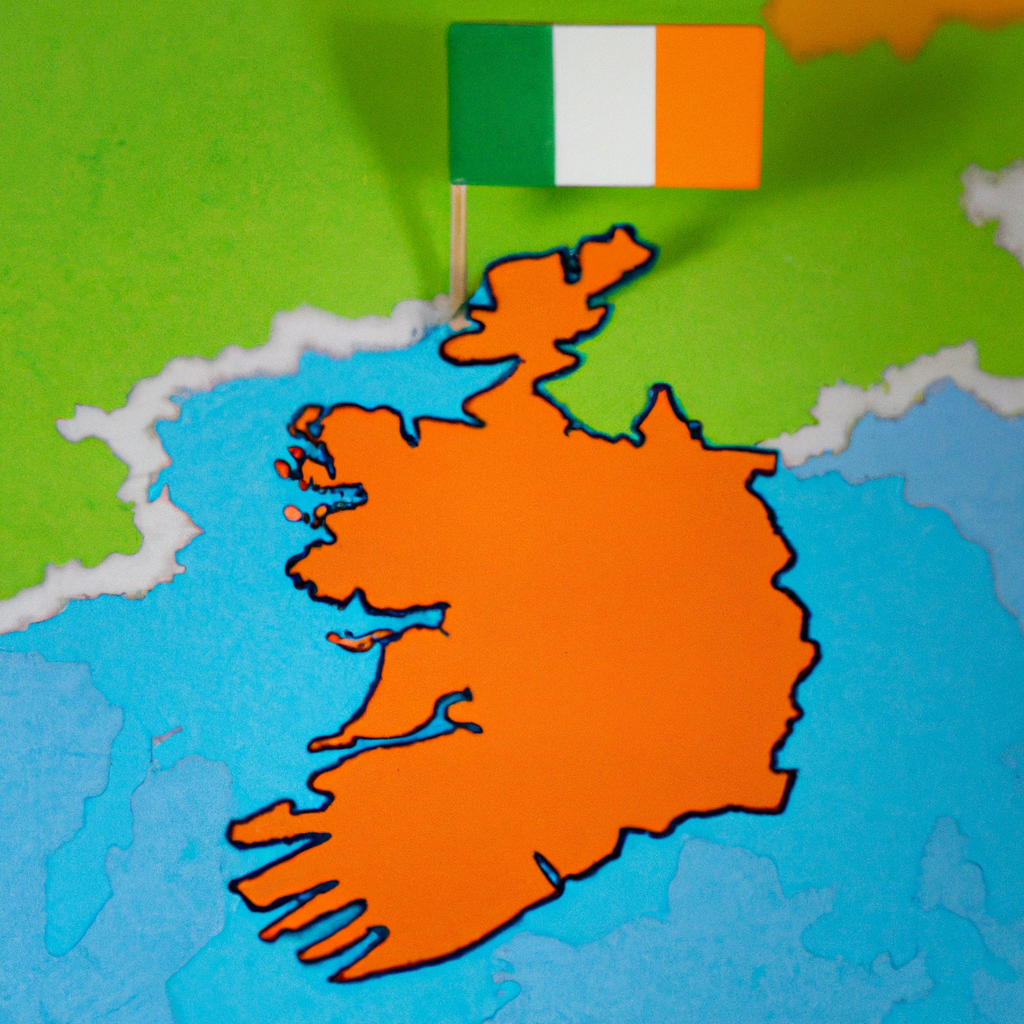
What is the history of the Mullingar Cathedral?

Post ByAdequate Travel
Summary
The Mullingar Cathedral is a staple of the Irish town of Mullingar, Westmeath. Its history is unique and fascinating, having a lineage that dates back to 1210, when Christian pilgrims first began to use this location as a place of cultural worship. This piece will explore the timeline of this incredible structure, highlighting the milestone achievements that shaped the Mullingar Cathedral into what it is today. It's essential to stay updated with international travel information, especially when planning a foreign trip, to navigate any changes in travel advisory or travel warnings.History of Mullingar Cathedral
1. Construction and Design:
The Mullingar Cathedral, also known as the Cathedral of Christ the King, is a Roman Catholic cathedral located in Mullingar, County Westmeath, Ireland. Construction of the cathedral began in 1933 and was completed in 1936.
2. Architectural Style:
The cathedral is built in a neo-Gothic architectural style, reminiscent of medieval European cathedrals. It features intricate stone carvings, pointed arches, and a soaring spire, all characteristic of Gothic design.
3. Architectural Influence:
The design of the Mullingar Cathedral is said to have been influenced by the great French cathedrals of Chartres and Amiens.
4. Architectural Elements:
The cathedral's exterior is built with locally sourced limestone. The interior showcases beautiful stained glass windows, a vaulted ceiling, and a detailed marble altarpiece.
5. Dedication and Opening:
The cathedral was dedicated and officially opened in June 1936 by the then Bishop of Meath, Most Rev. Dr. John Hoare.
6. Restorations:
Over the years, the Mullingar Cathedral has undergone several restorations to preserve its architectural beauty and structural integrity. These restorations ensure that the cathedral continues to serve its religious and community purposes.
7. Importance to the Community:
The Mullingar Cathedral holds significant religious and historical importance to the local Catholic community. It serves as the mother church of the Diocese of Meath, and various religious ceremonies and events are held within its walls.
8. Cultural and Tourist Attraction:
Due to its architectural splendor, the Mullingar Cathedral has become a popular tourist attraction. Visitors often come to marvel at its intricate design and experience the peaceful ambiance of the cathedral.
Examples in h5 and p tags:
<h5>History of Mullingar Cathedral</h5>
<p>1. Construction and Design:</p>
The Mullingar Cathedral, also known as the Cathedral of Christ the King, is a Roman Catholic cathedral located in Mullingar, County Westmeath, Ireland...
<p>2. Architectural Style:</p>
The cathedral is built in a neo-Gothic architectural style, reminiscent of medieval European cathedrals. It features intricate stone carvings, pointed arches, and a soaring spire, all characteristic of Gothic design...
<p>3. Architectural Influence:</p>
The design of the Mullingar Cathedral is said to have been influenced by the great French cathedrals of Chartres and Amiens...
<p>4. Architectural Elements:</p>
The cathedral's exterior is built with locally sourced limestone. The interior showcases beautiful stained glass windows, a vaulted ceiling, and a detailed marble altarpiece...
<p>5. Dedication and Opening:</p>
The cathedral was dedicated and officially opened in June 1936 by the then Bishop of Meath, Most Rev. Dr. John Hoare...
<p>6. Restorations:</p>
Over the years, the Mullingar Cathedral has undergone several restorations to preserve its architectural beauty and structural integrity. These restorations ensure that the cathedral continues to serve its religious and community purposes...
<p>7. Importance to the Community:</p>
The Mullingar Cathedral holds significant religious and historical importance to the local Catholic community. It serves as the mother church of the Diocese of Meath, and various religious ceremonies and events are held within its walls...
<p>8. Cultural and Tourist Attraction:</p>
Due to its architectural splendor, the Mullingar Cathedral has become a popular tourist attraction. Visitors often come to marvel at its intricate design and experience the peaceful ambiance of the cathedral...
Travellers can find valuable travel information for tourists, such as local customs, must-see attractions, and dining recommendations, to make the most of their trip.Suggested Questions
- Castle Coole, County Fermanagh: Horror Story, History & Paranomial Activities
- Dunsandle Castle, County Galway: Horror Story, History & Paranomial Activities
- Kilkea Castle, County Kildare: Horror Story, History & Paranomial Activities
- Leap Castle, County Offaly: Horror Story, History & Paranomial Activities
- Carrowmore Megalithic Cemetery, County Sligo: Horror Story, History & Paranomial Activities
- Malahide Castle, County Dublin: Horror Story, History & Paranomial Activities
Questions Ireland
You may also like
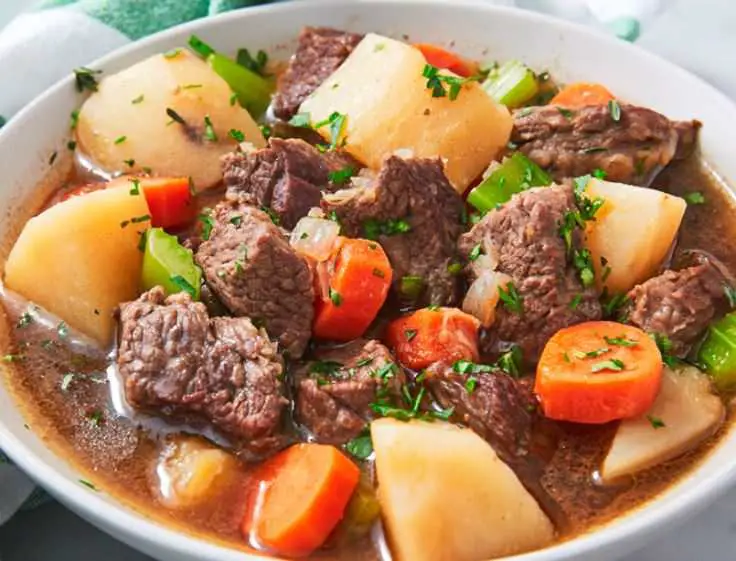
Top 10 Famous Food in Galway, Ireland | Best Foods to Eat in Galway
Galway is the harbor city of Ireland which holds a great diversity in Irish historic landmarks, seafood, and other authentic ancient cuisines. You can have the same basic cuisines being sold in the most expensive and cheapest Galway’s restaurants as … Continue reading
The post Top 10 Famous Food in Galway, Ireland | Best Foods to Eat in Galway appeared first on World Tour & Travel Guide, Get Travel Tips, Information, Discover Travel Destination | Adequate Travel.
Read More
Best Places for Shopping in Galway Ireland | Great Shopping Ideas for Galway
You might wonder Where to buy the best souvenirs or takeaways in Galway? when all your rides are either guided by your tour guides or google maps who shower you with tonnes of knowledge in which it’s so hard to … Continue reading
The post Best Places for Shopping in Galway Ireland | Great Shopping Ideas for Galway appeared first on World Tour & Travel Guide, Get Travel Tips, Information, Discover Travel Destination | Adequate Travel.
Read More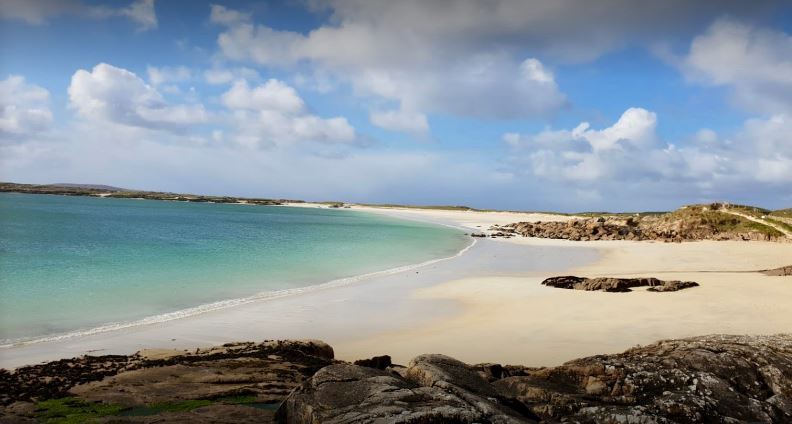
Best Beaches in Galway, Ireland | Beautiful Beaches to visit in Galway
Galway is among the famous port city of Ireland having myriad beautiful beaches all around its borders. Since Ireland experiences very chilly weather on major times of the year hence most areas of the beaches are special attractions only during … Continue reading
The post Best Beaches in Galway, Ireland | Beautiful Beaches to visit in Galway appeared first on World Tour & Travel Guide, Get Travel Tips, Information, Discover Travel Destination | Adequate Travel.
Read More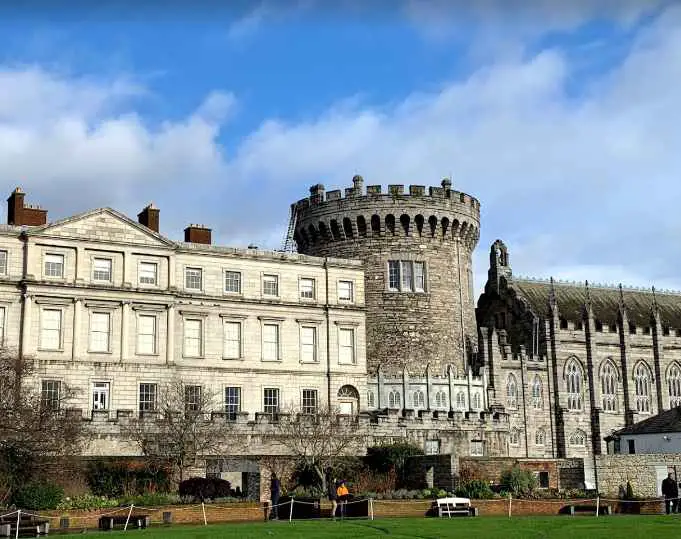
Most Visited Monuments in Dublin | Famous Monuments of Dublin, Ireland
Dublin is steeped in history and Irish heritage from the Guinness Storehouse to Dublin Castle. Monuments of Dublin have its fair share of history that honour the city and its citizens like every capital city. From Viking trading port to … Continue reading
The post Most Visited Monuments in Dublin | Famous Monuments of Dublin, Ireland appeared first on World Tour & Travel Guide, Get Travel Tips, Information, Discover Travel Destination | Adequate Travel.
Read More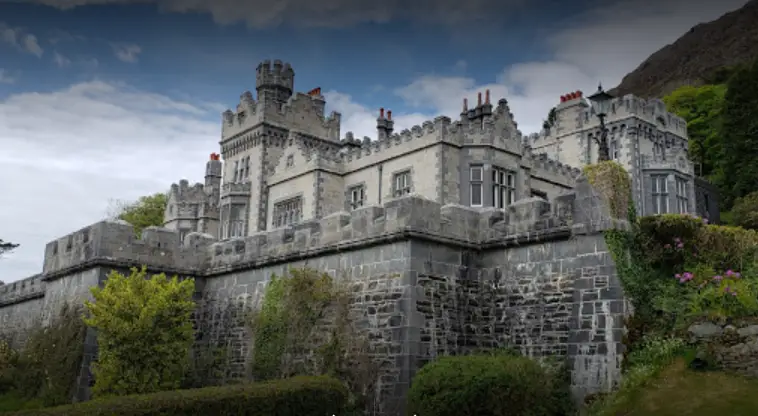
Most Visited Monuments in Ireland l Famous Monuments in Ireland
Ireland is an island nation and also one of the two major British Isles off of the coast of Western Europe set in the North Atlantic Ocean. The top monuments in Ireland exist in this beautiful island country and all … Continue reading
The post Most Visited Monuments in Ireland l Famous Monuments in Ireland appeared first on World Tour & Travel Guide, Get Travel Tips, Information, Discover Travel Destination | Adequate Travel.
Read More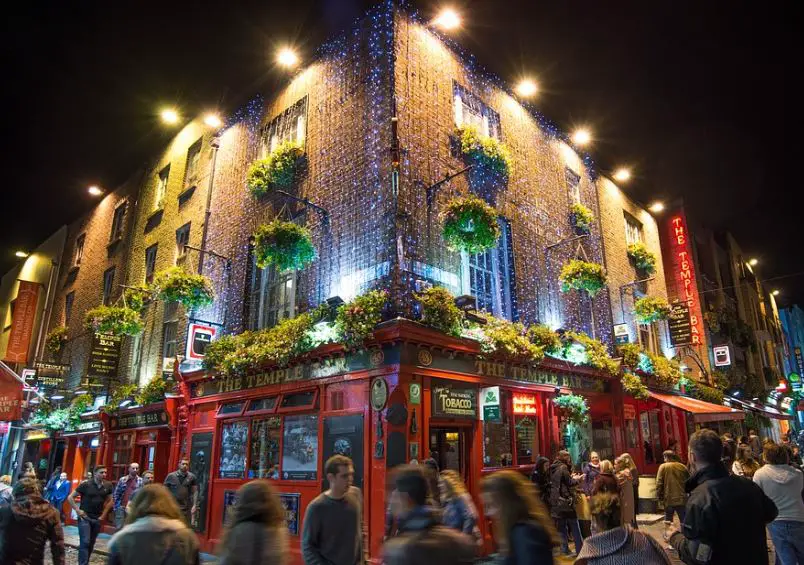
Best Cities in Ireland to Visit | Major Cities in Ireland
The cities of Ireland have a lot to offer visitors, from stunning scenery and quaint villages to bustling cities full of life. You will have heard of Dublin and Belfast. But why stop there? There are fantastic cities across the … Continue reading
The post Best Cities in Ireland to Visit | Major Cities in Ireland appeared first on World Tour & Travel Guide, Get Travel Tips, Information, Discover Travel Destination | Adequate Travel.
Read More
The Best but Unusual Places To See in Ireland
When most people think of Ireland they think of the Cliffs of Moher, Blarney Castle, and the Guinness Storehouse, but then this beautiful nation has so much more to offer! For those looking for off the beaten path attractions, these … Continue reading
The post The Best but Unusual Places To See in Ireland appeared first on World Tour & Travel Guide, Get Travel Tips, Information, Discover Travel Destination | Adequate Travel.
Read More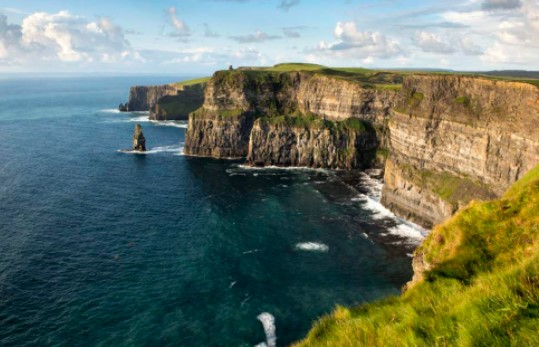
Updates on Travel Restriction in Ireland | Ireland During Covid-19
Ireland is a lively Northern Atlantic island country that is well known for its rich rebellious history, fossilized paleontological remains, pubs & lively nightlife. Surely it is the best destination to tour after a stressful pandemic year of 2020. Yet, … Continue reading
The post Updates on Travel Restriction in Ireland | Ireland During Covid-19 appeared first on World Tour & Travel Guide, Get Travel Tips, Information, Discover Travel Destination | Adequate Travel.
Read More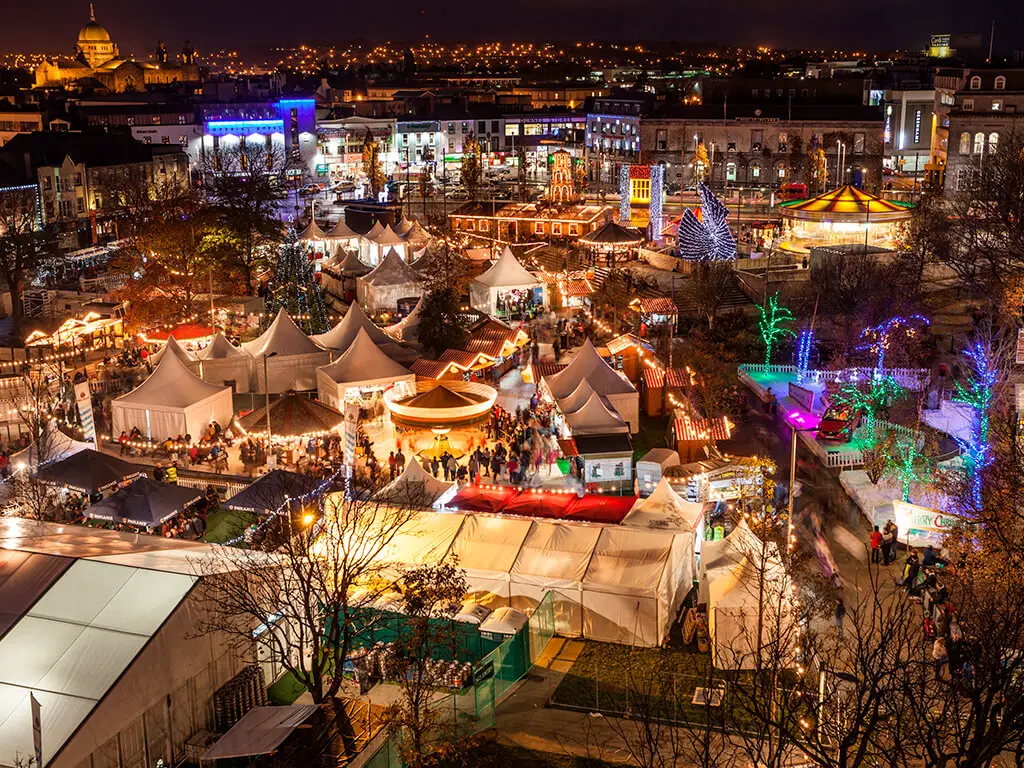
Top 10 Places to Visit in Ireland For Christmas 2021
Indeed! Irish winters are the most wonderful time of the year. Ireland is full of gorgeous looking and festive visits that any traveler mustn’t miss during Christmas. Cities offering unique items that are incredibly decorated shops are just magical. There … Continue reading
The post Top 10 Places to Visit in Ireland For Christmas 2021 appeared first on World Tour & Travel Guide, Get Travel Tips, Information, Discover Travel Destination | Adequate Travel.
Read More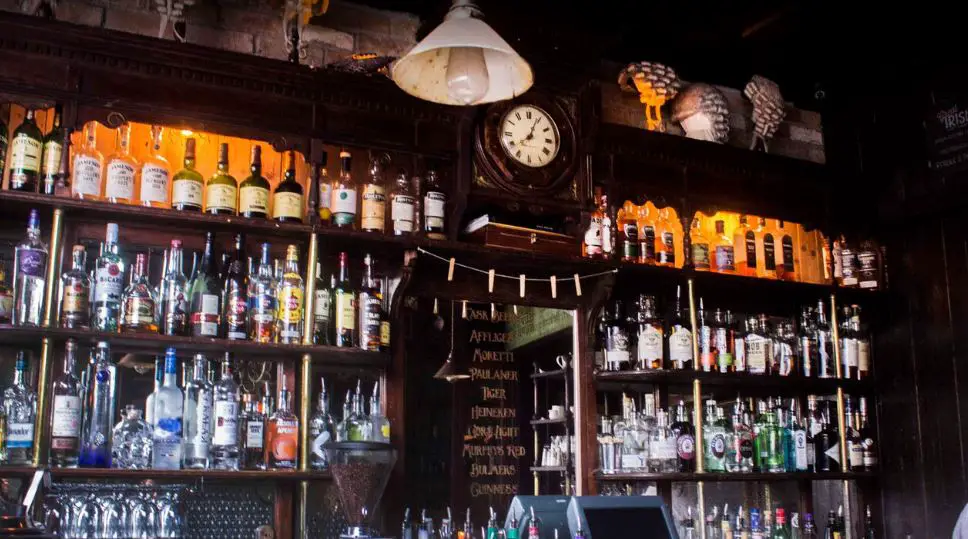
Top 8 best Cities for Nightlife in Ireland
Are you planning traveling Ireland? Confused about what to do? During the day, there are many places for you to sightsee but what about the night? Nightlife in Ireland is also thrilling and adventurous in major cities. The best cities … Continue reading
The post Top 8 best Cities for Nightlife in Ireland appeared first on World Tour & Travel Guide, Get Travel Tips, Information, Discover Travel Destination | Adequate Travel.
Read More