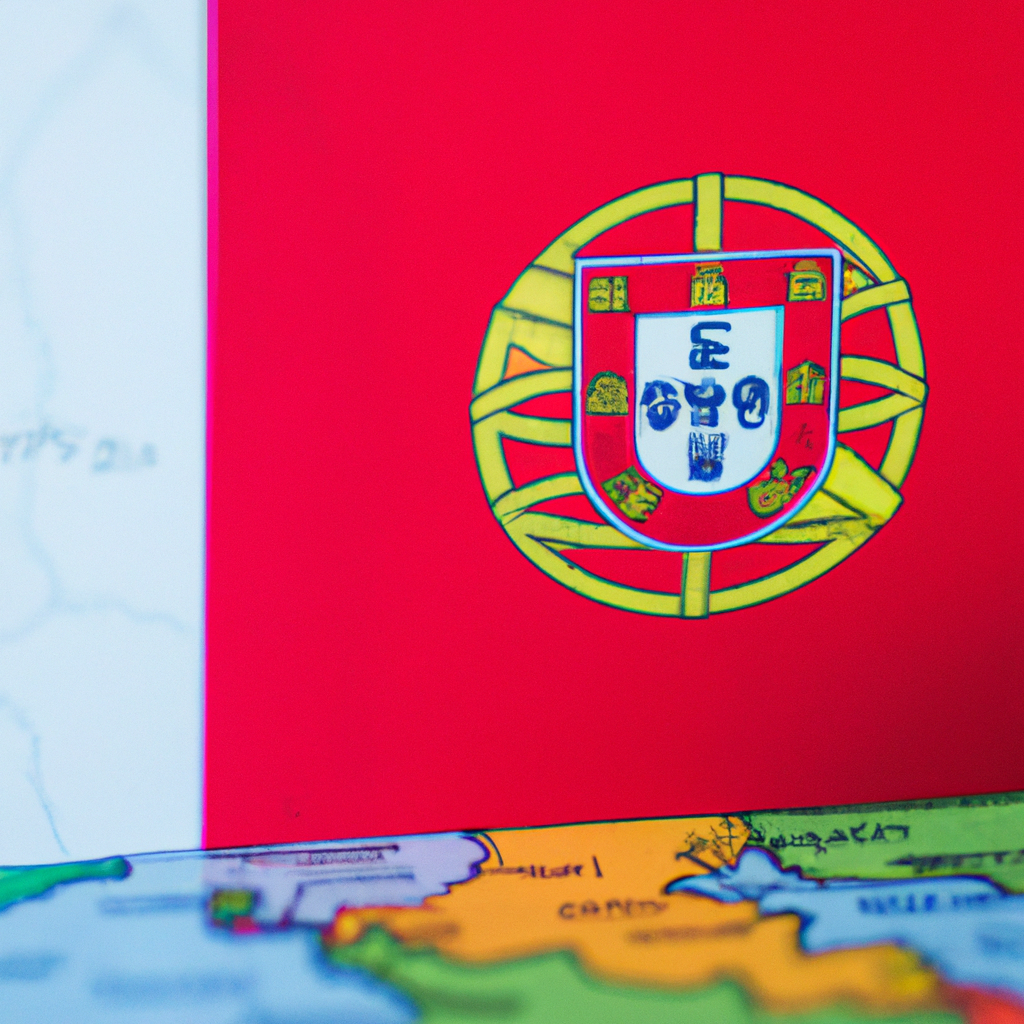
What is the history of the Alfama district?

Post ByAdequate Travel
Summary
The Alfama district of Lisbon, Portugal has been around for centuries, and it is as rich in history as it is in culture. Dive into the history of this picturesque, cobblestoned district and explore how it earned its place as one of the city's most important quarters and why it remains an unmissable attraction. Keep in mind that travel guidelines and travel rules may change anytime, so regularly check for updates to ensure a hassle-free and memorable travel experience.Origin and Early History
The Alfama district is one of the oldest and most traditional neighborhoods in Lisbon, Portugal. It was established during the Moorish period in the 8th century when the city was under Arab rule. The word "alfama" itself has Arabic origins, derived from al-hamma, which means "hot baths" or "fountains."
Moors and Reconquista
During the Moorish occupation, Alfama was a densely populated area, known for its intricate maze of narrow streets and alleyways. The district held great importance due to its strategic location, as it overlooked the Tagus River and provided defense to the city. However, in the 12th century, Lisbon was reclaimed by Christian forces during the Reconquista, and Alfama experienced significant changes.
Medieval Expansion and Jewish Quarter
After the Christian conquest, Alfama was expanded. The district became home to the city's aristocracy and nobility, who built grand mansions and palaces within its boundaries. Additionally, Alfama had a prominent Jewish community during the Middle Ages, with its own synagogue, shops, and schools.
Earthquake and Rebuilding
In 1755, a devastating earthquake hit Lisbon, causing widespread destruction across the city, including in Alfama. Many buildings were destroyed, and countless lives were lost. Despite the earthquake's devastation, the district was rebuilt, preserving its medieval layout and charm, with its narrow streets and historic buildings.
Fado and Cultural Significance
Alfama is considered the birthplace of Fado, a traditional Portuguese musical genre. Fado emerged in the 19th century as a way for the working-class residents of Alfama to express their emotions and experiences through songs. Today, Alfama is synonymous with Fado, and the district remains integral to the preservation and promotion of this musical tradition.
Transformation and Modernization
In recent decades, Alfama has undergone various transformations and modernization efforts. The district has become a popular tourist destination, attracting visitors with its historic architecture, traditional shops, restaurants, and viewpoints offering stunning panoramic views of Lisbon.
While preserving its cultural heritage, Alfama has also seen some urban renewal projects to improve its infrastructure and living conditions. However, efforts are made to maintain the district's unique character and ensure that its historical significance remains intact.
It's essential to stay updated with international travel information, especially when planning a foreign trip, to navigate any changes in travel advisory or travel warnings.Suggested Questions
You may also like
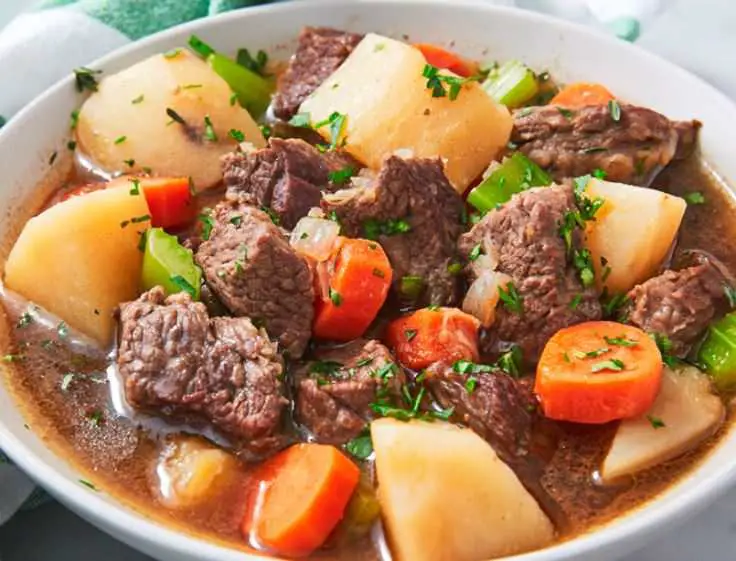
Top 10 Famous Food in Galway, Ireland | Best Foods to Eat in Galway
Galway is the harbor city of Ireland which holds a great diversity in Irish historic landmarks, seafood, and other authentic ancient cuisines. You can have the same basic cuisines being sold in the most expensive and cheapest Galway’s restaurants as … Continue reading
The post Top 10 Famous Food in Galway, Ireland | Best Foods to Eat in Galway appeared first on World Tour & Travel Guide, Get Travel Tips, Information, Discover Travel Destination | Adequate Travel.
Read More
Best Places for Shopping in Galway Ireland | Great Shopping Ideas for Galway
You might wonder Where to buy the best souvenirs or takeaways in Galway? when all your rides are either guided by your tour guides or google maps who shower you with tonnes of knowledge in which it’s so hard to … Continue reading
The post Best Places for Shopping in Galway Ireland | Great Shopping Ideas for Galway appeared first on World Tour & Travel Guide, Get Travel Tips, Information, Discover Travel Destination | Adequate Travel.
Read More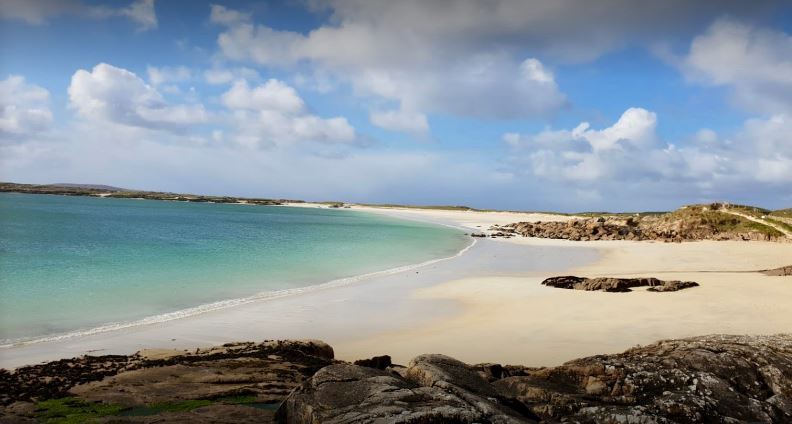
Best Beaches in Galway, Ireland | Beautiful Beaches to visit in Galway
Galway is among the famous port city of Ireland having myriad beautiful beaches all around its borders. Since Ireland experiences very chilly weather on major times of the year hence most areas of the beaches are special attractions only during … Continue reading
The post Best Beaches in Galway, Ireland | Beautiful Beaches to visit in Galway appeared first on World Tour & Travel Guide, Get Travel Tips, Information, Discover Travel Destination | Adequate Travel.
Read More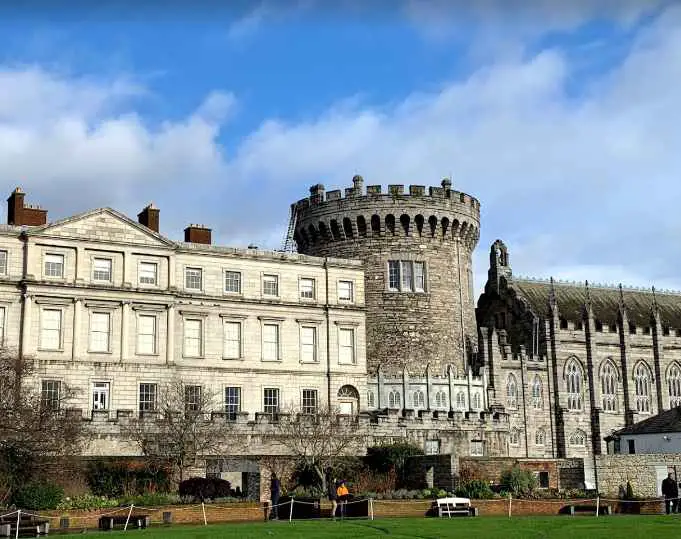
Most Visited Monuments in Dublin | Famous Monuments of Dublin, Ireland
Dublin is steeped in history and Irish heritage from the Guinness Storehouse to Dublin Castle. Monuments of Dublin have its fair share of history that honour the city and its citizens like every capital city. From Viking trading port to … Continue reading
The post Most Visited Monuments in Dublin | Famous Monuments of Dublin, Ireland appeared first on World Tour & Travel Guide, Get Travel Tips, Information, Discover Travel Destination | Adequate Travel.
Read More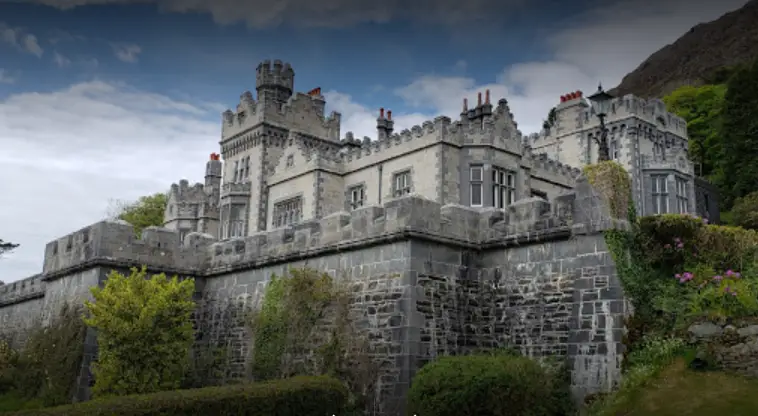
Most Visited Monuments in Ireland l Famous Monuments in Ireland
Ireland is an island nation and also one of the two major British Isles off of the coast of Western Europe set in the North Atlantic Ocean. The top monuments in Ireland exist in this beautiful island country and all … Continue reading
The post Most Visited Monuments in Ireland l Famous Monuments in Ireland appeared first on World Tour & Travel Guide, Get Travel Tips, Information, Discover Travel Destination | Adequate Travel.
Read More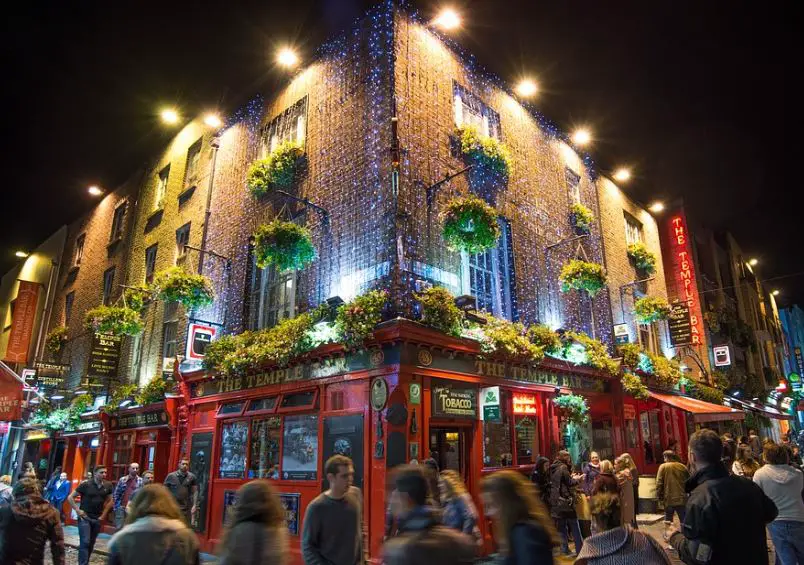
Best Cities in Ireland to Visit | Major Cities in Ireland
The cities of Ireland have a lot to offer visitors, from stunning scenery and quaint villages to bustling cities full of life. You will have heard of Dublin and Belfast. But why stop there? There are fantastic cities across the … Continue reading
The post Best Cities in Ireland to Visit | Major Cities in Ireland appeared first on World Tour & Travel Guide, Get Travel Tips, Information, Discover Travel Destination | Adequate Travel.
Read More
The Best but Unusual Places To See in Ireland
When most people think of Ireland they think of the Cliffs of Moher, Blarney Castle, and the Guinness Storehouse, but then this beautiful nation has so much more to offer! For those looking for off the beaten path attractions, these … Continue reading
The post The Best but Unusual Places To See in Ireland appeared first on World Tour & Travel Guide, Get Travel Tips, Information, Discover Travel Destination | Adequate Travel.
Read More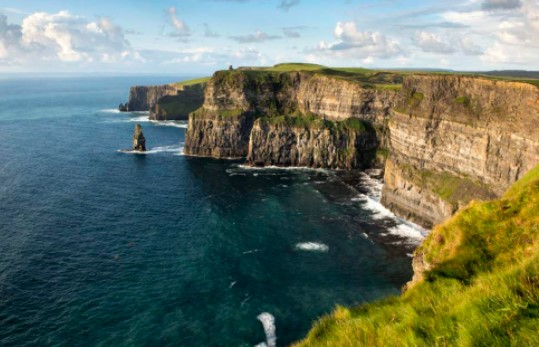
Updates on Travel Restriction in Ireland | Ireland During Covid-19
Ireland is a lively Northern Atlantic island country that is well known for its rich rebellious history, fossilized paleontological remains, pubs & lively nightlife. Surely it is the best destination to tour after a stressful pandemic year of 2020. Yet, … Continue reading
The post Updates on Travel Restriction in Ireland | Ireland During Covid-19 appeared first on World Tour & Travel Guide, Get Travel Tips, Information, Discover Travel Destination | Adequate Travel.
Read More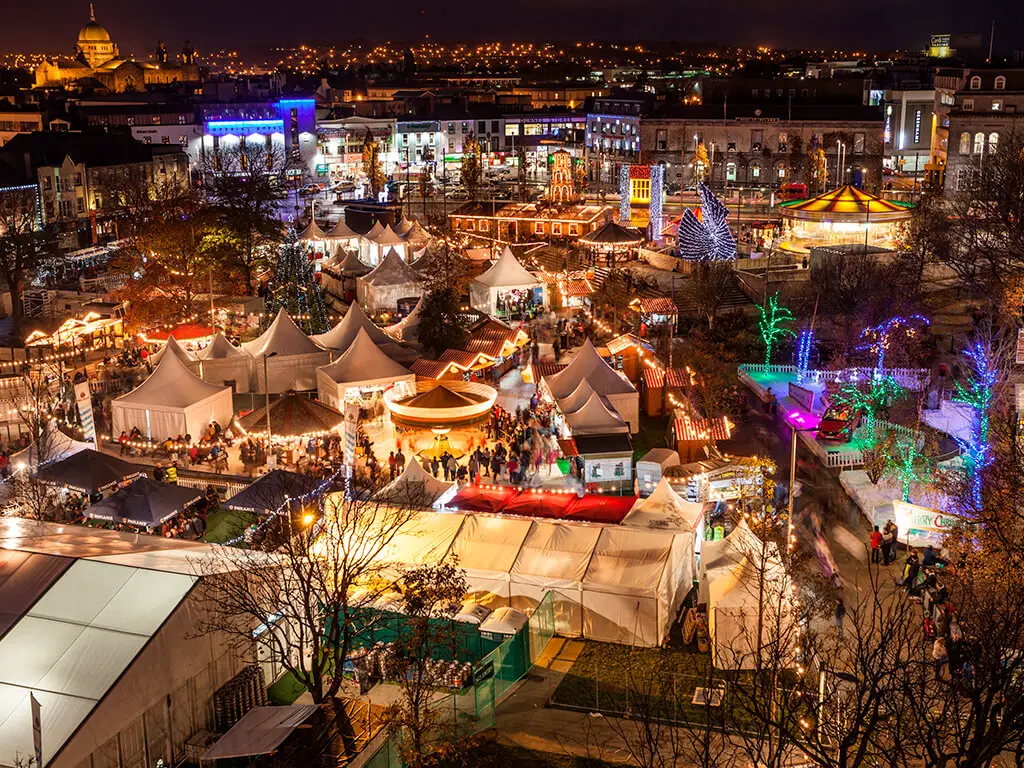
Top 10 Places to Visit in Ireland For Christmas 2021
Indeed! Irish winters are the most wonderful time of the year. Ireland is full of gorgeous looking and festive visits that any traveler mustn’t miss during Christmas. Cities offering unique items that are incredibly decorated shops are just magical. There … Continue reading
The post Top 10 Places to Visit in Ireland For Christmas 2021 appeared first on World Tour & Travel Guide, Get Travel Tips, Information, Discover Travel Destination | Adequate Travel.
Read More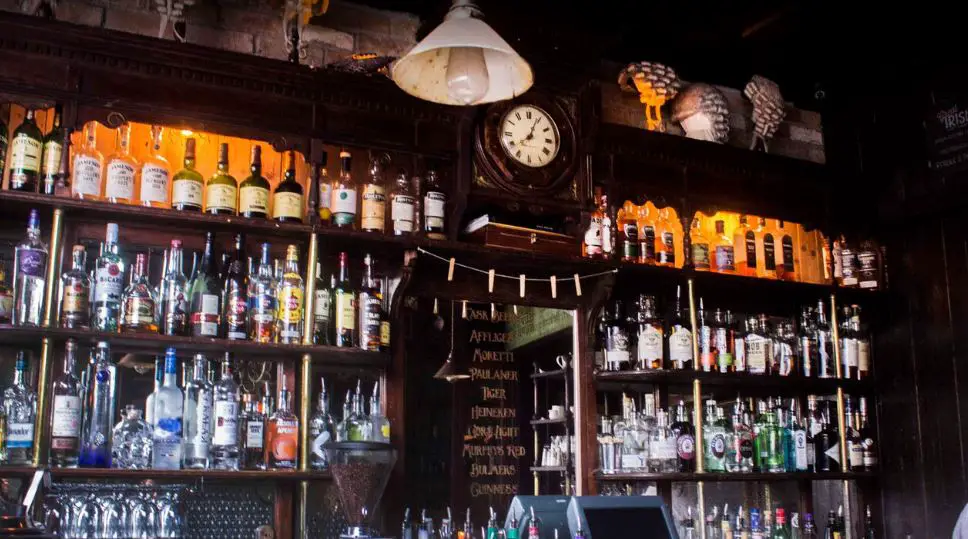
Top 8 best Cities for Nightlife in Ireland
Are you planning traveling Ireland? Confused about what to do? During the day, there are many places for you to sightsee but what about the night? Nightlife in Ireland is also thrilling and adventurous in major cities. The best cities … Continue reading
The post Top 8 best Cities for Nightlife in Ireland appeared first on World Tour & Travel Guide, Get Travel Tips, Information, Discover Travel Destination | Adequate Travel.
Read More