Culture and Etiquette: 36. What are some cultural norms and customs in Portugal?

Post ByAdequate Travel
Summary
Portugal is a country with a rich cultural history. From gastronomy to architecture, rituals to customs, Portugal is an amazing country to explore. In this blog post, we will take a look at some of the most prominent cultural norms and customs in Portugal that you should keep in mind when visiting the country. Before embarking on your journey to portugal, make sure to check the latest travel guidelines and entry requirements to ensure a smooth trip1. Greetings and Personal Space
Portuguese people are generally warm and friendly. Greetings are usually accompanied by a handshake, while close friends and family members may greet with a kiss on each cheek. Personal space is valued, and it is important to maintain a respectable distance when conversing.
2. Punctuality
Being punctual is highly valued in Portuguese culture. It is considered respectful to arrive on time for social gatherings, business meetings, and appointments. Arriving early is also seen as a positive trait.
3. Politeness and Courtesy
Politeness and respect are highly valued in Portuguese society. It is customary to use polite terms such as "por favor" (please) and "obrigado/obrigada" (thank you) in various interactions. Holding doors open, offering seats to the elderly, and giving way to others are also considered polite gestures.
4. Family Values
Family plays a central role in Portuguese culture. Traditionally, extended families live near each other and maintain close relationships. Sunday lunches, festive celebrations, and regular family gatherings are cherished customs.
5. Fado Music
Fado, a unique Portuguese music genre, holds deep cultural significance. It is characterized by mournful tunes and lyrics depicting longing, sadness, and love. Fado performances often take place in restaurants or dedicated Fado houses, providing an authentic cultural experience.
6. Respect for Seniors
The Portuguese show great respect for seniors, emphasizing the importance of their wisdom and experience. It is customary to address older individuals with formal titles (such as "senhor" for a man and "senhora" for a woman) as a sign of respect.
7. Mealtime Traditions
Portuguese meals are viewed as a social event, often involving close-knit family and friends. Traditional Portuguese cuisine, such as bacalhau (salted codfish) and pastéis de nata (custard tarts), is highly regarded. It is customary to start meals with a toast or a simple "bom apetite" (enjoy your meal).
8. Festivals and Celebrations
Portugal is known for its rich tradition of festivals and celebrations throughout the year. Notable events include the Carnival, Festa de São João (St. John's Festival), and Festa dos Tabuleiros (Festival of Trays). These events often involve colorful parades, traditional costumes, music, and regional delicacies.
9. Religious Influence
Religion, particularly Catholicism, has a strong influence on Portuguese culture. Many traditional customs, festivals, and holidays are deeply rooted in religious practices. It is important to respect religious sites and customs, such as covering shoulders and knees when visiting churches.
10. Soccer Passion
Soccer (or futebol) holds immense popularity in Portugal. Watching and discussing soccer is a common pastime, and locals are passionate supporters of their favorite teams. Sporting events spark excitement and unity within communities.
These cultural norms and customs showcase the unique and vibrant aspects of Portuguese life, fostering a sense of tradition, community, and respect.As you prepare for your journey, familiarize yourself with the specific entry requirements, including any necessary visas or documentation.Suggested Questions
You may also like
Top 10 Famous Food in Galway, Ireland | Best Foods to Eat in Galway
Galway is the harbor city of Ireland which holds a great diversity in Irish historic landmarks, seafood, and other authentic ancient cuisines. You can have the same basic cuisines being sold in the most expensive and cheapest Galway’s restaurants as … Continue reading
The post Top 10 Famous Food in Galway, Ireland | Best Foods to Eat in Galway appeared first on World Tour & Travel Guide, Get Travel Tips, Information, Discover Travel Destination | Adequate Travel.
Read More
Best Places for Shopping in Galway Ireland | Great Shopping Ideas for Galway
You might wonder Where to buy the best souvenirs or takeaways in Galway? when all your rides are either guided by your tour guides or google maps who shower you with tonnes of knowledge in which it’s so hard to … Continue reading
The post Best Places for Shopping in Galway Ireland | Great Shopping Ideas for Galway appeared first on World Tour & Travel Guide, Get Travel Tips, Information, Discover Travel Destination | Adequate Travel.
Read More
Best Beaches in Galway, Ireland | Beautiful Beaches to visit in Galway
Galway is among the famous port city of Ireland having myriad beautiful beaches all around its borders. Since Ireland experiences very chilly weather on major times of the year hence most areas of the beaches are special attractions only during … Continue reading
The post Best Beaches in Galway, Ireland | Beautiful Beaches to visit in Galway appeared first on World Tour & Travel Guide, Get Travel Tips, Information, Discover Travel Destination | Adequate Travel.
Read More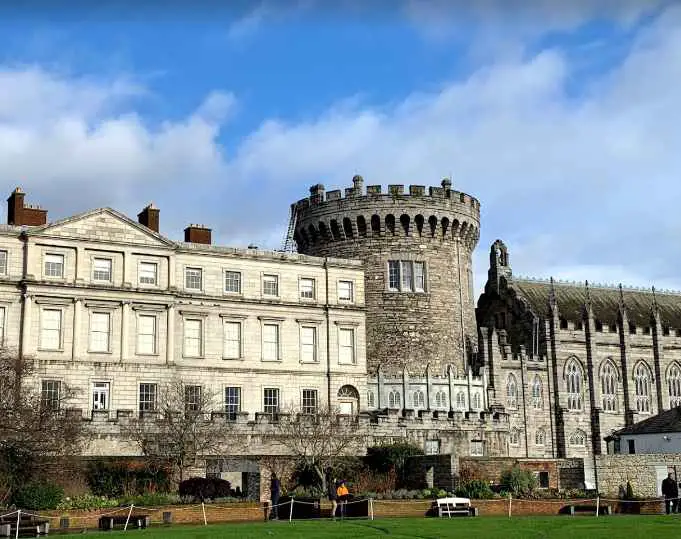
Most Visited Monuments in Dublin | Famous Monuments of Dublin, Ireland
Dublin is steeped in history and Irish heritage from the Guinness Storehouse to Dublin Castle. Monuments of Dublin have its fair share of history that honour the city and its citizens like every capital city. From Viking trading port to … Continue reading
The post Most Visited Monuments in Dublin | Famous Monuments of Dublin, Ireland appeared first on World Tour & Travel Guide, Get Travel Tips, Information, Discover Travel Destination | Adequate Travel.
Read More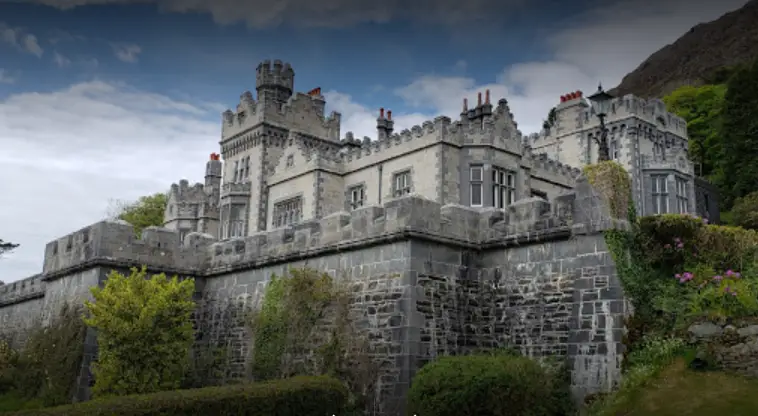
Most Visited Monuments in Ireland l Famous Monuments in Ireland
Ireland is an island nation and also one of the two major British Isles off of the coast of Western Europe set in the North Atlantic Ocean. The top monuments in Ireland exist in this beautiful island country and all … Continue reading
The post Most Visited Monuments in Ireland l Famous Monuments in Ireland appeared first on World Tour & Travel Guide, Get Travel Tips, Information, Discover Travel Destination | Adequate Travel.
Read More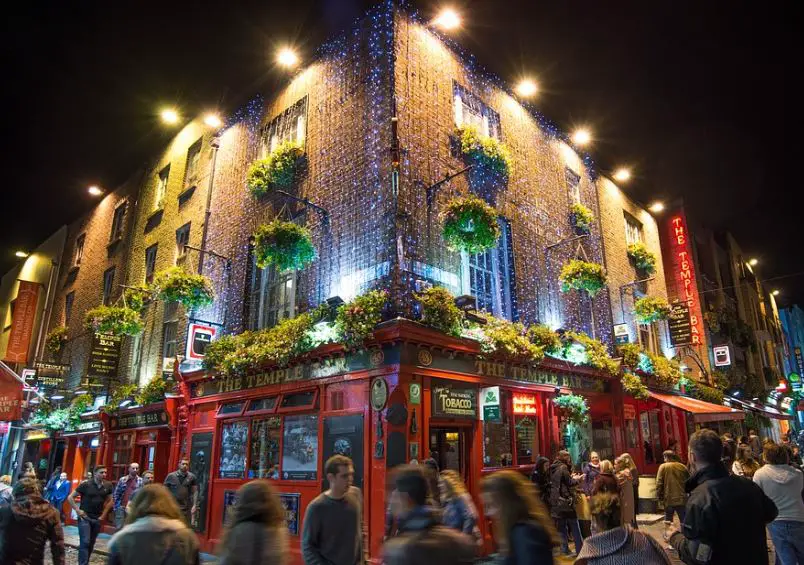
Best Cities in Ireland to Visit | Major Cities in Ireland
The cities of Ireland have a lot to offer visitors, from stunning scenery and quaint villages to bustling cities full of life. You will have heard of Dublin and Belfast. But why stop there? There are fantastic cities across the … Continue reading
The post Best Cities in Ireland to Visit | Major Cities in Ireland appeared first on World Tour & Travel Guide, Get Travel Tips, Information, Discover Travel Destination | Adequate Travel.
Read More
The Best but Unusual Places To See in Ireland
When most people think of Ireland they think of the Cliffs of Moher, Blarney Castle, and the Guinness Storehouse, but then this beautiful nation has so much more to offer! For those looking for off the beaten path attractions, these … Continue reading
The post The Best but Unusual Places To See in Ireland appeared first on World Tour & Travel Guide, Get Travel Tips, Information, Discover Travel Destination | Adequate Travel.
Read More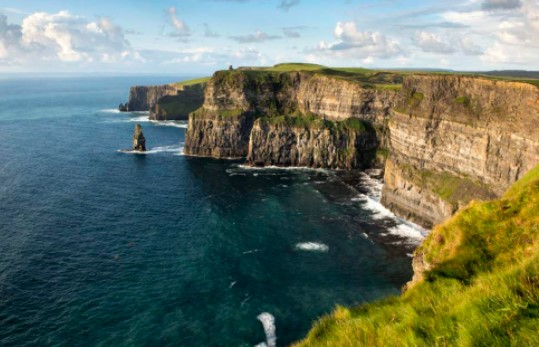
Updates on Travel Restriction in Ireland | Ireland During Covid-19
Ireland is a lively Northern Atlantic island country that is well known for its rich rebellious history, fossilized paleontological remains, pubs & lively nightlife. Surely it is the best destination to tour after a stressful pandemic year of 2020. Yet, … Continue reading
The post Updates on Travel Restriction in Ireland | Ireland During Covid-19 appeared first on World Tour & Travel Guide, Get Travel Tips, Information, Discover Travel Destination | Adequate Travel.
Read More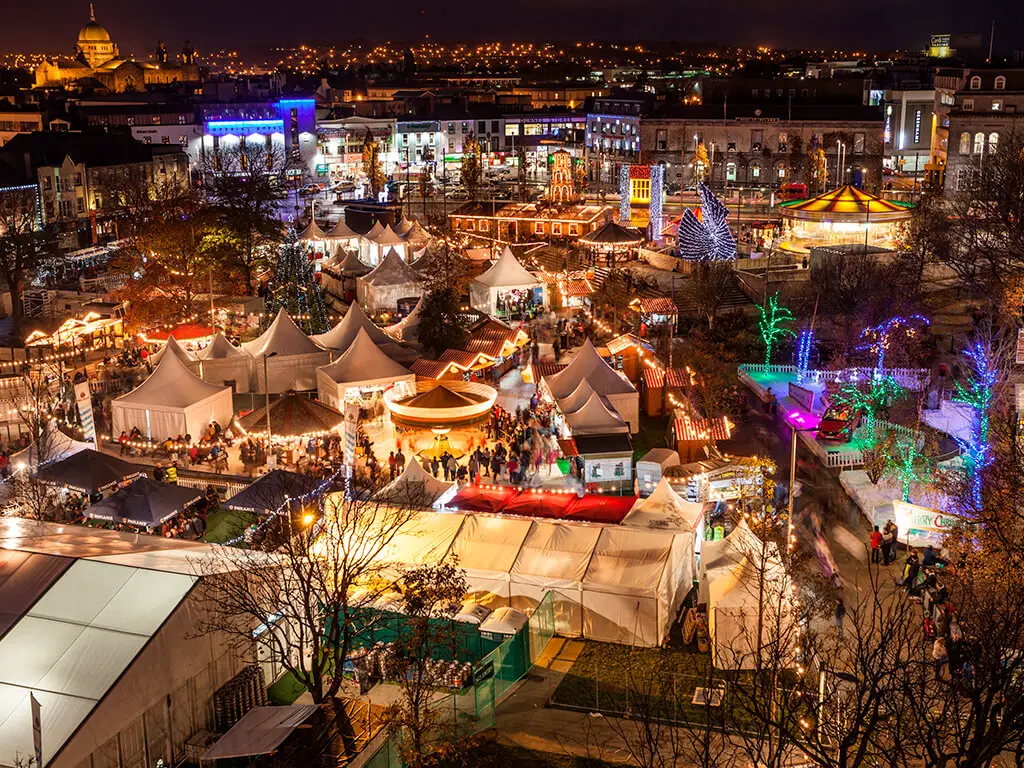
Top 10 Places to Visit in Ireland For Christmas 2021
Indeed! Irish winters are the most wonderful time of the year. Ireland is full of gorgeous looking and festive visits that any traveler mustn’t miss during Christmas. Cities offering unique items that are incredibly decorated shops are just magical. There … Continue reading
The post Top 10 Places to Visit in Ireland For Christmas 2021 appeared first on World Tour & Travel Guide, Get Travel Tips, Information, Discover Travel Destination | Adequate Travel.
Read More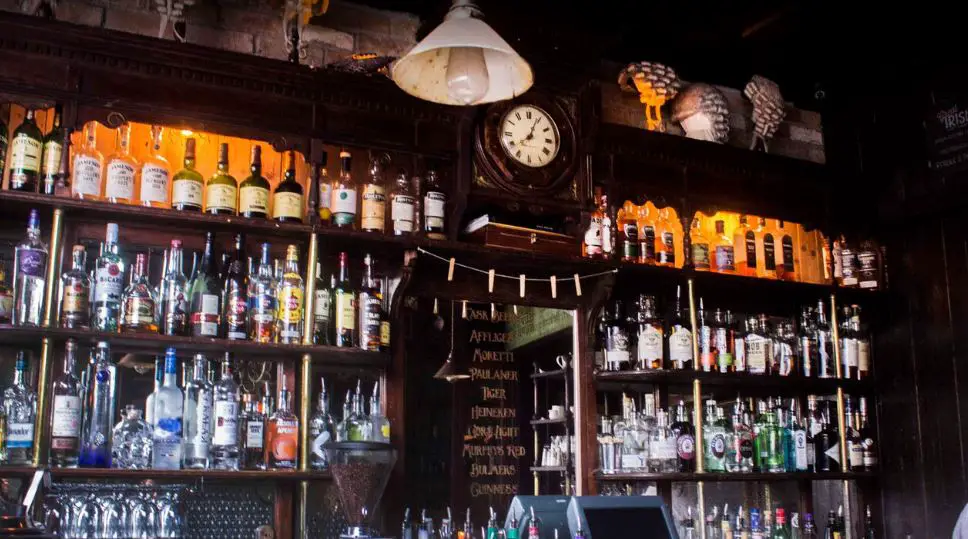
Top 8 best Cities for Nightlife in Ireland
Are you planning traveling Ireland? Confused about what to do? During the day, there are many places for you to sightsee but what about the night? Nightlife in Ireland is also thrilling and adventurous in major cities. The best cities … Continue reading
The post Top 8 best Cities for Nightlife in Ireland appeared first on World Tour & Travel Guide, Get Travel Tips, Information, Discover Travel Destination | Adequate Travel.
Read More