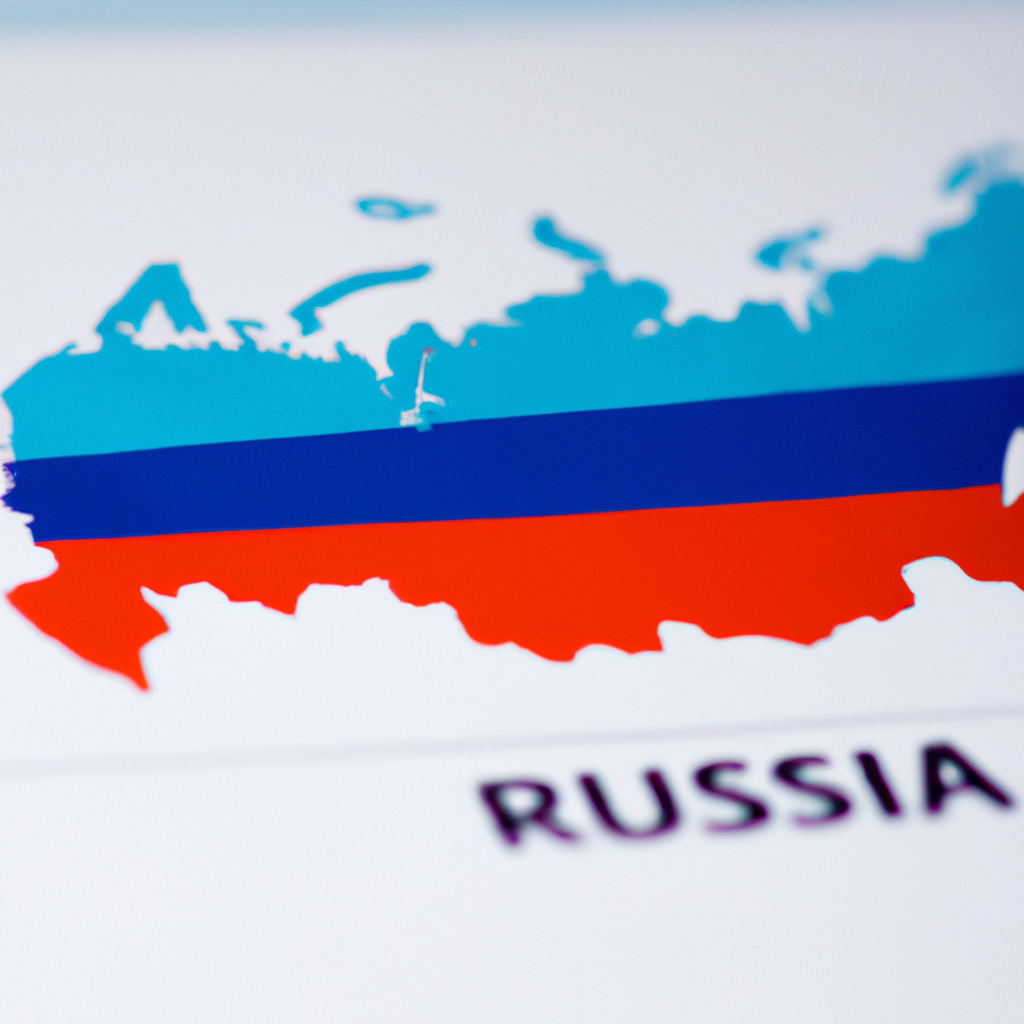
What is the weather like in Russia during different seasons?

Post ByAdequate Travel
Summary
In Russia, you can experience everything from long chilly winters to warm, humid summers. Find out what weather conditions to expect during each season in this blog post so you can plan your visit accordingly! Stay informed about any travel restrictions or travel rules in place, as they may vary depending on your destination within the country.Weather in Russia during different seasons:
1. Winter (December to February):
- In the winter season, most parts of Russia experience extremely cold weather with heavy snowfall.
- The temperature can drop to as low as -30 degrees Celsius (-22 degrees Fahrenheit) in cities like Moscow and St. Petersburg.
- Siberia, located in eastern Russia, is known for its frigid winters with temperatures reaching as low as -50 degrees Celsius (-58 degrees Fahrenheit).
- The winter season in Russia is known for its long nights and shorter days.
2. Spring (March to May):
- Spring in Russia is a transitional season with varying weather conditions.
- In March, the weather is still cold, with snow melting gradually.
- April and May witness a gradual increase in temperature, and days become longer.
- Spring showers are common during this time, and the countryside experiences beautiful blooming flowers.
3. Summer (June to August):
- Summers in Russia are relatively short but can be quite warm, especially in central and southern regions.
- Moscow and St. Petersburg experience average temperatures of around 20-25 degrees Celsius (68-77 degrees Fahrenheit).
- However, in southern areas such as Sochi or Volgograd, temperatures can soar as high as 35 degrees Celsius (95 degrees Fahrenheit) or more.
- The summer season in Russia is characterized by the "White Nights" phenomenon in St. Petersburg, where the sun does not fully set, resulting in extended daylight hours.
4. Autumn (September to November):
- Autumn in Russia brings cooler temperatures and vibrant colors as the leaves change.
- September is generally mild, with temperatures gradually dropping.
- October witnesses colder weather, and by November, temperatures can range between 0 to 5 degrees Celsius (32 to 41 degrees Fahrenheit).
- Rainfall is common during the autumn season.
- The northern regions, like Murmansk, experience earlier snowfall due to their proximity to the Arctic Circle.
Note: It's important to remember that Russia is the largest country in the world, spanning eleven time zones and a diverse range of climates. The weather conditions mentioned above are generalizations, and regional variations may exist.Keep in mind that travel guidelines and travel rules may change anytime, so regularly check for updates to ensure a hassle-free and memorable travel experience.Suggested Questions
You may also like
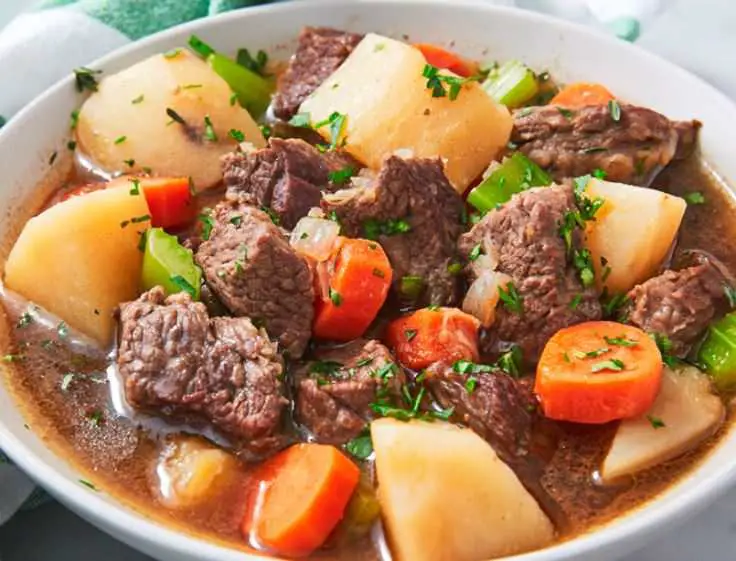
Top 10 Famous Food in Galway, Ireland | Best Foods to Eat in Galway
Galway is the harbor city of Ireland which holds a great diversity in Irish historic landmarks, seafood, and other authentic ancient cuisines. You can have the same basic cuisines being sold in the most expensive and cheapest Galway’s restaurants as … Continue reading
The post Top 10 Famous Food in Galway, Ireland | Best Foods to Eat in Galway appeared first on World Tour & Travel Guide, Get Travel Tips, Information, Discover Travel Destination | Adequate Travel.
Read More
Best Places for Shopping in Galway Ireland | Great Shopping Ideas for Galway
You might wonder Where to buy the best souvenirs or takeaways in Galway? when all your rides are either guided by your tour guides or google maps who shower you with tonnes of knowledge in which it’s so hard to … Continue reading
The post Best Places for Shopping in Galway Ireland | Great Shopping Ideas for Galway appeared first on World Tour & Travel Guide, Get Travel Tips, Information, Discover Travel Destination | Adequate Travel.
Read More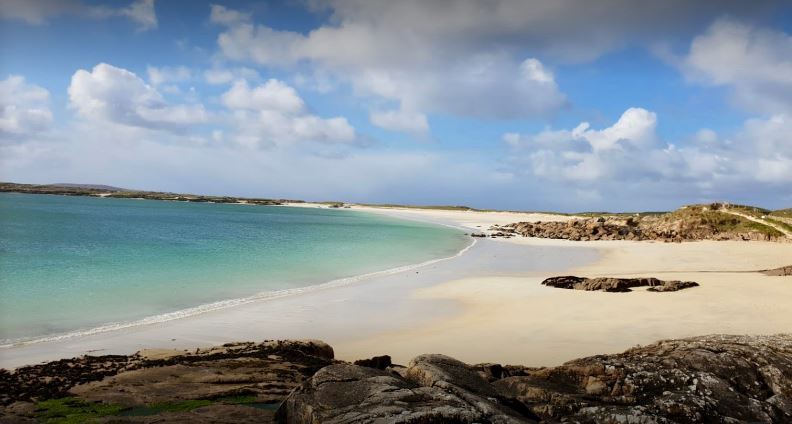
Best Beaches in Galway, Ireland | Beautiful Beaches to visit in Galway
Galway is among the famous port city of Ireland having myriad beautiful beaches all around its borders. Since Ireland experiences very chilly weather on major times of the year hence most areas of the beaches are special attractions only during … Continue reading
The post Best Beaches in Galway, Ireland | Beautiful Beaches to visit in Galway appeared first on World Tour & Travel Guide, Get Travel Tips, Information, Discover Travel Destination | Adequate Travel.
Read More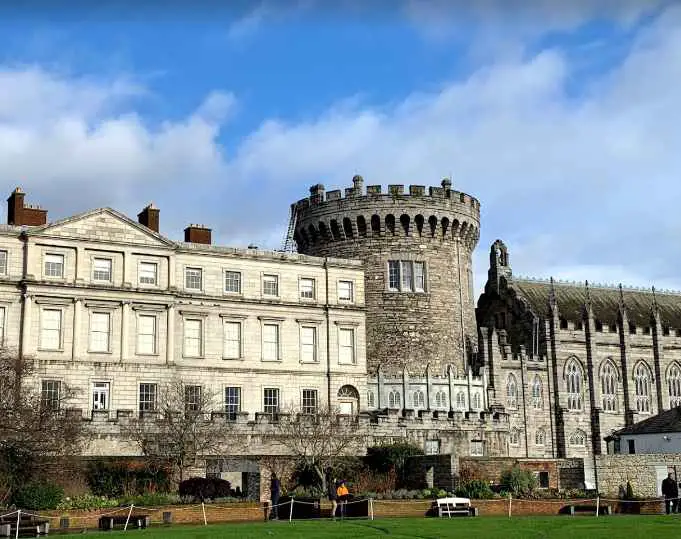
Most Visited Monuments in Dublin | Famous Monuments of Dublin, Ireland
Dublin is steeped in history and Irish heritage from the Guinness Storehouse to Dublin Castle. Monuments of Dublin have its fair share of history that honour the city and its citizens like every capital city. From Viking trading port to … Continue reading
The post Most Visited Monuments in Dublin | Famous Monuments of Dublin, Ireland appeared first on World Tour & Travel Guide, Get Travel Tips, Information, Discover Travel Destination | Adequate Travel.
Read More
Most Visited Monuments in Ireland l Famous Monuments in Ireland
Ireland is an island nation and also one of the two major British Isles off of the coast of Western Europe set in the North Atlantic Ocean. The top monuments in Ireland exist in this beautiful island country and all … Continue reading
The post Most Visited Monuments in Ireland l Famous Monuments in Ireland appeared first on World Tour & Travel Guide, Get Travel Tips, Information, Discover Travel Destination | Adequate Travel.
Read More
Best Cities in Ireland to Visit | Major Cities in Ireland
The cities of Ireland have a lot to offer visitors, from stunning scenery and quaint villages to bustling cities full of life. You will have heard of Dublin and Belfast. But why stop there? There are fantastic cities across the … Continue reading
The post Best Cities in Ireland to Visit | Major Cities in Ireland appeared first on World Tour & Travel Guide, Get Travel Tips, Information, Discover Travel Destination | Adequate Travel.
Read More
The Best but Unusual Places To See in Ireland
When most people think of Ireland they think of the Cliffs of Moher, Blarney Castle, and the Guinness Storehouse, but then this beautiful nation has so much more to offer! For those looking for off the beaten path attractions, these … Continue reading
The post The Best but Unusual Places To See in Ireland appeared first on World Tour & Travel Guide, Get Travel Tips, Information, Discover Travel Destination | Adequate Travel.
Read More
Updates on Travel Restriction in Ireland | Ireland During Covid-19
Ireland is a lively Northern Atlantic island country that is well known for its rich rebellious history, fossilized paleontological remains, pubs & lively nightlife. Surely it is the best destination to tour after a stressful pandemic year of 2020. Yet, … Continue reading
The post Updates on Travel Restriction in Ireland | Ireland During Covid-19 appeared first on World Tour & Travel Guide, Get Travel Tips, Information, Discover Travel Destination | Adequate Travel.
Read More
Top 10 Places to Visit in Ireland For Christmas 2021
Indeed! Irish winters are the most wonderful time of the year. Ireland is full of gorgeous looking and festive visits that any traveler mustn’t miss during Christmas. Cities offering unique items that are incredibly decorated shops are just magical. There … Continue reading
The post Top 10 Places to Visit in Ireland For Christmas 2021 appeared first on World Tour & Travel Guide, Get Travel Tips, Information, Discover Travel Destination | Adequate Travel.
Read More
Top 8 best Cities for Nightlife in Ireland
Are you planning traveling Ireland? Confused about what to do? During the day, there are many places for you to sightsee but what about the night? Nightlife in Ireland is also thrilling and adventurous in major cities. The best cities … Continue reading
The post Top 8 best Cities for Nightlife in Ireland appeared first on World Tour & Travel Guide, Get Travel Tips, Information, Discover Travel Destination | Adequate Travel.
Read More