
Can I visit nature reserves and conservation areas?

Post ByAdequate Travel
Summary
Yes, you can! Enjoy all the beauty and bounty of nature reserves and conservation areas without damaging delicate ecosystems. Learn more about the benefits of visiting these special places and how you can make sure to be a responsible traveler. As you prepare for your journey, familiarize yourself with the specific entry requirements, including any necessary visas or documentation.Yes, you can visit nature reserves and conservation areas.
Here are some reasons why you should visit these areas:
1. Connecting with nature:
Visiting nature reserves and conservation areas allows you to immerse yourself in the beauty and tranquility of the natural world. It offers a break from the hustle and bustle of daily life and allows you to reconnect with nature.
2. Biodiversity:
These areas are often home to a wide variety of plants and animals. By visiting them, you can witness diverse ecosystems, observe wildlife, and learn about different species.
3. Educational opportunities:
Nature reserves and conservation areas often provide educational programs, guided tours, and informational signage. These resources can help you learn more about the environment, conservation efforts, and sustainable practices.
4. Recreation and outdoor activities:
Many nature reserves and conservation areas offer recreational opportunities such as hiking, birdwatching, camping, and photography. These activities allow you to engage with the outdoors while enjoying physical exercise and relaxation.
5. Supporting conservation initiatives:
By visiting these areas and paying entry fees, you contribute to their funding and maintenance. This helps support conservation efforts, habitat restoration, protection of endangered species, and environmental sustainability.
Examples of nature reserves and conservation areas:
- Kruger National Park in South Africa: Known for its diverse wildlife, including elephants, lions, and rhinos.
- The Great Barrier Reef Marine Park in Australia: A UNESCO World Heritage Site known for its rich marine life and coral reefs.
- Serengeti National Park in Tanzania: Famous for the annual wildebeest migration and its vast savannah ecosystem.
- Yellowstone National Park in the United States: The first national park in the U.S. and home to geysers, hot springs, and a range of wildlife.
- Borneo Rainforest in Malaysia: One of the oldest rainforests in the world, housing diverse plant and animal species, including orangutans.
Note: The specific availability of activities and access to nature reserves and conservation areas may vary based on local regulations, seasons, and individual park policies. It is advisable to check with the respective authorities before planning your visit.As you prepare for your journey, familiarize yourself with the specific entry requirements, including any necessary visas or documentation.Suggested Questions
You may also like
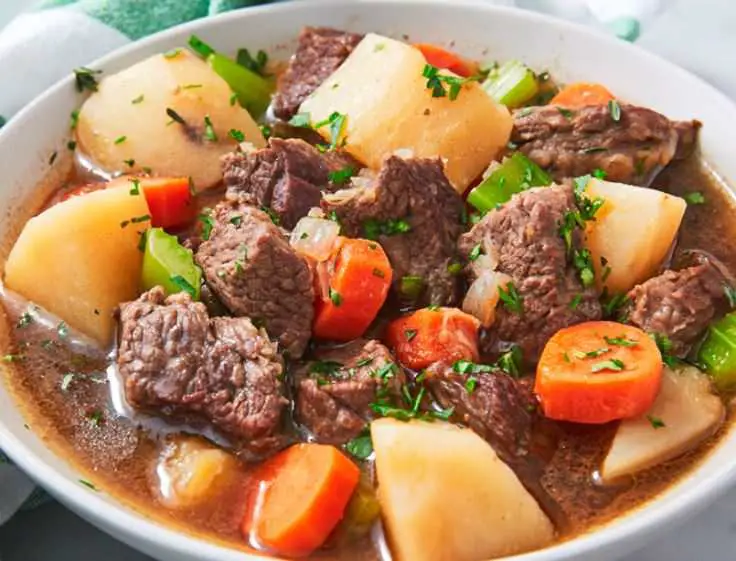
Top 10 Famous Food in Galway, Ireland | Best Foods to Eat in Galway
Galway is the harbor city of Ireland which holds a great diversity in Irish historic landmarks, seafood, and other authentic ancient cuisines. You can have the same basic cuisines being sold in the most expensive and cheapest Galway’s restaurants as … Continue reading
The post Top 10 Famous Food in Galway, Ireland | Best Foods to Eat in Galway appeared first on World Tour & Travel Guide, Get Travel Tips, Information, Discover Travel Destination | Adequate Travel.
Read More
Best Places for Shopping in Galway Ireland | Great Shopping Ideas for Galway
You might wonder Where to buy the best souvenirs or takeaways in Galway? when all your rides are either guided by your tour guides or google maps who shower you with tonnes of knowledge in which it’s so hard to … Continue reading
The post Best Places for Shopping in Galway Ireland | Great Shopping Ideas for Galway appeared first on World Tour & Travel Guide, Get Travel Tips, Information, Discover Travel Destination | Adequate Travel.
Read More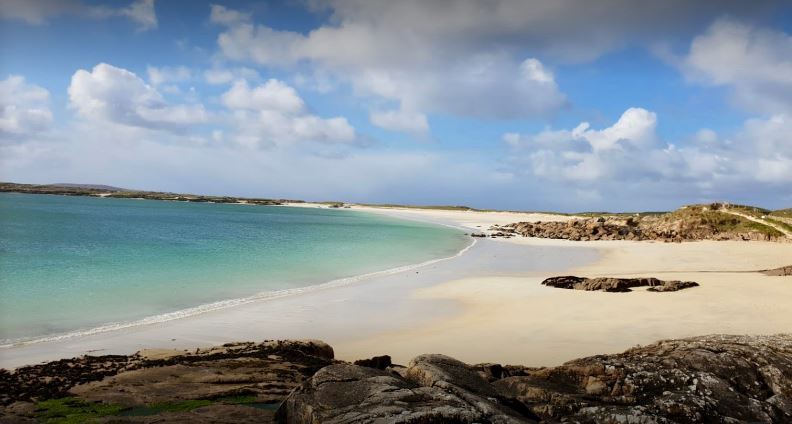
Best Beaches in Galway, Ireland | Beautiful Beaches to visit in Galway
Galway is among the famous port city of Ireland having myriad beautiful beaches all around its borders. Since Ireland experiences very chilly weather on major times of the year hence most areas of the beaches are special attractions only during … Continue reading
The post Best Beaches in Galway, Ireland | Beautiful Beaches to visit in Galway appeared first on World Tour & Travel Guide, Get Travel Tips, Information, Discover Travel Destination | Adequate Travel.
Read More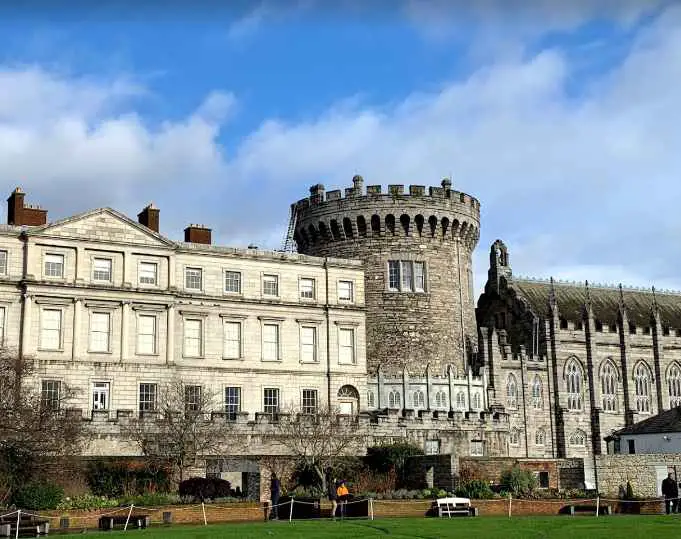
Most Visited Monuments in Dublin | Famous Monuments of Dublin, Ireland
Dublin is steeped in history and Irish heritage from the Guinness Storehouse to Dublin Castle. Monuments of Dublin have its fair share of history that honour the city and its citizens like every capital city. From Viking trading port to … Continue reading
The post Most Visited Monuments in Dublin | Famous Monuments of Dublin, Ireland appeared first on World Tour & Travel Guide, Get Travel Tips, Information, Discover Travel Destination | Adequate Travel.
Read More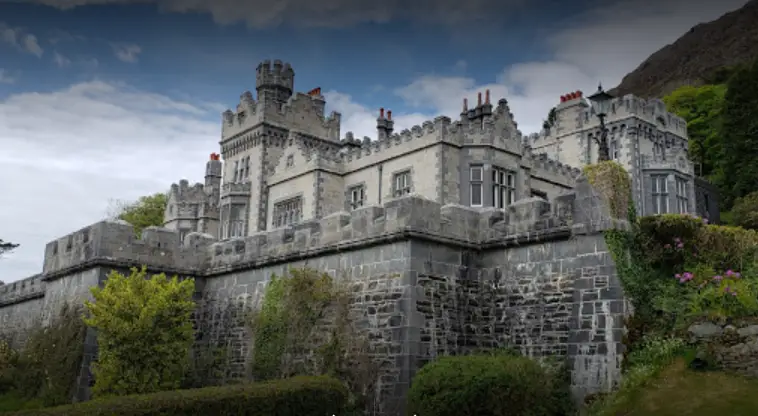
Most Visited Monuments in Ireland l Famous Monuments in Ireland
Ireland is an island nation and also one of the two major British Isles off of the coast of Western Europe set in the North Atlantic Ocean. The top monuments in Ireland exist in this beautiful island country and all … Continue reading
The post Most Visited Monuments in Ireland l Famous Monuments in Ireland appeared first on World Tour & Travel Guide, Get Travel Tips, Information, Discover Travel Destination | Adequate Travel.
Read More
Best Cities in Ireland to Visit | Major Cities in Ireland
The cities of Ireland have a lot to offer visitors, from stunning scenery and quaint villages to bustling cities full of life. You will have heard of Dublin and Belfast. But why stop there? There are fantastic cities across the … Continue reading
The post Best Cities in Ireland to Visit | Major Cities in Ireland appeared first on World Tour & Travel Guide, Get Travel Tips, Information, Discover Travel Destination | Adequate Travel.
Read More
The Best but Unusual Places To See in Ireland
When most people think of Ireland they think of the Cliffs of Moher, Blarney Castle, and the Guinness Storehouse, but then this beautiful nation has so much more to offer! For those looking for off the beaten path attractions, these … Continue reading
The post The Best but Unusual Places To See in Ireland appeared first on World Tour & Travel Guide, Get Travel Tips, Information, Discover Travel Destination | Adequate Travel.
Read More
Updates on Travel Restriction in Ireland | Ireland During Covid-19
Ireland is a lively Northern Atlantic island country that is well known for its rich rebellious history, fossilized paleontological remains, pubs & lively nightlife. Surely it is the best destination to tour after a stressful pandemic year of 2020. Yet, … Continue reading
The post Updates on Travel Restriction in Ireland | Ireland During Covid-19 appeared first on World Tour & Travel Guide, Get Travel Tips, Information, Discover Travel Destination | Adequate Travel.
Read More
Top 10 Places to Visit in Ireland For Christmas 2021
Indeed! Irish winters are the most wonderful time of the year. Ireland is full of gorgeous looking and festive visits that any traveler mustn’t miss during Christmas. Cities offering unique items that are incredibly decorated shops are just magical. There … Continue reading
The post Top 10 Places to Visit in Ireland For Christmas 2021 appeared first on World Tour & Travel Guide, Get Travel Tips, Information, Discover Travel Destination | Adequate Travel.
Read More
Top 8 best Cities for Nightlife in Ireland
Are you planning traveling Ireland? Confused about what to do? During the day, there are many places for you to sightsee but what about the night? Nightlife in Ireland is also thrilling and adventurous in major cities. The best cities … Continue reading
The post Top 8 best Cities for Nightlife in Ireland appeared first on World Tour & Travel Guide, Get Travel Tips, Information, Discover Travel Destination | Adequate Travel.
Read More