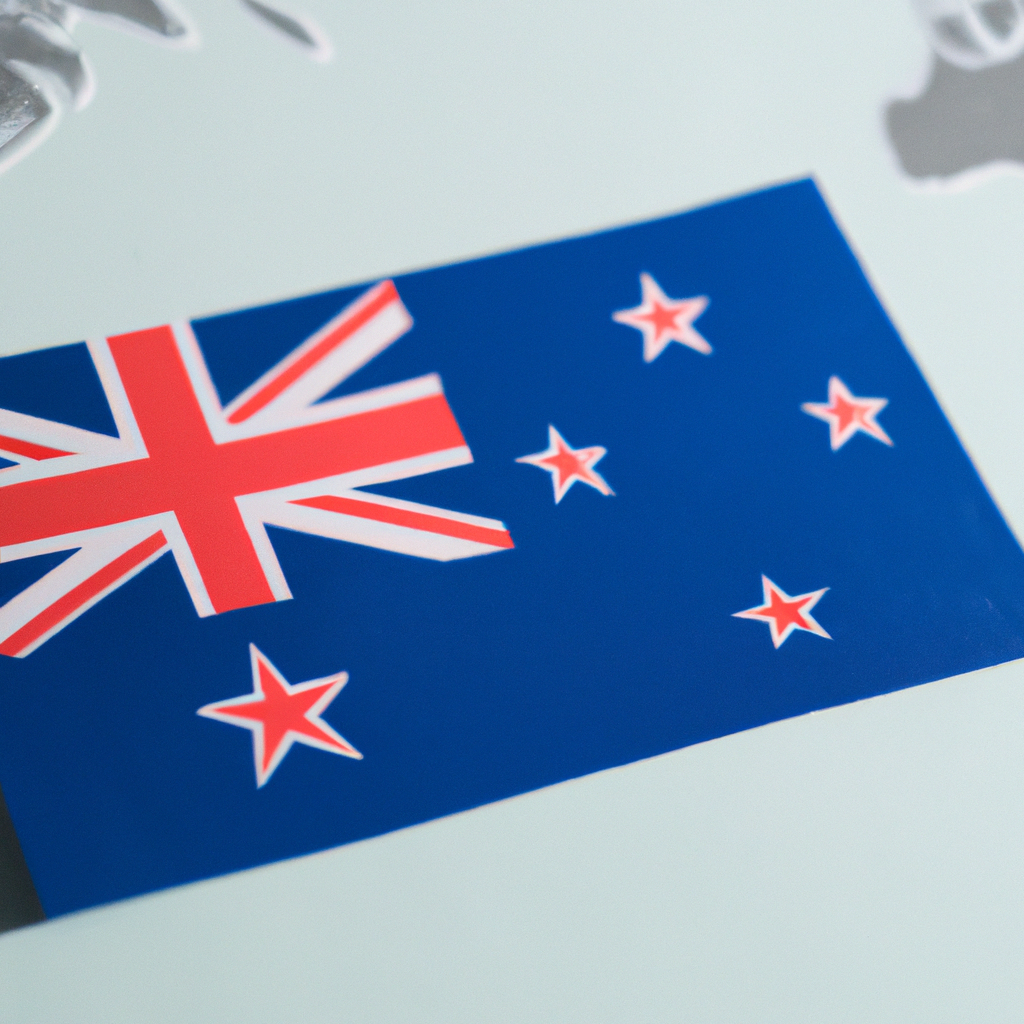
Can I camp in New Zealand's national parks?

Post ByAdequate Travel
Summary
With its stunning natural beauty, lush forests, rolling hills and spectacular oceanside views, camping in New Zealand's national parks is an exhilarating experience. Whether you're a seasoned camper or a first-time tent-dweller, New Zealand has something to offer for everyone. So the question is: Can I camp in New Zealand's national parks? Read on to find out! Travellers can find valuable travel information for tourists, such as local customs, must-see attractions, and dining recommendations, to make the most of their trip.Can I camp in New Zealand's national parks?
Yes, you can camp in New Zealand's national parks. Camping is a popular activity for both locals and tourists, allowing you to enjoy the stunning natural beauty of the country while being surrounded by its diverse flora and fauna. However, there are a few important things to keep in mind when camping in New Zealand's national parks:
1. Camping Facilities:
Most national parks in New Zealand offer designated camping areas with basic facilities such as toilets, cooking shelters, and water sources. These camping areas are managed by the Department of Conservation (DOC) and are usually well-maintained.
Example: The Mount Cook National Park provides several camping areas with amenities like toilets, tap water, picnic tables, and cooking shelters.
2. Permits and Fees:
While there are free camping options available in some national parks, many campsites require a permit and have associated fees. It is essential to check the DOC's website or visit their local offices to understand the specific requirements and costs associated with camping in each park.
Example: Abel Tasman National Park charges camping fees per person per night, and bookings need to be made in advance.
3. Responsible Camping:
When camping in national parks, it is crucial to practice responsible camping. This involves respecting the environment, following any guidelines or restrictions set by the park authorities, and leaving no trace of your visit. It ensures the preservation of the parks for future visitors.
Example: Fiordland National Park urges campers to use camping areas and facilities provided, minimize waste, and avoid littering.
4. Freedom Camping:
New Zealand also allows freedom camping in some areas outside the national parks. Freedom camping refers to camping in a non-designated area, typically in remote locations. However, it is important to know the specific regulations and restrictions for freedom camping in each region, as rules can vary.
Example: Some regions, like the West Coast, have specific freedom camping bylaws that restrict camping in certain places to preserve the environment.
5. Safety Measures:
Before camping in any national park, make sure to familiarize yourself with safety guidelines and be prepared for the outdoor conditions. New Zealand's weather can be unpredictable, and some areas may have specific risks or hazards that need to be considered.
Example: Tongariro National Park requires campers to be well-prepared for alpine conditions and to register their intentions with park authorities due to potential volcanic activity.
Remember to always check the official website or visit the DOC's local offices to get the most up-to-date information, as camping regulations can change. Happy camping in New Zealand's national parks!As you prepare for your journey, familiarize yourself with the specific entry requirements, including any necessary visas or documentation.Suggested Questions
- The Remarkables, Queenstown: Horror Story, History & Paranomial Activities
- The Spencer on Byron Hotel, Takapuna: Horror Story, History & Paranomial Activities
- The St. Paul's Cathedral, Dunedin: Horror Story, History & Paranomial Activities
- The Court Theatre, Christchurch: Horror Story, History & Paranomial Activities
- The Birdcage Hotel, Hastings: Horror Story, History & Paranomial Activities
- St. Bathans Jail, St. Bathans: Horror Story, History & Paranomial Activities
Questions new-zealand
You may also like
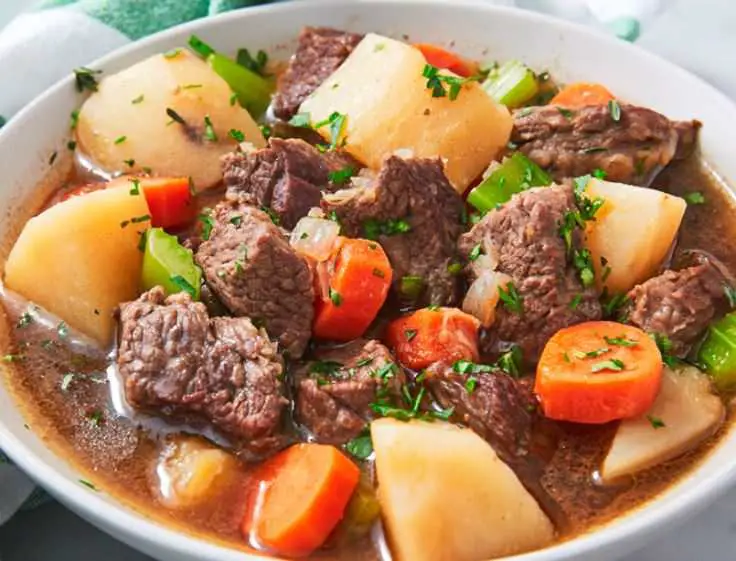
Top 10 Famous Food in Galway, Ireland | Best Foods to Eat in Galway
Galway is the harbor city of Ireland which holds a great diversity in Irish historic landmarks, seafood, and other authentic ancient cuisines. You can have the same basic cuisines being sold in the most expensive and cheapest Galway’s restaurants as … Continue reading
The post Top 10 Famous Food in Galway, Ireland | Best Foods to Eat in Galway appeared first on World Tour & Travel Guide, Get Travel Tips, Information, Discover Travel Destination | Adequate Travel.
Read More
Best Places for Shopping in Galway Ireland | Great Shopping Ideas for Galway
You might wonder Where to buy the best souvenirs or takeaways in Galway? when all your rides are either guided by your tour guides or google maps who shower you with tonnes of knowledge in which it’s so hard to … Continue reading
The post Best Places for Shopping in Galway Ireland | Great Shopping Ideas for Galway appeared first on World Tour & Travel Guide, Get Travel Tips, Information, Discover Travel Destination | Adequate Travel.
Read More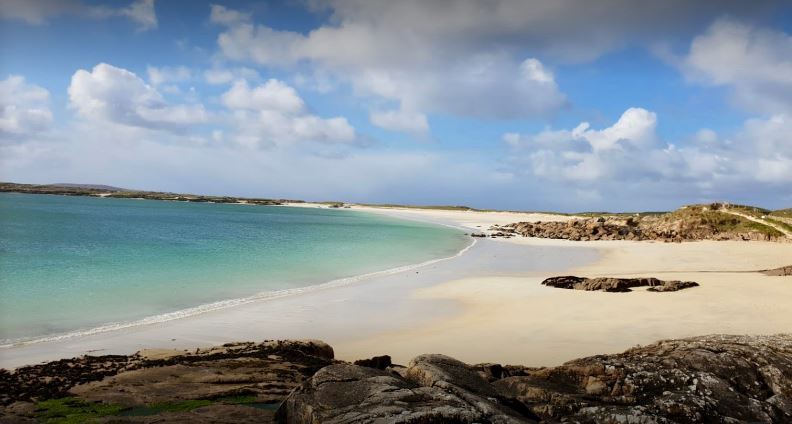
Best Beaches in Galway, Ireland | Beautiful Beaches to visit in Galway
Galway is among the famous port city of Ireland having myriad beautiful beaches all around its borders. Since Ireland experiences very chilly weather on major times of the year hence most areas of the beaches are special attractions only during … Continue reading
The post Best Beaches in Galway, Ireland | Beautiful Beaches to visit in Galway appeared first on World Tour & Travel Guide, Get Travel Tips, Information, Discover Travel Destination | Adequate Travel.
Read More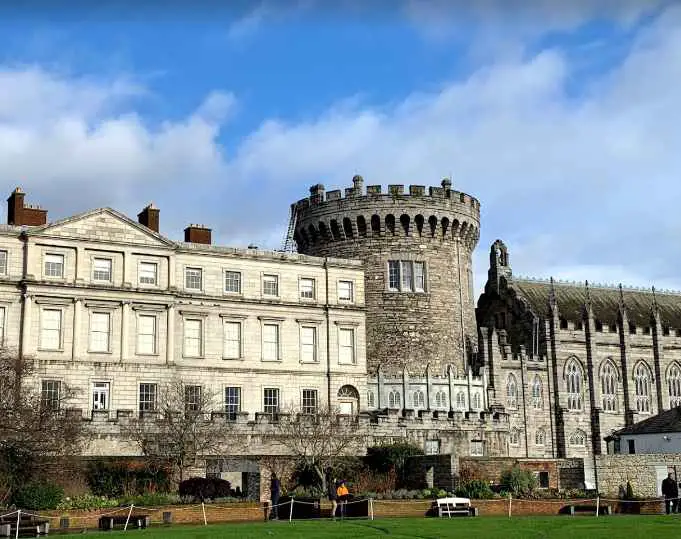
Most Visited Monuments in Dublin | Famous Monuments of Dublin, Ireland
Dublin is steeped in history and Irish heritage from the Guinness Storehouse to Dublin Castle. Monuments of Dublin have its fair share of history that honour the city and its citizens like every capital city. From Viking trading port to … Continue reading
The post Most Visited Monuments in Dublin | Famous Monuments of Dublin, Ireland appeared first on World Tour & Travel Guide, Get Travel Tips, Information, Discover Travel Destination | Adequate Travel.
Read More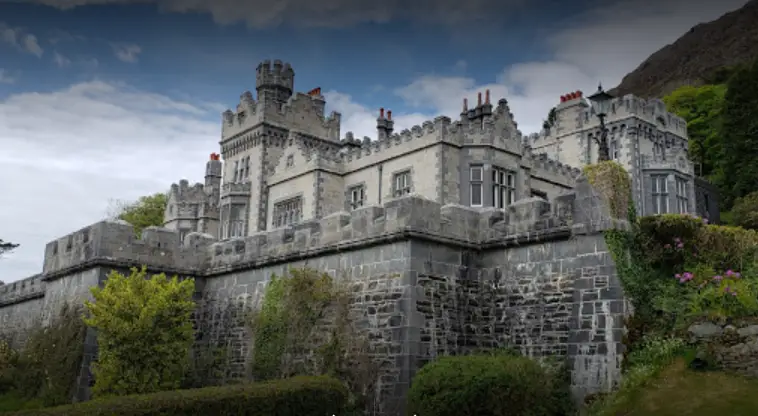
Most Visited Monuments in Ireland l Famous Monuments in Ireland
Ireland is an island nation and also one of the two major British Isles off of the coast of Western Europe set in the North Atlantic Ocean. The top monuments in Ireland exist in this beautiful island country and all … Continue reading
The post Most Visited Monuments in Ireland l Famous Monuments in Ireland appeared first on World Tour & Travel Guide, Get Travel Tips, Information, Discover Travel Destination | Adequate Travel.
Read More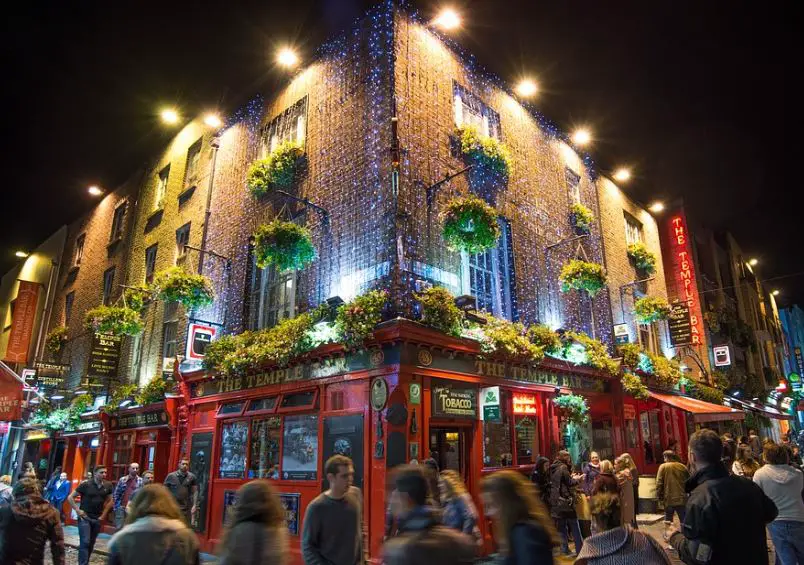
Best Cities in Ireland to Visit | Major Cities in Ireland
The cities of Ireland have a lot to offer visitors, from stunning scenery and quaint villages to bustling cities full of life. You will have heard of Dublin and Belfast. But why stop there? There are fantastic cities across the … Continue reading
The post Best Cities in Ireland to Visit | Major Cities in Ireland appeared first on World Tour & Travel Guide, Get Travel Tips, Information, Discover Travel Destination | Adequate Travel.
Read More
The Best but Unusual Places To See in Ireland
When most people think of Ireland they think of the Cliffs of Moher, Blarney Castle, and the Guinness Storehouse, but then this beautiful nation has so much more to offer! For those looking for off the beaten path attractions, these … Continue reading
The post The Best but Unusual Places To See in Ireland appeared first on World Tour & Travel Guide, Get Travel Tips, Information, Discover Travel Destination | Adequate Travel.
Read More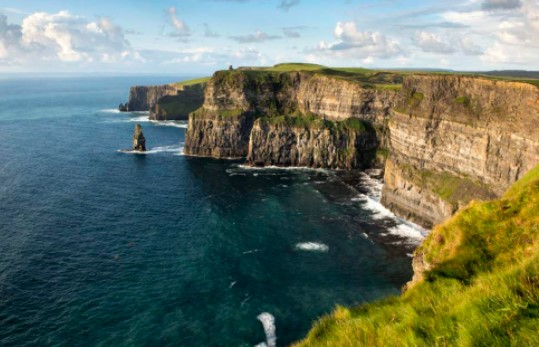
Updates on Travel Restriction in Ireland | Ireland During Covid-19
Ireland is a lively Northern Atlantic island country that is well known for its rich rebellious history, fossilized paleontological remains, pubs & lively nightlife. Surely it is the best destination to tour after a stressful pandemic year of 2020. Yet, … Continue reading
The post Updates on Travel Restriction in Ireland | Ireland During Covid-19 appeared first on World Tour & Travel Guide, Get Travel Tips, Information, Discover Travel Destination | Adequate Travel.
Read More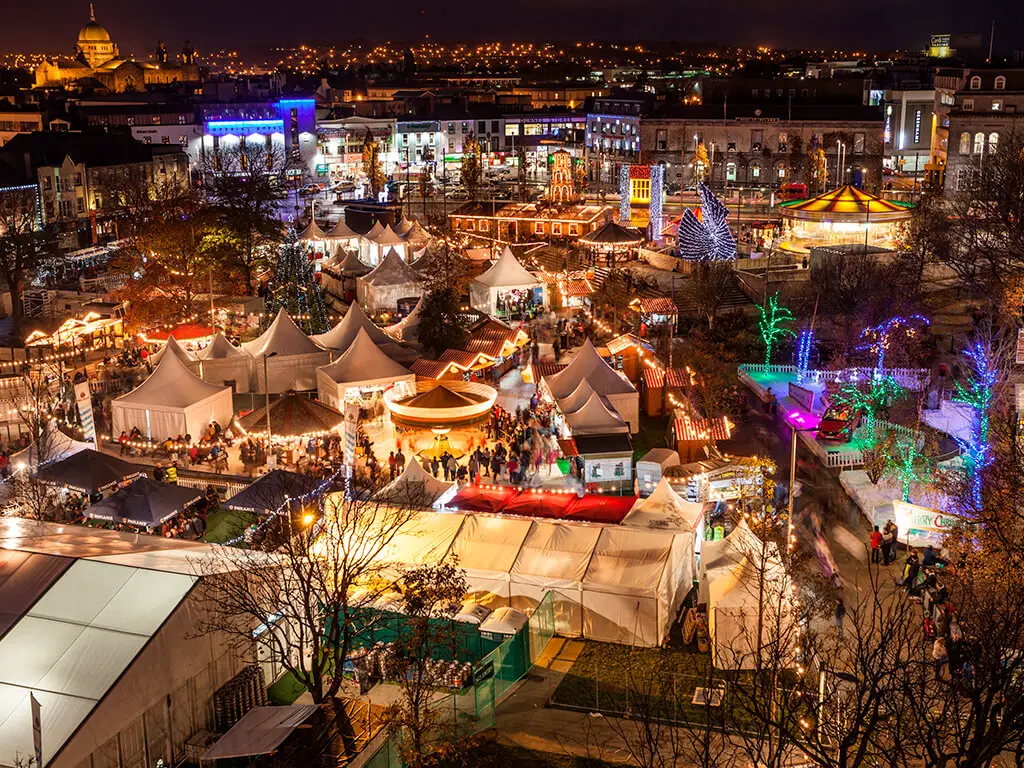
Top 10 Places to Visit in Ireland For Christmas 2021
Indeed! Irish winters are the most wonderful time of the year. Ireland is full of gorgeous looking and festive visits that any traveler mustn’t miss during Christmas. Cities offering unique items that are incredibly decorated shops are just magical. There … Continue reading
The post Top 10 Places to Visit in Ireland For Christmas 2021 appeared first on World Tour & Travel Guide, Get Travel Tips, Information, Discover Travel Destination | Adequate Travel.
Read More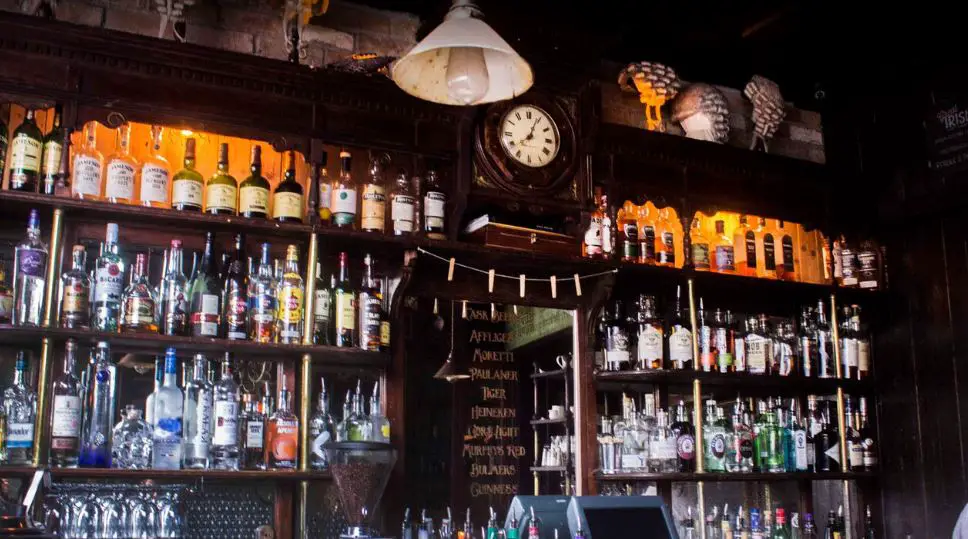
Top 8 best Cities for Nightlife in Ireland
Are you planning traveling Ireland? Confused about what to do? During the day, there are many places for you to sightsee but what about the night? Nightlife in Ireland is also thrilling and adventurous in major cities. The best cities … Continue reading
The post Top 8 best Cities for Nightlife in Ireland appeared first on World Tour & Travel Guide, Get Travel Tips, Information, Discover Travel Destination | Adequate Travel.
Read More