What should I know about wildlife encounters in remote areas?

Post ByAdequate Travel
Summary
Wildlife encounters can form some of the most memorable moments of your adventure into the remotest parts of the planet. However, these unique opportunities can present some unexpected challenges. In this blog, we'll explore what you need to be aware of to ensure your experience of wildlife in remote areas is both safe and rewarding. Keep in mind that travel guidelines and travel rules may change anytime, so regularly check for updates to ensure a hassle-free and memorable travel experience.1. Be Prepared
Before venturing into remote areas, it is essential to be prepared and knowledgeable about the wildlife that resides there. Here are a few key points to consider:
2. Research Local Wildlife
Knowing the types of wildlife you may encounter will help you understand their behavior and how to react. For example, if you are exploring a remote area known for bear encounters, understanding their habits and how to respond appropriately can prevent potential conflicts.
3. Learn About Safety Techniques
Being aware of safety techniques is crucial to ensure your well-being and minimize any negative interactions. Some examples of safety techniques include proper food storage to prevent attracting wildlife and knowing how to correctly use deterrents like bear spray.
4. Maintain a Safe Distance
It is important to maintain a safe distance from wildlife to protect both yourself and the animals. Approaching or getting too close to animals can provoke defensive behavior from them and put you at risk. Respect their natural habitat and observe from a distance.
5. Avoid Surprising Wildlife
Surprising wildlife can lead to unpredictable reactions, potentially endangering you and the animals. Make your presence known when approaching areas with limited visibility, such as rounding a corner on a trail. Noise or conversation can alert animals to your presence and allow them to move away peacefully.
6. Pack Proper Equipment
Carrying appropriate equipment can be vital in remote areas. Some essential items include a first aid kit, navigation tools, extra food and water, and emergency communication devices, such as a satellite phone or personal locator beacon (PLB).
7. Leave No Trace
Respecting the environment and leaving it undisturbed is crucial for wildlife encounters. Dispose of waste properly, respect trail and wilderness regulations, and be mindful of your impact on the ecosystem.
8. Stay Calm and Mindful
In the rare event of a wildlife encounter, it is important to remain calm and avoid sudden movements or loud noises that may startle or provoke animals. Stay observant, move slowly and quietly, and give the wildlife space to retreat without feeling threatened.
9. Seek Local Guidance
When exploring remote areas, seeking local guidance or joining guided tours can provide valuable insights and enhance your safety. Locals and experienced guides often have firsthand knowledge about the wildlife behavior and the best practices for encountering wildlife.
Remember, each remote area and its wildlife are unique, so it is always wise to research specific guidelines and recommendations for the particular region you plan to visit.While planning your trip, take note of any travel restrictions that may impact your itinerary, such as limited access to certain regions or attractions.Suggested Questions
You may also like
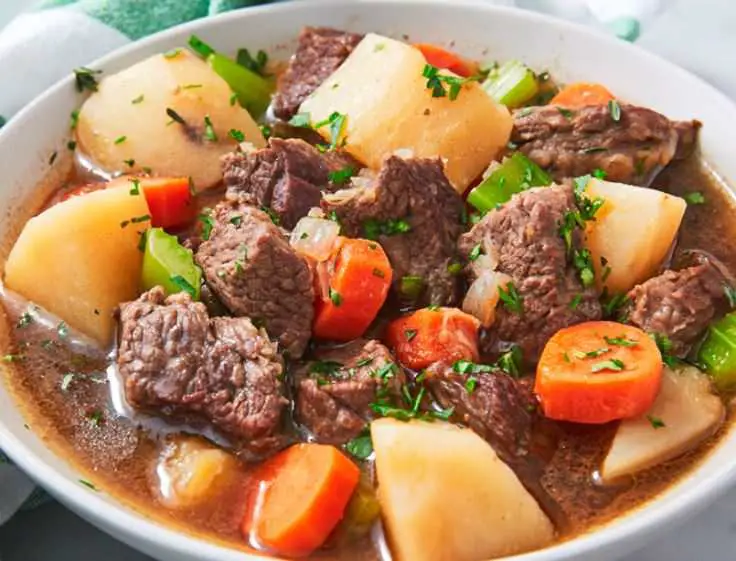
Top 10 Famous Food in Galway, Ireland | Best Foods to Eat in Galway
Galway is the harbor city of Ireland which holds a great diversity in Irish historic landmarks, seafood, and other authentic ancient cuisines. You can have the same basic cuisines being sold in the most expensive and cheapest Galway’s restaurants as … Continue reading
The post Top 10 Famous Food in Galway, Ireland | Best Foods to Eat in Galway appeared first on World Tour & Travel Guide, Get Travel Tips, Information, Discover Travel Destination | Adequate Travel.
Read More
Best Places for Shopping in Galway Ireland | Great Shopping Ideas for Galway
You might wonder Where to buy the best souvenirs or takeaways in Galway? when all your rides are either guided by your tour guides or google maps who shower you with tonnes of knowledge in which it’s so hard to … Continue reading
The post Best Places for Shopping in Galway Ireland | Great Shopping Ideas for Galway appeared first on World Tour & Travel Guide, Get Travel Tips, Information, Discover Travel Destination | Adequate Travel.
Read More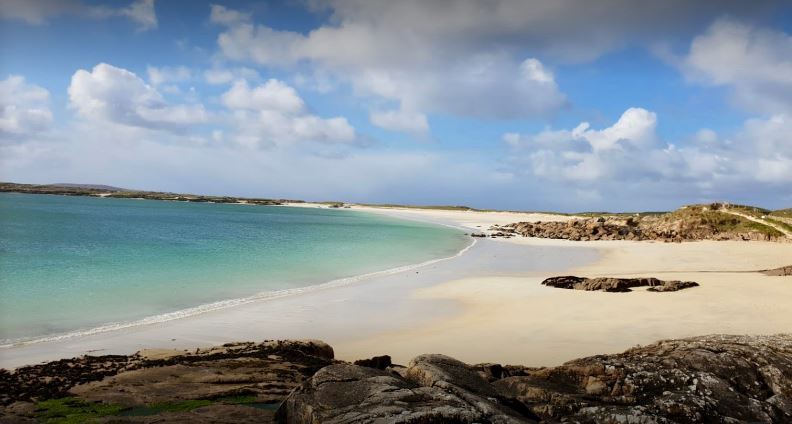
Best Beaches in Galway, Ireland | Beautiful Beaches to visit in Galway
Galway is among the famous port city of Ireland having myriad beautiful beaches all around its borders. Since Ireland experiences very chilly weather on major times of the year hence most areas of the beaches are special attractions only during … Continue reading
The post Best Beaches in Galway, Ireland | Beautiful Beaches to visit in Galway appeared first on World Tour & Travel Guide, Get Travel Tips, Information, Discover Travel Destination | Adequate Travel.
Read More
Most Visited Monuments in Dublin | Famous Monuments of Dublin, Ireland
Dublin is steeped in history and Irish heritage from the Guinness Storehouse to Dublin Castle. Monuments of Dublin have its fair share of history that honour the city and its citizens like every capital city. From Viking trading port to … Continue reading
The post Most Visited Monuments in Dublin | Famous Monuments of Dublin, Ireland appeared first on World Tour & Travel Guide, Get Travel Tips, Information, Discover Travel Destination | Adequate Travel.
Read More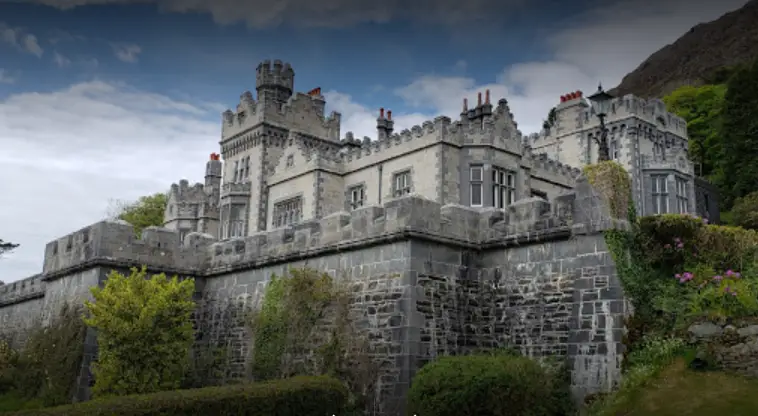
Most Visited Monuments in Ireland l Famous Monuments in Ireland
Ireland is an island nation and also one of the two major British Isles off of the coast of Western Europe set in the North Atlantic Ocean. The top monuments in Ireland exist in this beautiful island country and all … Continue reading
The post Most Visited Monuments in Ireland l Famous Monuments in Ireland appeared first on World Tour & Travel Guide, Get Travel Tips, Information, Discover Travel Destination | Adequate Travel.
Read More
Best Cities in Ireland to Visit | Major Cities in Ireland
The cities of Ireland have a lot to offer visitors, from stunning scenery and quaint villages to bustling cities full of life. You will have heard of Dublin and Belfast. But why stop there? There are fantastic cities across the … Continue reading
The post Best Cities in Ireland to Visit | Major Cities in Ireland appeared first on World Tour & Travel Guide, Get Travel Tips, Information, Discover Travel Destination | Adequate Travel.
Read More
The Best but Unusual Places To See in Ireland
When most people think of Ireland they think of the Cliffs of Moher, Blarney Castle, and the Guinness Storehouse, but then this beautiful nation has so much more to offer! For those looking for off the beaten path attractions, these … Continue reading
The post The Best but Unusual Places To See in Ireland appeared first on World Tour & Travel Guide, Get Travel Tips, Information, Discover Travel Destination | Adequate Travel.
Read More
Updates on Travel Restriction in Ireland | Ireland During Covid-19
Ireland is a lively Northern Atlantic island country that is well known for its rich rebellious history, fossilized paleontological remains, pubs & lively nightlife. Surely it is the best destination to tour after a stressful pandemic year of 2020. Yet, … Continue reading
The post Updates on Travel Restriction in Ireland | Ireland During Covid-19 appeared first on World Tour & Travel Guide, Get Travel Tips, Information, Discover Travel Destination | Adequate Travel.
Read More
Top 10 Places to Visit in Ireland For Christmas 2021
Indeed! Irish winters are the most wonderful time of the year. Ireland is full of gorgeous looking and festive visits that any traveler mustn’t miss during Christmas. Cities offering unique items that are incredibly decorated shops are just magical. There … Continue reading
The post Top 10 Places to Visit in Ireland For Christmas 2021 appeared first on World Tour & Travel Guide, Get Travel Tips, Information, Discover Travel Destination | Adequate Travel.
Read More
Top 8 best Cities for Nightlife in Ireland
Are you planning traveling Ireland? Confused about what to do? During the day, there are many places for you to sightsee but what about the night? Nightlife in Ireland is also thrilling and adventurous in major cities. The best cities … Continue reading
The post Top 8 best Cities for Nightlife in Ireland appeared first on World Tour & Travel Guide, Get Travel Tips, Information, Discover Travel Destination | Adequate Travel.
Read More