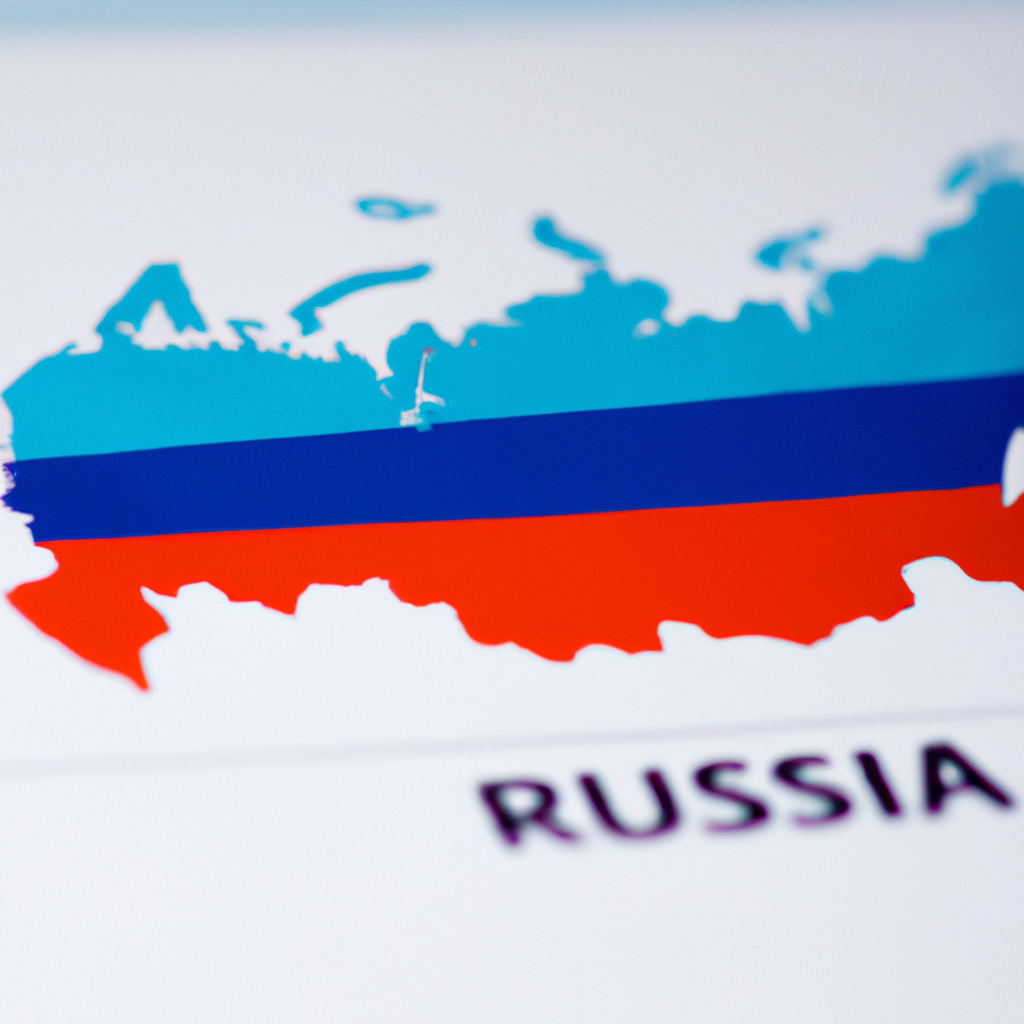
What should I know about extreme weather conditions in the Arctic?

Post ByAdequate Travel
Summary
Extreme weather conditions in the Arctic can be both dangerous and unpredictable. These conditions can range from intense blizzards and rapidly declining temperatures, to fierce winds and icy storms. In this blog post, we'll discuss the precautions and knowledge that should be taken into account before venturing into the Arctic, so you can stay safe. As you prepare for your journey, familiarize yourself with the specific entry requirements, including any necessary visas or documentation.Extreme Weather Conditions in the Arctic
1. Low temperatures:
The Arctic region experiences extremely cold temperatures throughout the year. During winter, temperatures can plummet to -40°C (-40°F) or even lower.
Example: The lowest recorded temperature in the Arctic was -69.6°C (-93.3°F) in Verkhoyansk, Russia.
2. Blizzards and snowstorms:
Arctic regions frequently experience intense blizzards and snowstorms. These storms are characterized by strong winds, heavy snowfall, and reduced visibility.
Example: The "Great Arctic Outbreak" in December 1913 caused blizzards across the Arctic region and resulted in numerous fatalities.
3. Strong winds:
The Arctic can experience gusty winds, especially during winter. These strong winds can create windchill, increasing the perceived coldness.
Example: The Beaufort Scale measures wind speeds and categorizes them based on observed effects. High Arctic winds can reach levels above 10 on the Beaufort Scale.
4. Ice storms:
Ice storms in the Arctic occur when freezing rain falls and quickly freezes upon surfaces, creating a thick layer of ice. This can cause damage to infrastructure and make transportation challenging.
Example: An ice storm in northern Canada in 1998 resulted in widespread power outages, damage to trees, and disruption of daily life.
5. Rapid weather changes:
Arctic weather can change rapidly within a short span of time. Sunny skies can turn into blizzard conditions or vice versa within hours.
Example: Sudden weather changes in the Arctic can be attributed to the movement of polar air masses, which can bring contrasting weather conditions.
6. Polar vortex:
The Arctic region is susceptible to the polar vortex phenomenon, where a low-pressure system circulates extremely cold air across a large area. This can result in severe cold snaps and extended periods of frigid temperatures.
Example: In 2019, a polar vortex event brought intensely cold temperatures to parts of the Arctic, causing disruptions and safety concerns.
Keep in mind that travel guidelines and travel rules may change anytime, so regularly check for updates to ensure a hassle-free and memorable travel experience.Suggested Questions
You may also like

Top 10 Famous Food in Galway, Ireland | Best Foods to Eat in Galway
Galway is the harbor city of Ireland which holds a great diversity in Irish historic landmarks, seafood, and other authentic ancient cuisines. You can have the same basic cuisines being sold in the most expensive and cheapest Galway’s restaurants as … Continue reading
The post Top 10 Famous Food in Galway, Ireland | Best Foods to Eat in Galway appeared first on World Tour & Travel Guide, Get Travel Tips, Information, Discover Travel Destination | Adequate Travel.
Read More
Best Places for Shopping in Galway Ireland | Great Shopping Ideas for Galway
You might wonder Where to buy the best souvenirs or takeaways in Galway? when all your rides are either guided by your tour guides or google maps who shower you with tonnes of knowledge in which it’s so hard to … Continue reading
The post Best Places for Shopping in Galway Ireland | Great Shopping Ideas for Galway appeared first on World Tour & Travel Guide, Get Travel Tips, Information, Discover Travel Destination | Adequate Travel.
Read More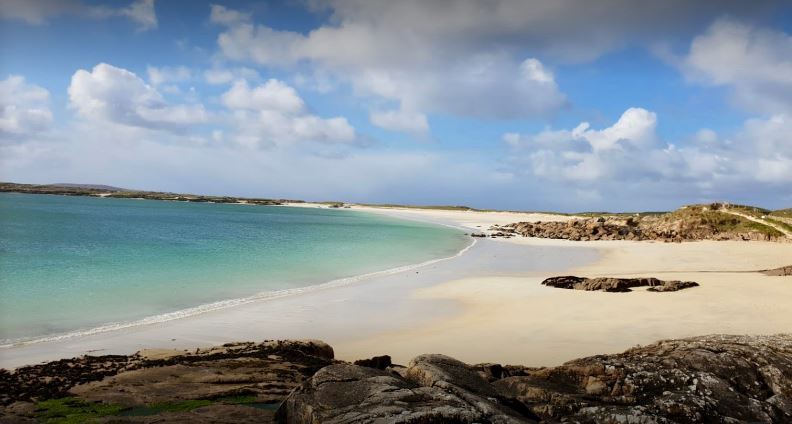
Best Beaches in Galway, Ireland | Beautiful Beaches to visit in Galway
Galway is among the famous port city of Ireland having myriad beautiful beaches all around its borders. Since Ireland experiences very chilly weather on major times of the year hence most areas of the beaches are special attractions only during … Continue reading
The post Best Beaches in Galway, Ireland | Beautiful Beaches to visit in Galway appeared first on World Tour & Travel Guide, Get Travel Tips, Information, Discover Travel Destination | Adequate Travel.
Read More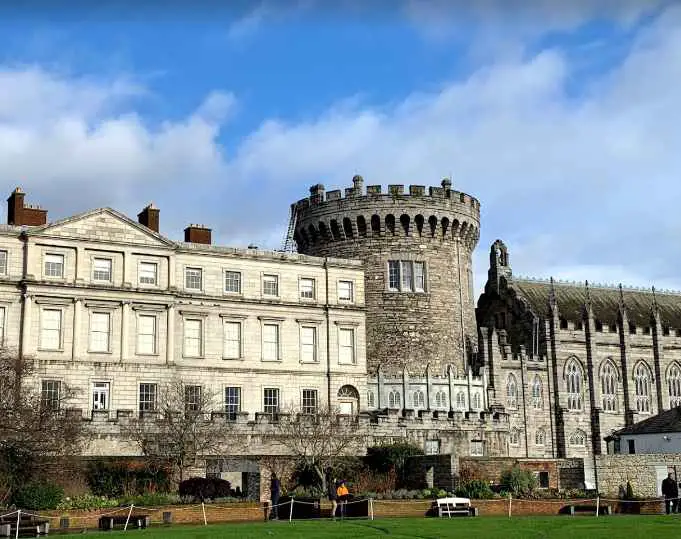
Most Visited Monuments in Dublin | Famous Monuments of Dublin, Ireland
Dublin is steeped in history and Irish heritage from the Guinness Storehouse to Dublin Castle. Monuments of Dublin have its fair share of history that honour the city and its citizens like every capital city. From Viking trading port to … Continue reading
The post Most Visited Monuments in Dublin | Famous Monuments of Dublin, Ireland appeared first on World Tour & Travel Guide, Get Travel Tips, Information, Discover Travel Destination | Adequate Travel.
Read More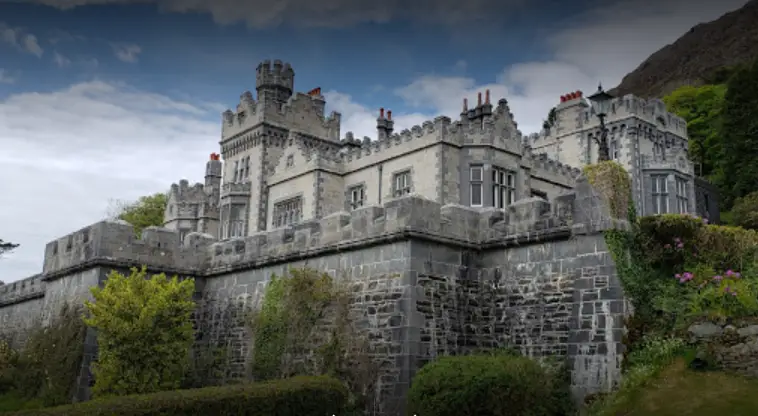
Most Visited Monuments in Ireland l Famous Monuments in Ireland
Ireland is an island nation and also one of the two major British Isles off of the coast of Western Europe set in the North Atlantic Ocean. The top monuments in Ireland exist in this beautiful island country and all … Continue reading
The post Most Visited Monuments in Ireland l Famous Monuments in Ireland appeared first on World Tour & Travel Guide, Get Travel Tips, Information, Discover Travel Destination | Adequate Travel.
Read More
Best Cities in Ireland to Visit | Major Cities in Ireland
The cities of Ireland have a lot to offer visitors, from stunning scenery and quaint villages to bustling cities full of life. You will have heard of Dublin and Belfast. But why stop there? There are fantastic cities across the … Continue reading
The post Best Cities in Ireland to Visit | Major Cities in Ireland appeared first on World Tour & Travel Guide, Get Travel Tips, Information, Discover Travel Destination | Adequate Travel.
Read More
The Best but Unusual Places To See in Ireland
When most people think of Ireland they think of the Cliffs of Moher, Blarney Castle, and the Guinness Storehouse, but then this beautiful nation has so much more to offer! For those looking for off the beaten path attractions, these … Continue reading
The post The Best but Unusual Places To See in Ireland appeared first on World Tour & Travel Guide, Get Travel Tips, Information, Discover Travel Destination | Adequate Travel.
Read More
Updates on Travel Restriction in Ireland | Ireland During Covid-19
Ireland is a lively Northern Atlantic island country that is well known for its rich rebellious history, fossilized paleontological remains, pubs & lively nightlife. Surely it is the best destination to tour after a stressful pandemic year of 2020. Yet, … Continue reading
The post Updates on Travel Restriction in Ireland | Ireland During Covid-19 appeared first on World Tour & Travel Guide, Get Travel Tips, Information, Discover Travel Destination | Adequate Travel.
Read More
Top 10 Places to Visit in Ireland For Christmas 2021
Indeed! Irish winters are the most wonderful time of the year. Ireland is full of gorgeous looking and festive visits that any traveler mustn’t miss during Christmas. Cities offering unique items that are incredibly decorated shops are just magical. There … Continue reading
The post Top 10 Places to Visit in Ireland For Christmas 2021 appeared first on World Tour & Travel Guide, Get Travel Tips, Information, Discover Travel Destination | Adequate Travel.
Read More
Top 8 best Cities for Nightlife in Ireland
Are you planning traveling Ireland? Confused about what to do? During the day, there are many places for you to sightsee but what about the night? Nightlife in Ireland is also thrilling and adventurous in major cities. The best cities … Continue reading
The post Top 8 best Cities for Nightlife in Ireland appeared first on World Tour & Travel Guide, Get Travel Tips, Information, Discover Travel Destination | Adequate Travel.
Read More