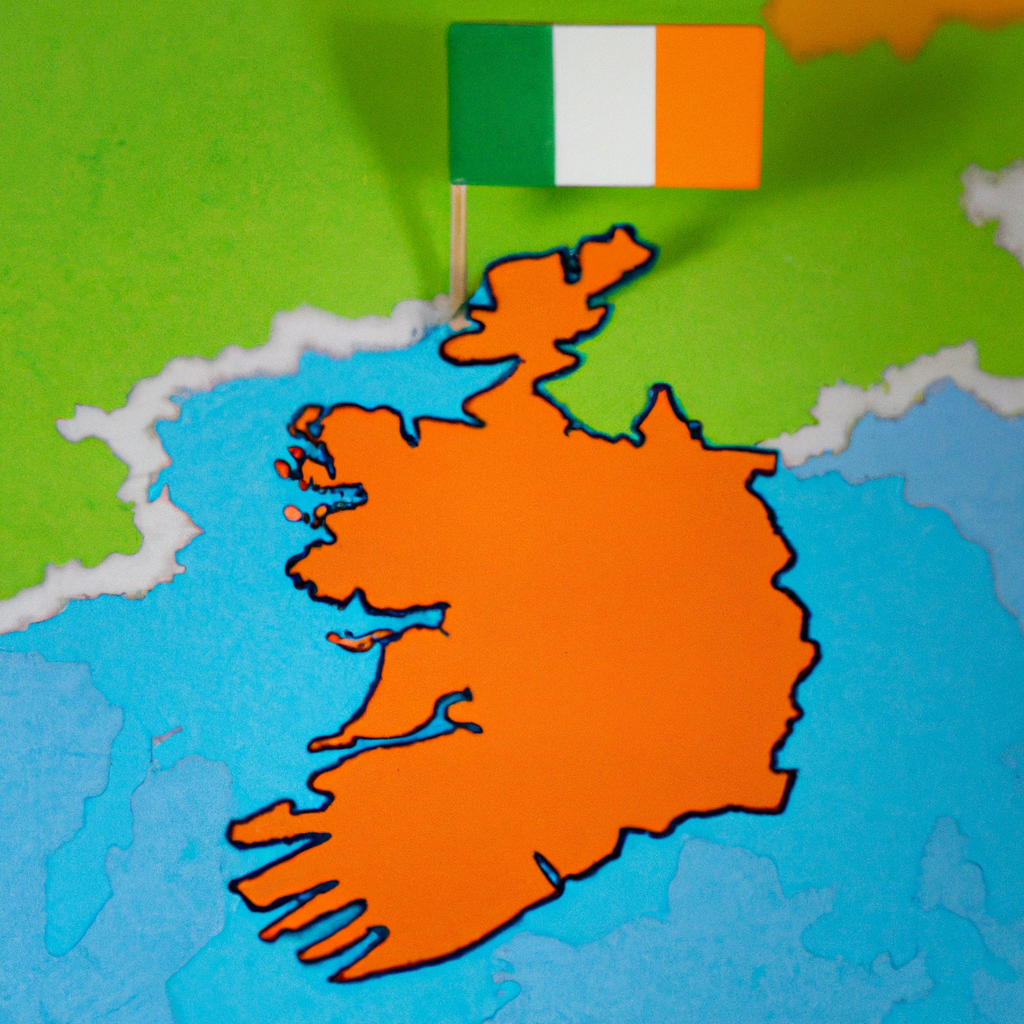
What is the history of the Rock of Dunamase?

Post ByAdequate Travel
Summary
The Rock of Dunamase is an iconic landmark that is steeped in history. It has been celebrated in songs and stories for centuries, and its mythic origins are as fascinating as the tangled ruins it is today. In this blog post, we take a look at the ancient history of the Rock of Dunamase and explore its fascinating legacy. As you prepare for your journey, familiarize yourself with the specific entry requirements, including any necessary visas or documentation.The Rock of Dunamase: History and Significance
1. Ancient origins: The Rock of Dunamase, also known as Dunamase Castle, is an impressive archaeological site located in County Laois, Ireland. Its history dates back to ancient times, with evidence of human activity on the site dating as far back as the Iron Age.
2. Early settlements: The rock was initially inhabited by a Celtic settlement, used as a defensive stronghold due to its elevated position and commanding views of the surrounding countryside. The ancient fortifications on the rock have been attributed to the Gaelic kingdom of Leinster.
3. Norman influence: In the 12th century, the Normans arrived in Ireland and began establishing their power and control over the land. The Rock of Dunamase became a strategic location and was occupied by the Norman lord Meiler Fitzhenry around the year 1182.
4. Anglo-Norman stronghold: Under Norman rule, Dunamase Castle was greatly developed and expanded. Massive stone walls, towers, and other defensive structures were constructed, transforming the site into a formidable fortress. It became a crucial defensive stronghold during conflicts between the Anglo-Normans and the Gaelic Irish.
5. Historical events: The Rock of Dunamase witnessed numerous historical events throughout its existence. It was attacked, captured, and changed hands several times during conflicts between rival factions, including the English Tudor forces and the Fitzgeralds of Kildare.
6. Ruination and abandonment: Following the Tudor conquest of Ireland in the 16th century, the importance of Dunamase Castle diminished. The castle gradually fell into ruin, and its stone was quarried for other construction projects in the local area.
7. Modern significance: Despite its ruined state, the Rock of Dunamase has become a popular historical attraction in Ireland. Visitors can explore the remains of the castle and appreciate its commanding views of the surrounding landscape. The site serves as a reminder of Ireland's ancient and medieval past and the strategic importance of fortifications during different periods of history.
Overall, the history of the Rock of Dunamase spans several centuries, from its ancient Celtic origins to its role as a Norman stronghold and its eventual decline into ruin. It holds great historical and archaeological significance and remains a captivating site for visitors with an interest in Ireland's rich historical heritage.
Keep in mind that travel guidelines and travel rules may change anytime, so regularly check for updates to ensure a hassle-free and memorable travel experience.Suggested Questions
- Duckett's Grove, County Carlow: Horror Story, History & Paranomial Activities
- Dunseverick Castle, County Antrim: Horror Story, History & Paranomial Activities
- Dunsandle Castle, County Galway: Horror Story, History & Paranomial Activities
- Duckett's Grove, County Carlow: Horror Story, History & Paranomial Activities
- Ross Errilly Friary, County Galway: Horror Story, History & Paranomial Activities
- Wicklow Gaol, County Wicklow: Horror Story, History & Paranomial Activities
Questions Ireland
You may also like
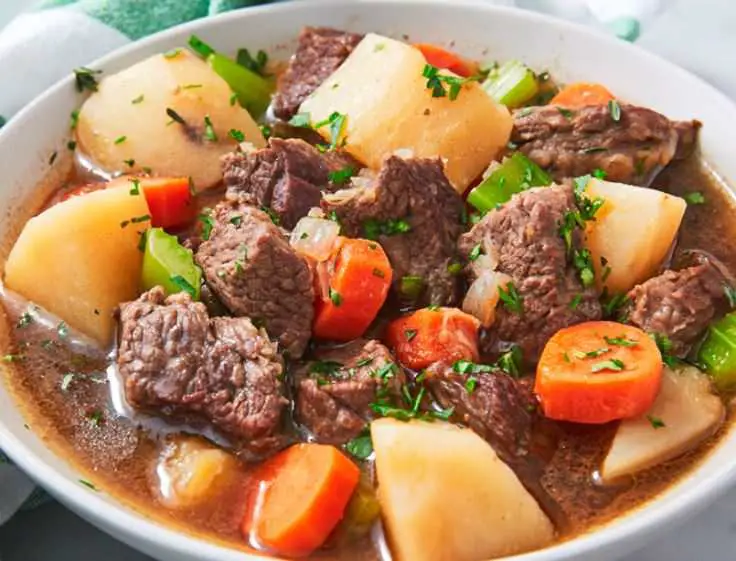
Top 10 Famous Food in Galway, Ireland | Best Foods to Eat in Galway
Galway is the harbor city of Ireland which holds a great diversity in Irish historic landmarks, seafood, and other authentic ancient cuisines. You can have the same basic cuisines being sold in the most expensive and cheapest Galway’s restaurants as … Continue reading
The post Top 10 Famous Food in Galway, Ireland | Best Foods to Eat in Galway appeared first on World Tour & Travel Guide, Get Travel Tips, Information, Discover Travel Destination | Adequate Travel.
Read More
Best Places for Shopping in Galway Ireland | Great Shopping Ideas for Galway
You might wonder Where to buy the best souvenirs or takeaways in Galway? when all your rides are either guided by your tour guides or google maps who shower you with tonnes of knowledge in which it’s so hard to … Continue reading
The post Best Places for Shopping in Galway Ireland | Great Shopping Ideas for Galway appeared first on World Tour & Travel Guide, Get Travel Tips, Information, Discover Travel Destination | Adequate Travel.
Read More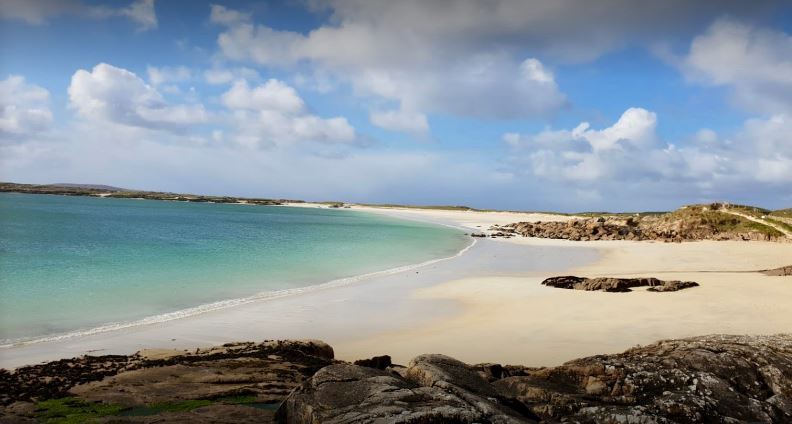
Best Beaches in Galway, Ireland | Beautiful Beaches to visit in Galway
Galway is among the famous port city of Ireland having myriad beautiful beaches all around its borders. Since Ireland experiences very chilly weather on major times of the year hence most areas of the beaches are special attractions only during … Continue reading
The post Best Beaches in Galway, Ireland | Beautiful Beaches to visit in Galway appeared first on World Tour & Travel Guide, Get Travel Tips, Information, Discover Travel Destination | Adequate Travel.
Read More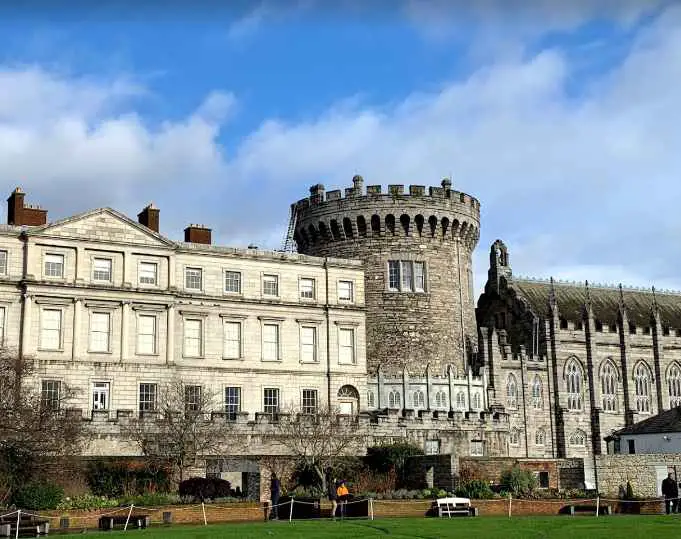
Most Visited Monuments in Dublin | Famous Monuments of Dublin, Ireland
Dublin is steeped in history and Irish heritage from the Guinness Storehouse to Dublin Castle. Monuments of Dublin have its fair share of history that honour the city and its citizens like every capital city. From Viking trading port to … Continue reading
The post Most Visited Monuments in Dublin | Famous Monuments of Dublin, Ireland appeared first on World Tour & Travel Guide, Get Travel Tips, Information, Discover Travel Destination | Adequate Travel.
Read More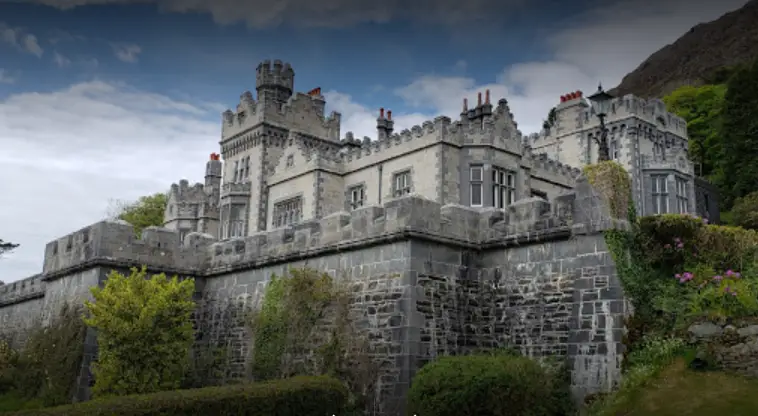
Most Visited Monuments in Ireland l Famous Monuments in Ireland
Ireland is an island nation and also one of the two major British Isles off of the coast of Western Europe set in the North Atlantic Ocean. The top monuments in Ireland exist in this beautiful island country and all … Continue reading
The post Most Visited Monuments in Ireland l Famous Monuments in Ireland appeared first on World Tour & Travel Guide, Get Travel Tips, Information, Discover Travel Destination | Adequate Travel.
Read More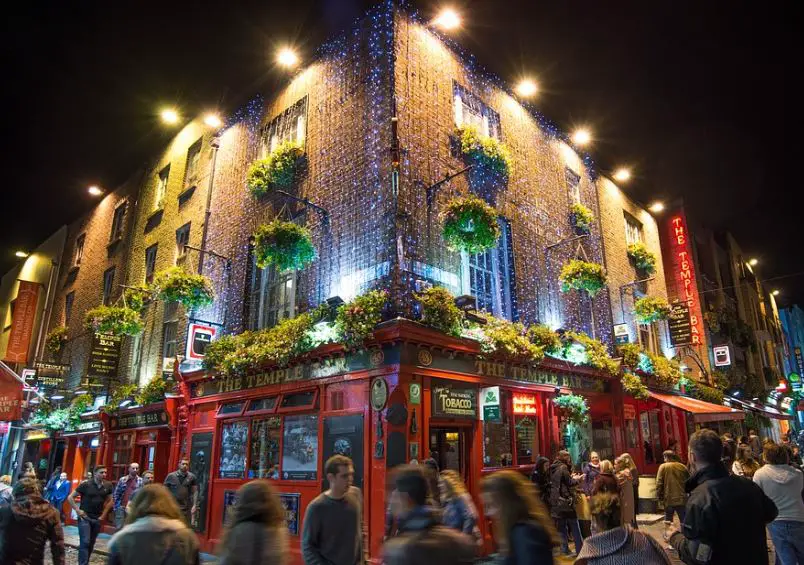
Best Cities in Ireland to Visit | Major Cities in Ireland
The cities of Ireland have a lot to offer visitors, from stunning scenery and quaint villages to bustling cities full of life. You will have heard of Dublin and Belfast. But why stop there? There are fantastic cities across the … Continue reading
The post Best Cities in Ireland to Visit | Major Cities in Ireland appeared first on World Tour & Travel Guide, Get Travel Tips, Information, Discover Travel Destination | Adequate Travel.
Read More
The Best but Unusual Places To See in Ireland
When most people think of Ireland they think of the Cliffs of Moher, Blarney Castle, and the Guinness Storehouse, but then this beautiful nation has so much more to offer! For those looking for off the beaten path attractions, these … Continue reading
The post The Best but Unusual Places To See in Ireland appeared first on World Tour & Travel Guide, Get Travel Tips, Information, Discover Travel Destination | Adequate Travel.
Read More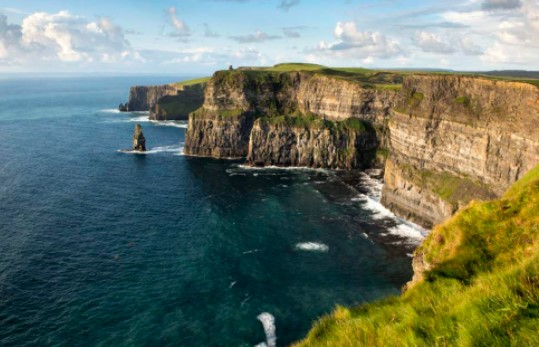
Updates on Travel Restriction in Ireland | Ireland During Covid-19
Ireland is a lively Northern Atlantic island country that is well known for its rich rebellious history, fossilized paleontological remains, pubs & lively nightlife. Surely it is the best destination to tour after a stressful pandemic year of 2020. Yet, … Continue reading
The post Updates on Travel Restriction in Ireland | Ireland During Covid-19 appeared first on World Tour & Travel Guide, Get Travel Tips, Information, Discover Travel Destination | Adequate Travel.
Read More
Top 10 Places to Visit in Ireland For Christmas 2021
Indeed! Irish winters are the most wonderful time of the year. Ireland is full of gorgeous looking and festive visits that any traveler mustn’t miss during Christmas. Cities offering unique items that are incredibly decorated shops are just magical. There … Continue reading
The post Top 10 Places to Visit in Ireland For Christmas 2021 appeared first on World Tour & Travel Guide, Get Travel Tips, Information, Discover Travel Destination | Adequate Travel.
Read More
Top 8 best Cities for Nightlife in Ireland
Are you planning traveling Ireland? Confused about what to do? During the day, there are many places for you to sightsee but what about the night? Nightlife in Ireland is also thrilling and adventurous in major cities. The best cities … Continue reading
The post Top 8 best Cities for Nightlife in Ireland appeared first on World Tour & Travel Guide, Get Travel Tips, Information, Discover Travel Destination | Adequate Travel.
Read More