What are the unique challenges of traveling in the Arctic?

Post ByAdequate Travel
Summary
Traveling in the Arctic poses challenges that cannot be found in other parts of the world. From extreme weather conditions to dangerous terrain, in this blog, we'll explore the unique challenges of navigating and exploring this remote part of the planet. Stay informed about any travel restrictions or travel rules in place, as they may vary depending on your destination within the country.Unique Challenges of Traveling in the Arctic:
1. Harsh Climate:
The Arctic region is characterized by extreme cold temperatures, with average winter temperatures dropping below -30 degrees Celsius (-22 degrees Fahrenheit). This severe climate poses a significant challenge for travelers as they need to prepare themselves with appropriate clothing, gear, and shelter to withstand the freezing temperatures.
Example: Travelers must wear multiple layers of thermal clothing, including insulated jackets, gloves, hats, and boots. They need to invest in high-quality equipment designed for extreme cold conditions to prevent frostbite and hypothermia.
2. Limited Infrastructure:
The Arctic is sparsely populated, with a lack of developed infrastructure. This poses challenges in terms of accommodation, reliable transportation, and communication facilities. Few roads, airports, and settlements are available, making access to various destinations difficult.
Example: Travelers may need to rely on specialized transportation methods, such as snowmobiles, dog sleds, or helicopters, to travel across the vast expanse. Accommodation options are limited and may include basic lodges, temporary camps, or even ice hotels.
3. Polar Night and Midnight Sun:
Due to its extreme northern latitude, the Arctic experiences prolonged periods of darkness and light. During the winter months, the region is engulfed in the polar night, with no daylight for weeks or months. Conversely, in summer, the midnight sun reigns, where the sun stays above the horizon for extended periods.
Example: Travelers may find it challenging to adjust to the absence or abundance of daylight, affecting their sleep patterns and sense of time. It requires careful planning to make the most of the limited daylight available for exploring and undertaking activities.
4. Geographic Isolation:
The Arctic is geographically isolated, making emergency services and medical facilities far away from many areas. The immense distances and remoteness can complicate rescue or evacuation if any accidents or health issues occur during travel.
Example: Travelers need to be prepared with emergency supplies, have knowledge of basic wilderness first aid techniques, and carry communication devices for emergencies. It is essential to understand and respect the inherent risks associated with the remote and unpopulated Arctic landscapes.
5. Wildlife Encounters:
The Arctic is home to diverse wildlife, including polar bears, arctic foxes, seals, whales, and various bird species. While encountering these creatures can be awe-inspiring, it also presents risks and challenges for travelers who need to respect their habitats and behavior.
Example: Travelers must take necessary precautions to minimize human-wildlife interactions, especially with predators like polar bears. These precautions may include traveling in groups, carrying deterrents like bear spray, and adhering to local guidelines for wildlife observation.
As you prepare for your journey, familiarize yourself with the specific entry requirements, including any necessary visas or documentation.Suggested Questions
You may also like
Top 10 Famous Food in Galway, Ireland | Best Foods to Eat in Galway
Galway is the harbor city of Ireland which holds a great diversity in Irish historic landmarks, seafood, and other authentic ancient cuisines. You can have the same basic cuisines being sold in the most expensive and cheapest Galway’s restaurants as … Continue reading
The post Top 10 Famous Food in Galway, Ireland | Best Foods to Eat in Galway appeared first on World Tour & Travel Guide, Get Travel Tips, Information, Discover Travel Destination | Adequate Travel.
Read More
Best Places for Shopping in Galway Ireland | Great Shopping Ideas for Galway
You might wonder Where to buy the best souvenirs or takeaways in Galway? when all your rides are either guided by your tour guides or google maps who shower you with tonnes of knowledge in which it’s so hard to … Continue reading
The post Best Places for Shopping in Galway Ireland | Great Shopping Ideas for Galway appeared first on World Tour & Travel Guide, Get Travel Tips, Information, Discover Travel Destination | Adequate Travel.
Read More
Best Beaches in Galway, Ireland | Beautiful Beaches to visit in Galway
Galway is among the famous port city of Ireland having myriad beautiful beaches all around its borders. Since Ireland experiences very chilly weather on major times of the year hence most areas of the beaches are special attractions only during … Continue reading
The post Best Beaches in Galway, Ireland | Beautiful Beaches to visit in Galway appeared first on World Tour & Travel Guide, Get Travel Tips, Information, Discover Travel Destination | Adequate Travel.
Read More
Most Visited Monuments in Dublin | Famous Monuments of Dublin, Ireland
Dublin is steeped in history and Irish heritage from the Guinness Storehouse to Dublin Castle. Monuments of Dublin have its fair share of history that honour the city and its citizens like every capital city. From Viking trading port to … Continue reading
The post Most Visited Monuments in Dublin | Famous Monuments of Dublin, Ireland appeared first on World Tour & Travel Guide, Get Travel Tips, Information, Discover Travel Destination | Adequate Travel.
Read More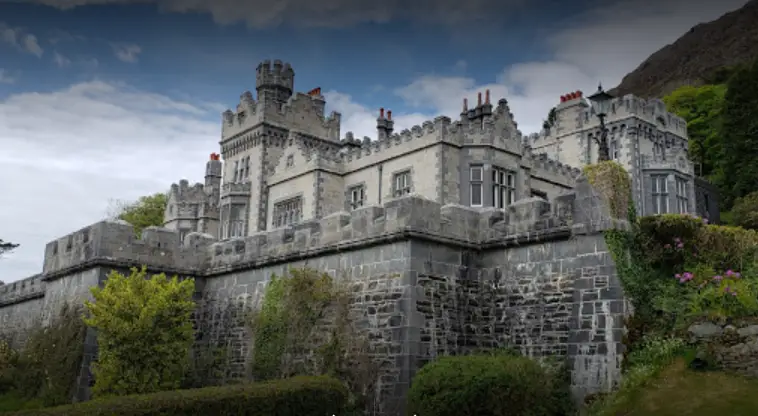
Most Visited Monuments in Ireland l Famous Monuments in Ireland
Ireland is an island nation and also one of the two major British Isles off of the coast of Western Europe set in the North Atlantic Ocean. The top monuments in Ireland exist in this beautiful island country and all … Continue reading
The post Most Visited Monuments in Ireland l Famous Monuments in Ireland appeared first on World Tour & Travel Guide, Get Travel Tips, Information, Discover Travel Destination | Adequate Travel.
Read More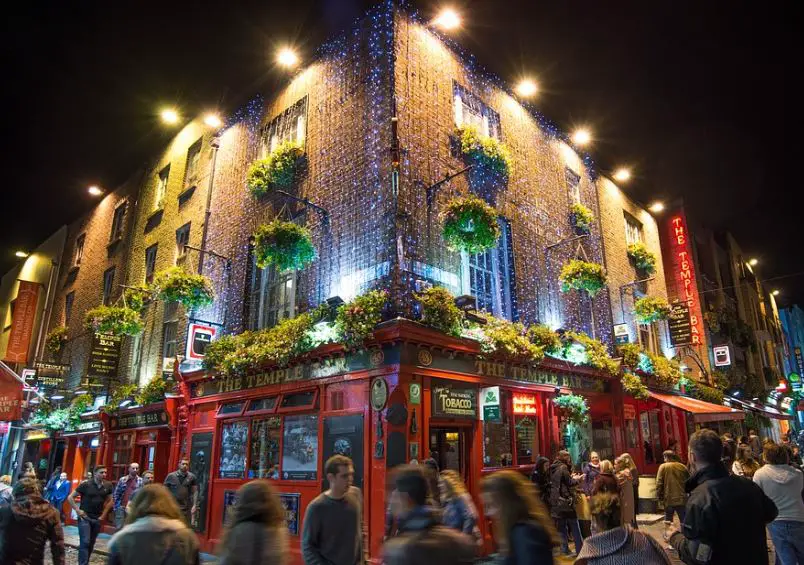
Best Cities in Ireland to Visit | Major Cities in Ireland
The cities of Ireland have a lot to offer visitors, from stunning scenery and quaint villages to bustling cities full of life. You will have heard of Dublin and Belfast. But why stop there? There are fantastic cities across the … Continue reading
The post Best Cities in Ireland to Visit | Major Cities in Ireland appeared first on World Tour & Travel Guide, Get Travel Tips, Information, Discover Travel Destination | Adequate Travel.
Read More
The Best but Unusual Places To See in Ireland
When most people think of Ireland they think of the Cliffs of Moher, Blarney Castle, and the Guinness Storehouse, but then this beautiful nation has so much more to offer! For those looking for off the beaten path attractions, these … Continue reading
The post The Best but Unusual Places To See in Ireland appeared first on World Tour & Travel Guide, Get Travel Tips, Information, Discover Travel Destination | Adequate Travel.
Read More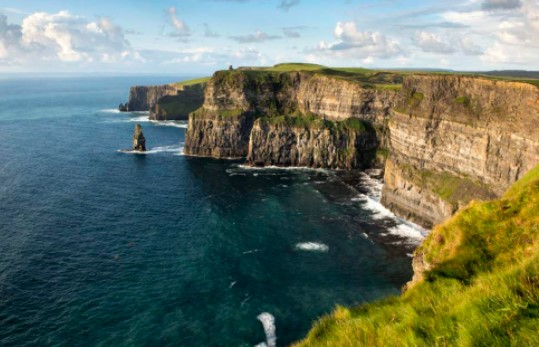
Updates on Travel Restriction in Ireland | Ireland During Covid-19
Ireland is a lively Northern Atlantic island country that is well known for its rich rebellious history, fossilized paleontological remains, pubs & lively nightlife. Surely it is the best destination to tour after a stressful pandemic year of 2020. Yet, … Continue reading
The post Updates on Travel Restriction in Ireland | Ireland During Covid-19 appeared first on World Tour & Travel Guide, Get Travel Tips, Information, Discover Travel Destination | Adequate Travel.
Read More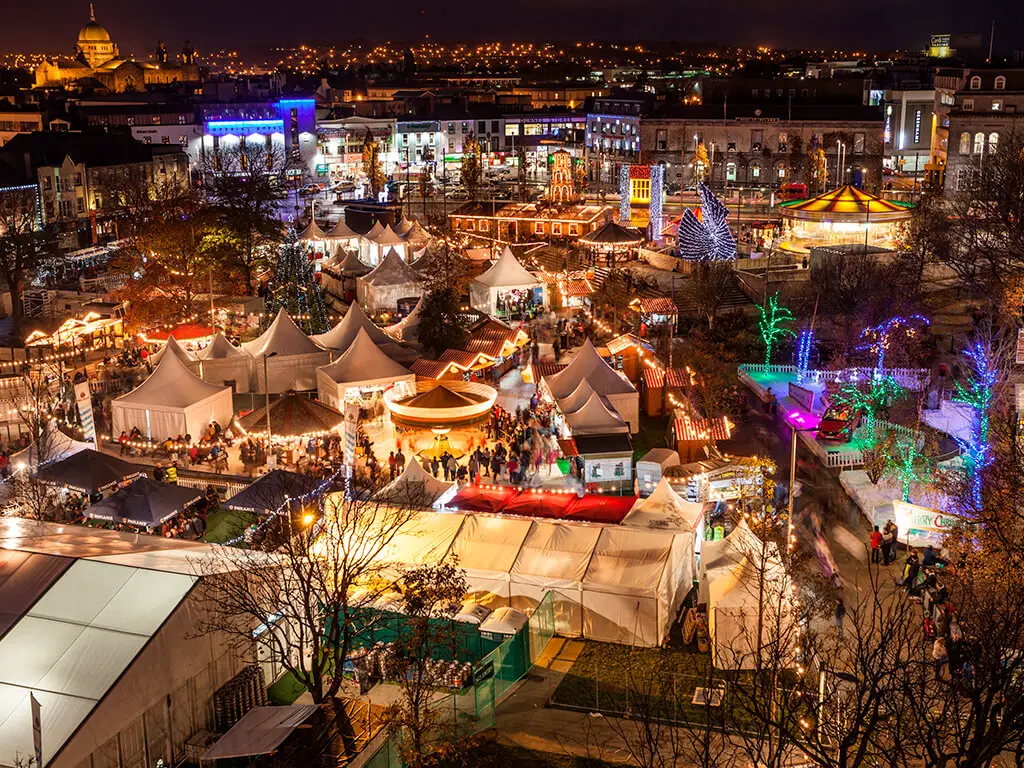
Top 10 Places to Visit in Ireland For Christmas 2021
Indeed! Irish winters are the most wonderful time of the year. Ireland is full of gorgeous looking and festive visits that any traveler mustn’t miss during Christmas. Cities offering unique items that are incredibly decorated shops are just magical. There … Continue reading
The post Top 10 Places to Visit in Ireland For Christmas 2021 appeared first on World Tour & Travel Guide, Get Travel Tips, Information, Discover Travel Destination | Adequate Travel.
Read More
Top 8 best Cities for Nightlife in Ireland
Are you planning traveling Ireland? Confused about what to do? During the day, there are many places for you to sightsee but what about the night? Nightlife in Ireland is also thrilling and adventurous in major cities. The best cities … Continue reading
The post Top 8 best Cities for Nightlife in Ireland appeared first on World Tour & Travel Guide, Get Travel Tips, Information, Discover Travel Destination | Adequate Travel.
Read More