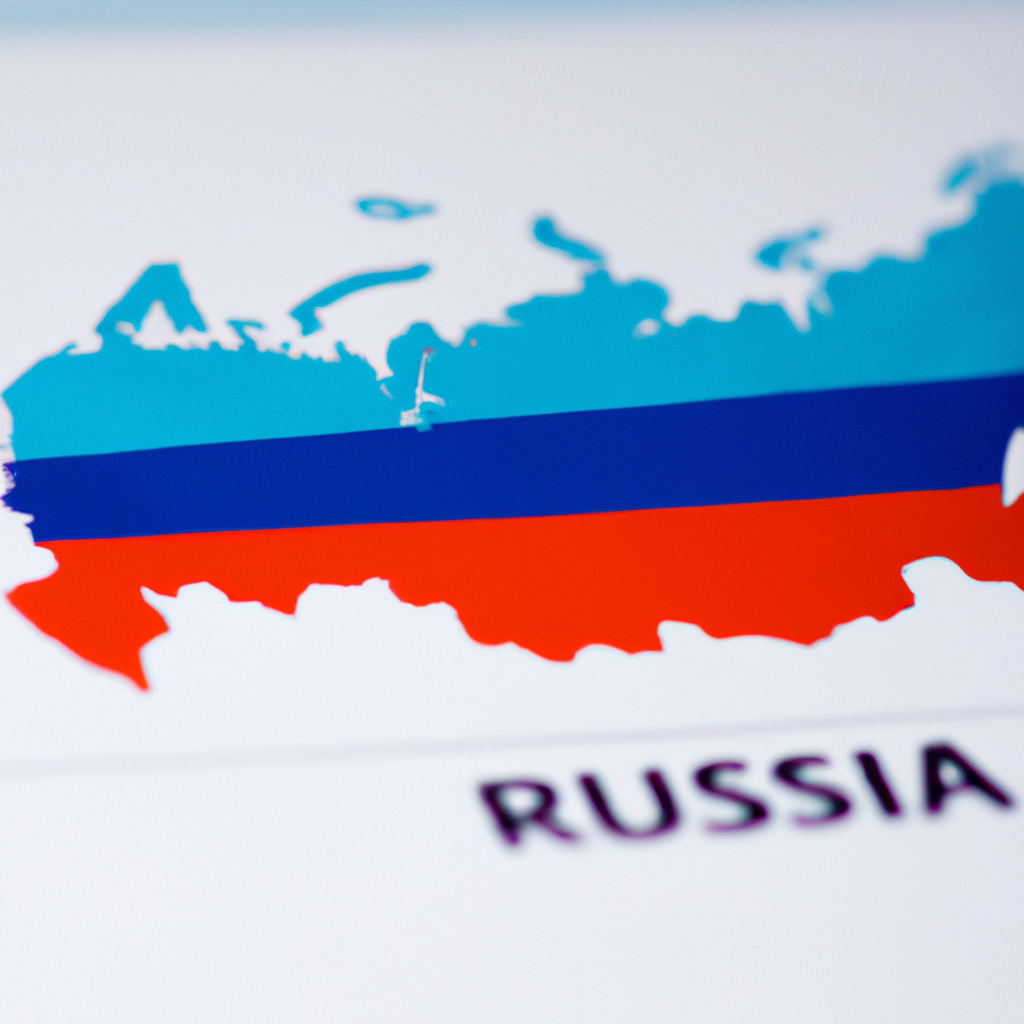
What are the customs for greeting people in Russia?

Post ByAdequate Travel
Summary
Russians are very particular about how they greet people. From their common phrases to the details of proper handshakes, learning the customs for greeting people in Russia is an important part of understanding the culture. In this blog, we'll explore the different ways Russians greet each other. As you prepare for your journey, familiarize yourself with the specific entry requirements, including any necessary visas or documentation.Customs for Greeting People in Russia
1. Handshakes:
- Handshakes are the most common form of greetings in Russia.- They are typically firm and accompanied by direct eye contact.- Men usually initiate handshakes with both men and women upon first meeting.- In a social setting, women may also greet with a handshake, a light kiss on the cheek, or a combination of both.2. Greetings and expressions:
- The most common greeting in Russian is "Zdravstvuyte" (Hello) or "Privet" (Hi).- When addressing someone formally or showing respect, it is customary to use their first name followed by their patronymic, such as "Ivanovna" for a woman or "Ivanovich" for a man.- In more casual settings among friends and family, first names are used without the patronymics.3. Body language and personal space:
- Russians generally maintain a closer personal space during conversations compared to some other cultures.- It is normal to stand closer to the person you are speaking with, and stepping back can be perceived as a lack of interest or detachment.- Maintaining direct eye contact while speaking is considered respectful and trustworthy.4. Hugging and kissing on the cheek:
- Among close friends and family members, hugging and kissing on the cheek (usually three times) is common.- Men may also greet female friends and relatives with a quick kiss on the cheek.5. Punctuality:
- Being on time for meetings and appointments is valued in Russian culture.- Arriving a few minutes early is considered polite and shows respect for the other person's time.6. Formal titles and respect:
- When addressing someone older or in a position of authority, referring to them using formal titles such as "Miss," "Sir," or "Madam" is recommended until given permission to use their first name.- Respect for elders and authority figures is deeply ingrained in Russian culture.Note: It's important to note that customs may vary depending on the region and the individual's familiarity with Western culture.Stay informed about any travel restrictions or travel rules in place, as they may vary depending on your destination within the country.Suggested Questions
You may also like
Top 10 Famous Food in Galway, Ireland | Best Foods to Eat in Galway
Galway is the harbor city of Ireland which holds a great diversity in Irish historic landmarks, seafood, and other authentic ancient cuisines. You can have the same basic cuisines being sold in the most expensive and cheapest Galway’s restaurants as … Continue reading
The post Top 10 Famous Food in Galway, Ireland | Best Foods to Eat in Galway appeared first on World Tour & Travel Guide, Get Travel Tips, Information, Discover Travel Destination | Adequate Travel.
Read More
Best Places for Shopping in Galway Ireland | Great Shopping Ideas for Galway
You might wonder Where to buy the best souvenirs or takeaways in Galway? when all your rides are either guided by your tour guides or google maps who shower you with tonnes of knowledge in which it’s so hard to … Continue reading
The post Best Places for Shopping in Galway Ireland | Great Shopping Ideas for Galway appeared first on World Tour & Travel Guide, Get Travel Tips, Information, Discover Travel Destination | Adequate Travel.
Read More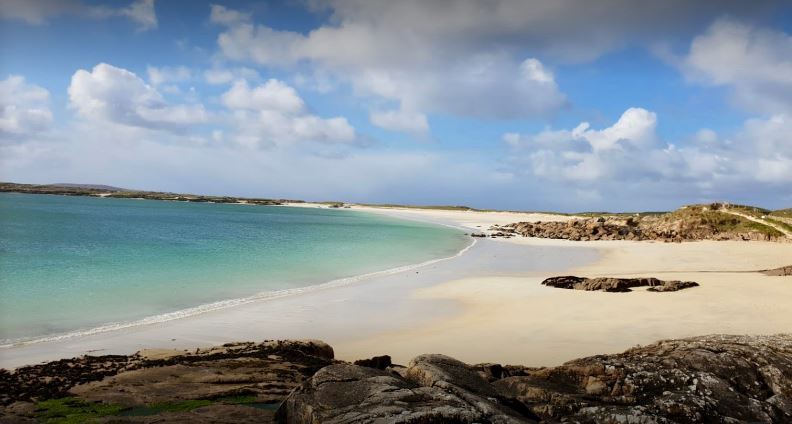
Best Beaches in Galway, Ireland | Beautiful Beaches to visit in Galway
Galway is among the famous port city of Ireland having myriad beautiful beaches all around its borders. Since Ireland experiences very chilly weather on major times of the year hence most areas of the beaches are special attractions only during … Continue reading
The post Best Beaches in Galway, Ireland | Beautiful Beaches to visit in Galway appeared first on World Tour & Travel Guide, Get Travel Tips, Information, Discover Travel Destination | Adequate Travel.
Read More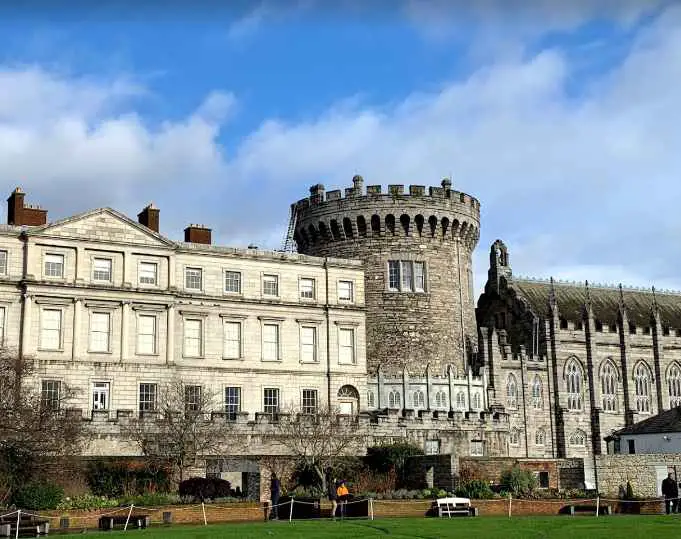
Most Visited Monuments in Dublin | Famous Monuments of Dublin, Ireland
Dublin is steeped in history and Irish heritage from the Guinness Storehouse to Dublin Castle. Monuments of Dublin have its fair share of history that honour the city and its citizens like every capital city. From Viking trading port to … Continue reading
The post Most Visited Monuments in Dublin | Famous Monuments of Dublin, Ireland appeared first on World Tour & Travel Guide, Get Travel Tips, Information, Discover Travel Destination | Adequate Travel.
Read More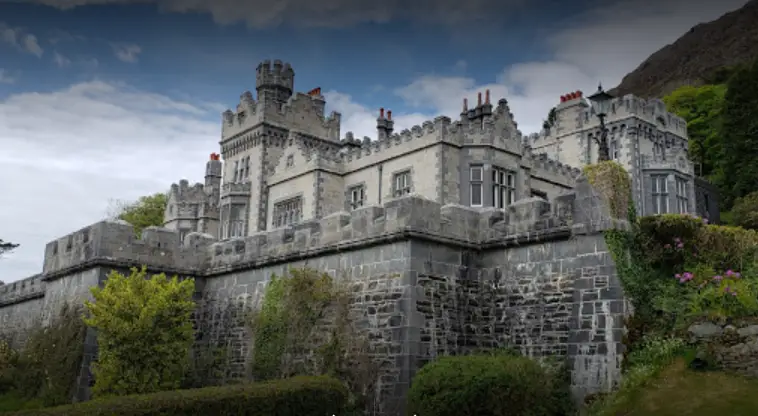
Most Visited Monuments in Ireland l Famous Monuments in Ireland
Ireland is an island nation and also one of the two major British Isles off of the coast of Western Europe set in the North Atlantic Ocean. The top monuments in Ireland exist in this beautiful island country and all … Continue reading
The post Most Visited Monuments in Ireland l Famous Monuments in Ireland appeared first on World Tour & Travel Guide, Get Travel Tips, Information, Discover Travel Destination | Adequate Travel.
Read More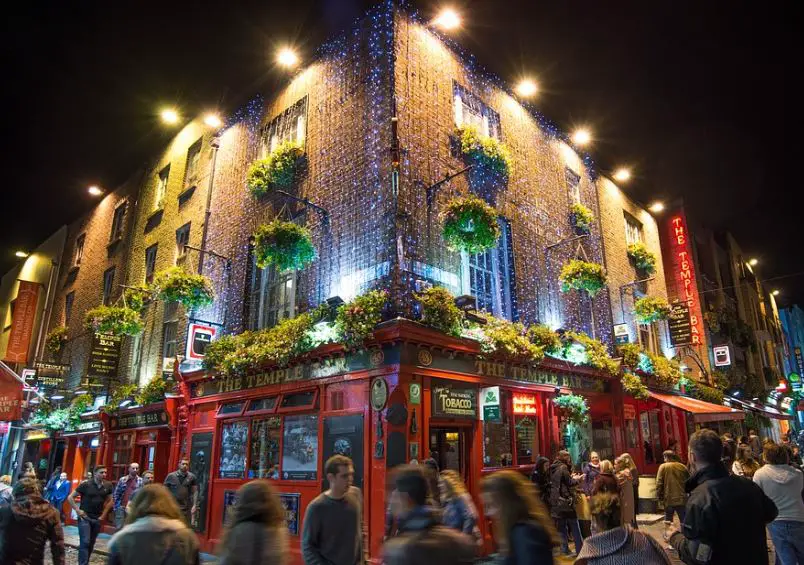
Best Cities in Ireland to Visit | Major Cities in Ireland
The cities of Ireland have a lot to offer visitors, from stunning scenery and quaint villages to bustling cities full of life. You will have heard of Dublin and Belfast. But why stop there? There are fantastic cities across the … Continue reading
The post Best Cities in Ireland to Visit | Major Cities in Ireland appeared first on World Tour & Travel Guide, Get Travel Tips, Information, Discover Travel Destination | Adequate Travel.
Read More
The Best but Unusual Places To See in Ireland
When most people think of Ireland they think of the Cliffs of Moher, Blarney Castle, and the Guinness Storehouse, but then this beautiful nation has so much more to offer! For those looking for off the beaten path attractions, these … Continue reading
The post The Best but Unusual Places To See in Ireland appeared first on World Tour & Travel Guide, Get Travel Tips, Information, Discover Travel Destination | Adequate Travel.
Read More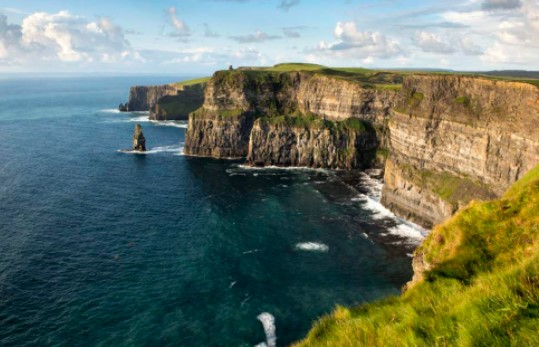
Updates on Travel Restriction in Ireland | Ireland During Covid-19
Ireland is a lively Northern Atlantic island country that is well known for its rich rebellious history, fossilized paleontological remains, pubs & lively nightlife. Surely it is the best destination to tour after a stressful pandemic year of 2020. Yet, … Continue reading
The post Updates on Travel Restriction in Ireland | Ireland During Covid-19 appeared first on World Tour & Travel Guide, Get Travel Tips, Information, Discover Travel Destination | Adequate Travel.
Read More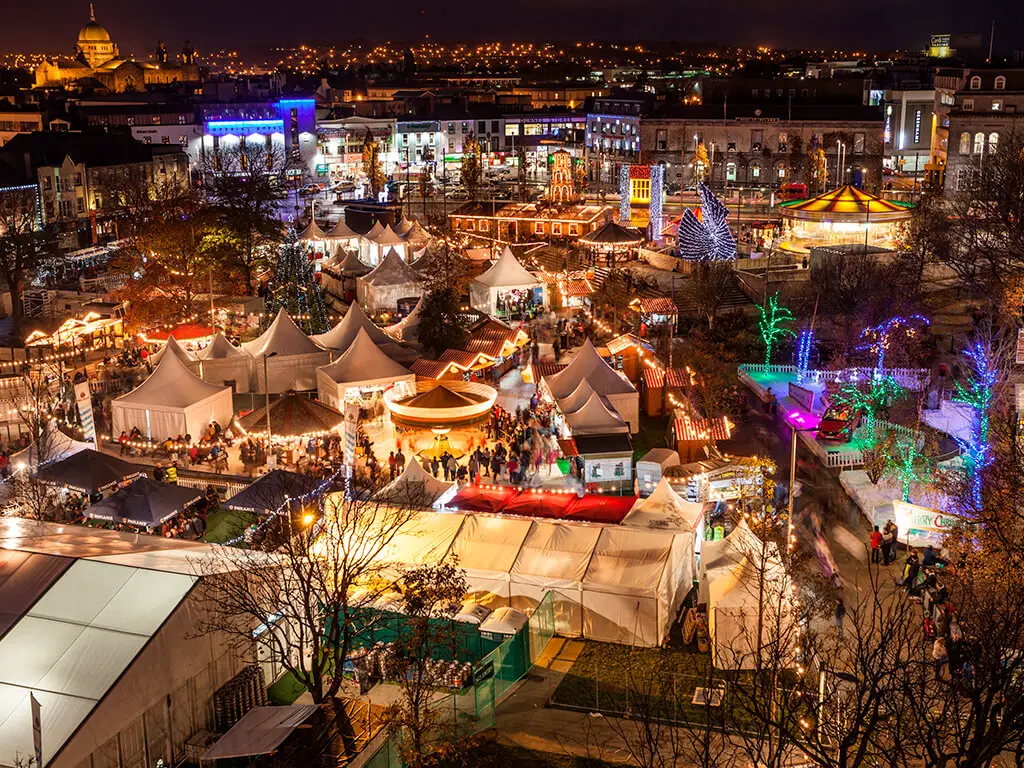
Top 10 Places to Visit in Ireland For Christmas 2021
Indeed! Irish winters are the most wonderful time of the year. Ireland is full of gorgeous looking and festive visits that any traveler mustn’t miss during Christmas. Cities offering unique items that are incredibly decorated shops are just magical. There … Continue reading
The post Top 10 Places to Visit in Ireland For Christmas 2021 appeared first on World Tour & Travel Guide, Get Travel Tips, Information, Discover Travel Destination | Adequate Travel.
Read More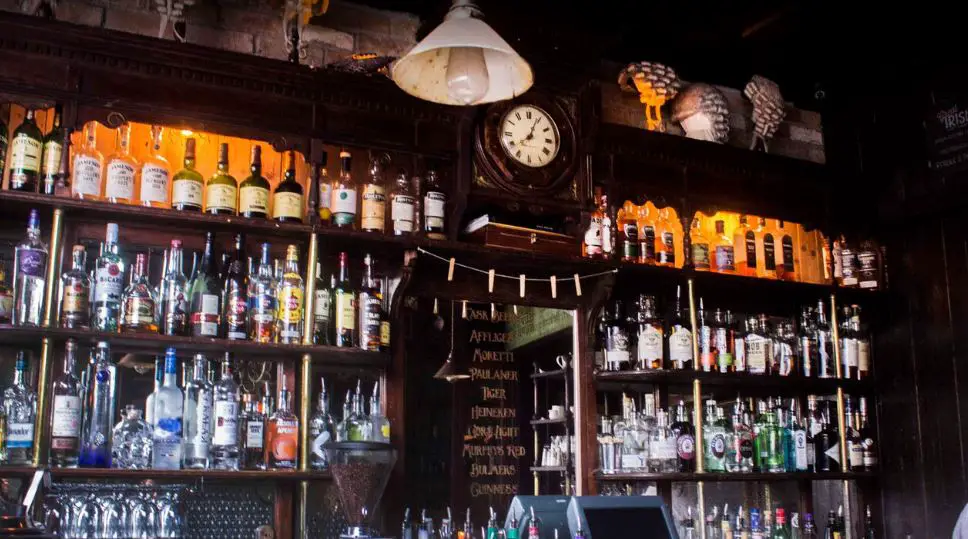
Top 8 best Cities for Nightlife in Ireland
Are you planning traveling Ireland? Confused about what to do? During the day, there are many places for you to sightsee but what about the night? Nightlife in Ireland is also thrilling and adventurous in major cities. The best cities … Continue reading
The post Top 8 best Cities for Nightlife in Ireland appeared first on World Tour & Travel Guide, Get Travel Tips, Information, Discover Travel Destination | Adequate Travel.
Read More