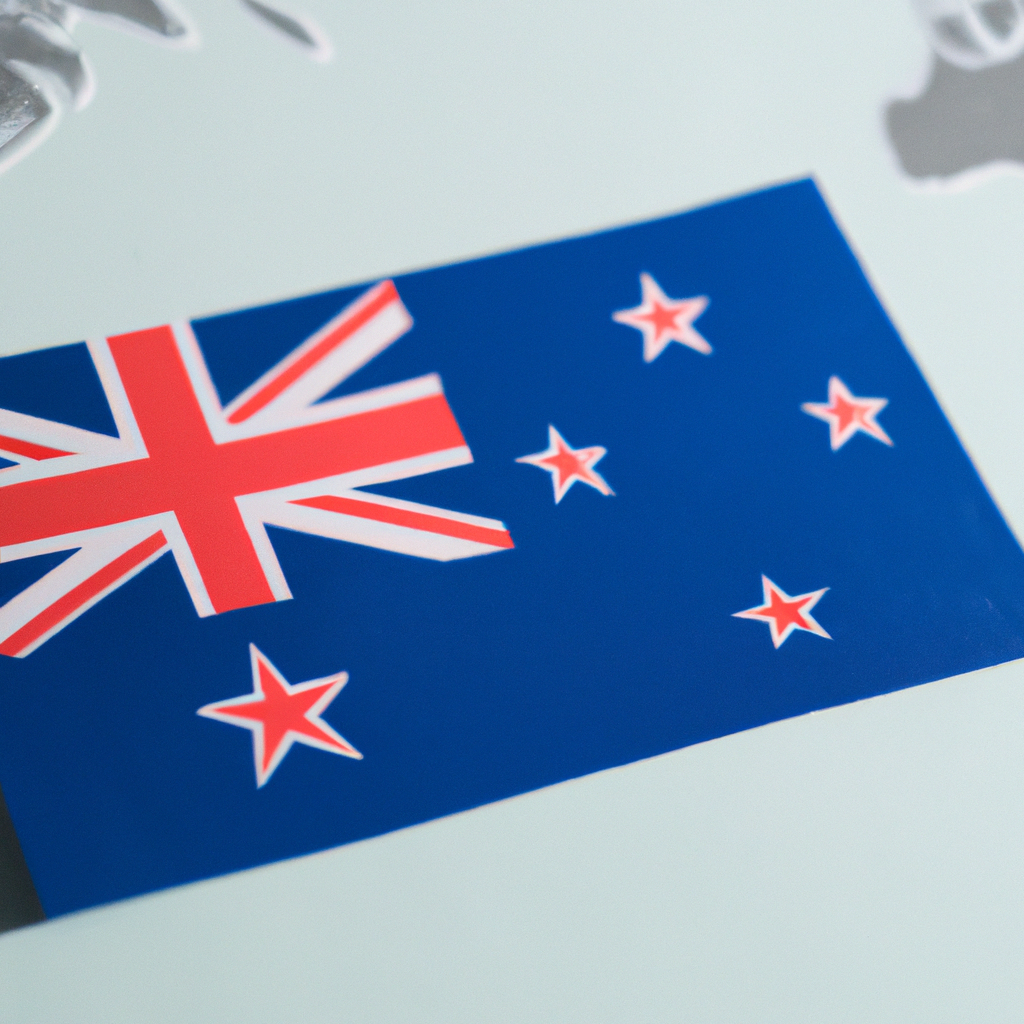
Local Wildlife: 155. Can I feed wildlife in New Zealand?

Post ByAdequate Travel
Summary
If you're visiting New Zealand or even if you're a local, you may be wondering - can I feed the local wildlife? While feeding wild animals may be enjoyable, it can also be detrimental for the species and their environment. In this blog, we'll discuss the implications of feeding the wildlife native to New Zealand. Travellers can find valuable travel information for tourists, such as local customs, must-see attractions, and dining recommendations, to make the most of their trip.Can I feed wildlife in New Zealand?
Feeding wildlife in New Zealand is generally discouraged and often prohibited in certain areas. This is because feeding wildlife can have negative consequences for both the animals and the environment. Here are a few reasons why feeding wildlife is discouraged in New Zealand:
1. Disturbs Natural Behavior
Feeding wildlife can disrupt their natural foraging and hunting behaviors. When animals become dependent on human-provided food, they may lose their ability to find and obtain food on their own. This can ultimately harm their survival skills and lead to overpopulation in certain areas.
2. Health Risks
Feeding wildlife can lead to an unbalanced diet, resulting in malnutrition or disease. Additionally, human food is often not suitable or safe for consumption by wildlife, leading to potential health risks for the animals.
3. Habitat Modification
Feeding wildlife can modify their natural habitats. When animals gather in large numbers to access human-provided food, it can put additional pressure on local ecosystems. This can cause damage to native vegetation, soil erosion, and disrupt the balance of local wildlife populations.
4. Aggressive Behavior
Hand-feeding wildlife can lead to aggressive behavior towards humans or other animals. Animals may become conditioned to associating humans with food, increasing the likelihood of approaching people for food or becoming territorial and aggressive towards humans or other animals that enter their feeding areas.
5. Conservation Efforts
New Zealand is known for its unique and fragile ecosystem, with many endemic species found nowhere else in the world. The country has a strong focus on conservation, and feeding wildlife goes against efforts to maintain the natural balance and protect native species.
Overall, it is important to respect and appreciate wildlife from a distance without interfering with their natural behaviors and habitats. Instead of feeding wildlife, visitors are encouraged to learn about local species, support conservation efforts, and enjoy observing them in their natural environment.Travellers can find valuable travel information for tourists, such as local customs, must-see attractions, and dining recommendations, to make the most of their trip.Suggested Questions
- The St. Paul's Cathedral, Dunedin: Horror Story, History & Paranomial Activities
- The Napier Cemetery, Napier: Horror Story, History & Paranomial Activities
- The Te Manawa Museum of Art, Science, and History, Palmerston North: Horror Story, History & Paranomial Activities
- The Old Customhouse, New Plymouth: Horror Story, History & Paranomial Activities
- Victoria Street, Hamilton: Horror Story, History & Paranomial Activities
- Lake Wakatipu, Queenstown: Horror Story, History & Paranomial Activities
Questions new-zealand
You may also like
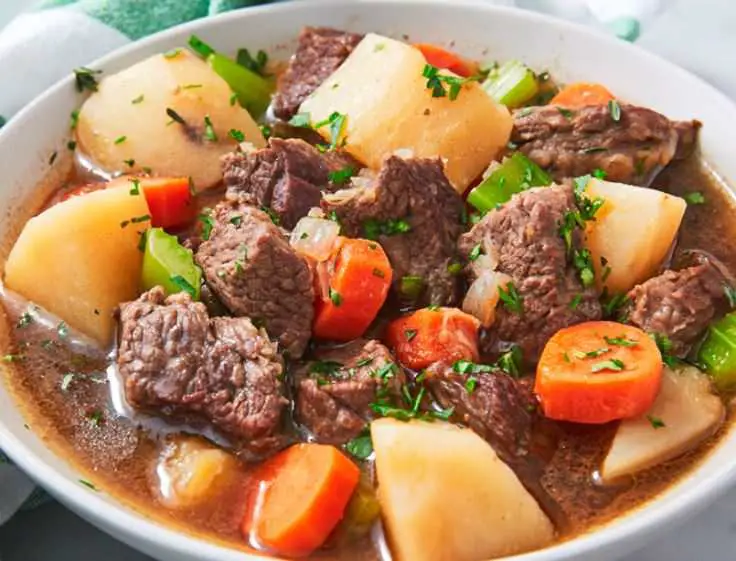
Top 10 Famous Food in Galway, Ireland | Best Foods to Eat in Galway
Galway is the harbor city of Ireland which holds a great diversity in Irish historic landmarks, seafood, and other authentic ancient cuisines. You can have the same basic cuisines being sold in the most expensive and cheapest Galway’s restaurants as … Continue reading
The post Top 10 Famous Food in Galway, Ireland | Best Foods to Eat in Galway appeared first on World Tour & Travel Guide, Get Travel Tips, Information, Discover Travel Destination | Adequate Travel.
Read More
Best Places for Shopping in Galway Ireland | Great Shopping Ideas for Galway
You might wonder Where to buy the best souvenirs or takeaways in Galway? when all your rides are either guided by your tour guides or google maps who shower you with tonnes of knowledge in which it’s so hard to … Continue reading
The post Best Places for Shopping in Galway Ireland | Great Shopping Ideas for Galway appeared first on World Tour & Travel Guide, Get Travel Tips, Information, Discover Travel Destination | Adequate Travel.
Read More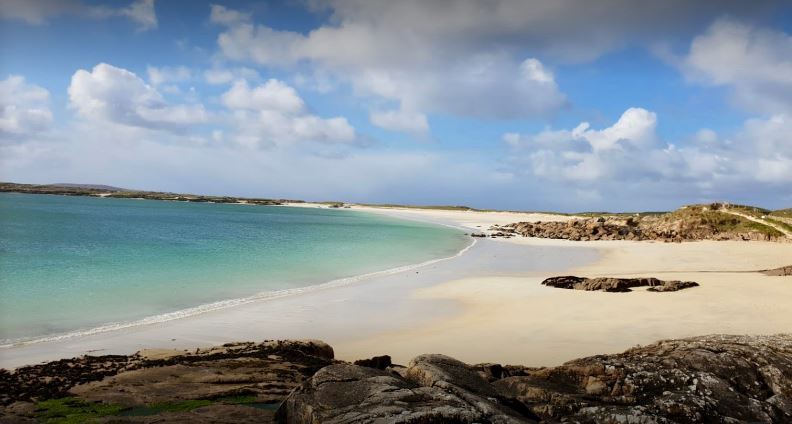
Best Beaches in Galway, Ireland | Beautiful Beaches to visit in Galway
Galway is among the famous port city of Ireland having myriad beautiful beaches all around its borders. Since Ireland experiences very chilly weather on major times of the year hence most areas of the beaches are special attractions only during … Continue reading
The post Best Beaches in Galway, Ireland | Beautiful Beaches to visit in Galway appeared first on World Tour & Travel Guide, Get Travel Tips, Information, Discover Travel Destination | Adequate Travel.
Read More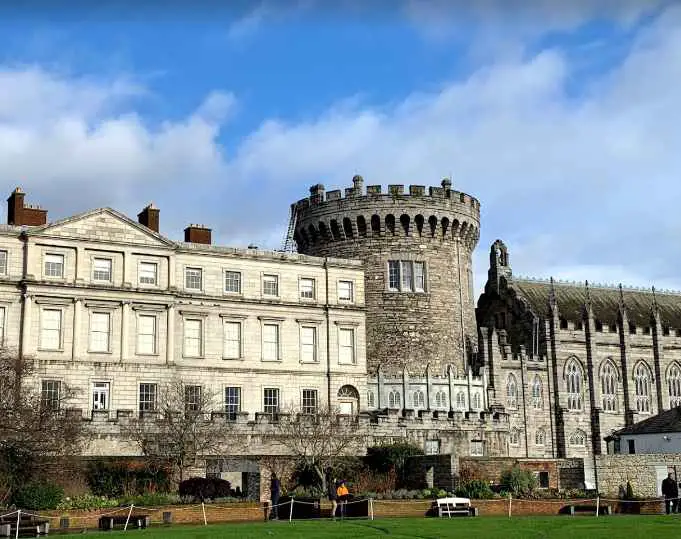
Most Visited Monuments in Dublin | Famous Monuments of Dublin, Ireland
Dublin is steeped in history and Irish heritage from the Guinness Storehouse to Dublin Castle. Monuments of Dublin have its fair share of history that honour the city and its citizens like every capital city. From Viking trading port to … Continue reading
The post Most Visited Monuments in Dublin | Famous Monuments of Dublin, Ireland appeared first on World Tour & Travel Guide, Get Travel Tips, Information, Discover Travel Destination | Adequate Travel.
Read More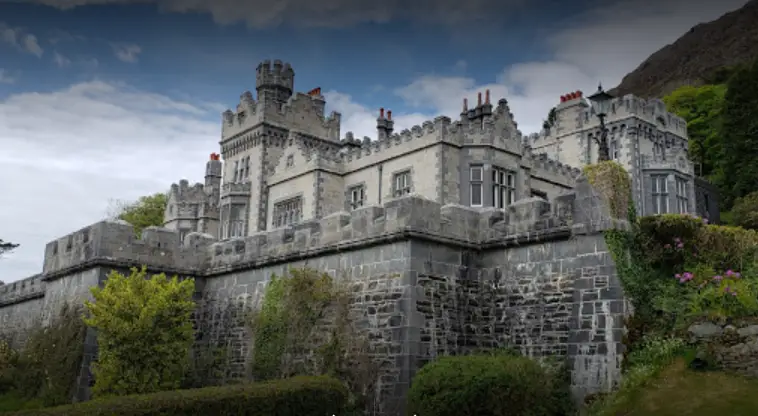
Most Visited Monuments in Ireland l Famous Monuments in Ireland
Ireland is an island nation and also one of the two major British Isles off of the coast of Western Europe set in the North Atlantic Ocean. The top monuments in Ireland exist in this beautiful island country and all … Continue reading
The post Most Visited Monuments in Ireland l Famous Monuments in Ireland appeared first on World Tour & Travel Guide, Get Travel Tips, Information, Discover Travel Destination | Adequate Travel.
Read More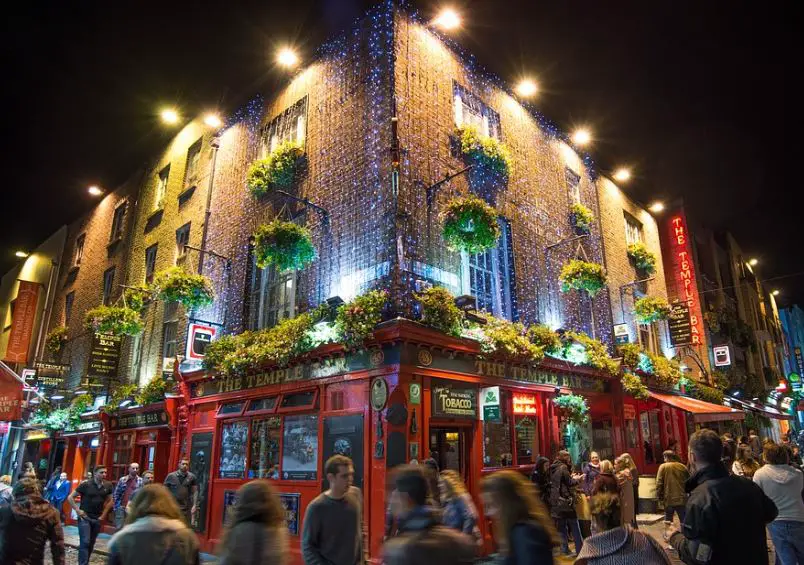
Best Cities in Ireland to Visit | Major Cities in Ireland
The cities of Ireland have a lot to offer visitors, from stunning scenery and quaint villages to bustling cities full of life. You will have heard of Dublin and Belfast. But why stop there? There are fantastic cities across the … Continue reading
The post Best Cities in Ireland to Visit | Major Cities in Ireland appeared first on World Tour & Travel Guide, Get Travel Tips, Information, Discover Travel Destination | Adequate Travel.
Read More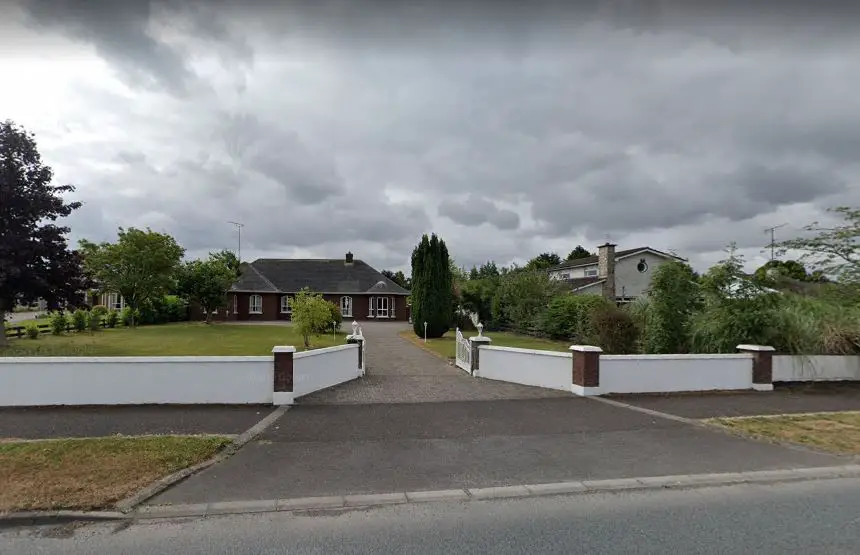
The Best but Unusual Places To See in Ireland
When most people think of Ireland they think of the Cliffs of Moher, Blarney Castle, and the Guinness Storehouse, but then this beautiful nation has so much more to offer! For those looking for off the beaten path attractions, these … Continue reading
The post The Best but Unusual Places To See in Ireland appeared first on World Tour & Travel Guide, Get Travel Tips, Information, Discover Travel Destination | Adequate Travel.
Read More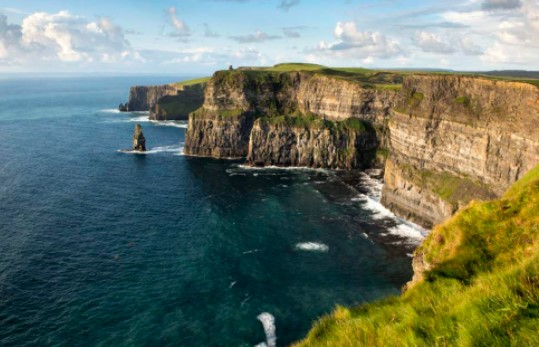
Updates on Travel Restriction in Ireland | Ireland During Covid-19
Ireland is a lively Northern Atlantic island country that is well known for its rich rebellious history, fossilized paleontological remains, pubs & lively nightlife. Surely it is the best destination to tour after a stressful pandemic year of 2020. Yet, … Continue reading
The post Updates on Travel Restriction in Ireland | Ireland During Covid-19 appeared first on World Tour & Travel Guide, Get Travel Tips, Information, Discover Travel Destination | Adequate Travel.
Read More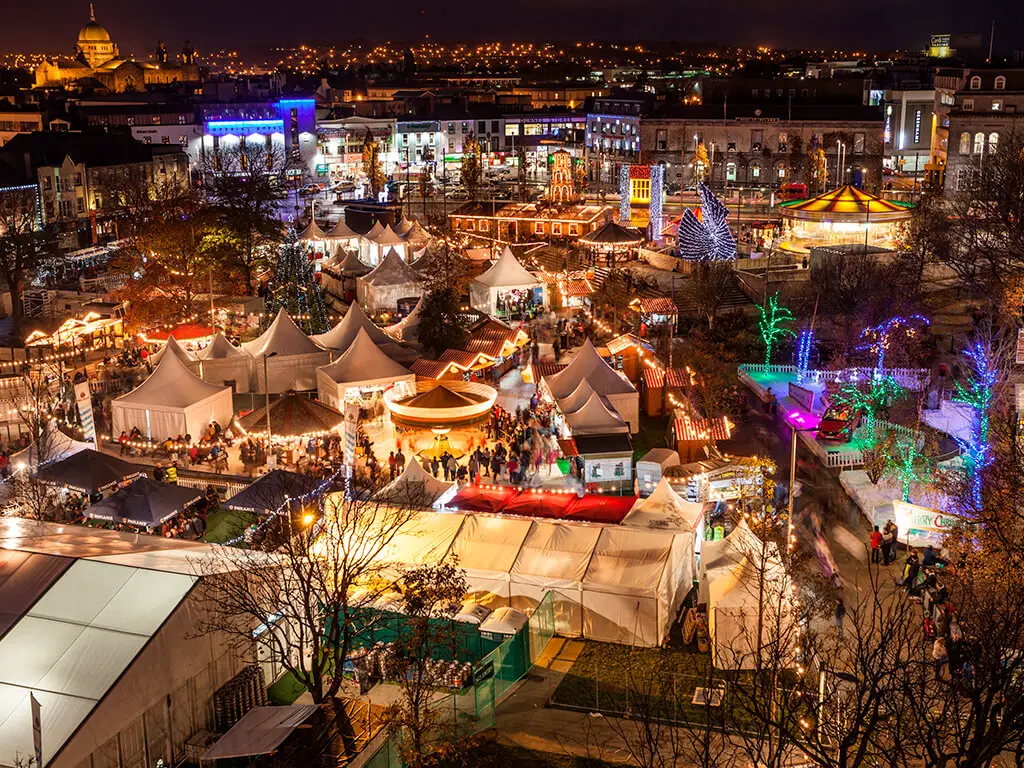
Top 10 Places to Visit in Ireland For Christmas 2021
Indeed! Irish winters are the most wonderful time of the year. Ireland is full of gorgeous looking and festive visits that any traveler mustn’t miss during Christmas. Cities offering unique items that are incredibly decorated shops are just magical. There … Continue reading
The post Top 10 Places to Visit in Ireland For Christmas 2021 appeared first on World Tour & Travel Guide, Get Travel Tips, Information, Discover Travel Destination | Adequate Travel.
Read More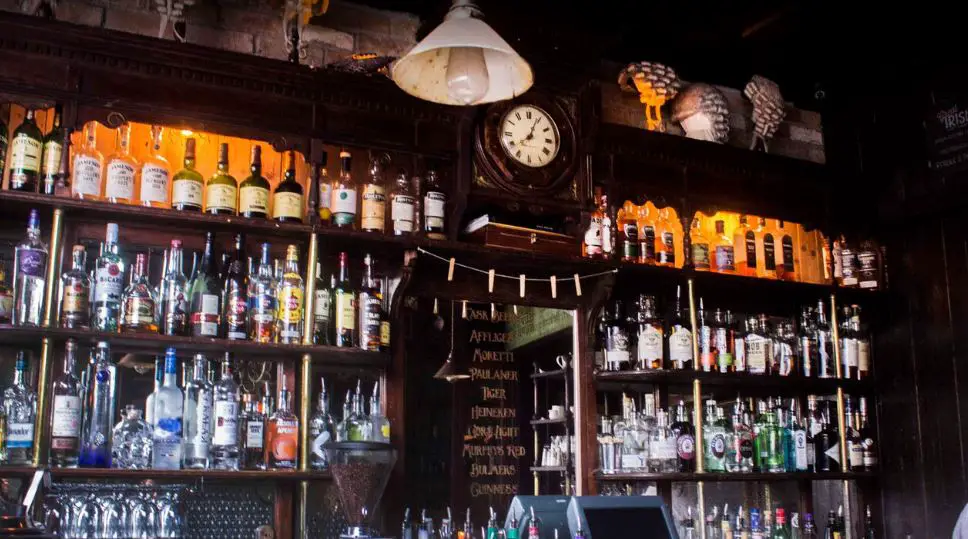
Top 8 best Cities for Nightlife in Ireland
Are you planning traveling Ireland? Confused about what to do? During the day, there are many places for you to sightsee but what about the night? Nightlife in Ireland is also thrilling and adventurous in major cities. The best cities … Continue reading
The post Top 8 best Cities for Nightlife in Ireland appeared first on World Tour & Travel Guide, Get Travel Tips, Information, Discover Travel Destination | Adequate Travel.
Read More