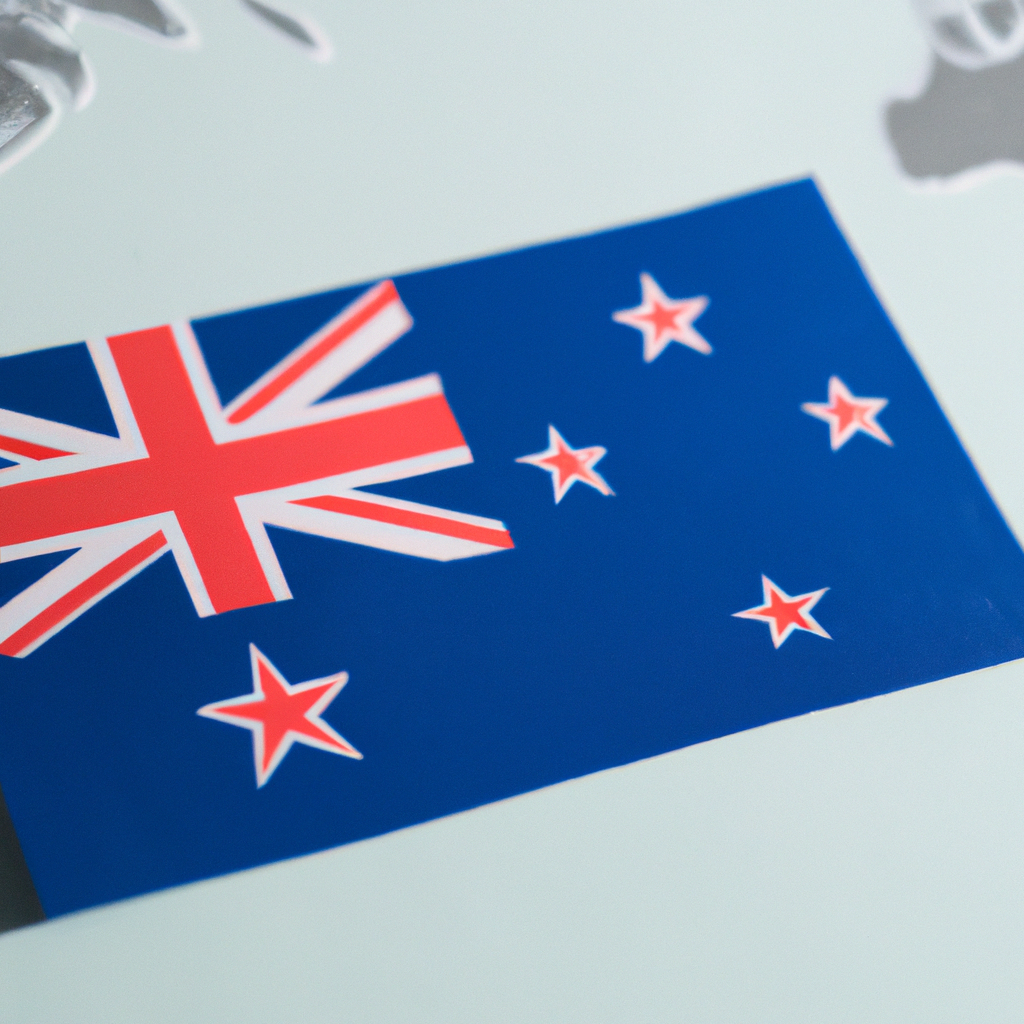
How can I participate in a powhiri (Maori welcoming ceremony)?

Post ByAdequate Travel
Summary
A powhiri is a unique traditional Maori ceremony used to welcome visitors and is an important part of the local culture in New Zealand. In this blog, you'll learn more about what a powhiri is and how you can participate in a powhiri if you ever find yourself invited to one. The place is known for its rich history and culture, welcomes tourists with open arms. However, be sure to review the travel advisory and travel warnings to ensure a safe and enjoyable experience.Step 1: Knowledge and Understanding
Before participating in a Powhiri, it is important to have a basic understanding of the Maori culture and customs. Learn about traditional greetings, protocols, and the significance of Powhiri in Maori traditions. Researching and respecting the cultural practices is essential to participate and show appropriate respect.
Step 2: Seek Permission
It is polite to seek permission from the local Maori community or the Marae (Maori meeting grounds) before attending a Powhiri. Contact the Marae representative or local iwi (tribe) to express your interest in participating and ask for their guidance on how to proceed.
Step 3: Dress Appropriately
Wear appropriate attire for the Powhiri. Traditional Maori clothing includes a korowai (flax cloak), piupiu (flax skirt), and pihepi (sheepskin) for males, and a piupiu or long dress for females. If you don't have these traditional garments, aim for a respectful and modest appearance, avoiding offensive or culturally inappropriate clothing.
Step 4: Arriving at the Marae
Upon arrival, wait at the designated area or entrance of the Marae. The Kaikaranga, a female ceremonial caller, will give the signal for you to approach. Wait until she finishes the Karanga (traditional call), then move slowly towards the meeting house.
Step 5: Hongi Greeting
As you enter the meeting house, the hosts will perform the Hongi, a traditional Maori greeting. The Hongi involves pressing noses together followed by a firm handshake. Follow the lead of the hosts and reciprocate with the Hongi and handshake.
Step 6: Waiata (Singing)
During the Powhiri, there will be moments of waiata (singing). Join in by listening and learning the lyrics beforehand, if possible. Try to engage respectfully and participate in the waiata as much as you feel comfortable.
Step 7: Whaikorero (Speeches)
At some point during the Powhiri, there will be speeches known as Whaikorero. These speeches express respect, gratitude, and acknowledgement of each other's presence. If you have been given the opportunity to speak, prepare a short speech beforehand to show your gratitude and respect for the hosts and the opportunity to participate in the Powhiri.
Step 8: Kai (Food)
After the Powhiri, there may be a shared meal called Kai. Wait for the hosts to invite you to join the meal. Show appreciation, and if you have any dietary restrictions or preferences, it is polite to inform the hosts in advance.
Remember, each Powhiri may have slight variations depending on the local customs and iwi traditions. It is crucial to approach each Powhiri with an open mind, respect, and willingness to learn and adapt to the cultural practices of the specific community you are engaging with.
Travellers can find valuable travel information for tourists, such as local customs, must-see attractions, and dining recommendations, to make the most of their trip.Suggested Questions
- Whanganui River, Whanganui: Horror Story, History & Paranomial Activities
- New Zealand Fighter Pilots Museum, Wanaka: Horror Story, History & Paranomial Activities
- The New Zealand Portrait Gallery, Wellington: Horror Story, History & Paranomial Activities
- Napier Old Prison, Napier: Horror Story, History & Paranomial Activities
- Nott Memorial, Dunedin: Horror Story, History & Paranomial Activities
- The Carterton Events Centre, Carterton: Horror Story, History & Paranomial Activities
Questions new-zealand
You may also like
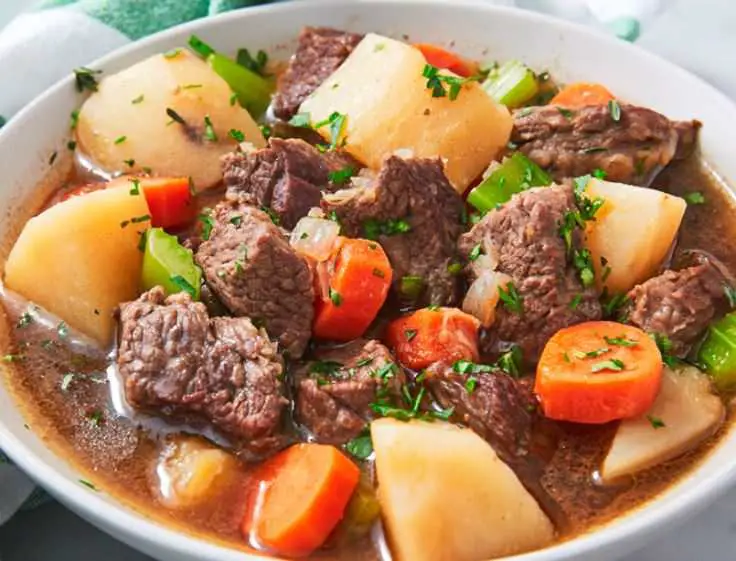
Top 10 Famous Food in Galway, Ireland | Best Foods to Eat in Galway
Galway is the harbor city of Ireland which holds a great diversity in Irish historic landmarks, seafood, and other authentic ancient cuisines. You can have the same basic cuisines being sold in the most expensive and cheapest Galway’s restaurants as … Continue reading
The post Top 10 Famous Food in Galway, Ireland | Best Foods to Eat in Galway appeared first on World Tour & Travel Guide, Get Travel Tips, Information, Discover Travel Destination | Adequate Travel.
Read More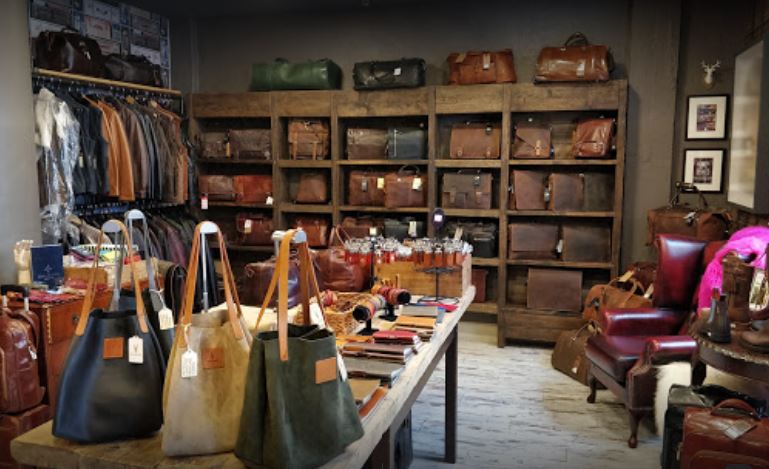
Best Places for Shopping in Galway Ireland | Great Shopping Ideas for Galway
You might wonder Where to buy the best souvenirs or takeaways in Galway? when all your rides are either guided by your tour guides or google maps who shower you with tonnes of knowledge in which it’s so hard to … Continue reading
The post Best Places for Shopping in Galway Ireland | Great Shopping Ideas for Galway appeared first on World Tour & Travel Guide, Get Travel Tips, Information, Discover Travel Destination | Adequate Travel.
Read More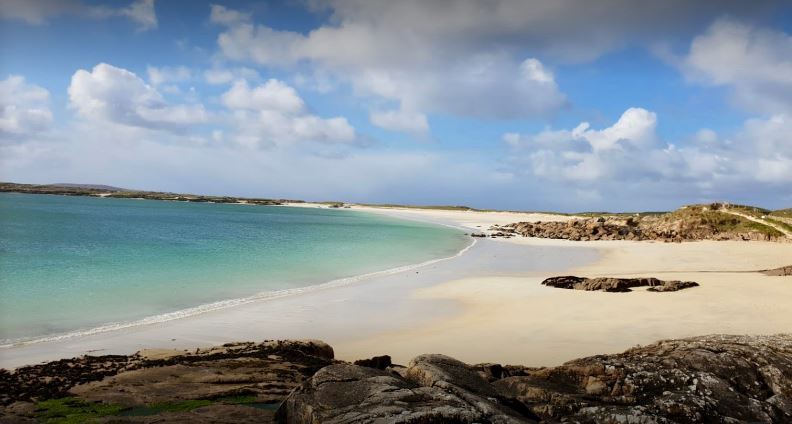
Best Beaches in Galway, Ireland | Beautiful Beaches to visit in Galway
Galway is among the famous port city of Ireland having myriad beautiful beaches all around its borders. Since Ireland experiences very chilly weather on major times of the year hence most areas of the beaches are special attractions only during … Continue reading
The post Best Beaches in Galway, Ireland | Beautiful Beaches to visit in Galway appeared first on World Tour & Travel Guide, Get Travel Tips, Information, Discover Travel Destination | Adequate Travel.
Read More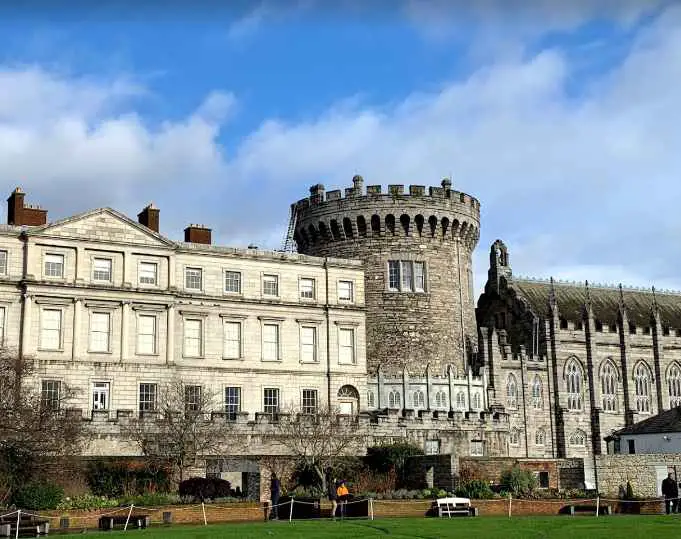
Most Visited Monuments in Dublin | Famous Monuments of Dublin, Ireland
Dublin is steeped in history and Irish heritage from the Guinness Storehouse to Dublin Castle. Monuments of Dublin have its fair share of history that honour the city and its citizens like every capital city. From Viking trading port to … Continue reading
The post Most Visited Monuments in Dublin | Famous Monuments of Dublin, Ireland appeared first on World Tour & Travel Guide, Get Travel Tips, Information, Discover Travel Destination | Adequate Travel.
Read More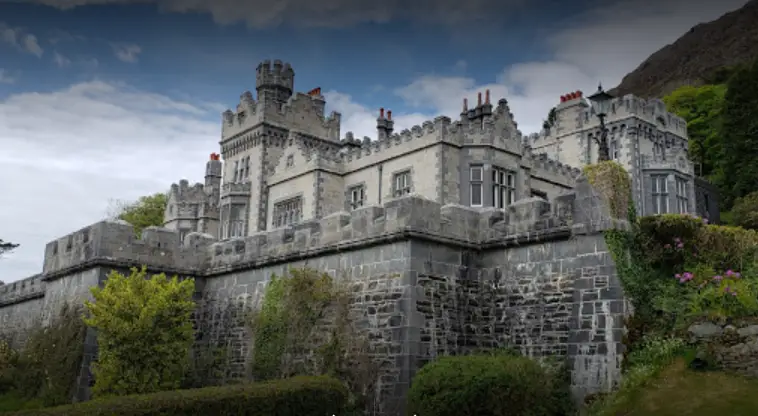
Most Visited Monuments in Ireland l Famous Monuments in Ireland
Ireland is an island nation and also one of the two major British Isles off of the coast of Western Europe set in the North Atlantic Ocean. The top monuments in Ireland exist in this beautiful island country and all … Continue reading
The post Most Visited Monuments in Ireland l Famous Monuments in Ireland appeared first on World Tour & Travel Guide, Get Travel Tips, Information, Discover Travel Destination | Adequate Travel.
Read More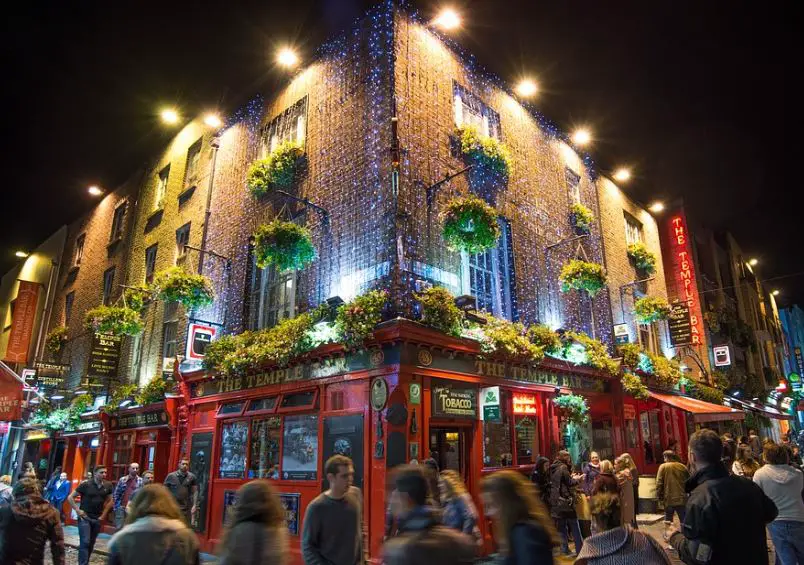
Best Cities in Ireland to Visit | Major Cities in Ireland
The cities of Ireland have a lot to offer visitors, from stunning scenery and quaint villages to bustling cities full of life. You will have heard of Dublin and Belfast. But why stop there? There are fantastic cities across the … Continue reading
The post Best Cities in Ireland to Visit | Major Cities in Ireland appeared first on World Tour & Travel Guide, Get Travel Tips, Information, Discover Travel Destination | Adequate Travel.
Read More
The Best but Unusual Places To See in Ireland
When most people think of Ireland they think of the Cliffs of Moher, Blarney Castle, and the Guinness Storehouse, but then this beautiful nation has so much more to offer! For those looking for off the beaten path attractions, these … Continue reading
The post The Best but Unusual Places To See in Ireland appeared first on World Tour & Travel Guide, Get Travel Tips, Information, Discover Travel Destination | Adequate Travel.
Read More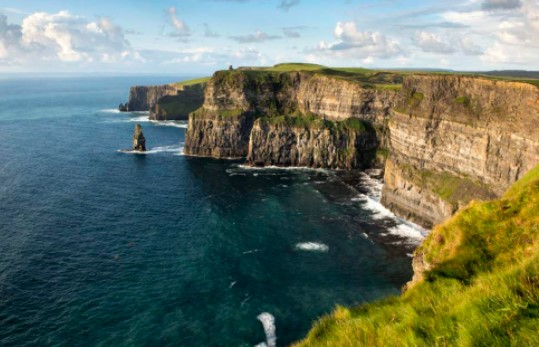
Updates on Travel Restriction in Ireland | Ireland During Covid-19
Ireland is a lively Northern Atlantic island country that is well known for its rich rebellious history, fossilized paleontological remains, pubs & lively nightlife. Surely it is the best destination to tour after a stressful pandemic year of 2020. Yet, … Continue reading
The post Updates on Travel Restriction in Ireland | Ireland During Covid-19 appeared first on World Tour & Travel Guide, Get Travel Tips, Information, Discover Travel Destination | Adequate Travel.
Read More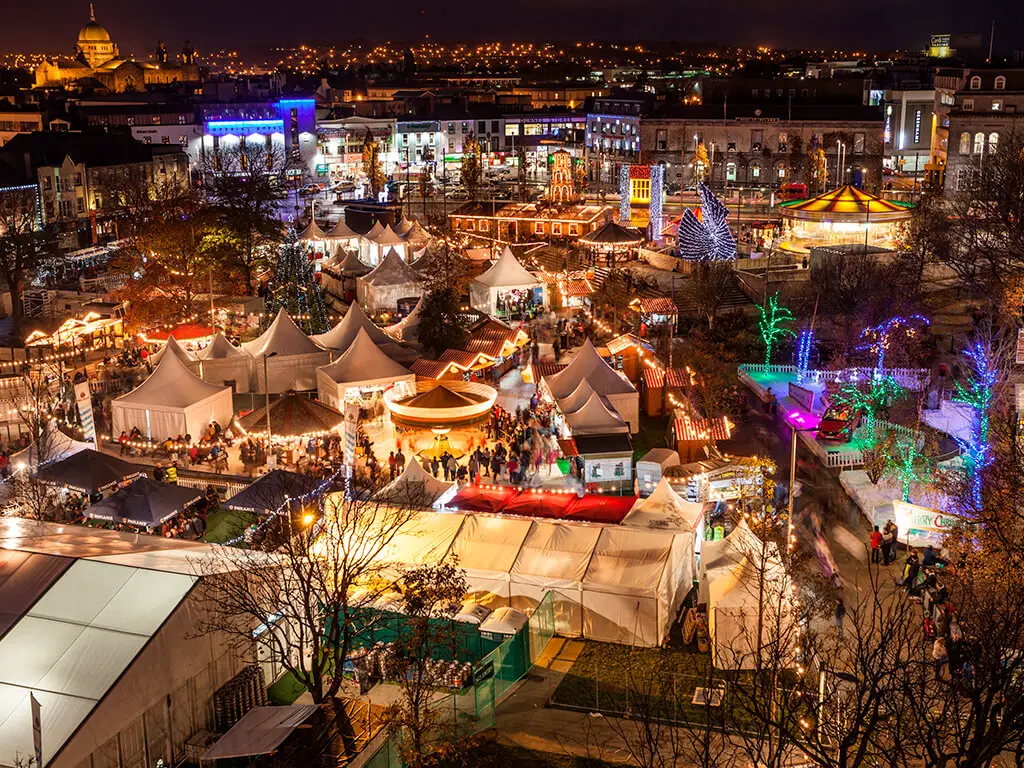
Top 10 Places to Visit in Ireland For Christmas 2021
Indeed! Irish winters are the most wonderful time of the year. Ireland is full of gorgeous looking and festive visits that any traveler mustn’t miss during Christmas. Cities offering unique items that are incredibly decorated shops are just magical. There … Continue reading
The post Top 10 Places to Visit in Ireland For Christmas 2021 appeared first on World Tour & Travel Guide, Get Travel Tips, Information, Discover Travel Destination | Adequate Travel.
Read More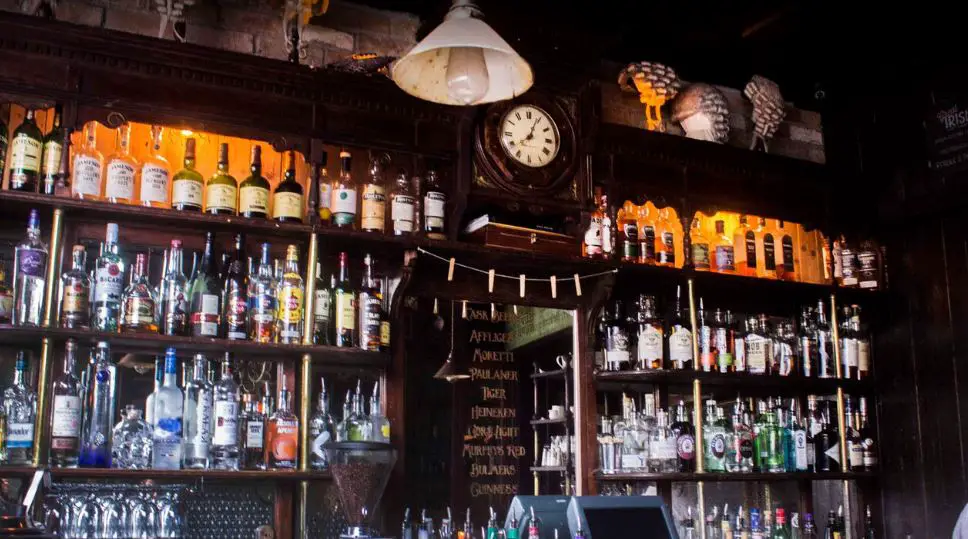
Top 8 best Cities for Nightlife in Ireland
Are you planning traveling Ireland? Confused about what to do? During the day, there are many places for you to sightsee but what about the night? Nightlife in Ireland is also thrilling and adventurous in major cities. The best cities … Continue reading
The post Top 8 best Cities for Nightlife in Ireland appeared first on World Tour & Travel Guide, Get Travel Tips, Information, Discover Travel Destination | Adequate Travel.
Read More