What are the travel logistics for the Far East and Pacific Coast?

Post ByAdequate Travel
Summary
Traveling to the Far East and the Pacific Coast can be a wonderful way to explore the region's diverse cultures, landscapes, and local attractions. However, with this big of a trip, you'll need to plan carefully and pay attention to the details so that you have a smooth and enjoyable experience. This blog will provide an overview of the travel logistics and tips for planning a successful trip to the Far East and the Pacific Coast. Before embarking on your journey to russia, make sure to check the latest travel guidelines and entry requirements to ensure a smooth tripTravel Logistics for the Far East and Pacific Coast
1. Transportation
- Flights: There are numerous international airports in the region, including Tokyo's Narita International Airport, Bangkok's Suvarnabhumi Airport, and Sydney Airport in Australia.
- Trains: Efficient train networks are available in countries like Japan, China, and South Korea, offering convenient and fast travel options.
- Public Transportation: Major cities have well-developed public transportation systems, such as subways and buses, making it easy to get around.
- Ferries: Some islands in the Pacific Coast, like the Philippines and Indonesia, can be reached by ferry services.
2. Visa Requirements
- Research the visa requirements for each country you plan to visit in the Far East and Pacific Coast. Some countries may allow visa-free entry for a certain duration, while others require obtaining a visa in advance.
- Consult the respective embassies or consulates to determine the necessary visa application procedures and documents required.
3. Accommodation
- Hotels: There is a wide range of hotels in different price ranges available throughout the region. From luxury resorts to budget-friendly options, there are accommodations to suit various preferences.
- Hostels/Guesthouses: For backpackers and budget travelers, hostels and guesthouses provide affordable and sociable options.
- Homestays: In some countries, like Japan and South Korea, homestays offer a unique way to experience the local culture by staying with a local family.
4. Safety
- Research the safety situation of the specific destinations you plan to visit. While most countries in the Far East and Pacific Coast are generally safe for travelers, it's essential to stay informed about any potential risks or travel advisories.
- Take necessary precautions, such as keeping your belongings secure, having copies of important documents, and being aware of your surroundings.
5. Currency and Money Matters
- Each country in the region has its own currency. Ensure you have the local currency or access to ATMs to withdraw cash when needed.
- Inform your bank about your travel plans to prevent any issues with accessing your funds abroad.
- Consider carrying a mix of cash, credit cards, and debit cards for convenience and emergencies.
6. Language and Communication
- English is commonly spoken in tourist areas, but it's helpful to learn a few basic phrases in the local language to enhance your travel experience.
- Purchase a local SIM card or use international roaming services to stay connected with family and friends during your trip.
7. Local Customs and Etiquette
- Learn about the local customs, traditions, and etiquette of the countries you plan to visit. Respect the cultural norms and be mindful of local sensitivities.
- Research and adhere to appropriate dress codes, especially when visiting religious sites or conservative areas.
Remember to always check the most up-to-date travel information and requirements before your trip, as travel logistics can vary over time.As you prepare for your journey, familiarize yourself with the specific entry requirements, including any necessary visas or documentation.Suggested Questions
You may also like
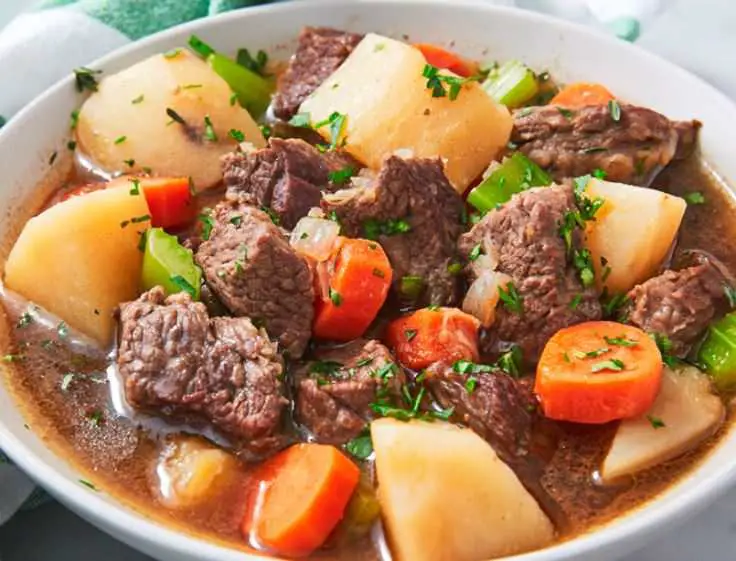
Top 10 Famous Food in Galway, Ireland | Best Foods to Eat in Galway
Galway is the harbor city of Ireland which holds a great diversity in Irish historic landmarks, seafood, and other authentic ancient cuisines. You can have the same basic cuisines being sold in the most expensive and cheapest Galway’s restaurants as … Continue reading
The post Top 10 Famous Food in Galway, Ireland | Best Foods to Eat in Galway appeared first on World Tour & Travel Guide, Get Travel Tips, Information, Discover Travel Destination | Adequate Travel.
Read More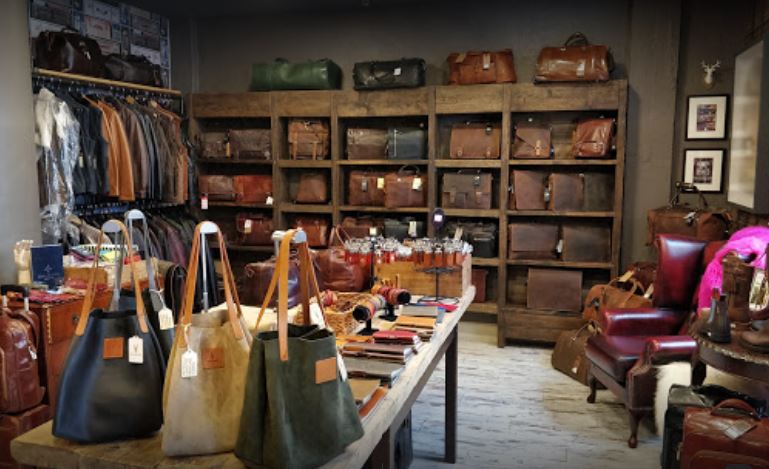
Best Places for Shopping in Galway Ireland | Great Shopping Ideas for Galway
You might wonder Where to buy the best souvenirs or takeaways in Galway? when all your rides are either guided by your tour guides or google maps who shower you with tonnes of knowledge in which it’s so hard to … Continue reading
The post Best Places for Shopping in Galway Ireland | Great Shopping Ideas for Galway appeared first on World Tour & Travel Guide, Get Travel Tips, Information, Discover Travel Destination | Adequate Travel.
Read More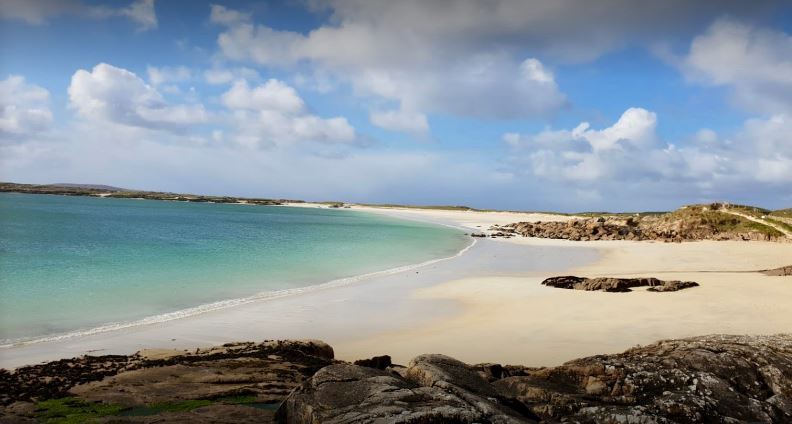
Best Beaches in Galway, Ireland | Beautiful Beaches to visit in Galway
Galway is among the famous port city of Ireland having myriad beautiful beaches all around its borders. Since Ireland experiences very chilly weather on major times of the year hence most areas of the beaches are special attractions only during … Continue reading
The post Best Beaches in Galway, Ireland | Beautiful Beaches to visit in Galway appeared first on World Tour & Travel Guide, Get Travel Tips, Information, Discover Travel Destination | Adequate Travel.
Read More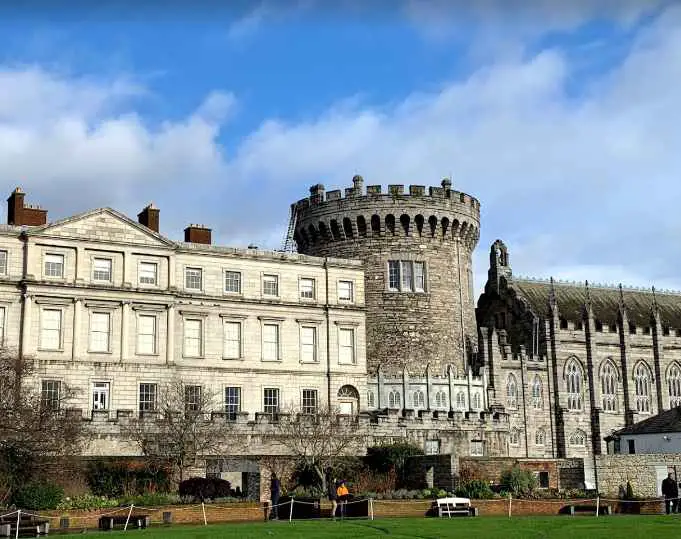
Most Visited Monuments in Dublin | Famous Monuments of Dublin, Ireland
Dublin is steeped in history and Irish heritage from the Guinness Storehouse to Dublin Castle. Monuments of Dublin have its fair share of history that honour the city and its citizens like every capital city. From Viking trading port to … Continue reading
The post Most Visited Monuments in Dublin | Famous Monuments of Dublin, Ireland appeared first on World Tour & Travel Guide, Get Travel Tips, Information, Discover Travel Destination | Adequate Travel.
Read More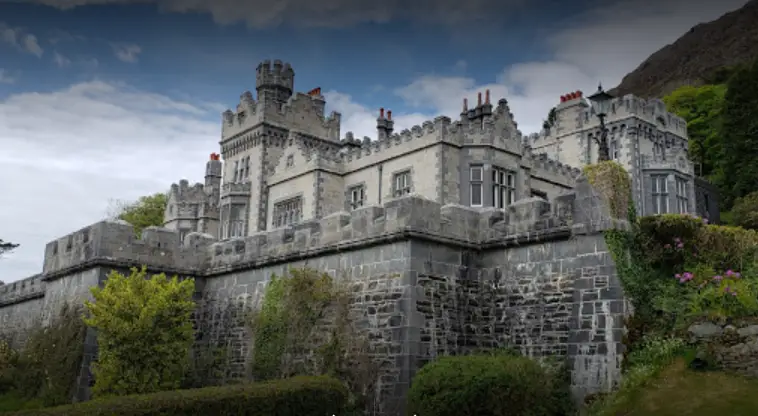
Most Visited Monuments in Ireland l Famous Monuments in Ireland
Ireland is an island nation and also one of the two major British Isles off of the coast of Western Europe set in the North Atlantic Ocean. The top monuments in Ireland exist in this beautiful island country and all … Continue reading
The post Most Visited Monuments in Ireland l Famous Monuments in Ireland appeared first on World Tour & Travel Guide, Get Travel Tips, Information, Discover Travel Destination | Adequate Travel.
Read More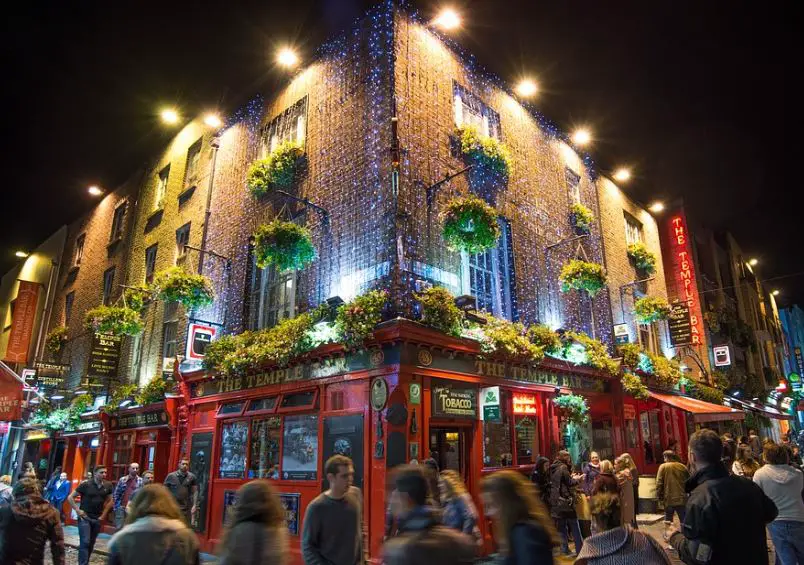
Best Cities in Ireland to Visit | Major Cities in Ireland
The cities of Ireland have a lot to offer visitors, from stunning scenery and quaint villages to bustling cities full of life. You will have heard of Dublin and Belfast. But why stop there? There are fantastic cities across the … Continue reading
The post Best Cities in Ireland to Visit | Major Cities in Ireland appeared first on World Tour & Travel Guide, Get Travel Tips, Information, Discover Travel Destination | Adequate Travel.
Read More
The Best but Unusual Places To See in Ireland
When most people think of Ireland they think of the Cliffs of Moher, Blarney Castle, and the Guinness Storehouse, but then this beautiful nation has so much more to offer! For those looking for off the beaten path attractions, these … Continue reading
The post The Best but Unusual Places To See in Ireland appeared first on World Tour & Travel Guide, Get Travel Tips, Information, Discover Travel Destination | Adequate Travel.
Read More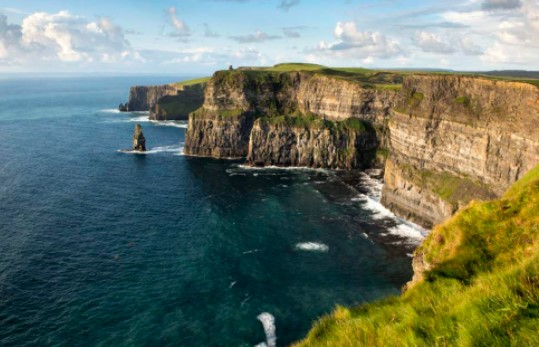
Updates on Travel Restriction in Ireland | Ireland During Covid-19
Ireland is a lively Northern Atlantic island country that is well known for its rich rebellious history, fossilized paleontological remains, pubs & lively nightlife. Surely it is the best destination to tour after a stressful pandemic year of 2020. Yet, … Continue reading
The post Updates on Travel Restriction in Ireland | Ireland During Covid-19 appeared first on World Tour & Travel Guide, Get Travel Tips, Information, Discover Travel Destination | Adequate Travel.
Read More
Top 10 Places to Visit in Ireland For Christmas 2021
Indeed! Irish winters are the most wonderful time of the year. Ireland is full of gorgeous looking and festive visits that any traveler mustn’t miss during Christmas. Cities offering unique items that are incredibly decorated shops are just magical. There … Continue reading
The post Top 10 Places to Visit in Ireland For Christmas 2021 appeared first on World Tour & Travel Guide, Get Travel Tips, Information, Discover Travel Destination | Adequate Travel.
Read More
Top 8 best Cities for Nightlife in Ireland
Are you planning traveling Ireland? Confused about what to do? During the day, there are many places for you to sightsee but what about the night? Nightlife in Ireland is also thrilling and adventurous in major cities. The best cities … Continue reading
The post Top 8 best Cities for Nightlife in Ireland appeared first on World Tour & Travel Guide, Get Travel Tips, Information, Discover Travel Destination | Adequate Travel.
Read More