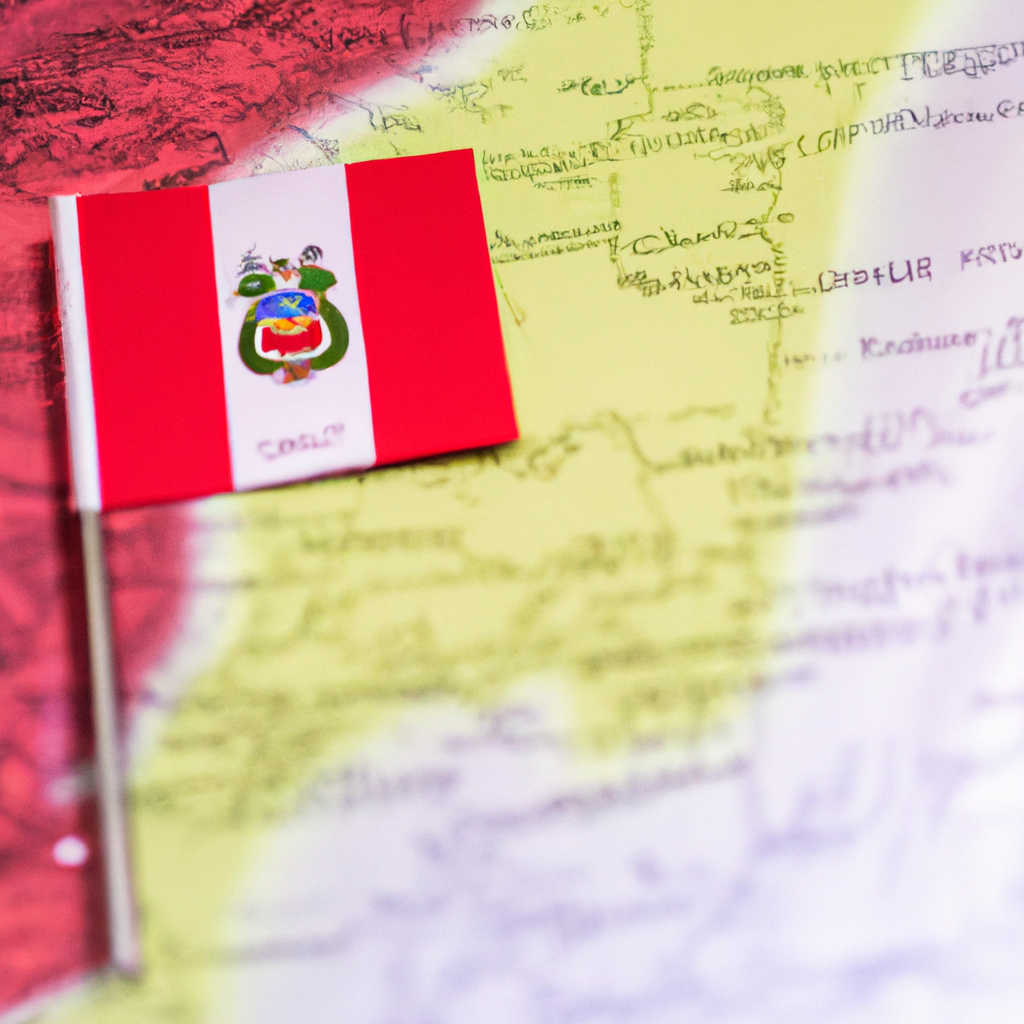
What is the history of the Chinchero ruins in the Sacred Valley?

Post ByAdequate Travel
Summary
The Chinchero ruins in Peru's Sacred Valley are a testament to the ancient Incan civilization. From its sprawling terraces and mysterious temples to the mysterious engravings and artifacts, Chinchero holds many secrets that have been waiting to be explored. This article will explore the history of the Chinchero ruins and its significance to the Incan culture. Stay informed about any travel restrictions or travel rules in place, as they may vary depending on your destination within the country.History of the Chinchero Ruins in the Sacred Valley
1. Pre-Inca Period:
The area where the Chinchero ruins are located has evidence of human presence dating back to as early as 1200 BC during the pre-Inca period. Archaeological findings suggest that agricultural communities inhabited the region and utilized irrigation systems to cultivate crops.
2. Inca Empire:
In the 15th century, the Inca Empire expanded into the region and established Chinchero as an important administrative and ceremonial center. The site was situated strategically between the Inca capital of Cusco and other important Inca locations in the Sacred Valley.
3. Construction of Chinchero:
The Inca ruler Tupa Inca Yupanqui ordered the construction of Chinchero in the late 15th century. The site was built on a plateau and featured extensive terracing, administrative buildings, agricultural areas, residential structures, and religious temples.
4. Importance of Chinchero:
Chinchero held great religious, economic, and political significance for the Inca Empire. It served as a key religious center where rituals and ceremonies were conducted. Additionally, its location allowed the Inca to manage and control the agricultural production and trade routes in the region.
5. Spanish Conquest:
After the arrival of the Spanish conquistadors led by Francisco Pizarro in the early 16th century, Chinchero was conquered and incorporated into the Spanish colonial administrative system. The Spanish destroyed many Inca structures, including temples, and built a Catholic church on top of the ruins.
6. Modern Times:
Today, the Chinchero ruins are still standing, and the surrounding village remains a living Inca community. The site attracts tourists and archaeologists interested in exploring its historical and cultural significance. Efforts have been made to preserve and restore the ruins to maintain their integrity and promote tourism in the area.
Travellers can find valuable travel information for tourists, such as local customs, must-see attractions, and dining recommendations, to make the most of their trip.Suggested Questions
You may also like
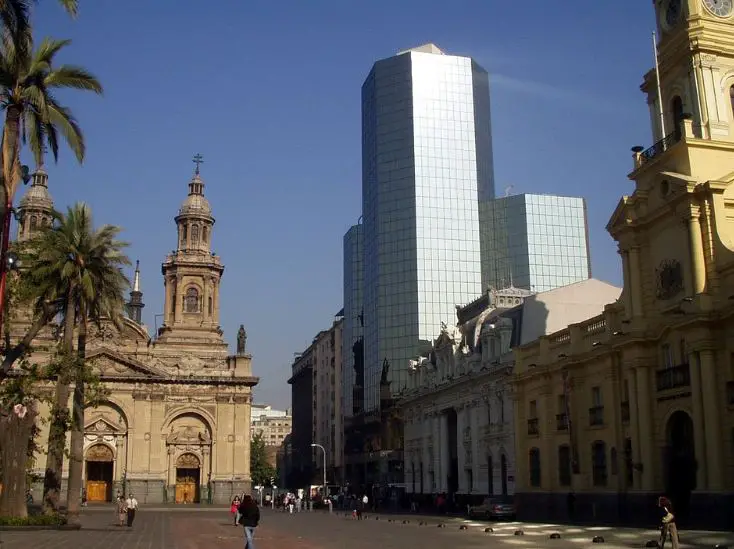
Best Cities in Chile to Visit | Major Cities in Chile
Chile a country that extends across the Pacific Ocean with startling diverse terrain, from the snow-capped Andes and colossal glaciers to a wave-licked coast and desolate desert. The top cities of Chile have reputed tourist’s value. Amid these mind-blowing geographical extremes … Continue reading
The post Best Cities in Chile to Visit | Major Cities in Chile appeared first on World Tour & Travel Guide, Get Travel Tips, Information, Discover Travel Destination | Adequate Travel.
Read More
Most Visited Monuments in Chile | Famous Monuments of Chile
Chile is a scenic, ribbon-shaped South American country situated west of Argentina and the Andes that attracts well over 5 million visitors each year. The monuments in Chile with an abundance of superb colonial historic buildings and conservation areas are … Continue reading
The post Most Visited Monuments in Chile | Famous Monuments of Chile appeared first on World Tour & Travel Guide, Get Travel Tips, Information, Discover Travel Destination | Adequate Travel.
Read More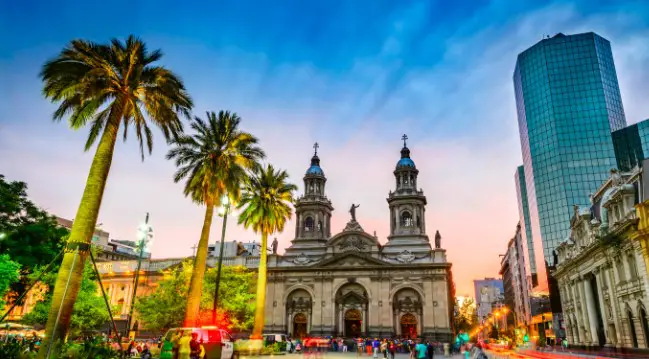
Latest Travel Restrictions in Chile| 5 Safe Places to Visit in Chile 2021
Chile or the Republic of Chile is a natural wonder that extends along the western edge of South America amidst the crystal clear water of the Pacific Ocean. Chile is the best summer holiday destination where you can enjoy the … Continue reading
The post Latest Travel Restrictions in Chile| 5 Safe Places to Visit in Chile 2021 appeared first on World Tour & Travel Guide, Get Travel Tips, Information, Discover Travel Destination | Adequate Travel.
Read More
10 Best Outdoor Activities in Chile
Chile or the Republic of Chile is one of the adventure hubs nestled on the western edge of South America. With a crystal clear rub of the Pacific Ocean on the side & breath-taking views of The Andes and Chilean … Continue reading
The post 10 Best Outdoor Activities in Chile appeared first on World Tour & Travel Guide, Get Travel Tips, Information, Discover Travel Destination | Adequate Travel.
Read More
Top 8 Nightlife Cities in Chile 2022- Adequate Travel
Facing the vast blue pacific ocean this narrow South American country packs a lot more punch than you can expect. The palm-lined beaches of Plaza de Armas are no wonder the biggest tourist attractions of Chile. But ever wondered what … Continue reading
The post Top 8 Nightlife Cities in Chile 2022- Adequate Travel appeared first on World Tour & Travel Guide, Get Travel Tips, Information, Discover Travel Destination | Adequate Travel.
Read More
15 Best Women Travel Bags: Reviewed & Tested- Get Expert Advice
Get the list of 15 best traveling bags for women. Know the size, material, durability, and other features of the bags.
Read More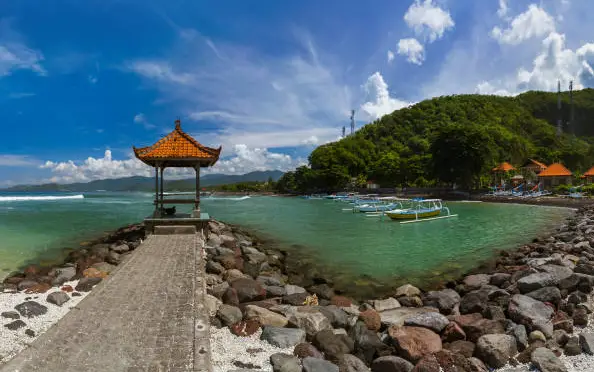
12 Best Beaches in Uluwatu | Popular Uluwatu Beaches
Discover the allure of Uluwatu Beaches. Here is the list of the 12 best beaches in Uluwatu that will let you explore the best of Uluwatu's coastal treasures.
Read More
What are the best practices for responsible wildlife viewing in Canada?
Discover essential tips for responsible wildlife viewing in Canada. Respect habitats, minimize disturbances, and support conservation efforts. Start here!
Read More
Things to do in bali.
Looking for the best things to do in Bali? Here we have curated the best things and places to visit in Bali on your vacation.
Read More
Are there any eco-friendly transportation options for traveling between provinces in Canada?
From electric vehicles and buses to cycling and passenger trains, find eco-friendly ways to journey across the country. Start your green adventure today!
Read More