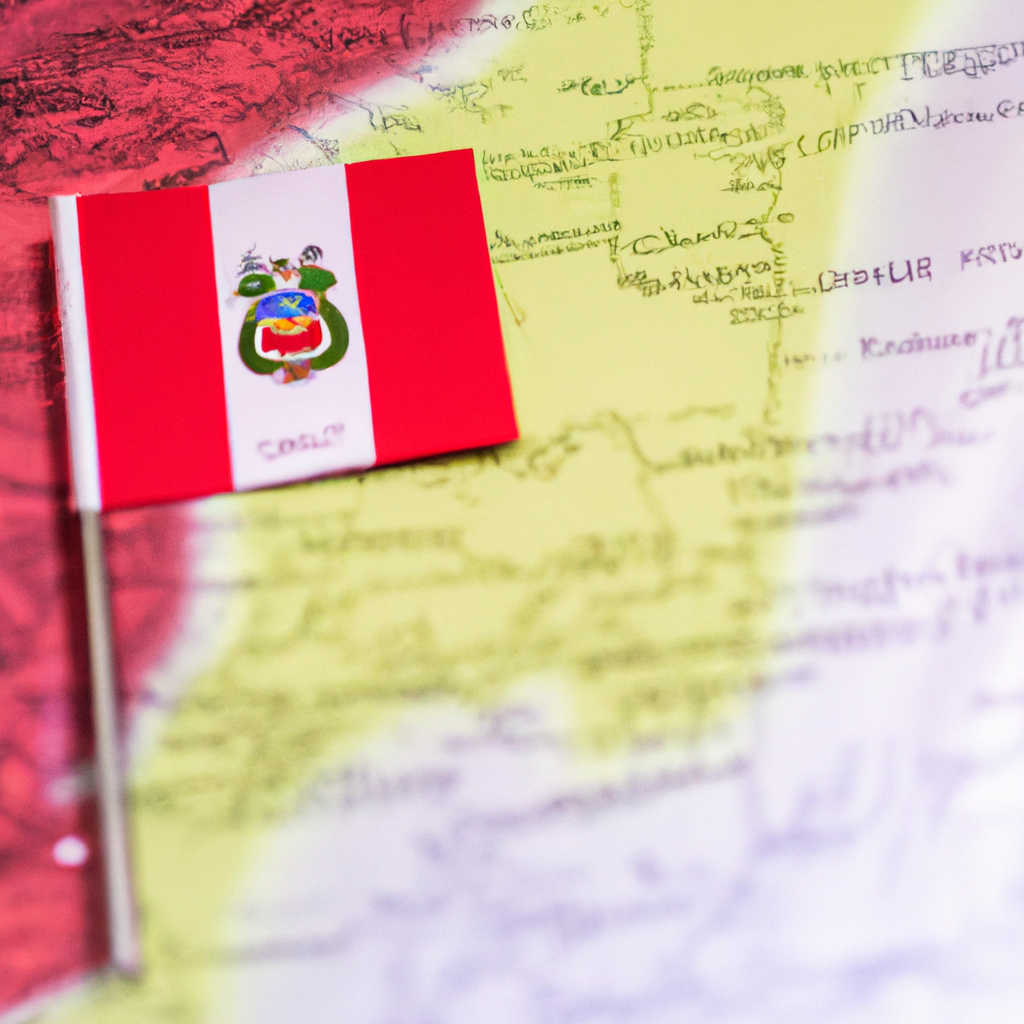
What are some sustainable and eco-friendly travel options in Peru?

Post ByAdequate Travel
Summary
Are you looking for some green travel ideas for your next trip to Peru? From renewable energy and eco-friendly hotels to low-carbon transportation options, there are plenty of sustainable and eco-friendly travel options to help make your Peruvian expedition a more sustainable affair! In this blog, we'll take a look at the best ways to explore Peru with a conscience. Keep in mind that travel guidelines and travel rules may change anytime, so regularly check for updates to ensure a hassle-free and memorable travel experience.Sustainable and Eco-Friendly Travel Options in Peru
1. Responsible Tour Operators:
Choose tour operators that prioritize sustainability and offer eco-friendly practices. Look for companies that promote local communities, support conservation efforts, and participate in responsible tourism initiatives.
Example: Peru Eco Expeditions is a tour operator that focuses on responsible travel and aims to reduce the negative impacts of tourism by supporting sustainable practices and conservation projects.
2. Eco-lodges and Sustainable Accommodation:
Stay at eco-lodges or sustainable accommodations that prioritize environmental and social responsibility. These lodges often use renewable energy sources, practice water conservation, and support local communities.
Example: Inkaterra in the Amazon Rainforest offers guests a sustainable stay through initiatives such as tree planting, wildlife protection, and supporting local communities.
3. Sustainable Transportation:
Opt for modes of transportation that minimize carbon emissions and the ecological footprint. Choose public transportation, walk, or cycle whenever possible, and consider offsetting carbon emissions through reputable organizations.
Example: In cities like Lima and Cusco, you can use public buses or bicycle rentals to explore the area sustainably.
4. Responsible Wildlife Encounters:
Engage in wildlife encounters that prioritize animal welfare and conservation. Avoid activities that involve captive animals or contribute to their exploitation.
Example: Instead of visiting venues that offer animal riding or shows, choose wildlife refuges like the Amazon Animal Rescue Center in Iquitos, which rehabilitates animals rescued from illegal trafficking.
5. Cultural Immersion and Community-based Tourism:
Engage in community-based tourism activities that allow you to connect with local communities and contribute positively to their economies.
Example: Homestays in the indigenous communities of the Sacred Valley or participating in community-led initiatives like the Cuyuni Forest in the Tambopata region can provide unique cultural experiences while supporting local livelihoods.
6. Sustainable Food Choices:
Opt for local and sustainably sourced food options to minimize the environmental impact of your meals. Choose restaurants that prioritize organic, fair trade, and locally produced ingredients.
Example: Restaurants like Central in Lima focus on using native ingredients and supporting local farmers, promoting sustainable gastronomy in Peru.
While planning your trip, take note of any travel restrictions that may impact your itinerary, such as limited access to certain regions or attractions.Suggested Questions
You may also like

Best Cities in Chile to Visit | Major Cities in Chile
Chile a country that extends across the Pacific Ocean with startling diverse terrain, from the snow-capped Andes and colossal glaciers to a wave-licked coast and desolate desert. The top cities of Chile have reputed tourist’s value. Amid these mind-blowing geographical extremes … Continue reading
The post Best Cities in Chile to Visit | Major Cities in Chile appeared first on World Tour & Travel Guide, Get Travel Tips, Information, Discover Travel Destination | Adequate Travel.
Read More
Most Visited Monuments in Chile | Famous Monuments of Chile
Chile is a scenic, ribbon-shaped South American country situated west of Argentina and the Andes that attracts well over 5 million visitors each year. The monuments in Chile with an abundance of superb colonial historic buildings and conservation areas are … Continue reading
The post Most Visited Monuments in Chile | Famous Monuments of Chile appeared first on World Tour & Travel Guide, Get Travel Tips, Information, Discover Travel Destination | Adequate Travel.
Read More
Latest Travel Restrictions in Chile| 5 Safe Places to Visit in Chile 2021
Chile or the Republic of Chile is a natural wonder that extends along the western edge of South America amidst the crystal clear water of the Pacific Ocean. Chile is the best summer holiday destination where you can enjoy the … Continue reading
The post Latest Travel Restrictions in Chile| 5 Safe Places to Visit in Chile 2021 appeared first on World Tour & Travel Guide, Get Travel Tips, Information, Discover Travel Destination | Adequate Travel.
Read More
10 Best Outdoor Activities in Chile
Chile or the Republic of Chile is one of the adventure hubs nestled on the western edge of South America. With a crystal clear rub of the Pacific Ocean on the side & breath-taking views of The Andes and Chilean … Continue reading
The post 10 Best Outdoor Activities in Chile appeared first on World Tour & Travel Guide, Get Travel Tips, Information, Discover Travel Destination | Adequate Travel.
Read More
Top 8 Nightlife Cities in Chile 2022- Adequate Travel
Facing the vast blue pacific ocean this narrow South American country packs a lot more punch than you can expect. The palm-lined beaches of Plaza de Armas are no wonder the biggest tourist attractions of Chile. But ever wondered what … Continue reading
The post Top 8 Nightlife Cities in Chile 2022- Adequate Travel appeared first on World Tour & Travel Guide, Get Travel Tips, Information, Discover Travel Destination | Adequate Travel.
Read More
15 Best Women Travel Bags: Reviewed & Tested- Get Expert Advice
Get the list of 15 best traveling bags for women. Know the size, material, durability, and other features of the bags.
Read More
12 Best Beaches in Uluwatu | Popular Uluwatu Beaches
Discover the allure of Uluwatu Beaches. Here is the list of the 12 best beaches in Uluwatu that will let you explore the best of Uluwatu's coastal treasures.
Read More
What are the best practices for responsible wildlife viewing in Canada?
Discover essential tips for responsible wildlife viewing in Canada. Respect habitats, minimize disturbances, and support conservation efforts. Start here!
Read More
Things to do in bali.
Looking for the best things to do in Bali? Here we have curated the best things and places to visit in Bali on your vacation.
Read More
Are there any eco-friendly transportation options for traveling between provinces in Canada?
From electric vehicles and buses to cycling and passenger trains, find eco-friendly ways to journey across the country. Start your green adventure today!
Read More