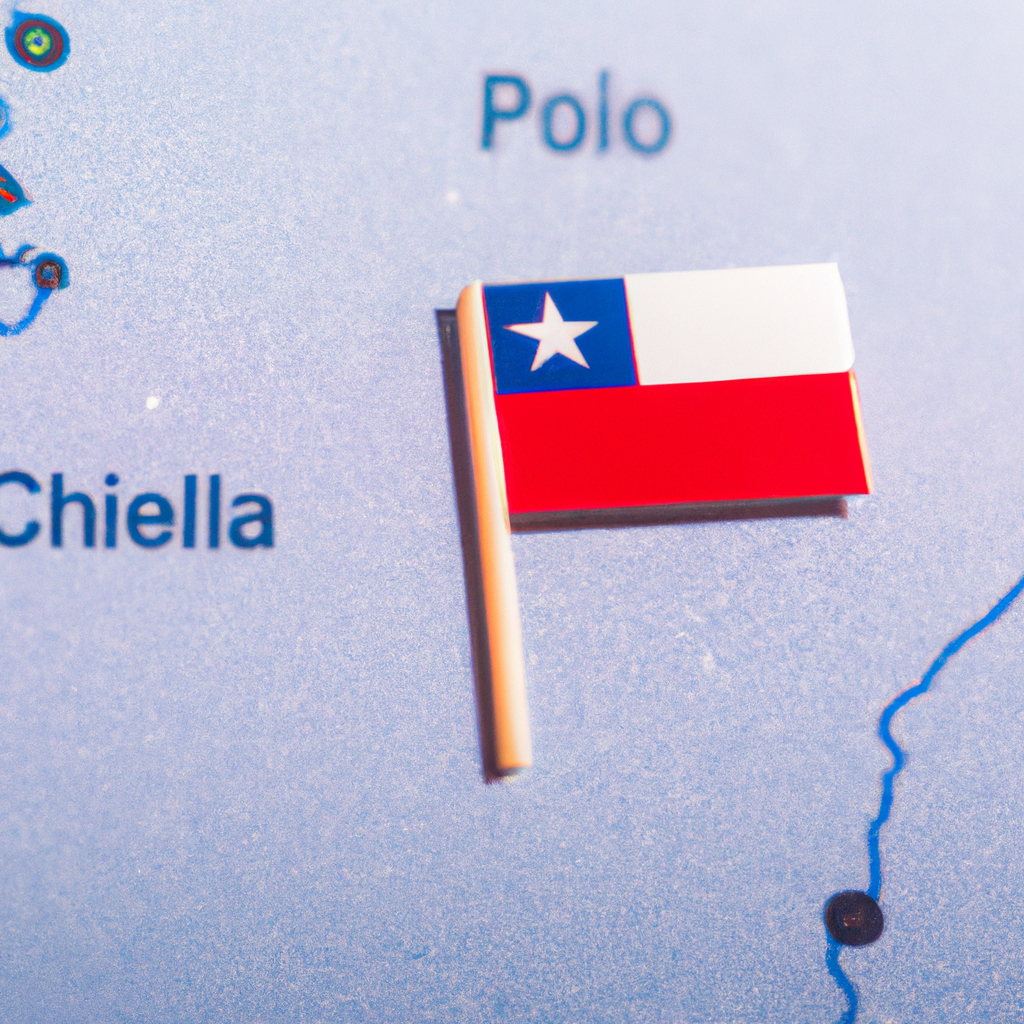
What is the significance of Chilote mythology?

Post ByAdequate Travel
Summary
Chilote mythology is an important part of the culture of the Chilote people of southern Chile and it has an incredible significance when it comes to their beliefs, values, and identity. Through myths, legends, and stories passed through generations, the Chilotes explore the world of the supernatural, the origin of their peoples, and their deeper relationship to the natural environment. In this blog post, we will dive into the significance of Chilote mythology and why it is so important to the Chilotes. Stay informed about any travel restrictions or travel rules in place, as they may vary depending on your destination within the country.The Significance of Chilote Mythology
Chilote mythology refers to the traditional beliefs and stories of the Chilote people, an indigenous group living on the Chiloe Archipelago in southern Chile. These myths hold great cultural and historical significance, helping to shape the Chilote identity and providing insights into their worldview and values. Here are a few examples of the significance of Chilote mythology:
1. Cultural preservation:
Chilote mythology serves as a means of preserving and passing down the unique cultural heritage of the Chilote people. Through myths, legends, and oral storytelling, Chilote traditions, customs, and beliefs are kept alive and transmitted from one generation to another. This helps maintain a sense of collective identity and pride among the Chilote community.
2. Relationship with nature:
Chilote mythology greatly emphasizes the connection between humans and nature. Many of their myths revolve around natural elements, such as the sea, forests, and mountains, as well as various animals and supernatural beings. These stories often convey a deep respect and reverence for nature, promoting the sustainable coexistence between humans and the environment.
3. Explanation of phenomena:
Myths play a crucial role in explaining natural and cultural phenomena that cannot be easily understood or explained by other means. Chilote mythology offers explanations for natural events like storms, earthquakes, and eclipses, as well as cultural practices and traditions. For example, their myth of the Caleuche, a ghost ship believed to navigate the waters around Chiloe Island, provides a mystical explanation for the disappearances of ships and sailors.
4. Moral and ethical teachings:
Chilote mythology often includes moral and ethical teachings, guiding individuals on how to live their lives and interact with others. Myths frequently showcase virtues such as bravery, kindness, and respect, while also warning against vices like greed and dishonesty. These stories serve as moral compasses for the Chilote community, helping to shape their behavior and values.
5. Sense of identity and belonging:
Chilote mythology establishes a sense of identity and belonging within the Chilote society. The stories and characters found in these myths are often deeply rooted in the local landscape and history, reflecting the Chilote people's struggles, triumphs, and everyday lives. By sharing these collective narratives, Chilote individuals strengthen their bonds and reinforce their shared identity as a distinct cultural group.
While planning your trip, take note of any travel restrictions that may impact your itinerary, such as limited access to certain regions or attractions.Suggested Questions
- Palacio Concha, Santiago: Horror Story, History & Paranomial Activities
- Pueblito de los Dominicos, Santiago: Horror Story, History & Paranomial Activities
- Palacio Polanco, Santiago: Horror Story, History & Paranomial Activities
- Cementerio General, Santiago: Horror Story, History & Paranomial Activities
- Iglesia de San Francisco, Santiago: Horror Story, History & Paranomial Activities
- Estación Central, Santiago: Horror Story, History & Paranomial Activities
Questions chile
You may also like
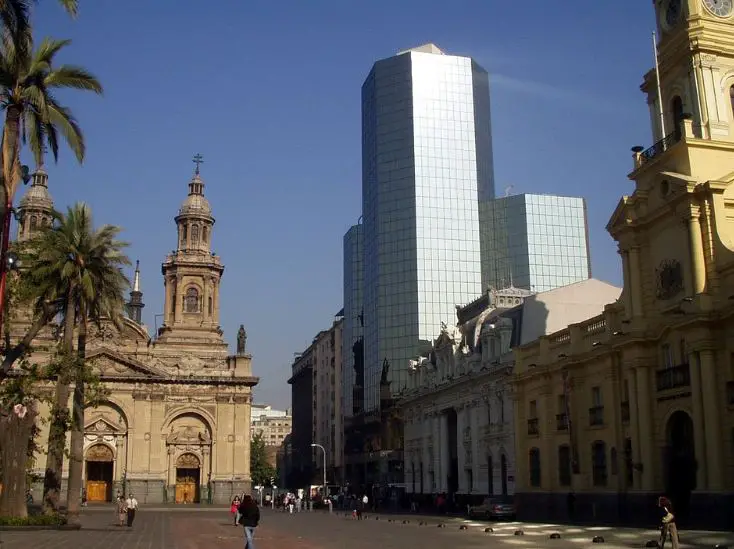
Best Cities in Chile to Visit | Major Cities in Chile
Chile a country that extends across the Pacific Ocean with startling diverse terrain, from the snow-capped Andes and colossal glaciers to a wave-licked coast and desolate desert. The top cities of Chile have reputed tourist’s value. Amid these mind-blowing geographical extremes … Continue reading
The post Best Cities in Chile to Visit | Major Cities in Chile appeared first on World Tour & Travel Guide, Get Travel Tips, Information, Discover Travel Destination | Adequate Travel.
Read More
Most Visited Monuments in Chile | Famous Monuments of Chile
Chile is a scenic, ribbon-shaped South American country situated west of Argentina and the Andes that attracts well over 5 million visitors each year. The monuments in Chile with an abundance of superb colonial historic buildings and conservation areas are … Continue reading
The post Most Visited Monuments in Chile | Famous Monuments of Chile appeared first on World Tour & Travel Guide, Get Travel Tips, Information, Discover Travel Destination | Adequate Travel.
Read More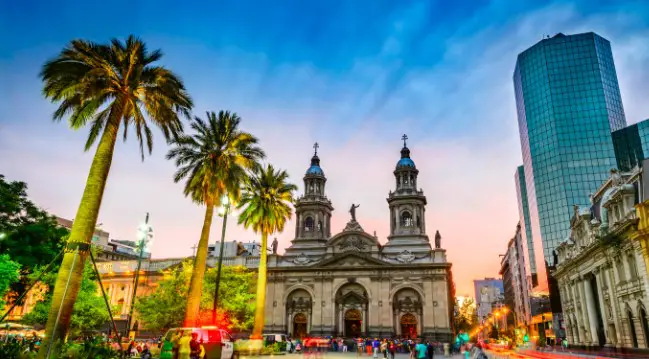
Latest Travel Restrictions in Chile| 5 Safe Places to Visit in Chile 2021
Chile or the Republic of Chile is a natural wonder that extends along the western edge of South America amidst the crystal clear water of the Pacific Ocean. Chile is the best summer holiday destination where you can enjoy the … Continue reading
The post Latest Travel Restrictions in Chile| 5 Safe Places to Visit in Chile 2021 appeared first on World Tour & Travel Guide, Get Travel Tips, Information, Discover Travel Destination | Adequate Travel.
Read More
10 Best Outdoor Activities in Chile
Chile or the Republic of Chile is one of the adventure hubs nestled on the western edge of South America. With a crystal clear rub of the Pacific Ocean on the side & breath-taking views of The Andes and Chilean … Continue reading
The post 10 Best Outdoor Activities in Chile appeared first on World Tour & Travel Guide, Get Travel Tips, Information, Discover Travel Destination | Adequate Travel.
Read More
Top 8 Nightlife Cities in Chile 2022- Adequate Travel
Facing the vast blue pacific ocean this narrow South American country packs a lot more punch than you can expect. The palm-lined beaches of Plaza de Armas are no wonder the biggest tourist attractions of Chile. But ever wondered what … Continue reading
The post Top 8 Nightlife Cities in Chile 2022- Adequate Travel appeared first on World Tour & Travel Guide, Get Travel Tips, Information, Discover Travel Destination | Adequate Travel.
Read More
15 Best Women Travel Bags: Reviewed & Tested- Get Expert Advice
Get the list of 15 best traveling bags for women. Know the size, material, durability, and other features of the bags.
Read More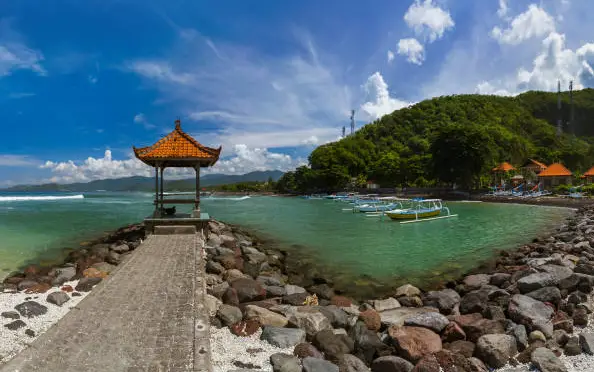
12 Best Beaches in Uluwatu | Popular Uluwatu Beaches
Discover the allure of Uluwatu Beaches. Here is the list of the 12 best beaches in Uluwatu that will let you explore the best of Uluwatu's coastal treasures.
Read More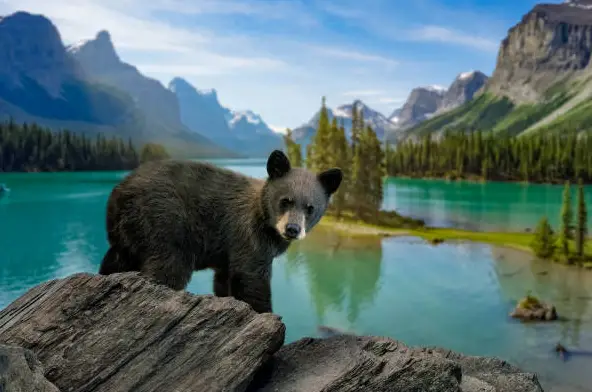
What are the best practices for responsible wildlife viewing in Canada?
Discover essential tips for responsible wildlife viewing in Canada. Respect habitats, minimize disturbances, and support conservation efforts. Start here!
Read More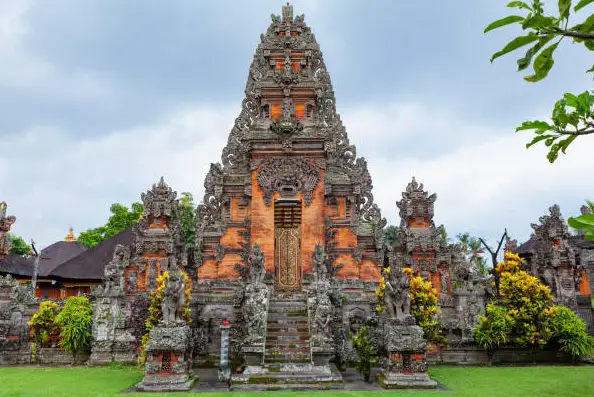
Things to do in bali.
Looking for the best things to do in Bali? Here we have curated the best things and places to visit in Bali on your vacation.
Read More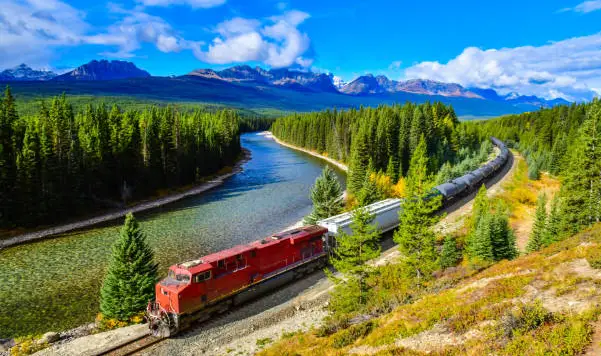
Are there any eco-friendly transportation options for traveling between provinces in Canada?
From electric vehicles and buses to cycling and passenger trains, find eco-friendly ways to journey across the country. Start your green adventure today!
Read More