What is the role of music in Chilean culture?

Post ByAdequate Travel
Summary
Music plays an important and highly valued role in Chilean culture. From traditional folk music to contemporary pop music, music is a vital part of the traditional and modern Chilean experience. Learn more about the various genres and styles of music that make up the rich cultural heritage of Chile in this blog post. Travellers can find valuable travel information for tourists, such as local customs, must-see attractions, and dining recommendations, to make the most of their trip.The Role of Music in Chilean Culture
Music plays a significant role in Chilean culture, reflecting the diversity, history, and emotions of its people. Here are several aspects that demonstrate the importance of music in Chilean society:
1. Cultural identity
Music serves as a medium for Chileans to express their national identity, reflecting the country's rich cultural heritage. Traditional folk music, such as cueca and tonada, represents the essence of Chilean identity and is deeply ingrained in the country's history. These genres often celebrate rural life, love, and patriotism.
Example:
The cueca is a traditional Chilean dance accompanied by lively folk music that is commonly performed during national festivities, such as Independence Day. It showcases the fusion of European and indigenous influences in Chilean culture.
2. Social and political movements
Music has played a crucial role in Chile's social and political movements. During times of oppression and dictatorship, musicians used their songs as a powerful form of protest and resistance. Iconic artists like Victor Jara and Violeta Parra used their music to voice their opinions against injustice, contributing to the national unity and resilience.
Example:
Víctor Jara, a beloved Chilean musician, used his folk music to denounce social inequality and raise awareness about human rights violations under Augusto Pinochet's regime. His song "El Derecho de Vivir en Paz" (The Right to Live in Peace) became an anthem for social activists.
3. Contemporary music and urban culture
Chilean music is not limited to traditional genres, but also incorporates contemporary styles such as rock, pop, and rap. These genres reflect the dynamic and evolving nature of Chilean culture, especially in urban areas. Many Chilean musicians have gained international recognition, contributing to the country's global cultural influence.
Example:
Mon Laferte, a Chilean singer-songwriter, has become a prominent figure in the Latin American music scene. Combining elements of rock, pop, and traditional Chilean sounds, her music appeals to a wide audience and showcases the diversity of Chilean music.
4. Festivals and celebrations
Music plays a central role in Chilean festivals and celebrations, fostering a sense of community and joy. Whether it's religious events, national holidays, or local festivities, music is an integral part of the cultural fabric. These events often showcase traditional music and dances, creating a festive atmosphere.
Example:
The Festival del Huaso de Olmué is an annual event in central Chile that celebrates Chilean cowboy culture. It features music performances by renowned artists, showcasing traditional genres like cueca and rancheras, as well as contemporary Chilean folk music.
In conclusion, music in Chilean culture goes beyond entertainment, serving as a medium for cultural expression, social and political activism, and collective celebration. Its diversity and rich history continue to shape and define the Chilean identity.While planning your trip, take note of any travel restrictions that may impact your itinerary, such as limited access to certain regions or attractions.Suggested Questions
- Casa de la Cultura, San Vicente de Tagua Tagua: Horror Story, History & Paranomial Activities
- Casa Salvo, Santiago: Horror Story, History & Paranomial Activities
- Casa Rada, Valparaíso: Horror Story, History & Paranomial Activities
- Cementerio N°3, Valparaíso: Horror Story, History & Paranomial Activities
- Palacio Lyon, Santiago: Horror Story, History & Paranomial Activities
- Castillo Hidalgo, Santiago: Horror Story, History & Paranomial Activities
Questions chile
You may also like
Best Cities in Chile to Visit | Major Cities in Chile
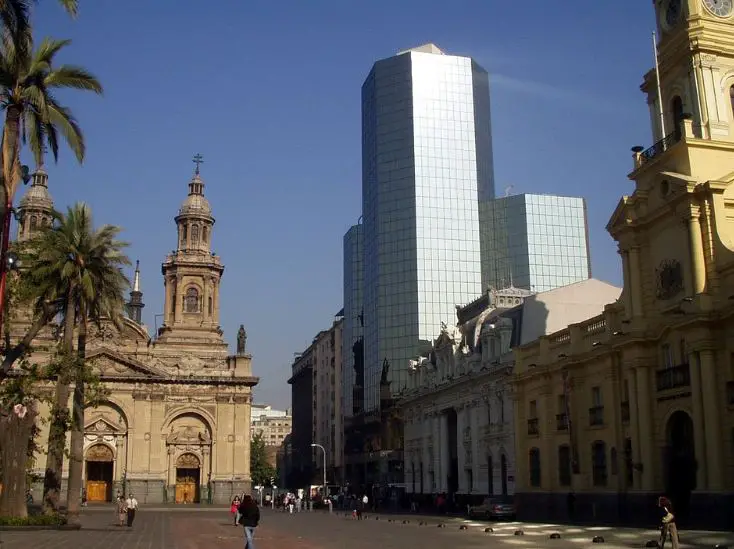
Chile a country that extends across the Pacific Ocean with startling diverse terrain, from the snow-capped Andes and colossal glaciers to a wave-licked coast and desolate desert. The top cities of Chile have reputed tourist’s value. Amid these mind-blowing geographical extremes … Continue reading
The post Best Cities in Chile to Visit | Major Cities in Chile appeared first on World Tour & Travel Guide, Get Travel Tips, Information, Discover Travel Destination | Adequate Travel.
Read More
Most Visited Monuments in Chile | Famous Monuments of Chile
Chile is a scenic, ribbon-shaped South American country situated west of Argentina and the Andes that attracts well over 5 million visitors each year. The monuments in Chile with an abundance of superb colonial historic buildings and conservation areas are … Continue reading
The post Most Visited Monuments in Chile | Famous Monuments of Chile appeared first on World Tour & Travel Guide, Get Travel Tips, Information, Discover Travel Destination | Adequate Travel.
Read More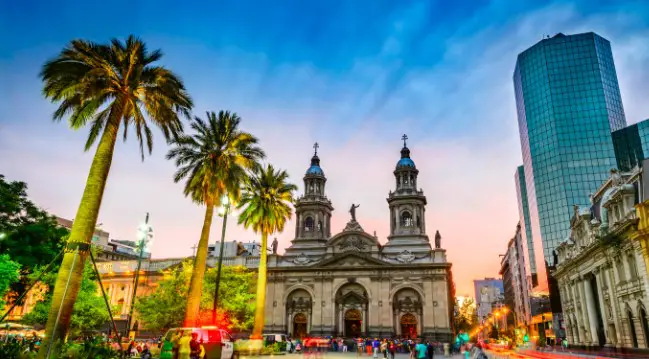
Latest Travel Restrictions in Chile| 5 Safe Places to Visit in Chile 2021
Chile or the Republic of Chile is a natural wonder that extends along the western edge of South America amidst the crystal clear water of the Pacific Ocean. Chile is the best summer holiday destination where you can enjoy the … Continue reading
The post Latest Travel Restrictions in Chile| 5 Safe Places to Visit in Chile 2021 appeared first on World Tour & Travel Guide, Get Travel Tips, Information, Discover Travel Destination | Adequate Travel.
Read More
10 Best Outdoor Activities in Chile
Chile or the Republic of Chile is one of the adventure hubs nestled on the western edge of South America. With a crystal clear rub of the Pacific Ocean on the side & breath-taking views of The Andes and Chilean … Continue reading
The post 10 Best Outdoor Activities in Chile appeared first on World Tour & Travel Guide, Get Travel Tips, Information, Discover Travel Destination | Adequate Travel.
Read More
Top 8 Nightlife Cities in Chile 2022- Adequate Travel
Facing the vast blue pacific ocean this narrow South American country packs a lot more punch than you can expect. The palm-lined beaches of Plaza de Armas are no wonder the biggest tourist attractions of Chile. But ever wondered what … Continue reading
The post Top 8 Nightlife Cities in Chile 2022- Adequate Travel appeared first on World Tour & Travel Guide, Get Travel Tips, Information, Discover Travel Destination | Adequate Travel.
Read More
15 Best Women Travel Bags: Reviewed & Tested- Get Expert Advice
Get the list of 15 best traveling bags for women. Know the size, material, durability, and other features of the bags.
Read More
12 Best Beaches in Uluwatu | Popular Uluwatu Beaches
Discover the allure of Uluwatu Beaches. Here is the list of the 12 best beaches in Uluwatu that will let you explore the best of Uluwatu's coastal treasures.
Read More
What are the best practices for responsible wildlife viewing in Canada?
Discover essential tips for responsible wildlife viewing in Canada. Respect habitats, minimize disturbances, and support conservation efforts. Start here!
Read More
Things to do in bali.
Looking for the best things to do in Bali? Here we have curated the best things and places to visit in Bali on your vacation.
Read More
Are there any eco-friendly transportation options for traveling between provinces in Canada?
From electric vehicles and buses to cycling and passenger trains, find eco-friendly ways to journey across the country. Start your green adventure today!
Read More