What is the literary history of Chile?

Post ByAdequate Travel
Summary
Chile is a country with an incredibly rich literary history, one that is filled with diverse and vibrant stories from a variety of well-known authors. In this blog post, we'll explore the journey of Chilean literature, from its earliest beginnings to where it stands today. Join us as we take a look at the literary history of Chile! It's essential to stay updated with international travel information, especially when planning a foreign trip, to navigate any changes in travel advisory or travel warnings.Literary History of Chile
1. Colonial Period (1542-1810):
During the colonial period, Chilean literature was heavily influenced by Spanish literature as Chile was a Spanish colony. The literary productions during this time mainly consisted of religious and historical writings, and the prominent themes were tied to Spanish colonization and Catholicism.2. Independence and Romanticism (1810-1850):Following Chile’s independence in 1818, a new wave of Chilean literature emerged. This period saw the rise of romanticism, with poets like Manuel de Salas and Camilo Henríquez gaining prominence. Their works explored themes of nation and identity while seeking to establish a uniquely Chilean literary tradition.3. Realism and Naturalism (1850-1900):In the late 19th century, Chilean literature transitioned into realism and naturalism. Alberto Blest Gana, for example, wrote novels based on social and political issues, reflecting the social changes and conflicts of the time. This period also saw the emergence of the first Chilean female novelist, Martina Barros Borgoño.4. Modernismo and Criollismo (1900-1920):The beginning of the 20th century witnessed the influence of modernismo and criollismo on Chilean literature. Modernista poets such as Rubén Darío introduced a more modern and individualistic style. Meanwhile, the criollista movement focused on highlighting regional and local elements of Chilean culture and folklore.5. Vanguardia (1920-1940):The vanguardia movement in Chilean literature brought about experimentation and avant-garde styles. Vicente Huidobro, a prominent figure in this movement, combined surrealism, cubism, and futurism in his poetry. Other vanguardia writers such as Pablo de Rokha and Gabriela Mistral also made significant contributions.6. Post-World War II (1940-1970):After World War II, Chilean literature underwent various transformations. The generation of 1938, which included writers like Enrique Lihn and Jorge Teillier, broke away from traditional forms and explored new poetic styles. Additionally, the prominent poet and diplomat Pablo Neruda gained international recognition during this period.7. Dictatorship and Post-Dictatorship (1970-Present):The period under General Augusto Pinochet's dictatorship (1973-1990) saw a surge in politically engaged literature. Writers like Ariel Dorfman and Roberto Bolaño addressed totalitarianism and human rights abuses. Following the return of democracy, Chilean literature continued to flourish with authors such as Isabel Allende and Alejandro Zambra gaining international acclaim.Before embarking on your journey to chile, make sure to check the latest travel guidelines and entry requirements to ensure a smooth tripSuggested Questions
- Cementerio General, Valparaíso: Horror Story, History & Paranomial Activities
- Museo de la Solidaridad Salvador Allende, Santiago: Horror Story, History & Paranomial Activities
- Palacio Lyon, Santiago: Horror Story, History & Paranomial Activities
- Plaza de Armas, Santiago: Horror Story, History & Paranomial Activities
- Centro Cultural La Moneda, Santiago: Horror Story, History & Paranomial Activities
- Casa de los Diez, Santiago: Horror Story, History & Paranomial Activities
Questions chile
You may also like
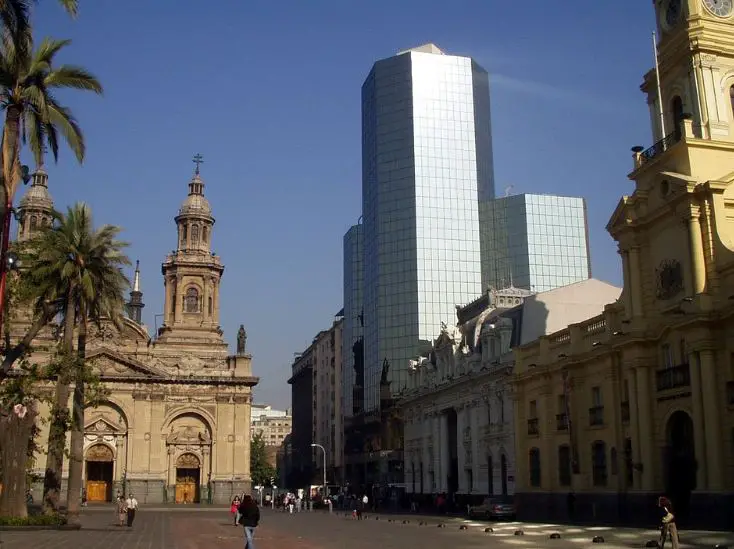
Best Cities in Chile to Visit | Major Cities in Chile
Chile a country that extends across the Pacific Ocean with startling diverse terrain, from the snow-capped Andes and colossal glaciers to a wave-licked coast and desolate desert. The top cities of Chile have reputed tourist’s value. Amid these mind-blowing geographical extremes … Continue reading
The post Best Cities in Chile to Visit | Major Cities in Chile appeared first on World Tour & Travel Guide, Get Travel Tips, Information, Discover Travel Destination | Adequate Travel.
Read More
Most Visited Monuments in Chile | Famous Monuments of Chile
Chile is a scenic, ribbon-shaped South American country situated west of Argentina and the Andes that attracts well over 5 million visitors each year. The monuments in Chile with an abundance of superb colonial historic buildings and conservation areas are … Continue reading
The post Most Visited Monuments in Chile | Famous Monuments of Chile appeared first on World Tour & Travel Guide, Get Travel Tips, Information, Discover Travel Destination | Adequate Travel.
Read More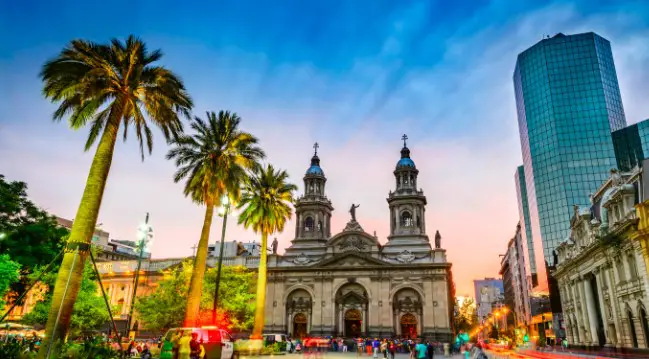
Latest Travel Restrictions in Chile| 5 Safe Places to Visit in Chile 2021
Chile or the Republic of Chile is a natural wonder that extends along the western edge of South America amidst the crystal clear water of the Pacific Ocean. Chile is the best summer holiday destination where you can enjoy the … Continue reading
The post Latest Travel Restrictions in Chile| 5 Safe Places to Visit in Chile 2021 appeared first on World Tour & Travel Guide, Get Travel Tips, Information, Discover Travel Destination | Adequate Travel.
Read More
10 Best Outdoor Activities in Chile
Chile or the Republic of Chile is one of the adventure hubs nestled on the western edge of South America. With a crystal clear rub of the Pacific Ocean on the side & breath-taking views of The Andes and Chilean … Continue reading
The post 10 Best Outdoor Activities in Chile appeared first on World Tour & Travel Guide, Get Travel Tips, Information, Discover Travel Destination | Adequate Travel.
Read More
Top 8 Nightlife Cities in Chile 2022- Adequate Travel
Facing the vast blue pacific ocean this narrow South American country packs a lot more punch than you can expect. The palm-lined beaches of Plaza de Armas are no wonder the biggest tourist attractions of Chile. But ever wondered what … Continue reading
The post Top 8 Nightlife Cities in Chile 2022- Adequate Travel appeared first on World Tour & Travel Guide, Get Travel Tips, Information, Discover Travel Destination | Adequate Travel.
Read More
15 Best Women Travel Bags: Reviewed & Tested- Get Expert Advice
Get the list of 15 best traveling bags for women. Know the size, material, durability, and other features of the bags.
Read More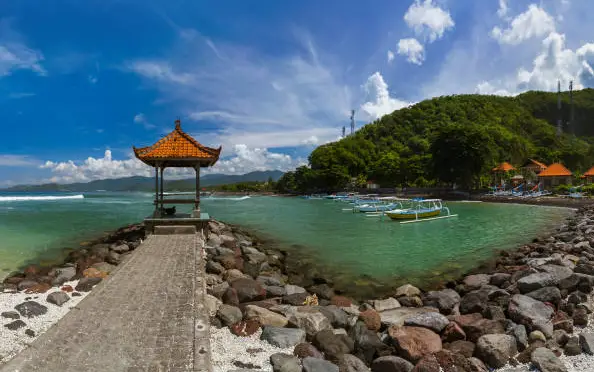
12 Best Beaches in Uluwatu | Popular Uluwatu Beaches
Discover the allure of Uluwatu Beaches. Here is the list of the 12 best beaches in Uluwatu that will let you explore the best of Uluwatu's coastal treasures.
Read More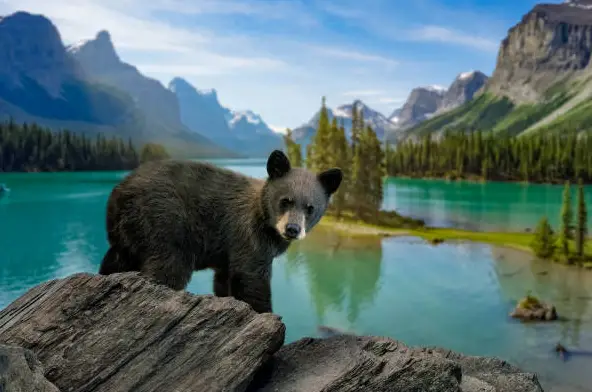
What are the best practices for responsible wildlife viewing in Canada?
Discover essential tips for responsible wildlife viewing in Canada. Respect habitats, minimize disturbances, and support conservation efforts. Start here!
Read More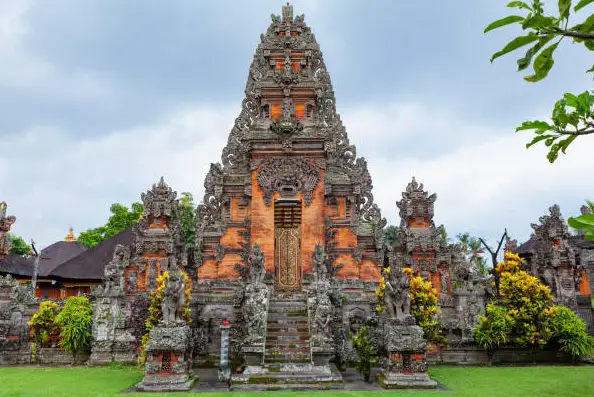
Things to do in bali.
Looking for the best things to do in Bali? Here we have curated the best things and places to visit in Bali on your vacation.
Read More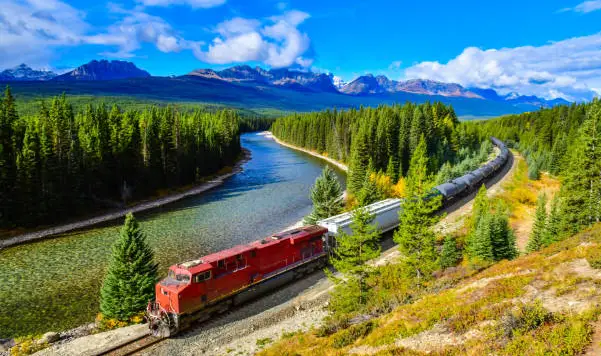
Are there any eco-friendly transportation options for traveling between provinces in Canada?
From electric vehicles and buses to cycling and passenger trains, find eco-friendly ways to journey across the country. Start your green adventure today!
Read More