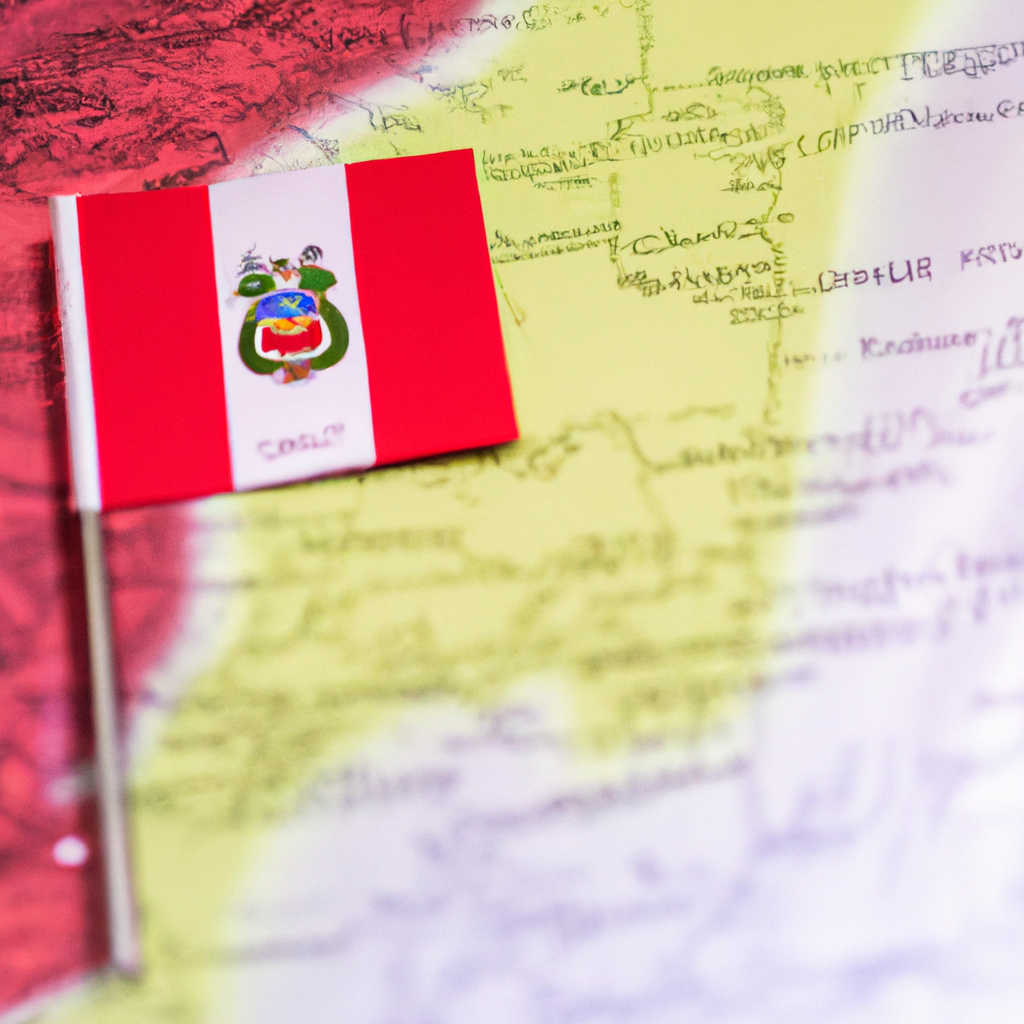
What is the history of the Nazca Lines, and how were they created?

Post ByAdequate Travel
Summary
The Nazca Lines are mysterious and majestic geometric and stylized drawings that were carved into the desert surface of Peru. Created by an ancient civilization, these large-scale figures and designs have been the source of much speculation and debate over their purpose and origin. Learn about the history, creation and theories regarding the Nazca Lines. The place is known for its rich history and culture, welcomes tourists with open arms. However, be sure to review the travel advisory and travel warnings to ensure a safe and enjoyable experience.History of the Nazca Lines:
The Nazca Lines are a series of geoglyphs located in the Nazca Desert in southern Peru. They were created by the Nazca civilization, which flourished from around 100 BC to 800 AD. The lines were first discovered in the 1920s by Peruvian archaeologist Toribio Mejia Xesspe, but it was not until the 1940s and 1950s that they gained widespread attention.
1. Ancient Civilization: The Nazca civilization was known for its advanced agricultural techniques and impressive pottery. They inhabited the arid coastal region and created the geoglyphs by removing the dark surface stones to expose the lighter-colored earth underneath.
2. Purpose and Function: The purpose of the Nazca Lines is still debated among archaeologists and researchers. Some theories suggest that they played a role in religious or ceremonial activities, while others propose they served as an astronomical or agricultural calendar. It is also believed that they were part of rituals and pilgrimages.
3. Iconic Designs: The Nazca Lines consist of various designs, ranging from simple lines and geometric shapes to more elaborate animal and plant figures. Some of the most famous designs include a hummingbird, a spider, a monkey, and a condor, covering an area of nearly 450 square kilometers.
Creation of the Nazca Lines:
1. Location Selection: The Nazca people carefully selected the locations for the geoglyphs, taking into account the natural topography of the desert. They strategically created the lines on the surface of the desert plains to ensure visibility and maximum impact.
2. Construction Process: The construction of the Nazca Lines involved removing the surface stones along with the oxidized layer of iron and manganese to uncover the lighter-colored earth beneath. This process created a contrast in color, which made the lines and designs visible from a distance.
3. Line Formation: The lines were created by removing the stones and earth along the specified paths. Some lines stretch for several kilometers, while others are shorter. The lines were meticulously created with great precision, emphasizing straight lines and well-proportioned designs.
4. Preservation: The preservation of the Nazca Lines is attributed to the arid climate of the region. The lack of rainfall and strong winds have helped maintain the geoglyphs for centuries, preventing erosion and degradation.
Overall, the Nazca Lines remain an enigmatic and impressive testament to the advanced engineering and creativity of the Nazca civilization. Their creation and purpose continue to intrigue researchers and visitors alike, offering a glimpse into the ancient past.Before embarking on your journey to peru, make sure to check the latest travel guidelines and entry requirements to ensure a smooth tripSuggested Questions
You may also like
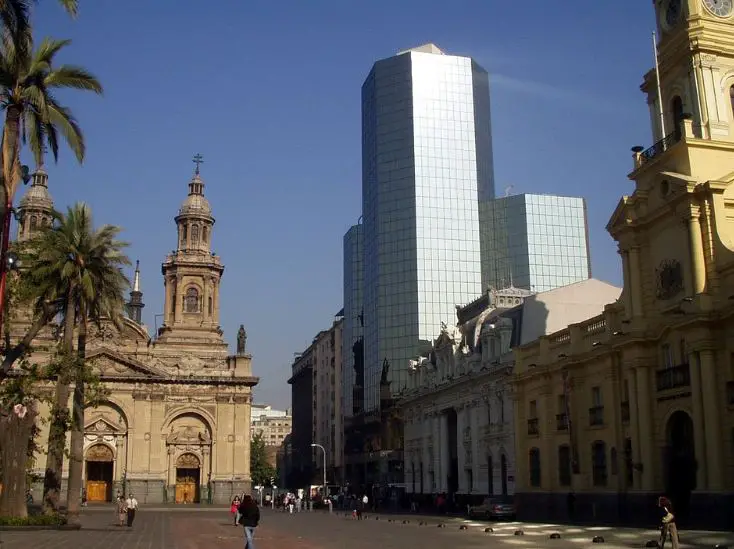
Best Cities in Chile to Visit | Major Cities in Chile
Chile a country that extends across the Pacific Ocean with startling diverse terrain, from the snow-capped Andes and colossal glaciers to a wave-licked coast and desolate desert. The top cities of Chile have reputed tourist’s value. Amid these mind-blowing geographical extremes … Continue reading
The post Best Cities in Chile to Visit | Major Cities in Chile appeared first on World Tour & Travel Guide, Get Travel Tips, Information, Discover Travel Destination | Adequate Travel.
Read More
Most Visited Monuments in Chile | Famous Monuments of Chile
Chile is a scenic, ribbon-shaped South American country situated west of Argentina and the Andes that attracts well over 5 million visitors each year. The monuments in Chile with an abundance of superb colonial historic buildings and conservation areas are … Continue reading
The post Most Visited Monuments in Chile | Famous Monuments of Chile appeared first on World Tour & Travel Guide, Get Travel Tips, Information, Discover Travel Destination | Adequate Travel.
Read More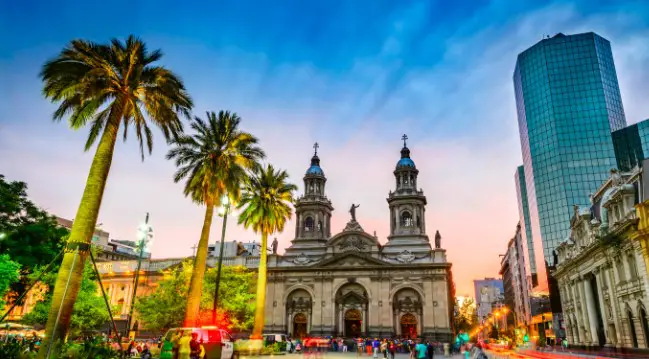
Latest Travel Restrictions in Chile| 5 Safe Places to Visit in Chile 2021
Chile or the Republic of Chile is a natural wonder that extends along the western edge of South America amidst the crystal clear water of the Pacific Ocean. Chile is the best summer holiday destination where you can enjoy the … Continue reading
The post Latest Travel Restrictions in Chile| 5 Safe Places to Visit in Chile 2021 appeared first on World Tour & Travel Guide, Get Travel Tips, Information, Discover Travel Destination | Adequate Travel.
Read More
10 Best Outdoor Activities in Chile
Chile or the Republic of Chile is one of the adventure hubs nestled on the western edge of South America. With a crystal clear rub of the Pacific Ocean on the side & breath-taking views of The Andes and Chilean … Continue reading
The post 10 Best Outdoor Activities in Chile appeared first on World Tour & Travel Guide, Get Travel Tips, Information, Discover Travel Destination | Adequate Travel.
Read More
Top 8 Nightlife Cities in Chile 2022- Adequate Travel
Facing the vast blue pacific ocean this narrow South American country packs a lot more punch than you can expect. The palm-lined beaches of Plaza de Armas are no wonder the biggest tourist attractions of Chile. But ever wondered what … Continue reading
The post Top 8 Nightlife Cities in Chile 2022- Adequate Travel appeared first on World Tour & Travel Guide, Get Travel Tips, Information, Discover Travel Destination | Adequate Travel.
Read More
15 Best Women Travel Bags: Reviewed & Tested- Get Expert Advice
Get the list of 15 best traveling bags for women. Know the size, material, durability, and other features of the bags.
Read More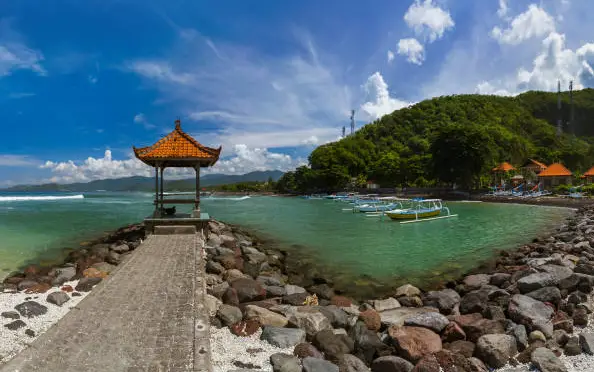
12 Best Beaches in Uluwatu | Popular Uluwatu Beaches
Discover the allure of Uluwatu Beaches. Here is the list of the 12 best beaches in Uluwatu that will let you explore the best of Uluwatu's coastal treasures.
Read More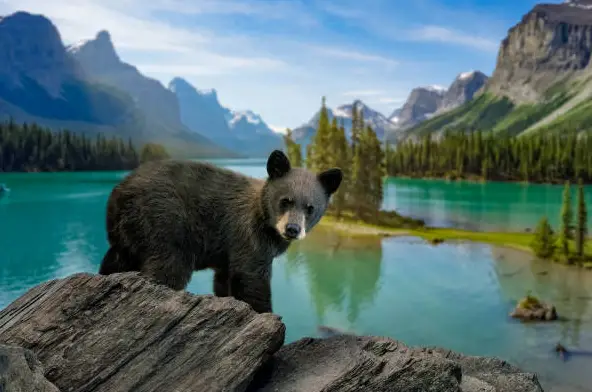
What are the best practices for responsible wildlife viewing in Canada?
Discover essential tips for responsible wildlife viewing in Canada. Respect habitats, minimize disturbances, and support conservation efforts. Start here!
Read More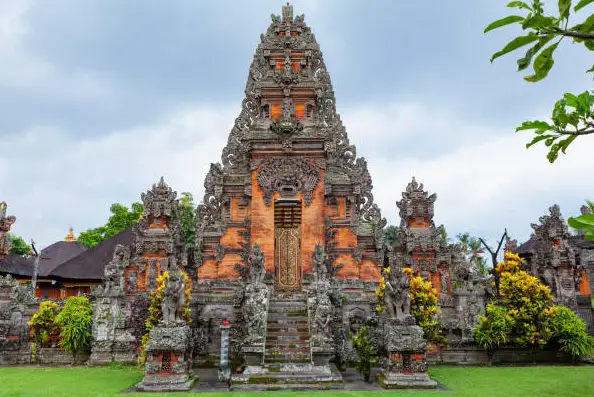
Things to do in bali.
Looking for the best things to do in Bali? Here we have curated the best things and places to visit in Bali on your vacation.
Read More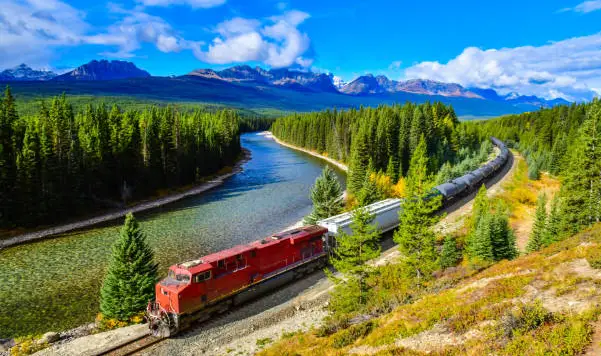
Are there any eco-friendly transportation options for traveling between provinces in Canada?
From electric vehicles and buses to cycling and passenger trains, find eco-friendly ways to journey across the country. Start your green adventure today!
Read More