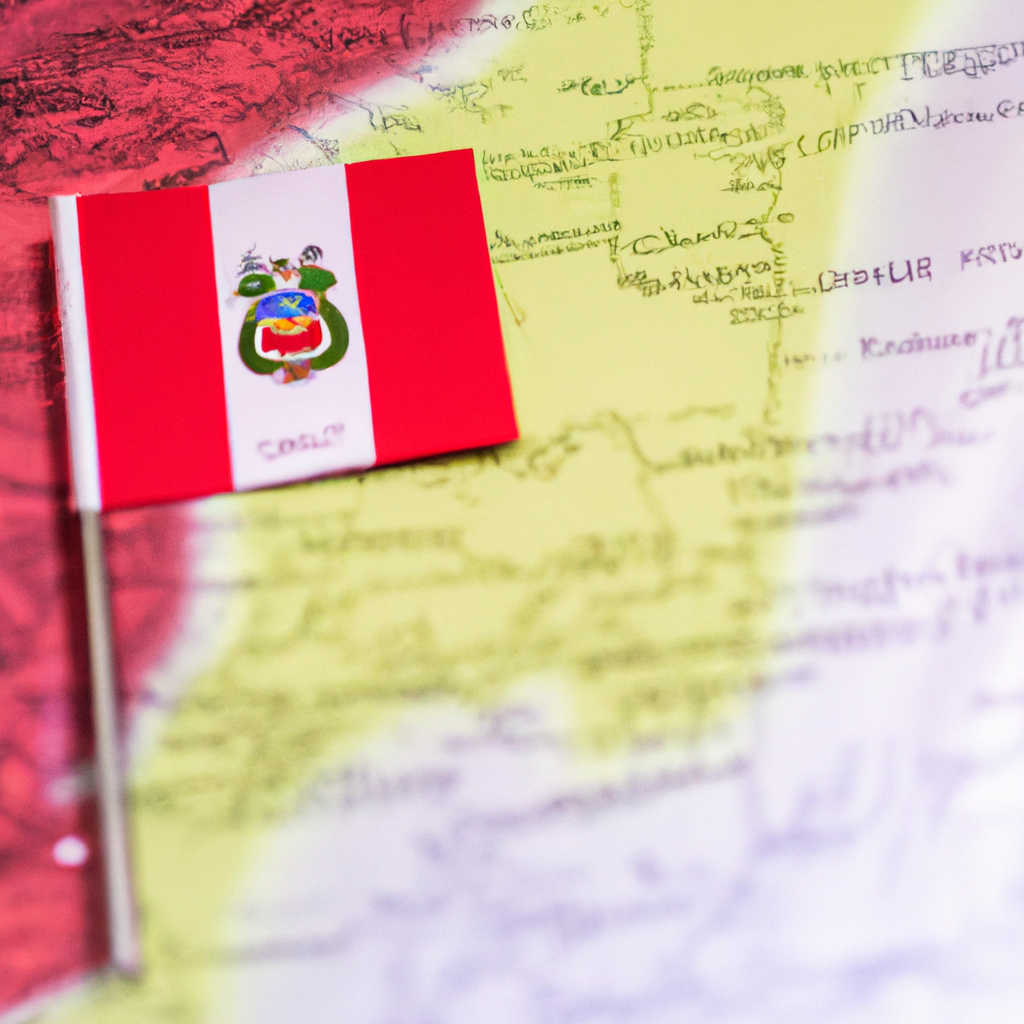
What is the history of the Incas in Peru?

Post ByAdequate Travel
Summary
The ancient Incas, who ruled much of present-day Peru between the 13th and 15th centuries, are one of the most iconic ancient Pre-Columbian civilizations. Their remarkable legacy is still seen today in their advanced engineering and impressive monuments. Discover the history of the Incas in Peru and how they rose to power and then fell to the Spanish conquistadors. Stay informed about any travel restrictions or travel rules in place, as they may vary depending on your destination within the country.Origin of the Incas
Before the rise of the Inca Empire, various civilizations thrived in the region. The Incas, known as children of the sun, emerged as a political and military force in the 13th century.
The Inca Empire
1. Pachacuti Inca Yupanqui: Around the mid-15th century, Pachacuti Inca Yupanqui came to power as the ninth Sapa Inca (emperor) and began expanding the Inca territory through military conquests.
2. Cusco: The capital of the Inca Empire was Cusco, which became an important cultural and administrative center.
3. Territorial Expansion: Under the rule of Pachacuti, the Inca Empire expanded rapidly, encompassing a vast area along the western coast of South America. This included parts of present-day Peru, Ecuador, Bolivia, Chile, and Argentina.
4. Administrative System: The Incas developed an intricate administrative system to govern their vast empire. The emperor held absolute power and ruled through governors and local leaders.
5. Road Network: The Incas constructed an extensive road network known as the Qhapaq Ñan. This network facilitated trade, communication, and the movement of troops throughout the empire.
6. Quechua Language: The Incas established Quechua as the official language across their empire.
Social Structure and Agriculture
1. Social Hierarchy: The Inca society was highly structured, with the emperor at the top, followed by nobles, priests, and commoners. The society was organized into ayllus, which were extended families or clans.
2. Agriculture: The Incas were skilled farmers who developed innovative techniques such as terraced farming to cultivate steep areas. They grew crops like potatoes, maize, and quinoa.
3. Terrace Farming: Terrace farming involved building stepped platforms on hillsides to create flat areas for agriculture. It allowed the Incas to utilize the limited arable land efficiently.
4. Mit'a System: The Incas implemented a labor tax system called mit'a, where different communities provided labor for state projects like construction, farming, and military service.
Religion and Technology
1. Inti: The Incas worshipped Inti, the sun god, and considered the emperor as the direct descendant of Inti.
2. Intihuatana: The Incas constructed stone structures called intihuatana, believed to be astronomical or religious devices.
3. Machu Picchu: One of the most famous Inca sites is Machu Picchu, a city built atop the Andes Mountains. It is believed to have served as a royal retreat or religious site.
4. Quipu: The Incas used quipu, a system of knotted strings, as a means of record-keeping and communication.
The Spanish Conquest
1. Arrival of the Spanish: In 1532, Spanish conquistador Francisco Pizarro and his forces arrived in Peru, seeking to conquer the Inca Empire.
2. Capturing Atahualpa: Pizarro captured the emperor Atahualpa and demanded a vast ransom in gold and silver. Despite receiving the ransom, the Spanish executed Atahualpa.
3. Resistance and Defeat: Some Incas resisted the Spanish rule, but ultimately the superior military technology and diseases brought by the Europeans led to the downfall of the Inca Empire.
4. Destruction of Inca Culture: The Spanish conquistadors systematically destroyed Inca temples, artifacts, and records, attempting to erase their cultural heritage.
It is important to note that the history of the Incas is based on various sources, including Spanish chronicles and archaeological findings, and some aspects may still be subject to debate or new discoveries.The place is known for its rich history and culture, welcomes tourists with open arms. However, be sure to review the travel advisory and travel warnings to ensure a safe and enjoyable experience.Suggested Questions
You may also like
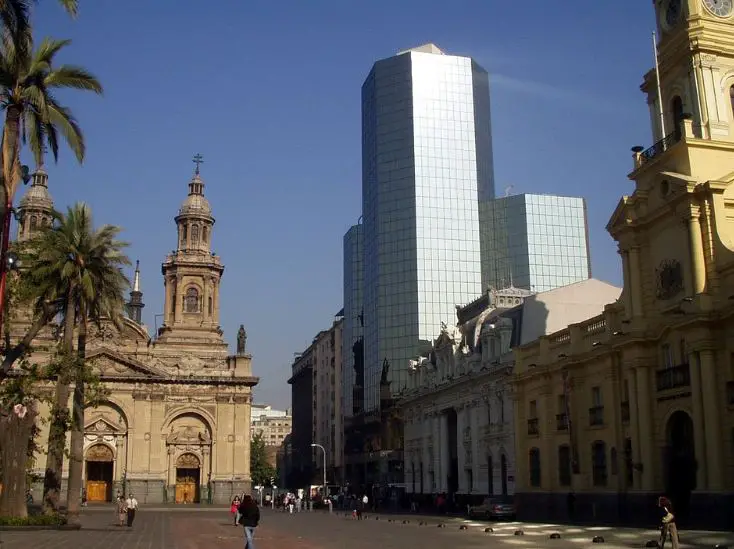
Best Cities in Chile to Visit | Major Cities in Chile
Chile a country that extends across the Pacific Ocean with startling diverse terrain, from the snow-capped Andes and colossal glaciers to a wave-licked coast and desolate desert. The top cities of Chile have reputed tourist’s value. Amid these mind-blowing geographical extremes … Continue reading
The post Best Cities in Chile to Visit | Major Cities in Chile appeared first on World Tour & Travel Guide, Get Travel Tips, Information, Discover Travel Destination | Adequate Travel.
Read More
Most Visited Monuments in Chile | Famous Monuments of Chile
Chile is a scenic, ribbon-shaped South American country situated west of Argentina and the Andes that attracts well over 5 million visitors each year. The monuments in Chile with an abundance of superb colonial historic buildings and conservation areas are … Continue reading
The post Most Visited Monuments in Chile | Famous Monuments of Chile appeared first on World Tour & Travel Guide, Get Travel Tips, Information, Discover Travel Destination | Adequate Travel.
Read More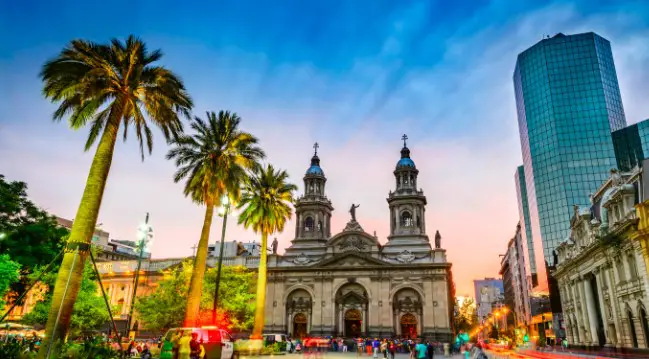
Latest Travel Restrictions in Chile| 5 Safe Places to Visit in Chile 2021
Chile or the Republic of Chile is a natural wonder that extends along the western edge of South America amidst the crystal clear water of the Pacific Ocean. Chile is the best summer holiday destination where you can enjoy the … Continue reading
The post Latest Travel Restrictions in Chile| 5 Safe Places to Visit in Chile 2021 appeared first on World Tour & Travel Guide, Get Travel Tips, Information, Discover Travel Destination | Adequate Travel.
Read More
10 Best Outdoor Activities in Chile
Chile or the Republic of Chile is one of the adventure hubs nestled on the western edge of South America. With a crystal clear rub of the Pacific Ocean on the side & breath-taking views of The Andes and Chilean … Continue reading
The post 10 Best Outdoor Activities in Chile appeared first on World Tour & Travel Guide, Get Travel Tips, Information, Discover Travel Destination | Adequate Travel.
Read More
Top 8 Nightlife Cities in Chile 2022- Adequate Travel
Facing the vast blue pacific ocean this narrow South American country packs a lot more punch than you can expect. The palm-lined beaches of Plaza de Armas are no wonder the biggest tourist attractions of Chile. But ever wondered what … Continue reading
The post Top 8 Nightlife Cities in Chile 2022- Adequate Travel appeared first on World Tour & Travel Guide, Get Travel Tips, Information, Discover Travel Destination | Adequate Travel.
Read More
15 Best Women Travel Bags: Reviewed & Tested- Get Expert Advice
Get the list of 15 best traveling bags for women. Know the size, material, durability, and other features of the bags.
Read More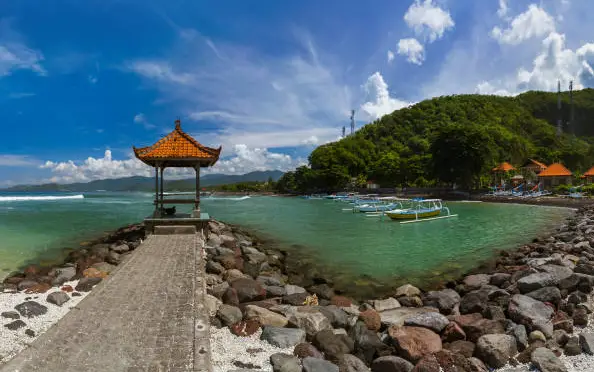
12 Best Beaches in Uluwatu | Popular Uluwatu Beaches
Discover the allure of Uluwatu Beaches. Here is the list of the 12 best beaches in Uluwatu that will let you explore the best of Uluwatu's coastal treasures.
Read More
What are the best practices for responsible wildlife viewing in Canada?
Discover essential tips for responsible wildlife viewing in Canada. Respect habitats, minimize disturbances, and support conservation efforts. Start here!
Read More
Things to do in bali.
Looking for the best things to do in Bali? Here we have curated the best things and places to visit in Bali on your vacation.
Read More
Are there any eco-friendly transportation options for traveling between provinces in Canada?
From electric vehicles and buses to cycling and passenger trains, find eco-friendly ways to journey across the country. Start your green adventure today!
Read More