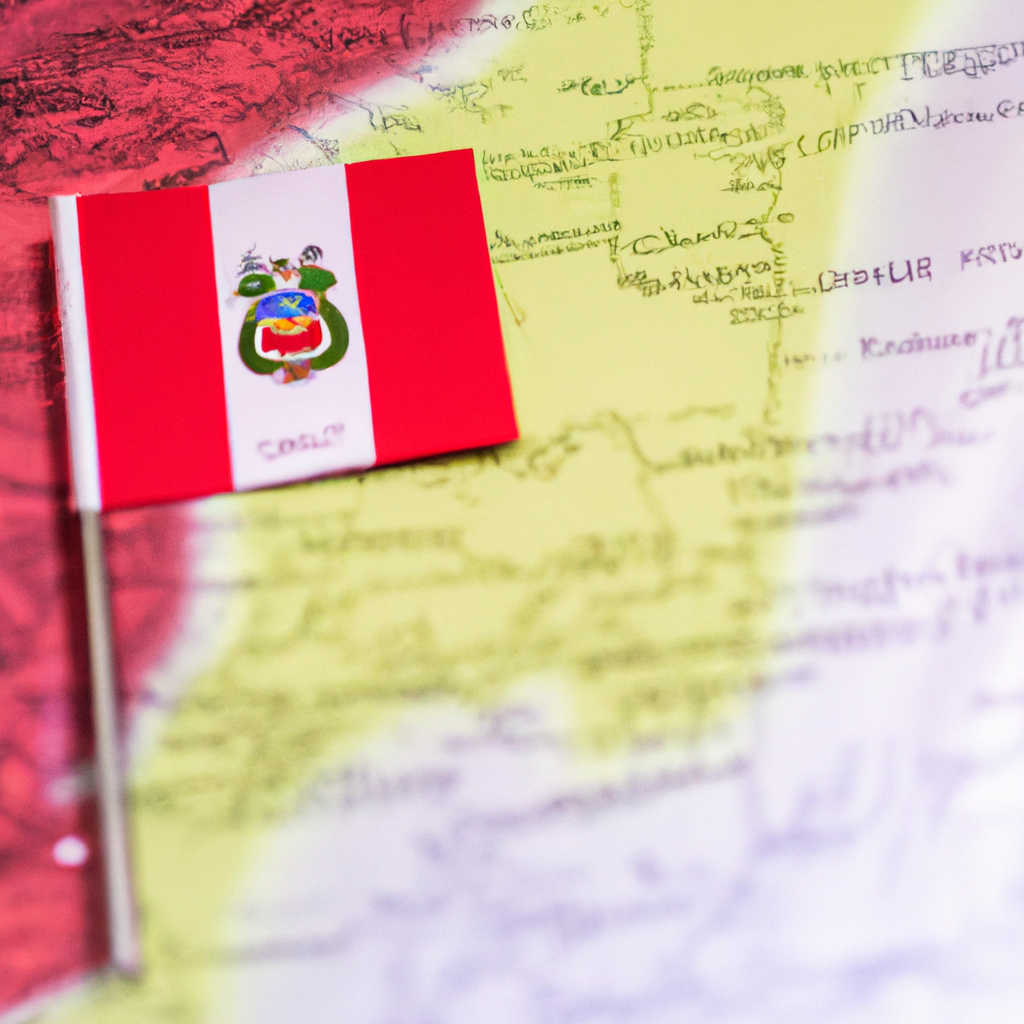
What is the altitude sickness risk in Peru, and how can I prevent it?

Post ByAdequate Travel
Summary
Altitude sickness is a risk if you're planning a visit to Peru. At higher elevations, the air is thinner and less oxygen is available. To ensure a healthy and safe trip, it is important to know and understand the risks of altitude sickness and how to prevent it. In this blog, we will discuss the altitude sickness risk in Peru, and provide you with tips to prevent it. Travellers can find valuable travel information for tourists, such as local customs, must-see attractions, and dining recommendations, to make the most of their trip.Altitude Sickness Risk in Peru
Peru is a country that offers various attractions at high altitudes, such as Machu Picchu in the Andes Mountains. As a result, altitude sickness, also known as acute mountain sickness (AMS), is a common concern for travelers visiting Peru. The risk of altitude sickness increases as you ascend to higher elevations.
Altitude sickness can occur when the body is unable to adapt quickly enough to the reduced oxygen levels at high altitudes. Symptoms can range from mild to severe and include headache, nausea, dizziness, fatigue, shortness of breath, and insomnia.
Prevention of Altitude Sickness
While altitude sickness cannot be completely avoided, there are several measures you can take to minimize the risk and help your body acclimatize properly:
1. Gradual Ascent: Ascend to higher altitudes gradually, allowing your body enough time to adjust. If possible, plan your itinerary to include a few days at intermediate altitudes before reaching the highest points.2. Stay Hydrated: Drink plenty of fluids, avoiding alcohol and caffeinated beverages, which can dehydrate you. Hydration helps your body cope with the altitude and reduces the severity of symptoms.3. Eat Light Meals: Stick to a balanced diet with light, easily digestible meals. Overeating can make you feel more uncomfortable at higher altitudes.4. Avoid Exhaustion: Pace yourself and avoid strenuous physical activities for the first few days at higher altitudes. Give your body time to adapt and rest as needed.5. Medication: Consult with a healthcare professional about medications to prevent or alleviate altitude sickness. Acetazolamide (Diamox) is a common prescription drug that can help you acclimatize faster.6. Coca Leaves or Tea: In Peru, coca leaves or coca tea are often used to combat altitude sickness symptoms. Consult local experts or your guide for proper usage.7. Descend if Symptoms Worsen: If symptoms of altitude sickness become severe or do not improve with rest, it is crucial to descend to a lower altitude promptly. Ignoring severe symptoms can lead to life-threatening conditions like high altitude cerebral edema (HACE) or high altitude pulmonary edema (HAPE).Remember, everyone reacts differently to high altitudes, regardless of physical fitness or prior experiences. It is essential to listen to your body, be mindful of the symptoms, and take appropriate measures to safeguard your health while enjoying the stunning landscapes Peru has to offer.Stay informed about any travel restrictions or travel rules in place, as they may vary depending on your destination within the country.Suggested Questions
You may also like

Best Cities in Chile to Visit | Major Cities in Chile
Chile a country that extends across the Pacific Ocean with startling diverse terrain, from the snow-capped Andes and colossal glaciers to a wave-licked coast and desolate desert. The top cities of Chile have reputed tourist’s value. Amid these mind-blowing geographical extremes … Continue reading
The post Best Cities in Chile to Visit | Major Cities in Chile appeared first on World Tour & Travel Guide, Get Travel Tips, Information, Discover Travel Destination | Adequate Travel.
Read More
Most Visited Monuments in Chile | Famous Monuments of Chile
Chile is a scenic, ribbon-shaped South American country situated west of Argentina and the Andes that attracts well over 5 million visitors each year. The monuments in Chile with an abundance of superb colonial historic buildings and conservation areas are … Continue reading
The post Most Visited Monuments in Chile | Famous Monuments of Chile appeared first on World Tour & Travel Guide, Get Travel Tips, Information, Discover Travel Destination | Adequate Travel.
Read More
Latest Travel Restrictions in Chile| 5 Safe Places to Visit in Chile 2021
Chile or the Republic of Chile is a natural wonder that extends along the western edge of South America amidst the crystal clear water of the Pacific Ocean. Chile is the best summer holiday destination where you can enjoy the … Continue reading
The post Latest Travel Restrictions in Chile| 5 Safe Places to Visit in Chile 2021 appeared first on World Tour & Travel Guide, Get Travel Tips, Information, Discover Travel Destination | Adequate Travel.
Read More
10 Best Outdoor Activities in Chile
Chile or the Republic of Chile is one of the adventure hubs nestled on the western edge of South America. With a crystal clear rub of the Pacific Ocean on the side & breath-taking views of The Andes and Chilean … Continue reading
The post 10 Best Outdoor Activities in Chile appeared first on World Tour & Travel Guide, Get Travel Tips, Information, Discover Travel Destination | Adequate Travel.
Read More
Top 8 Nightlife Cities in Chile 2022- Adequate Travel
Facing the vast blue pacific ocean this narrow South American country packs a lot more punch than you can expect. The palm-lined beaches of Plaza de Armas are no wonder the biggest tourist attractions of Chile. But ever wondered what … Continue reading
The post Top 8 Nightlife Cities in Chile 2022- Adequate Travel appeared first on World Tour & Travel Guide, Get Travel Tips, Information, Discover Travel Destination | Adequate Travel.
Read More
15 Best Women Travel Bags: Reviewed & Tested- Get Expert Advice
Get the list of 15 best traveling bags for women. Know the size, material, durability, and other features of the bags.
Read More
12 Best Beaches in Uluwatu | Popular Uluwatu Beaches
Discover the allure of Uluwatu Beaches. Here is the list of the 12 best beaches in Uluwatu that will let you explore the best of Uluwatu's coastal treasures.
Read More
What are the best practices for responsible wildlife viewing in Canada?
Discover essential tips for responsible wildlife viewing in Canada. Respect habitats, minimize disturbances, and support conservation efforts. Start here!
Read More
Things to do in bali.
Looking for the best things to do in Bali? Here we have curated the best things and places to visit in Bali on your vacation.
Read More
Are there any eco-friendly transportation options for traveling between provinces in Canada?
From electric vehicles and buses to cycling and passenger trains, find eco-friendly ways to journey across the country. Start your green adventure today!
Read More