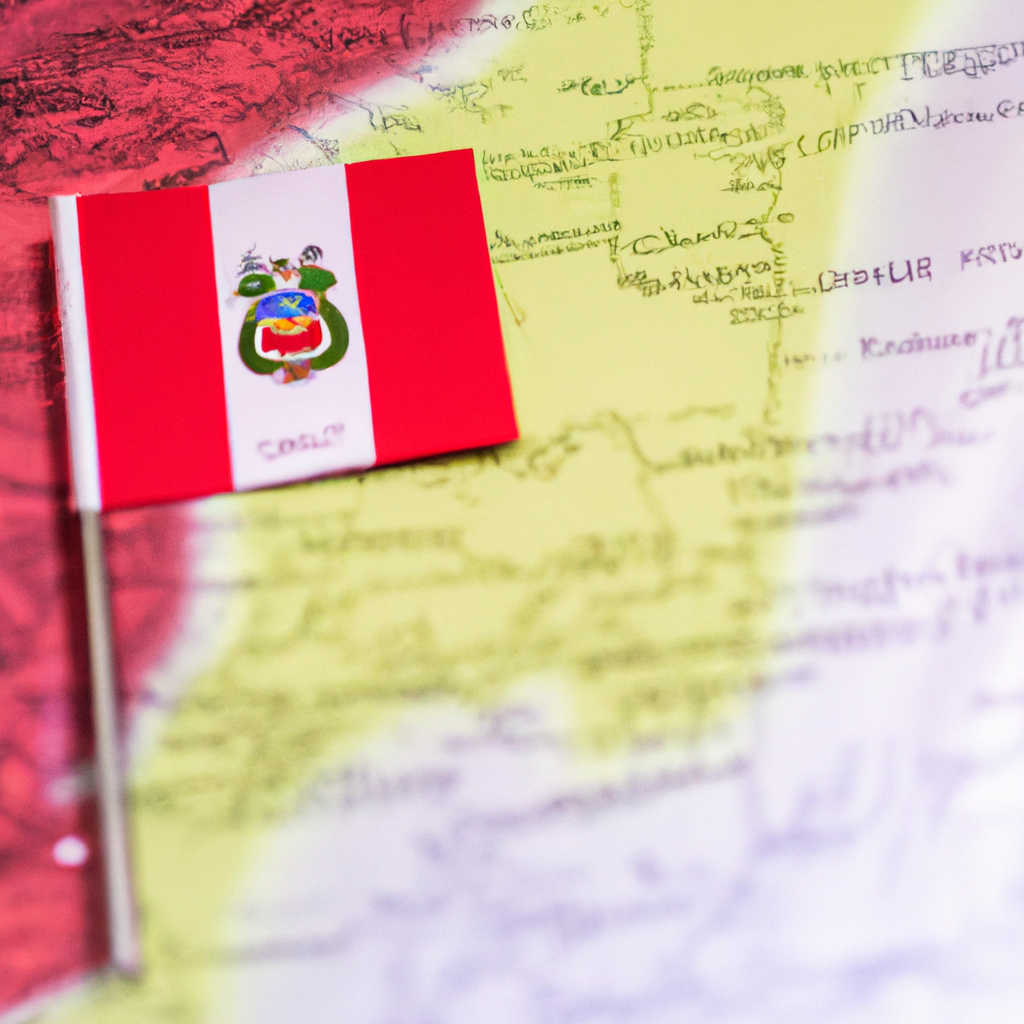
What are the regulations for visiting the Huascaran National Park?

Post ByAdequate Travel
Summary
Huascaran National Park is located in the Northern region of Peru and is a legally protected area of immense biological significance. Visiting the Huascaran National Park requires knowledge of the regulations and guidelines in place to ensure the future protection of the region and its ecosystems. This blog post will explore the various regulations and guidelines for visitors of the Huascaran National Park. While planning your trip, take note of any travel restrictions that may impact your itinerary, such as limited access to certain regions or attractions.Regulations for Visiting Huascaran National Park:
1. Entry Permits:
All visitors are required to obtain an entry permit before entering Huascaran National Park. The permit can be obtained from the park office or through authorized tour operators.
For example, tourists can obtain their entry permits at the Huascaran National Park Visitor Center in Huaraz.
2. Visitor Centers:
Visitors are encouraged to start their visit at one of the park's visitor centers to receive updated information, maps, and guidelines for a safe and responsible visit.
For instance, the park has visitor centers at Yungay and Musho, where visitors can gather information about the park's regulations and current conditions.
3. Trekking and Climbing Regulations:
For safety and conservation reasons, there are specific regulations in place for trekking and climbing activities within Huascaran National Park.
Examples of these regulations include:
- Visitors must hire certified guides or join authorized guided tours for trekking and climbing.
- Group size limits may be imposed to minimize environmental impact.
- Specific routes and campsites must be followed to avoid sensitive areas.
- Proper waste disposal practices must be observed throughout the trekking and climbing activities.
- Some mountains or climbing routes might require additional permits or approvals.
4. Camping Regulations:
Camping is allowed within designated areas of the park, and visitors need to follow specific regulations to minimize environmental impact and ensure everyone's safety.
Example camping regulations include:
- Only camp at designated campsites and avoid setting up tents in delicate ecosystems.
- Firearms and hunting are strictly prohibited within the park.
- Camping permits should be obtained in advance.
- Proper waste disposal and carrying out all trash is mandatory.
5. Wildlife and Flora:
Visitors should respect the park's wildlife and flora by observing them from a distance and avoiding any disturbance or damage.
Examples of guidelines for wildlife and flora conservation are:
- Do not feed or approach the animals.
- Do not remove or damage any plants or flowers.
- Photograph wildlife without using flash or any disruptive technique.
Suggested Questions
You may also like
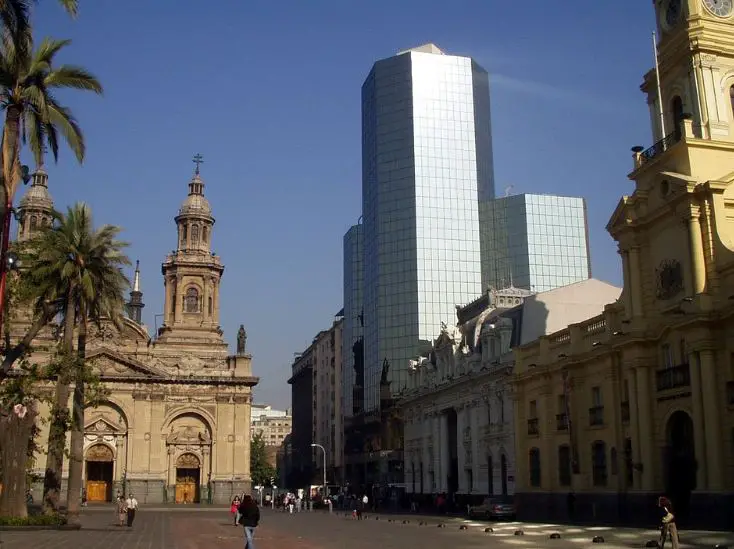
Best Cities in Chile to Visit | Major Cities in Chile
Chile a country that extends across the Pacific Ocean with startling diverse terrain, from the snow-capped Andes and colossal glaciers to a wave-licked coast and desolate desert. The top cities of Chile have reputed tourist’s value. Amid these mind-blowing geographical extremes … Continue reading
The post Best Cities in Chile to Visit | Major Cities in Chile appeared first on World Tour & Travel Guide, Get Travel Tips, Information, Discover Travel Destination | Adequate Travel.
Read More
Most Visited Monuments in Chile | Famous Monuments of Chile
Chile is a scenic, ribbon-shaped South American country situated west of Argentina and the Andes that attracts well over 5 million visitors each year. The monuments in Chile with an abundance of superb colonial historic buildings and conservation areas are … Continue reading
The post Most Visited Monuments in Chile | Famous Monuments of Chile appeared first on World Tour & Travel Guide, Get Travel Tips, Information, Discover Travel Destination | Adequate Travel.
Read More
Latest Travel Restrictions in Chile| 5 Safe Places to Visit in Chile 2021
Chile or the Republic of Chile is a natural wonder that extends along the western edge of South America amidst the crystal clear water of the Pacific Ocean. Chile is the best summer holiday destination where you can enjoy the … Continue reading
The post Latest Travel Restrictions in Chile| 5 Safe Places to Visit in Chile 2021 appeared first on World Tour & Travel Guide, Get Travel Tips, Information, Discover Travel Destination | Adequate Travel.
Read More
10 Best Outdoor Activities in Chile
Chile or the Republic of Chile is one of the adventure hubs nestled on the western edge of South America. With a crystal clear rub of the Pacific Ocean on the side & breath-taking views of The Andes and Chilean … Continue reading
The post 10 Best Outdoor Activities in Chile appeared first on World Tour & Travel Guide, Get Travel Tips, Information, Discover Travel Destination | Adequate Travel.
Read More
Top 8 Nightlife Cities in Chile 2022- Adequate Travel
Facing the vast blue pacific ocean this narrow South American country packs a lot more punch than you can expect. The palm-lined beaches of Plaza de Armas are no wonder the biggest tourist attractions of Chile. But ever wondered what … Continue reading
The post Top 8 Nightlife Cities in Chile 2022- Adequate Travel appeared first on World Tour & Travel Guide, Get Travel Tips, Information, Discover Travel Destination | Adequate Travel.
Read More
15 Best Women Travel Bags: Reviewed & Tested- Get Expert Advice
Get the list of 15 best traveling bags for women. Know the size, material, durability, and other features of the bags.
Read More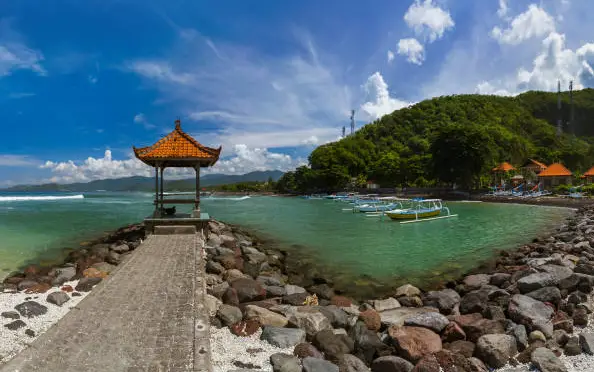
12 Best Beaches in Uluwatu | Popular Uluwatu Beaches
Discover the allure of Uluwatu Beaches. Here is the list of the 12 best beaches in Uluwatu that will let you explore the best of Uluwatu's coastal treasures.
Read More
What are the best practices for responsible wildlife viewing in Canada?
Discover essential tips for responsible wildlife viewing in Canada. Respect habitats, minimize disturbances, and support conservation efforts. Start here!
Read More
Things to do in bali.
Looking for the best things to do in Bali? Here we have curated the best things and places to visit in Bali on your vacation.
Read More
Are there any eco-friendly transportation options for traveling between provinces in Canada?
From electric vehicles and buses to cycling and passenger trains, find eco-friendly ways to journey across the country. Start your green adventure today!
Read More