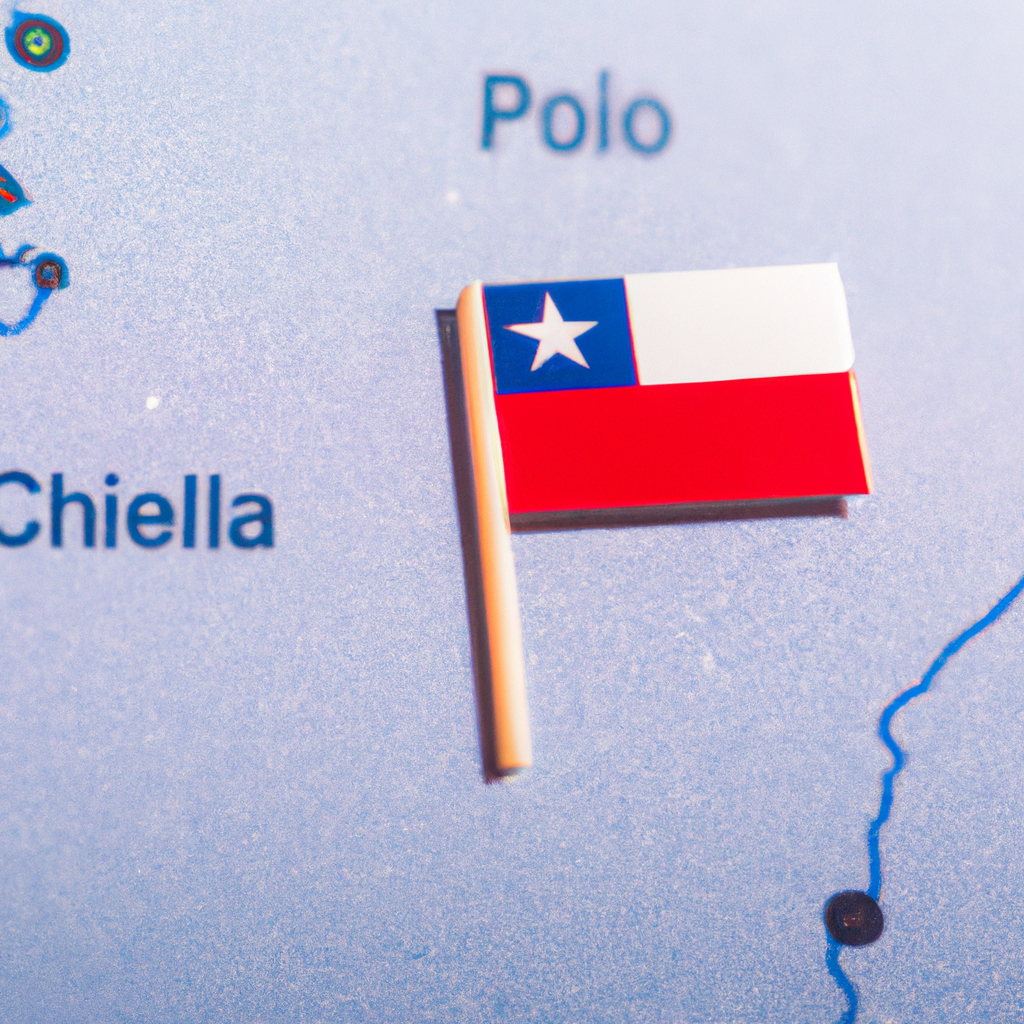
What are the regulations for visiting national parks?

Post ByAdequate Travel
Summary
Are you planning a National Park getaway for you and your family? Before you start packing, make sure you know the regulations for visiting National Parks. From entrance fees to pet restrictions, this post will provide you with an overview of the rules and regulations you need to consider before embarking on your trip. Before embarking on your journey to chile, make sure to check the latest travel guidelines and entry requirements to ensure a smooth tripRegulations for visiting national parks:
1. Entrance fees:
- National parks often charge entrance fees to help maintain and manage the park's facilities and resources. These fees vary by park and can be paid at entrance gates, visitor centers, or online.2. Operating hours:
- National parks have designated operating hours, usually from sunrise to sunset. Visitors are required to enter and exit the park within these hours.3. Pets and domestic animals:
- Most national parks have strict regulations regarding pets and domestic animals. In general, they are not allowed on trails, in park buildings, or in certain sections of the park. However, some parks have designated areas where pets on leashes are permitted.4. Camping permits and reservations:
- Camping in national parks typically requires a permit, and it is advisable to make reservations in advance, especially during peak seasons. Each park may have specific guidelines and limitations on camping locations, campfires, and stay durations.5. Wilderness permits and backcountry travel:
- If you plan to venture into the backcountry or engage in wilderness activities, such as hiking or backpacking in remote areas, you may need a wilderness permit. These permits may have restrictions on the number of visitors allowed per day and specific campsites designated for use.6. Fire regulations:
- Due to the risk of wildfires, national parks often implement fire regulations. These can include restrictions on campfires and certain types of stoves or grills. Visitors must adhere to any fire-related guidelines to prevent accidental fires and preserve the park's natural resources.7. Wildlife and plant protection:
- Protecting wildlife and plant species is crucial in national parks. Visitors must respect and follow regulations related to feeding animals, collecting plants, or disturbing their habitats. It is essential to observe wildlife from a safe distance and not disrupt their natural behavior.8. Litter and waste management:
- National parks aim to maintain their pristine beauty, so visitors must properly dispose of trash and waste in designated receptacles. Some parks may follow a "pack in, pack out" policy, requiring visitors to carry out their trash and leave no trace behind.9. Safety guidelines:
- National parks often have safety guidelines to ensure visitors' well-being. These can include rules regarding swimming in rivers or lakes, designated lookout points, and staying on marked trails. It is important to familiarize yourself with these guidelines to minimize risks.10. Photography and filming permits:
- If you plan to use your visit for commercial or professional photography or filming purposes, you may need a permit from the park authorities. This ensures that park activities are not disrupted and the privacy of other visitors is respected.These regulations may vary slightly between different national parks, so it is essential to consult the specific park's website or visitor center for detailed information before your visit.Stay informed about any travel restrictions or travel rules in place, as they may vary depending on your destination within the country.Suggested Questions
- Cementerio General, Talcahuano: Horror Story, History & Paranomial Activities
- Fuerte Bulnes, Punta Arenas: Horror Story, History & Paranomial Activities
- Palacio Pereira, Santiago: Horror Story, History & Paranomial Activities
- Casona Dubois, Pudahuel: Horror Story, History & Paranomial Activities
- Palacio Valdés, Viña del Mar: Horror Story, History & Paranomial Activities
- Palacio Vergara, Viña del Mar: Horror Story, History & Paranomial Activities
Questions chile
You may also like
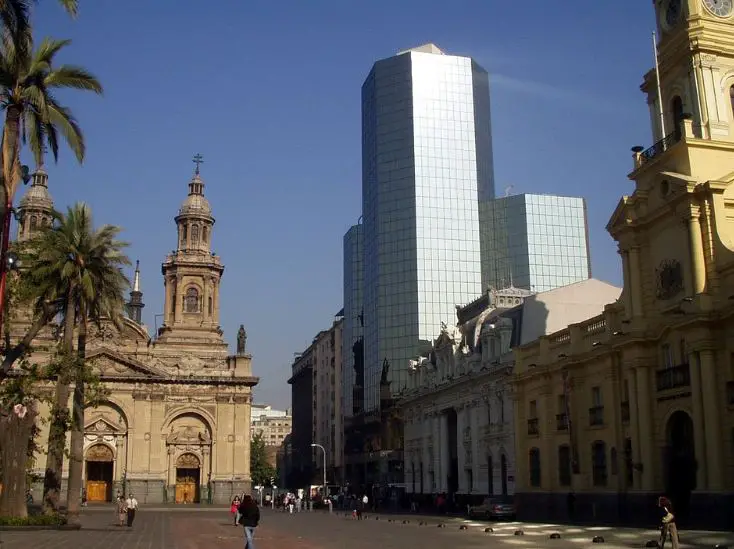
Best Cities in Chile to Visit | Major Cities in Chile
Chile a country that extends across the Pacific Ocean with startling diverse terrain, from the snow-capped Andes and colossal glaciers to a wave-licked coast and desolate desert. The top cities of Chile have reputed tourist’s value. Amid these mind-blowing geographical extremes … Continue reading
The post Best Cities in Chile to Visit | Major Cities in Chile appeared first on World Tour & Travel Guide, Get Travel Tips, Information, Discover Travel Destination | Adequate Travel.
Read More
Most Visited Monuments in Chile | Famous Monuments of Chile
Chile is a scenic, ribbon-shaped South American country situated west of Argentina and the Andes that attracts well over 5 million visitors each year. The monuments in Chile with an abundance of superb colonial historic buildings and conservation areas are … Continue reading
The post Most Visited Monuments in Chile | Famous Monuments of Chile appeared first on World Tour & Travel Guide, Get Travel Tips, Information, Discover Travel Destination | Adequate Travel.
Read More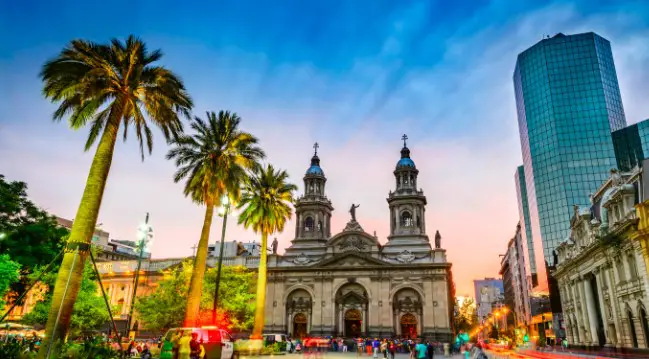
Latest Travel Restrictions in Chile| 5 Safe Places to Visit in Chile 2021
Chile or the Republic of Chile is a natural wonder that extends along the western edge of South America amidst the crystal clear water of the Pacific Ocean. Chile is the best summer holiday destination where you can enjoy the … Continue reading
The post Latest Travel Restrictions in Chile| 5 Safe Places to Visit in Chile 2021 appeared first on World Tour & Travel Guide, Get Travel Tips, Information, Discover Travel Destination | Adequate Travel.
Read More
10 Best Outdoor Activities in Chile
Chile or the Republic of Chile is one of the adventure hubs nestled on the western edge of South America. With a crystal clear rub of the Pacific Ocean on the side & breath-taking views of The Andes and Chilean … Continue reading
The post 10 Best Outdoor Activities in Chile appeared first on World Tour & Travel Guide, Get Travel Tips, Information, Discover Travel Destination | Adequate Travel.
Read More
Top 8 Nightlife Cities in Chile 2022- Adequate Travel
Facing the vast blue pacific ocean this narrow South American country packs a lot more punch than you can expect. The palm-lined beaches of Plaza de Armas are no wonder the biggest tourist attractions of Chile. But ever wondered what … Continue reading
The post Top 8 Nightlife Cities in Chile 2022- Adequate Travel appeared first on World Tour & Travel Guide, Get Travel Tips, Information, Discover Travel Destination | Adequate Travel.
Read More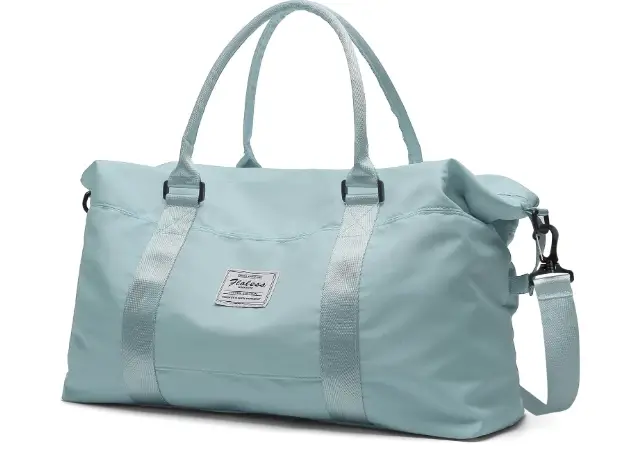
15 Best Women Travel Bags: Reviewed & Tested- Get Expert Advice
Get the list of 15 best traveling bags for women. Know the size, material, durability, and other features of the bags.
Read More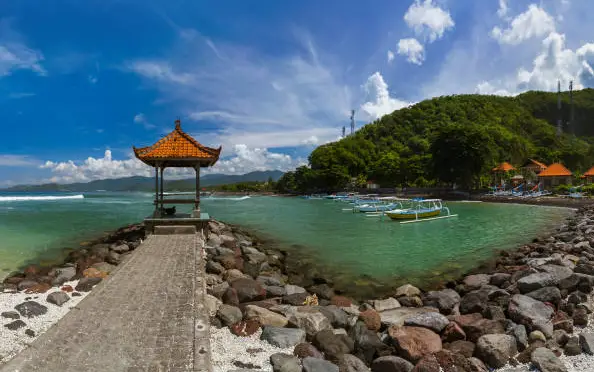
12 Best Beaches in Uluwatu | Popular Uluwatu Beaches
Discover the allure of Uluwatu Beaches. Here is the list of the 12 best beaches in Uluwatu that will let you explore the best of Uluwatu's coastal treasures.
Read More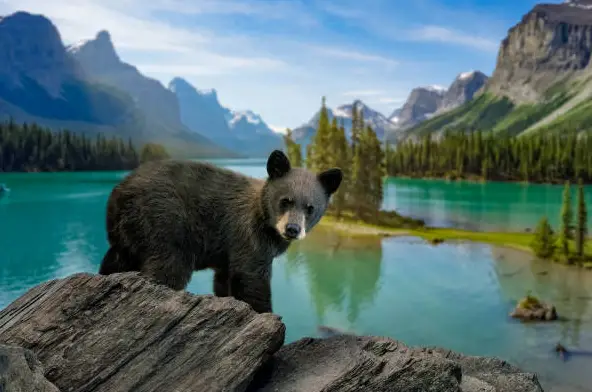
What are the best practices for responsible wildlife viewing in Canada?
Discover essential tips for responsible wildlife viewing in Canada. Respect habitats, minimize disturbances, and support conservation efforts. Start here!
Read More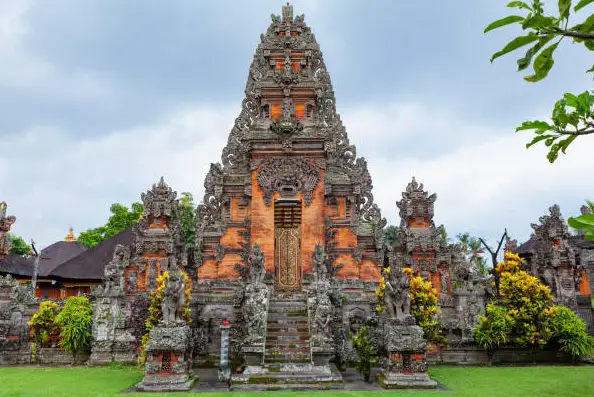
Things to do in bali.
Looking for the best things to do in Bali? Here we have curated the best things and places to visit in Bali on your vacation.
Read More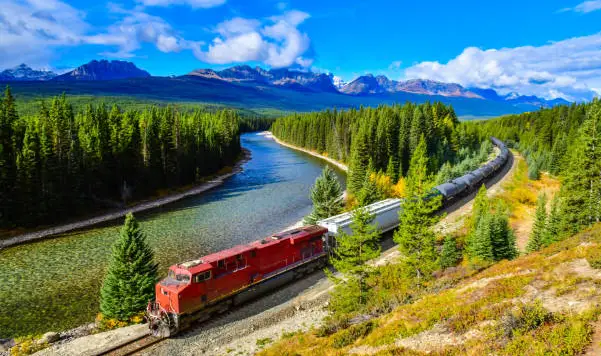
Are there any eco-friendly transportation options for traveling between provinces in Canada?
From electric vehicles and buses to cycling and passenger trains, find eco-friendly ways to journey across the country. Start your green adventure today!
Read More