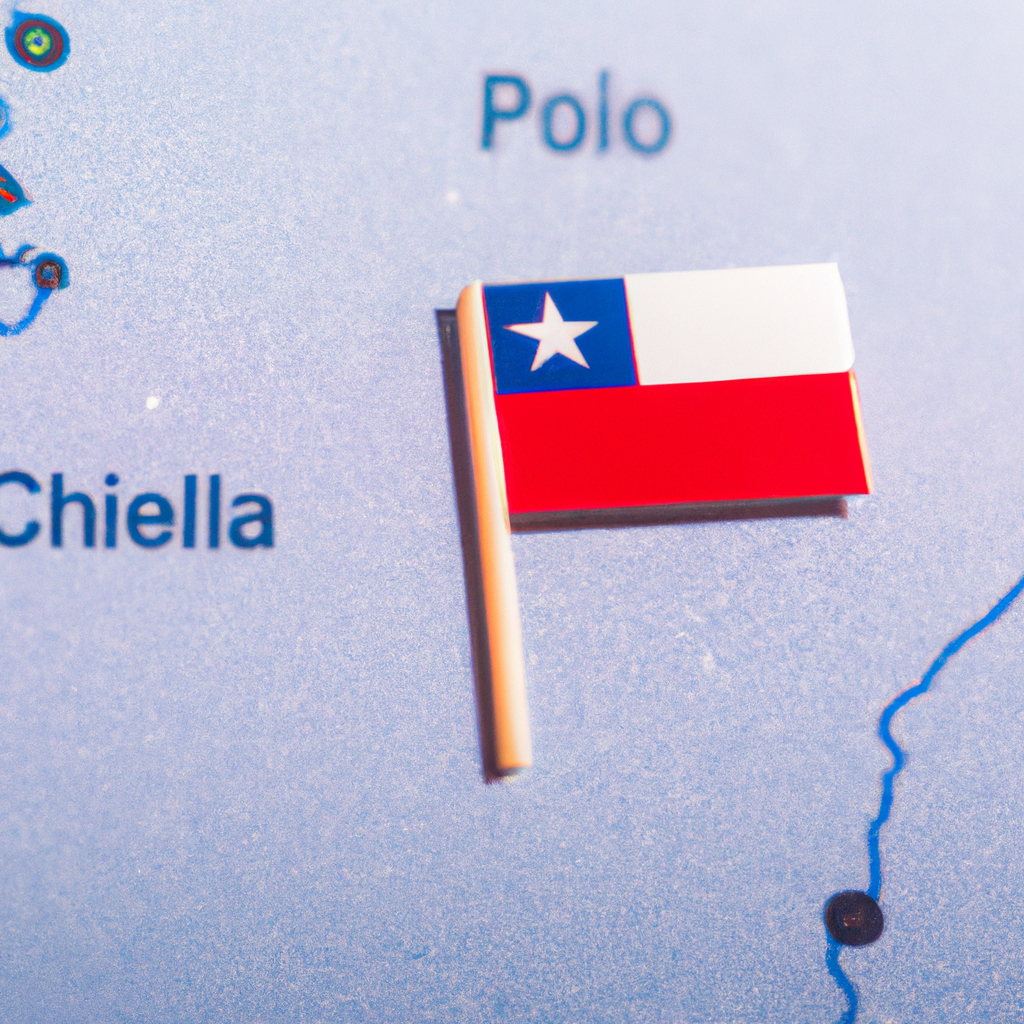
How should I pack for Chile's varied climates?

Post ByAdequate Travel
Summary
Heading to Chile? Make sure to read up on how to pack for the distinct and varied climates across the diverse regions of the country. From beach-ready swimsuits for the central coast's beaches to insulated jackets for the Rocky Mountains, this guide will help you ensure you’re fully packed and ready for your trip. Before embarking on your journey to chile, make sure to check the latest travel guidelines and entry requirements to ensure a smooth tripPack for Chile's Varied Climates
Chile is known for its diverse range of climates, from the dry deserts of the north to the icy glaciers of the south. To ensure you are prepared for the varying weather conditions, follow these packing tips:
1. Layered Clothing
Layering is crucial when packing for Chile. Include clothing items that can be easily layered to adapt to different temperatures. For example:
- A lightweight t-shirt or tank top for warm weather.
- A long-sleeved shirt or sweater for cool evenings or higher altitudes.
- A warm jacket or fleece for colder regions.
- A waterproof and windproof outer layer for rainy or windy days.
2. Comfortable Footwear
Choose footwear that is suitable for different terrains and weather conditions:
- Hiking boots or sturdy walking shoes for exploring nature reserves, national parks, and trekking routes.
- Comfortable sandals or flip-flops for beach visits or warm days.
- Waterproof boots or shoes for rainy areas or activities like boat trips or glacier hikes.
3. Sun Protection
Chile's high altitude and proximity to the ozone hole make it essential to pack sun protection:
- Sunscreen with a high SPF to protect your skin from UV rays.
- A wide-brimmed hat or cap to shield your face from the sun.
- Sunglasses with UV protection to safeguard your eyes.
4. Essential Accessories
Don't forget to bring these necessary accessories:
- A versatile scarf or shawl that can be used for warmth, as a cover-up, or to protect against wind and dust.
- A compact umbrella for unexpected rain showers.
- A lightweight backpack to carry essentials during day trips.
- A reusable water bottle to stay hydrated, especially in arid regions.
5. Adapted Clothing for Specific Activities
Consider the planned activities and regions you will be visiting:
- Swimwear for beach visits, hot springs, or water activities.
- Thermals or base layers for colder destinations or higher altitudes.
- Quick-drying clothing for outdoor activities like kayaking, rafting, or fishing.
- A lightweight rain jacket or poncho for hiking or exploring rainforest areas.
Suggested Questions
- Casa de la Cultura, San Vicente de Tagua Tagua: Horror Story, History & Paranomial Activities
- Cementerio General, Talca: Horror Story, History & Paranomial Activities
- Plaza de Armas, Santiago: Horror Story, History & Paranomial Activities
- Casa Colina, Santiago: Horror Story, History & Paranomial Activities
- Parque Forestal, Santiago: Horror Story, History & Paranomial Activities
- Casona de San Antonio, Santiago: Horror Story, History & Paranomial Activities
Questions chile
You may also like
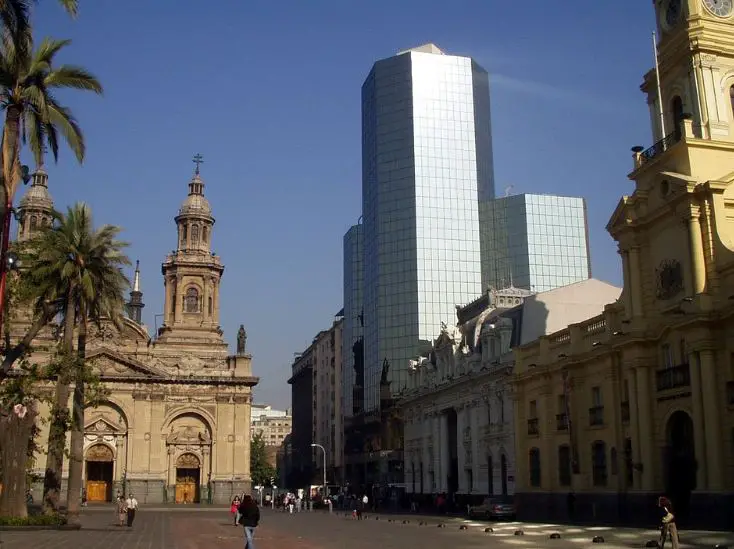
Best Cities in Chile to Visit | Major Cities in Chile
Chile a country that extends across the Pacific Ocean with startling diverse terrain, from the snow-capped Andes and colossal glaciers to a wave-licked coast and desolate desert. The top cities of Chile have reputed tourist’s value. Amid these mind-blowing geographical extremes … Continue reading
The post Best Cities in Chile to Visit | Major Cities in Chile appeared first on World Tour & Travel Guide, Get Travel Tips, Information, Discover Travel Destination | Adequate Travel.
Read More
Most Visited Monuments in Chile | Famous Monuments of Chile
Chile is a scenic, ribbon-shaped South American country situated west of Argentina and the Andes that attracts well over 5 million visitors each year. The monuments in Chile with an abundance of superb colonial historic buildings and conservation areas are … Continue reading
The post Most Visited Monuments in Chile | Famous Monuments of Chile appeared first on World Tour & Travel Guide, Get Travel Tips, Information, Discover Travel Destination | Adequate Travel.
Read More
Latest Travel Restrictions in Chile| 5 Safe Places to Visit in Chile 2021
Chile or the Republic of Chile is a natural wonder that extends along the western edge of South America amidst the crystal clear water of the Pacific Ocean. Chile is the best summer holiday destination where you can enjoy the … Continue reading
The post Latest Travel Restrictions in Chile| 5 Safe Places to Visit in Chile 2021 appeared first on World Tour & Travel Guide, Get Travel Tips, Information, Discover Travel Destination | Adequate Travel.
Read More
10 Best Outdoor Activities in Chile
Chile or the Republic of Chile is one of the adventure hubs nestled on the western edge of South America. With a crystal clear rub of the Pacific Ocean on the side & breath-taking views of The Andes and Chilean … Continue reading
The post 10 Best Outdoor Activities in Chile appeared first on World Tour & Travel Guide, Get Travel Tips, Information, Discover Travel Destination | Adequate Travel.
Read More
Top 8 Nightlife Cities in Chile 2022- Adequate Travel
Facing the vast blue pacific ocean this narrow South American country packs a lot more punch than you can expect. The palm-lined beaches of Plaza de Armas are no wonder the biggest tourist attractions of Chile. But ever wondered what … Continue reading
The post Top 8 Nightlife Cities in Chile 2022- Adequate Travel appeared first on World Tour & Travel Guide, Get Travel Tips, Information, Discover Travel Destination | Adequate Travel.
Read More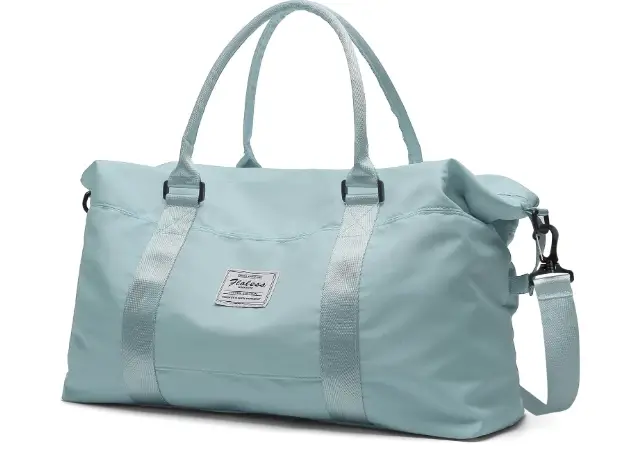
15 Best Women Travel Bags: Reviewed & Tested- Get Expert Advice
Get the list of 15 best traveling bags for women. Know the size, material, durability, and other features of the bags.
Read More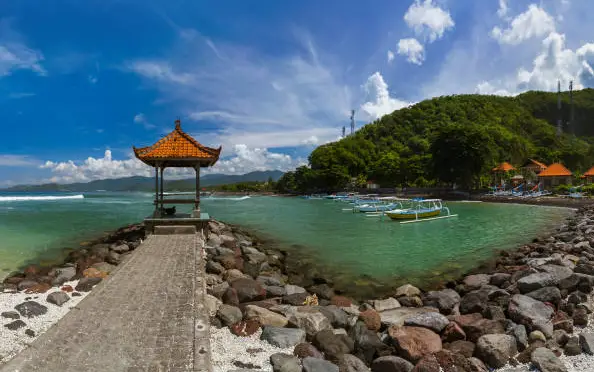
12 Best Beaches in Uluwatu | Popular Uluwatu Beaches
Discover the allure of Uluwatu Beaches. Here is the list of the 12 best beaches in Uluwatu that will let you explore the best of Uluwatu's coastal treasures.
Read More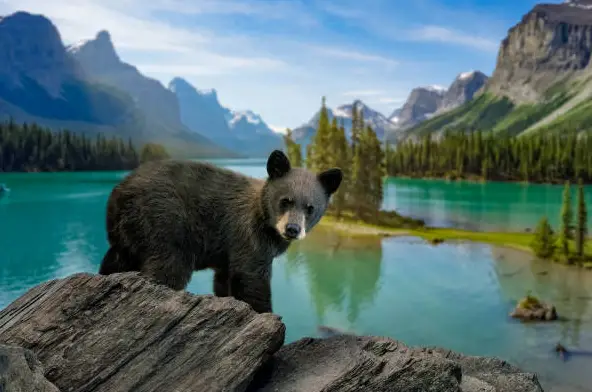
What are the best practices for responsible wildlife viewing in Canada?
Discover essential tips for responsible wildlife viewing in Canada. Respect habitats, minimize disturbances, and support conservation efforts. Start here!
Read More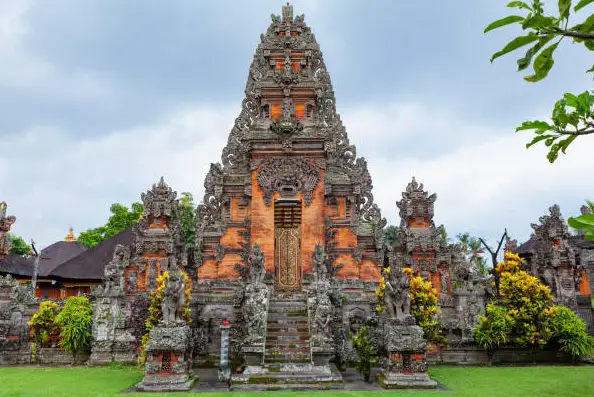
Things to do in bali.
Looking for the best things to do in Bali? Here we have curated the best things and places to visit in Bali on your vacation.
Read More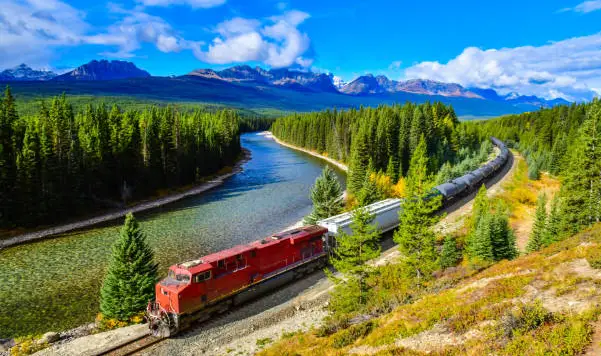
Are there any eco-friendly transportation options for traveling between provinces in Canada?
From electric vehicles and buses to cycling and passenger trains, find eco-friendly ways to journey across the country. Start your green adventure today!
Read More