Do I need to know any Chilean slang?

Post ByAdequate Travel
Summary
Whether you're planning to visit Chile for a vacation, or exploring the possibility of living in the country, knowing a few common Chilean slang expressions can help you have a more immersive and enjoyable experience. In this blog, we'll explore why it's important to understand Chilean slang, what different slang terms you might come across, and how to quickly master the basics. The place is known for its rich history and culture, welcomes tourists with open arms. However, be sure to review the travel advisory and travel warnings to ensure a safe and enjoyable experience.Do I need to know any Chilean slang?
In order to fully immerse yourself in the Chilean culture and enhance your communication with locals, knowing some Chilean slang can be helpful. While it's not mandatory, being familiar with certain slang terms can make conversations more enjoyable and allow you to better understand the nuances of Chilean Spanish.
Examples of Chilean slang:
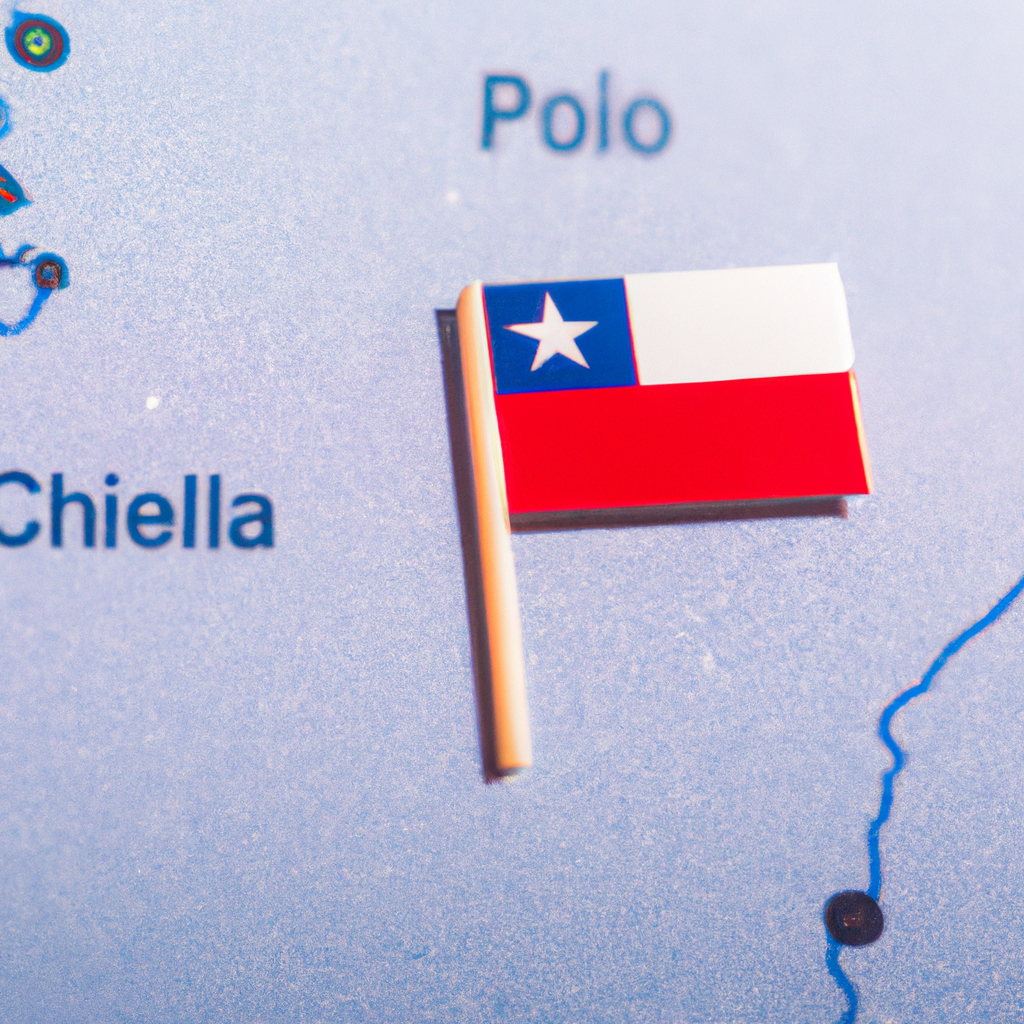
1. Po: This word is used as a filler and can be appended at the end of sentences. It doesn't have a specific meaning but adds emphasis or reflects the Chilean way of speaking. For example, "Vamos a salir, po" (Let's go out, po).
2. Cachai: This term is equivalent to "you know" or "do you understand". It is commonly used in informal conversations and can be translated as "got it" or "understood". For instance, "Cachai lo que te digo?" (Do you understand what I'm saying?).
3. Pololo/Polola: These two words refer to a boyfriend (pololo) or a girlfriend (polola). They are commonly used among young people in Chile. For example, "Mi polola está en el cine" (My girlfriend is at the cinema).
4. Fome: This slang word means "boring" or "dull". It can be used to describe activities, events, or individuals. For instance, "La película estuvo muy fome" (The movie was very boring).
5. Pega: This term is used to refer to work or a job. It can be used in phrases like "Estoy buscando pega" (I am looking for work) or "Tengo una pega nueva" (I have a new job).
6. Caleta: In Chilean slang, "caleta" means a lot, a large quantity, or an abundance. It can be used to refer to various objects or people. For example, "Hay caleta de gente en la fiesta" (There are a lot of people at the party).
7. Min@: This term is used as an abbreviation for a person's name or to refer to someone. The "@" symbol is used as a gender-neutral form, replacing the traditional gendered forms like mina (girl) or mino (guy). For instance, "Hola, ¿cómo estai, min@?" (Hi, how are you, person?).
Remember, slang terms can vary in different regions of Chile, so it's always good to stay open-minded and willing to learn new expressions during your conversations.
While planning your trip, take note of any travel restrictions that may impact your itinerary, such as limited access to certain regions or attractions.Suggested Questions
- Teatro Municipal de Viña del Mar, Viña del Mar: Horror Story, History & Paranomial Activities
- Cementerio General, Ovalle: Horror Story, History & Paranomial Activities
- Cementerio General, Santiago: Horror Story, History & Paranomial Activities
- Castillo de Santa Rosa, Cerro Santa Lucía, Santiago: Horror Story, History & Paranomial Activities
- Palacio Valdés, Viña del Mar: Horror Story, History & Paranomial Activities
- Hospital Psiquiátrico Philippe Pinel, Putaendo: Horror Story, History & Paranomial Activities
Questions chile
You may also like
Best Cities in Chile to Visit | Major Cities in Chile
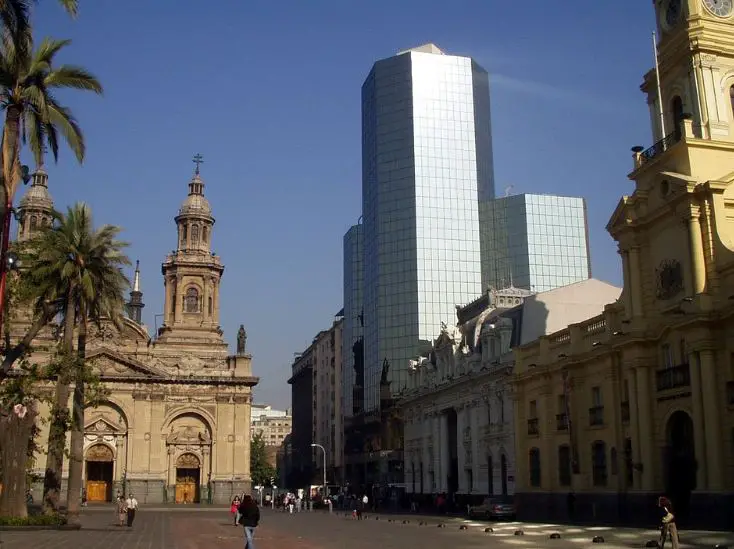
Chile a country that extends across the Pacific Ocean with startling diverse terrain, from the snow-capped Andes and colossal glaciers to a wave-licked coast and desolate desert. The top cities of Chile have reputed tourist’s value. Amid these mind-blowing geographical extremes … Continue reading
The post Best Cities in Chile to Visit | Major Cities in Chile appeared first on World Tour & Travel Guide, Get Travel Tips, Information, Discover Travel Destination | Adequate Travel.
Read More
Most Visited Monuments in Chile | Famous Monuments of Chile
Chile is a scenic, ribbon-shaped South American country situated west of Argentina and the Andes that attracts well over 5 million visitors each year. The monuments in Chile with an abundance of superb colonial historic buildings and conservation areas are … Continue reading
The post Most Visited Monuments in Chile | Famous Monuments of Chile appeared first on World Tour & Travel Guide, Get Travel Tips, Information, Discover Travel Destination | Adequate Travel.
Read More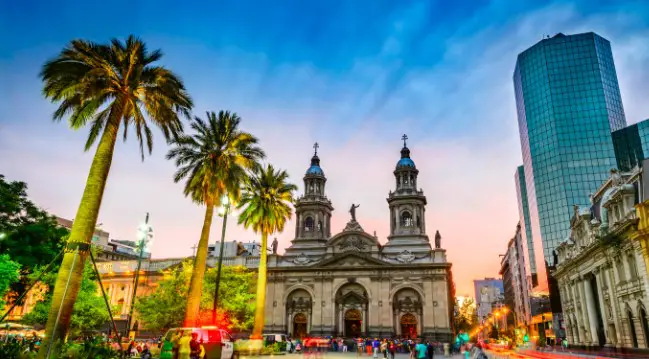
Latest Travel Restrictions in Chile| 5 Safe Places to Visit in Chile 2021
Chile or the Republic of Chile is a natural wonder that extends along the western edge of South America amidst the crystal clear water of the Pacific Ocean. Chile is the best summer holiday destination where you can enjoy the … Continue reading
The post Latest Travel Restrictions in Chile| 5 Safe Places to Visit in Chile 2021 appeared first on World Tour & Travel Guide, Get Travel Tips, Information, Discover Travel Destination | Adequate Travel.
Read More
10 Best Outdoor Activities in Chile
Chile or the Republic of Chile is one of the adventure hubs nestled on the western edge of South America. With a crystal clear rub of the Pacific Ocean on the side & breath-taking views of The Andes and Chilean … Continue reading
The post 10 Best Outdoor Activities in Chile appeared first on World Tour & Travel Guide, Get Travel Tips, Information, Discover Travel Destination | Adequate Travel.
Read More
Top 8 Nightlife Cities in Chile 2022- Adequate Travel
Facing the vast blue pacific ocean this narrow South American country packs a lot more punch than you can expect. The palm-lined beaches of Plaza de Armas are no wonder the biggest tourist attractions of Chile. But ever wondered what … Continue reading
The post Top 8 Nightlife Cities in Chile 2022- Adequate Travel appeared first on World Tour & Travel Guide, Get Travel Tips, Information, Discover Travel Destination | Adequate Travel.
Read More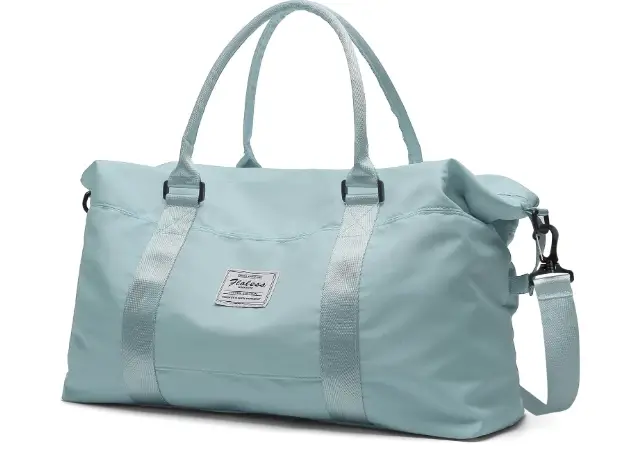
15 Best Women Travel Bags: Reviewed & Tested- Get Expert Advice
Get the list of 15 best traveling bags for women. Know the size, material, durability, and other features of the bags.
Read More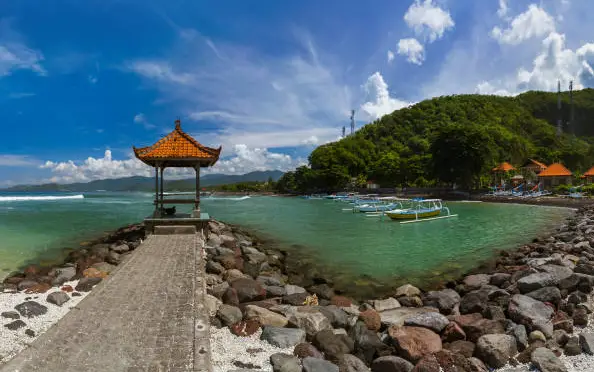
12 Best Beaches in Uluwatu | Popular Uluwatu Beaches
Discover the allure of Uluwatu Beaches. Here is the list of the 12 best beaches in Uluwatu that will let you explore the best of Uluwatu's coastal treasures.
Read More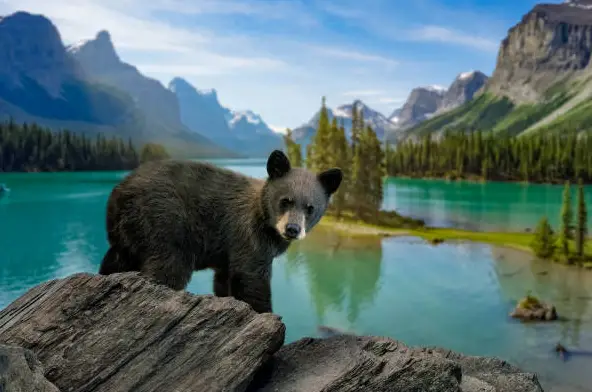
What are the best practices for responsible wildlife viewing in Canada?
Discover essential tips for responsible wildlife viewing in Canada. Respect habitats, minimize disturbances, and support conservation efforts. Start here!
Read More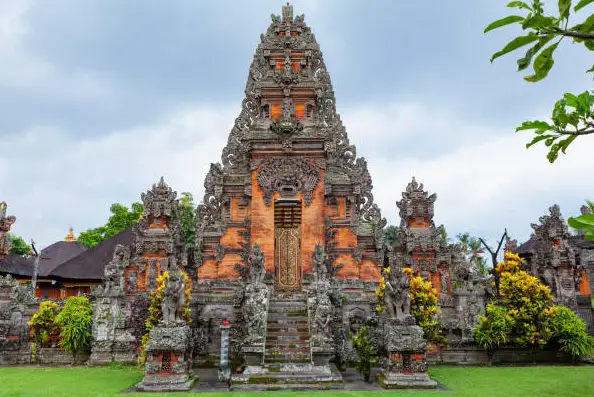
Things to do in bali.
Looking for the best things to do in Bali? Here we have curated the best things and places to visit in Bali on your vacation.
Read More
Are there any eco-friendly transportation options for traveling between provinces in Canada?
From electric vehicles and buses to cycling and passenger trains, find eco-friendly ways to journey across the country. Start your green adventure today!
Read More