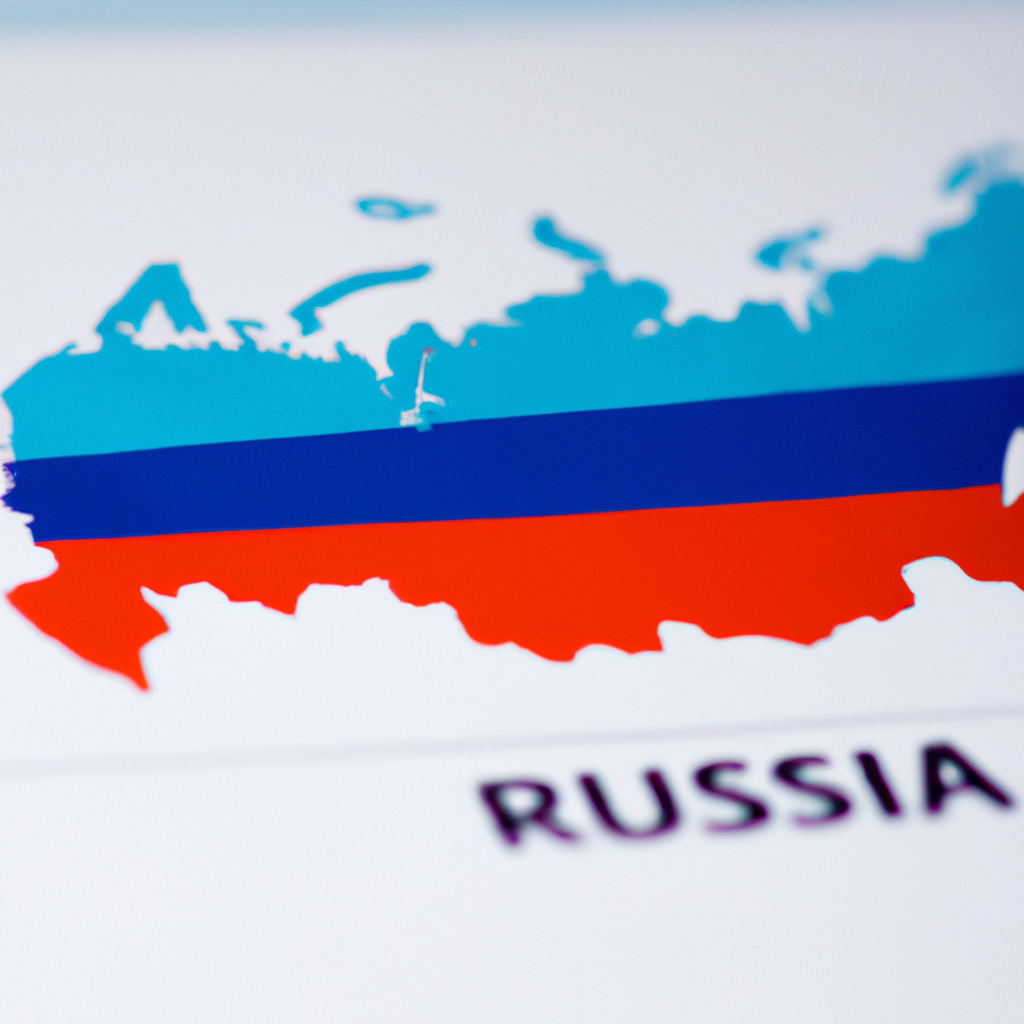
How can I explore the history of the Russian Revolution?

Post ByAdequate Travel
Summary
Exploring the history of the Russian Revolution can provide invaluable insights into some of the most important events of the 20th century. Through reading original sources, engaging with secondary literature and visiting historical sites, it is possible to gain a rich understanding of the factors that led to the Russian Revolution of 1917 and its ongoing legacy. In this blog post, we will outline a range of ways in which you can explore the history of the Russian Revolution. Stay informed about any travel restrictions or travel rules in place, as they may vary depending on your destination within the country.1. Read books and articles
Start by reading books and articles written by historians and experts on the Russian Revolution. Look for well-researched and comprehensive works that provide both a broad overview and in-depth analysis of the events.
Examples:
"A People's Tragedy: The Russian Revolution 1891-1924" by Orlando Figes
"October: The Story of the Russian Revolution" by China Miéville
"The Bolsheviks in Power: The First Year of Soviet Rule in Petrograd" by Alexander Rabinowitch
2. Explore primary sources
Primary sources provide firsthand accounts and documents from the time of the Russian Revolution. They offer valuable insights into the thoughts, motivations, and experiences of key figures and ordinary people living during that period.
Examples:
Diaries and memoirs of individuals involved in the revolution, such as "Ten Days That Shook the World" by John Reed
Newspaper articles and editorials from the time
Government declarations, speeches, and proclamations
3. Visit museums and exhibitions
Many museums and exhibits around the world dedicate sections or entire collections to the Russian Revolution. Visiting these museums can provide a visual and interactive understanding of the events, showcasing artifacts, photographs, artworks, and multimedia presentations.
Examples:
The State Hermitage Museum in St. Petersburg, Russia
The Russian Revolution exhibition at the British Library in London, United Kingdom
The Museum of Russian Revolution in Minsk, Belarus
4. Watch documentaries and films
Documentaries and films can offer a more engaging and immersive way to learn about the Russian Revolution. They often combine archival footage, interviews, and expert analysis to bring the history to life.
Examples:
"The Russian Revolution" (BBC documentary series)
"Reds" (1981 film directed by Warren Beatty)
"Tsar to Lenin" (1937 documentary)
5. Engage with online resources
There are numerous online resources available that provide access to historical documents, academic papers, podcasts, and interactive websites focusing on the Russian Revolution. These resources offer flexibility in exploring the history at your own pace.
Examples:
The Russian Revolution Digital Archive by the American Association for the Advancement of Slavic Studies
Podcasts, such as "Revolutions" by Mike Duncan, which covers various revolutions, including the Russian Revolution
Virtual exhibitions and educational websites provided by museums and universities
Suggested Questions
You may also like

10 Best Cities in Sweden to Visit | Major Cities in Sweden
A nation of natural beauty, it is fitting with the wonderful coastline and old forests are home to such incredible cities of Sweden. The cities in Sweden offer old castles and temples while agnostic destinations in outskirt area. Beautiful cities … Continue reading
The post 10 Best Cities in Sweden to Visit | Major Cities in Sweden appeared first on World Tour & Travel Guide, Get Travel Tips, Information, Discover Travel Destination | Adequate Travel.
Read More
Famous Monuments in Sweden | Most Visited Monuments in Sweden
If you want to explore the history of Sweden through the ages there are a number of historical monuments in Sweden including the time-honored buildings, palaces, and parks where you can learn about the glorious past of Phuket. The presence … Continue reading
The post Famous Monuments in Sweden | Most Visited Monuments in Sweden appeared first on World Tour & Travel Guide, Get Travel Tips, Information, Discover Travel Destination | Adequate Travel.
Read More
Latest Travel Restrictions to Sweden | Top 5 Places to Visit in Sweden
Sweden is a Scandinavian country that is known for its majestic snowy mountains, frozen glaciers, coastal islands, and inland lakes. There are numerous popular travel destinations in Sweden that any traveler will fancy exploring at least once in a lifetime. … Continue reading
The post Latest Travel Restrictions to Sweden | Top 5 Places to Visit in Sweden appeared first on World Tour & Travel Guide, Get Travel Tips, Information, Discover Travel Destination | Adequate Travel.
Read More
Top 12 Major Summer Festivals and Events in Sweden
With its long, dark winters, it is not surprising that the natives of Sweden would like to take advantage of the brighter, sunnier months. And with its endless coastal islands, inland lakes, vast boreal forests, and icy mountains, there is … Continue reading
The post Top 12 Major Summer Festivals and Events in Sweden appeared first on World Tour & Travel Guide, Get Travel Tips, Information, Discover Travel Destination | Adequate Travel.
Read More
10 Best Thriller Outdoor Activities in Sweden You Musn’t Miss
Get yourself ready to face the best winter sports of Sweden because there are a lot of adrenaline-pumping winter tours coming your way! Sweden is the living wonderland that is unspoiled by the urban civilizations. Hence, there are a lot … Continue reading
The post 10 Best Thriller Outdoor Activities in Sweden You Musn’t Miss appeared first on World Tour & Travel Guide, Get Travel Tips, Information, Discover Travel Destination | Adequate Travel.
Read More
Top 12 Most Beautiful Islands in Sweden
Sweden has much more to offer different from the mainland. Though most of the area is covered with land, there is so much of an island in this country. You won’t believe that Sweden is the country with the maximum … Continue reading
The post Top 12 Most Beautiful Islands in Sweden appeared first on World Tour & Travel Guide, Get Travel Tips, Information, Discover Travel Destination | Adequate Travel.
Read More
Top 10 Famous Lakes in Sweden | Beautiful Lakes in Sweden
Sweden has nearly 1 lakh beautiful lakes that show the rich biodiversity and tropical existence of the country in the world. These lakes in Sweden are not only proven to be a good source of freshwater but also recognized as … Continue reading
The post Top 10 Famous Lakes in Sweden | Beautiful Lakes in Sweden appeared first on World Tour & Travel Guide, Get Travel Tips, Information, Discover Travel Destination | Adequate Travel.
Read More
15 Best Women Travel Bags: Reviewed & Tested- Get Expert Advice
Get the list of 15 best traveling bags for women. Know the size, material, durability, and other features of the bags.
Read More
12 Best Beaches in Uluwatu | Popular Uluwatu Beaches
Discover the allure of Uluwatu Beaches. Here is the list of the 12 best beaches in Uluwatu that will let you explore the best of Uluwatu's coastal treasures.
Read More
What are the best practices for responsible wildlife viewing in Canada?
Discover essential tips for responsible wildlife viewing in Canada. Respect habitats, minimize disturbances, and support conservation efforts. Start here!
Read More