Safety and Emergency:

Post ByAdequate Travel
Summary
Safety and emergency situations are an ever-present reality of most daily activities. While many of us go to great lengths to ensure we are prepared for a worst-case scenario, it is important to understand the risks associated with any given environment. In this blog, we will look at how to stay safe in various settings and what to do in the event of an emergency. Stay informed about any travel restrictions or travel rules in place, as they may vary depending on your destination within the country.Safety Measures during Emergencies
1. Create an Emergency Plan:
Every individual and organization should have a well-documented emergency plan in place. This plan should outline steps to be taken during different types of emergencies, including evacuation routes, designated meeting points, and contact information for emergency services.
2. Conduct Safety Training:
Regular safety training sessions should be conducted to educate individuals on emergency procedures. This can cover topics such as first aid, CPR, fire safety, and handling hazardous materials.
3. Install Safety Equipment:
Proper safety equipment should be installed and regularly maintained within buildings. This includes smoke detectors, fire extinguishers, automatic sprinkler systems, emergency lighting, and first aid kits.
4. Communicate and Warn:
Stay connected with emergency services and communicate any potential hazards or emergencies promptly. In addition, establish a system to warn and alert individuals in the event of an emergency, such as using sirens, alarms, or broadcast systems.
Examples of Safety Measures:
1. Fire Safety:
Ensure that fire extinguishers are readily available throughout the building, especially near high-risk areas like kitchens or storage rooms. Conduct regular fire drills to familiarize individuals with evacuation procedures.
2. Earthquake Preparedness:
An earthquake preparedness plan can involve securing heavy furniture and appliances, creating an emergency supply kit with essential items, and identifying safe spots where individuals can take cover during an earthquake.
3. Cybersecurity:
Organizations should implement strong cybersecurity measures to protect sensitive data, including regular software updates, firewall installations, and employee training on how to detect and avoid cyber threats.
4. Personal Safety:
Individuals should take personal safety precautions, such as wearing seat belts while driving, avoiding distractions on the road, and practicing proper hygiene to prevent the spread of communicable diseases.
The place is known for its rich history and culture, welcomes tourists with open arms. However, be sure to review the travel advisory and travel warnings to ensure a safe and enjoyable experience.Suggested Questions
You may also like

10 Best Cities in Sweden to Visit | Major Cities in Sweden
A nation of natural beauty, it is fitting with the wonderful coastline and old forests are home to such incredible cities of Sweden. The cities in Sweden offer old castles and temples while agnostic destinations in outskirt area. Beautiful cities … Continue reading
The post 10 Best Cities in Sweden to Visit | Major Cities in Sweden appeared first on World Tour & Travel Guide, Get Travel Tips, Information, Discover Travel Destination | Adequate Travel.
Read More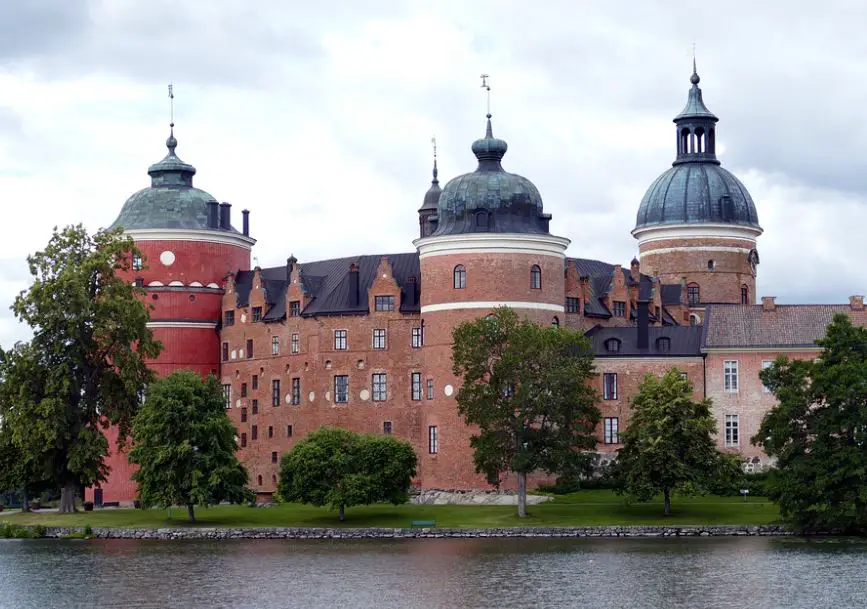
Famous Monuments in Sweden | Most Visited Monuments in Sweden
If you want to explore the history of Sweden through the ages there are a number of historical monuments in Sweden including the time-honored buildings, palaces, and parks where you can learn about the glorious past of Phuket. The presence … Continue reading
The post Famous Monuments in Sweden | Most Visited Monuments in Sweden appeared first on World Tour & Travel Guide, Get Travel Tips, Information, Discover Travel Destination | Adequate Travel.
Read More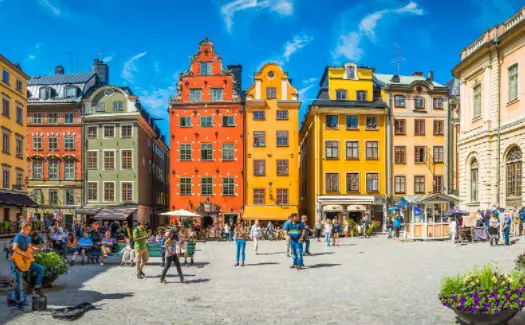
Latest Travel Restrictions to Sweden | Top 5 Places to Visit in Sweden
Sweden is a Scandinavian country that is known for its majestic snowy mountains, frozen glaciers, coastal islands, and inland lakes. There are numerous popular travel destinations in Sweden that any traveler will fancy exploring at least once in a lifetime. … Continue reading
The post Latest Travel Restrictions to Sweden | Top 5 Places to Visit in Sweden appeared first on World Tour & Travel Guide, Get Travel Tips, Information, Discover Travel Destination | Adequate Travel.
Read More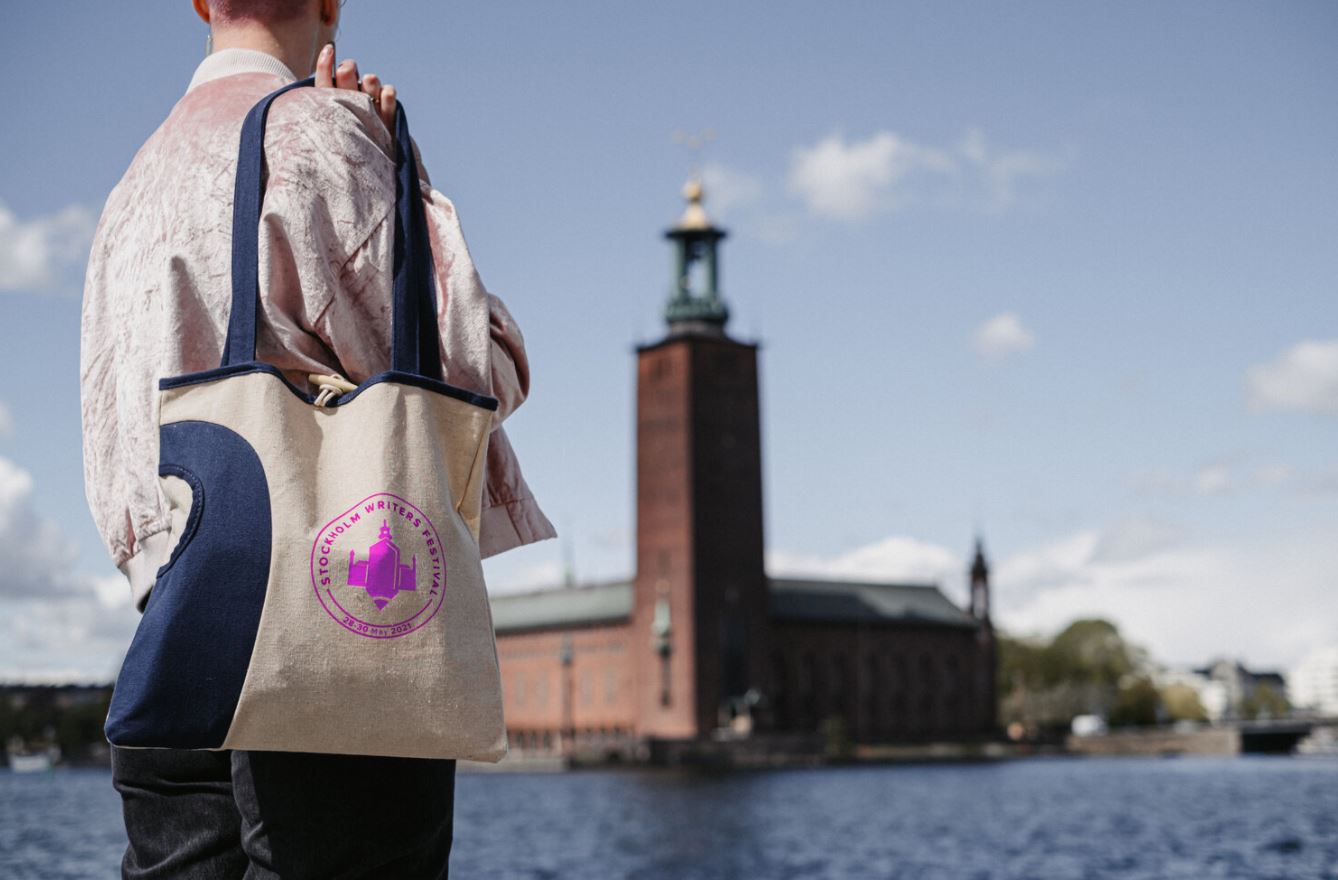
Top 12 Major Summer Festivals and Events in Sweden
With its long, dark winters, it is not surprising that the natives of Sweden would like to take advantage of the brighter, sunnier months. And with its endless coastal islands, inland lakes, vast boreal forests, and icy mountains, there is … Continue reading
The post Top 12 Major Summer Festivals and Events in Sweden appeared first on World Tour & Travel Guide, Get Travel Tips, Information, Discover Travel Destination | Adequate Travel.
Read More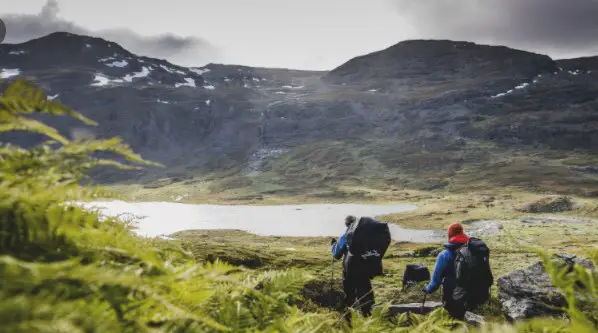
10 Best Thriller Outdoor Activities in Sweden You Musn’t Miss
Get yourself ready to face the best winter sports of Sweden because there are a lot of adrenaline-pumping winter tours coming your way! Sweden is the living wonderland that is unspoiled by the urban civilizations. Hence, there are a lot … Continue reading
The post 10 Best Thriller Outdoor Activities in Sweden You Musn’t Miss appeared first on World Tour & Travel Guide, Get Travel Tips, Information, Discover Travel Destination | Adequate Travel.
Read More
Top 12 Most Beautiful Islands in Sweden
Sweden has much more to offer different from the mainland. Though most of the area is covered with land, there is so much of an island in this country. You won’t believe that Sweden is the country with the maximum … Continue reading
The post Top 12 Most Beautiful Islands in Sweden appeared first on World Tour & Travel Guide, Get Travel Tips, Information, Discover Travel Destination | Adequate Travel.
Read More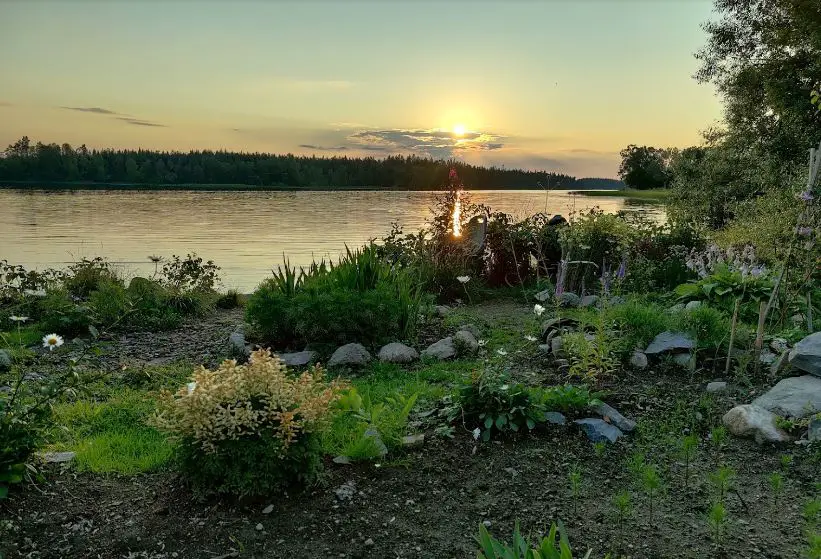
Top 10 Famous Lakes in Sweden | Beautiful Lakes in Sweden
Sweden has nearly 1 lakh beautiful lakes that show the rich biodiversity and tropical existence of the country in the world. These lakes in Sweden are not only proven to be a good source of freshwater but also recognized as … Continue reading
The post Top 10 Famous Lakes in Sweden | Beautiful Lakes in Sweden appeared first on World Tour & Travel Guide, Get Travel Tips, Information, Discover Travel Destination | Adequate Travel.
Read More
15 Best Women Travel Bags: Reviewed & Tested- Get Expert Advice
Get the list of 15 best traveling bags for women. Know the size, material, durability, and other features of the bags.
Read More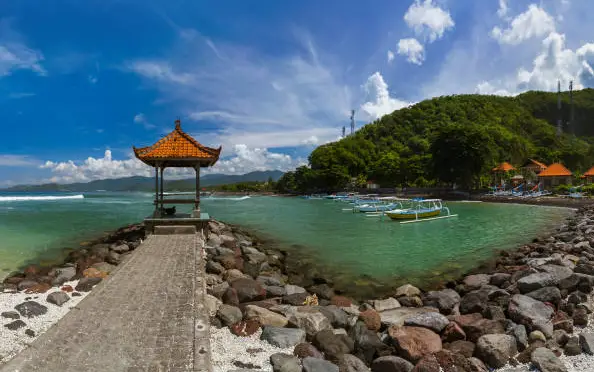
12 Best Beaches in Uluwatu | Popular Uluwatu Beaches
Discover the allure of Uluwatu Beaches. Here is the list of the 12 best beaches in Uluwatu that will let you explore the best of Uluwatu's coastal treasures.
Read More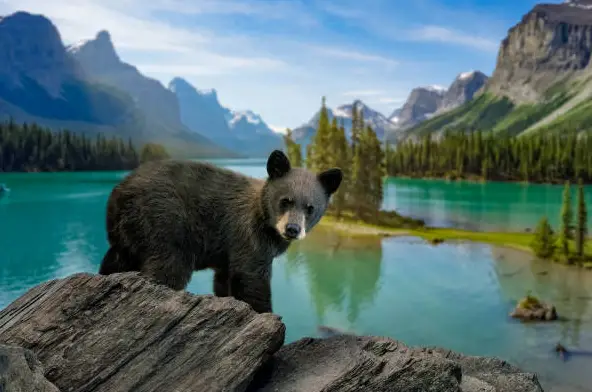
What are the best practices for responsible wildlife viewing in Canada?
Discover essential tips for responsible wildlife viewing in Canada. Respect habitats, minimize disturbances, and support conservation efforts. Start here!
Read More