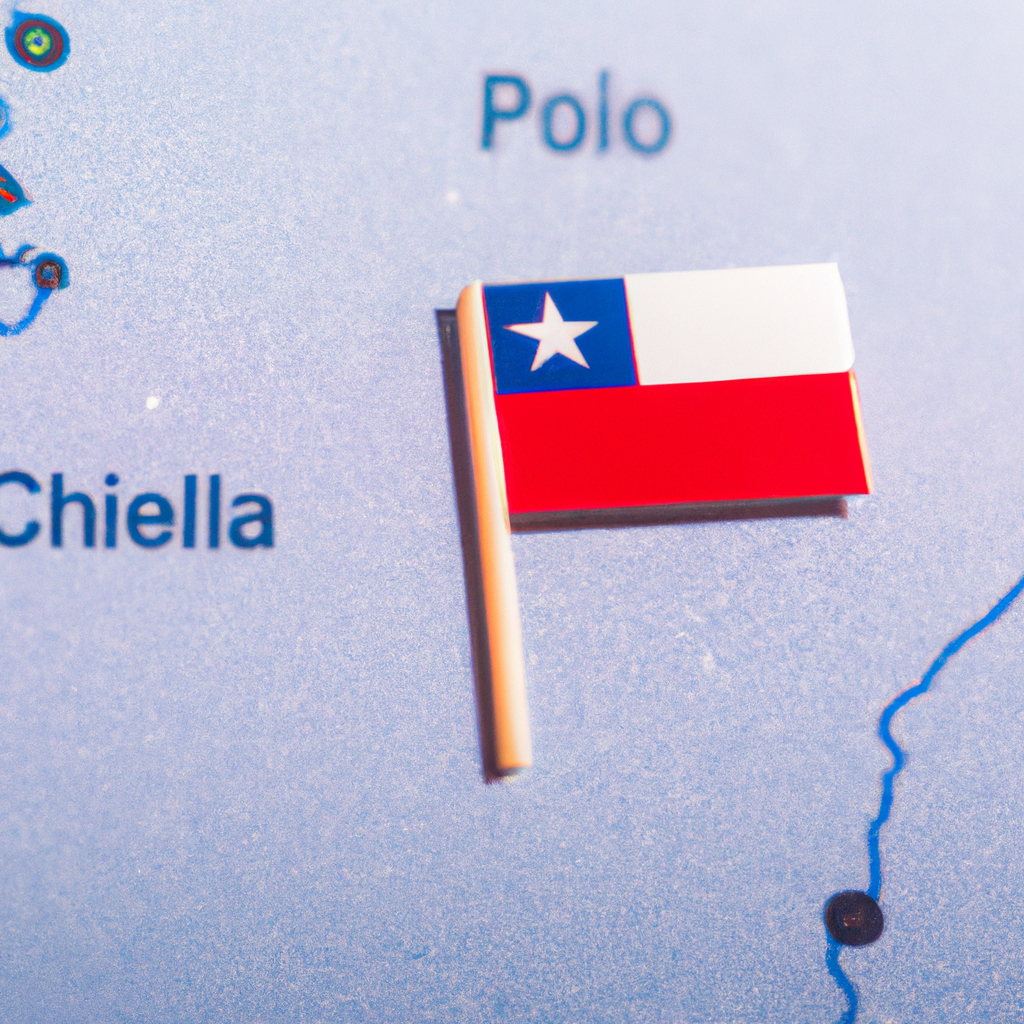
What should I do in case of a medical emergency in Chile?

Post ByAdequate Travel
Summary
If you are travelling to Chile, it is important to be prepared in the event of a medical emergency. In this blog, we will go over how to prepare for a medical emergency while traveling in Chile, as well as what to do in case of an emergency. While planning your trip, take note of any travel restrictions that may impact your itinerary, such as limited access to certain regions or attractions.What to do in case of a medical emergency in Chile:
1. Call for emergency services:
In case of a medical emergency in Chile, the first step is to call the emergency services. Dial 131 for an ambulance and provide your location and details about the emergency to the operator. Chile has a nationwide public emergency response system that operates 24/7.
2. Provide necessary information:
When contacting emergency services, be prepared to provide your name, location, nature of the emergency, and any specific details that may be helpful for the paramedics. Stay on the line until the operator confirms that help is on the way.
3. Seek assistance from locals or bystanders:
If possible, ask nearby locals or bystanders for help while waiting for the ambulance to arrive. They may be able to provide immediate assistance or guidance until professional help arrives.
4. Utilize private health insurance or assistance:
If you have private health insurance or travel assistance, contact the respective providers to inform them about the emergency. They can guide you on the best course of action and may offer additional support.
5. Stay with the person in need:
Until medical professionals arrive, stay with the person in need of help to provide comfort and support. If necessary, perform basic first aid techniques that you are trained in, such as CPR or addressing severe bleeding.
6. Do not move critically injured individuals:
If someone is severely injured and moving them could potentially worsen their condition, it is usually best to wait for medical professionals to arrive. Moving a critically injured person without proper training can increase the risk of further injury.
7. Cooperate with emergency responders:
When paramedics arrive, provide them with all requested information and cooperate fully. They are trained professionals and will assess the situation, provide necessary medical care, and determine the next steps.
8. Follow medical instructions and procedures:
Once the injured person is in the care of medical professionals, follow their instructions and procedures. They will assess the situation, provide appropriate treatment, and may transport the person to a hospital if necessary.
Remember to remain as calm as possible during a medical emergency and prioritize the well-being and safety of the person in need of assistance.Travellers can find valuable travel information for tourists, such as local customs, must-see attractions, and dining recommendations, to make the most of their trip.Suggested Questions
- Palacio Cousiño Goyenechea, Valparaíso: Horror Story, History & Paranomial Activities
- Isla de Chiloé, Chiloé: Horror Story, History & Paranomial Activities
- Hotel Lucerna, Temuco: Horror Story, History & Paranomial Activities
- Antiguo Hospital Psiquiátrico Philippe Pinel, Santiago: Horror Story, History & Paranomial Activities
- Cementerio General, La Serena: Horror Story, History & Paranomial Activities
- Iglesia de San Francisco, Santiago: Horror Story, History & Paranomial Activities
Questions chile
You may also like
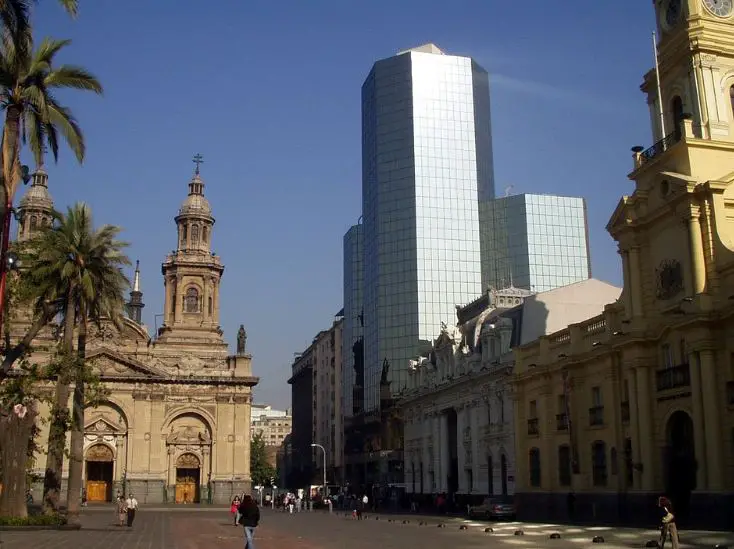
Best Cities in Chile to Visit | Major Cities in Chile
Chile a country that extends across the Pacific Ocean with startling diverse terrain, from the snow-capped Andes and colossal glaciers to a wave-licked coast and desolate desert. The top cities of Chile have reputed tourist’s value. Amid these mind-blowing geographical extremes … Continue reading
The post Best Cities in Chile to Visit | Major Cities in Chile appeared first on World Tour & Travel Guide, Get Travel Tips, Information, Discover Travel Destination | Adequate Travel.
Read More
Most Visited Monuments in Chile | Famous Monuments of Chile
Chile is a scenic, ribbon-shaped South American country situated west of Argentina and the Andes that attracts well over 5 million visitors each year. The monuments in Chile with an abundance of superb colonial historic buildings and conservation areas are … Continue reading
The post Most Visited Monuments in Chile | Famous Monuments of Chile appeared first on World Tour & Travel Guide, Get Travel Tips, Information, Discover Travel Destination | Adequate Travel.
Read More
Latest Travel Restrictions in Chile| 5 Safe Places to Visit in Chile 2021
Chile or the Republic of Chile is a natural wonder that extends along the western edge of South America amidst the crystal clear water of the Pacific Ocean. Chile is the best summer holiday destination where you can enjoy the … Continue reading
The post Latest Travel Restrictions in Chile| 5 Safe Places to Visit in Chile 2021 appeared first on World Tour & Travel Guide, Get Travel Tips, Information, Discover Travel Destination | Adequate Travel.
Read More
10 Best Outdoor Activities in Chile
Chile or the Republic of Chile is one of the adventure hubs nestled on the western edge of South America. With a crystal clear rub of the Pacific Ocean on the side & breath-taking views of The Andes and Chilean … Continue reading
The post 10 Best Outdoor Activities in Chile appeared first on World Tour & Travel Guide, Get Travel Tips, Information, Discover Travel Destination | Adequate Travel.
Read More
Top 8 Nightlife Cities in Chile 2022- Adequate Travel
Facing the vast blue pacific ocean this narrow South American country packs a lot more punch than you can expect. The palm-lined beaches of Plaza de Armas are no wonder the biggest tourist attractions of Chile. But ever wondered what … Continue reading
The post Top 8 Nightlife Cities in Chile 2022- Adequate Travel appeared first on World Tour & Travel Guide, Get Travel Tips, Information, Discover Travel Destination | Adequate Travel.
Read More
15 Best Women Travel Bags: Reviewed & Tested- Get Expert Advice
Get the list of 15 best traveling bags for women. Know the size, material, durability, and other features of the bags.
Read More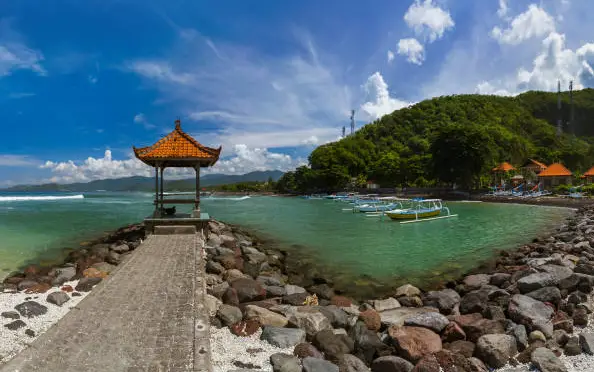
12 Best Beaches in Uluwatu | Popular Uluwatu Beaches
Discover the allure of Uluwatu Beaches. Here is the list of the 12 best beaches in Uluwatu that will let you explore the best of Uluwatu's coastal treasures.
Read More
What are the best practices for responsible wildlife viewing in Canada?
Discover essential tips for responsible wildlife viewing in Canada. Respect habitats, minimize disturbances, and support conservation efforts. Start here!
Read More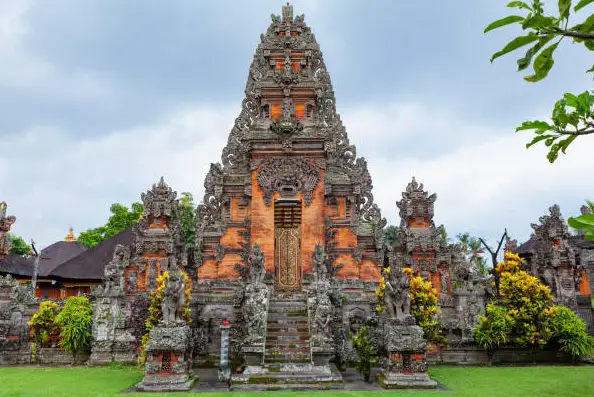
Things to do in bali.
Looking for the best things to do in Bali? Here we have curated the best things and places to visit in Bali on your vacation.
Read More
Are there any eco-friendly transportation options for traveling between provinces in Canada?
From electric vehicles and buses to cycling and passenger trains, find eco-friendly ways to journey across the country. Start your green adventure today!
Read More