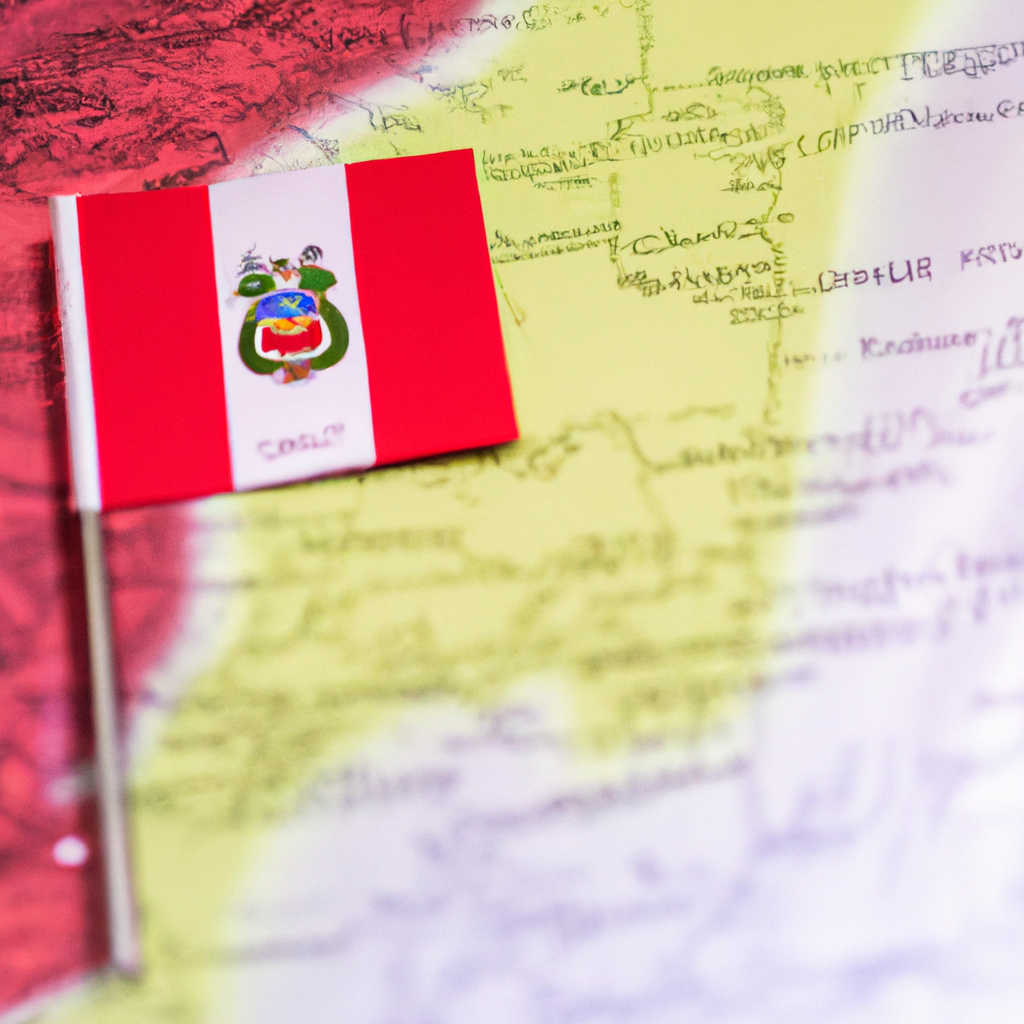
What is the protocol for tipping in restaurants and for tour guides?

Post ByAdequate Travel
Summary
Tipping has long been observed and appreciated in the customer service industry, but how much, when, and why can be confusing. From tour guides to restaurants, this blog will explain the recommended protocol for tipping. Travellers can find valuable travel information for tourists, such as local customs, must-see attractions, and dining recommendations, to make the most of their trip.Protocol for Tipping in Restaurants
1. General guideline: In most countries, tipping is considered customary and expected in restaurants. It is a way to show appreciation for good service.
2. Percentage-based tip: The most common practice is to leave a gratuity equal to a percentage of the total bill. The exact percentage may vary depending on the country or region.
Example: In the United States, it is customary to tip around 15-20% of the total bill.
3. Assessing service quality: The tip amount can also vary based on the quality of service received. If the service was exceptional, you might consider leaving a higher tip.
Example: If the waiter provided excellent recommendations, was attentive, and ensured a pleasant dining experience, you might increase the tip to 25% or more.
4. Check the bill: Sometimes, the bill may include a service charge or gratuity already added. In such cases, additional tipping may not be required.
Example: Some European countries may add a service charge to the bill, and in Japan, tipping is considered inappropriate.
5. Splitting the bill: If dining with a large group, it is common to split the bill evenly and then individually tip a percentage of the shared amount separately.
Example: If the total bill is $200 and there are four people, each person might contribute $50 and then tip separately based on their satisfaction with the service.
Protocol for Tipping Tour Guides
1. Research local customs: Tipping practices for tour guides can vary between countries and regions. It's important to research and understand the local customs before tipping.
Example: In some countries, tipping tour guides is not expected, while in others, it is customary.
2. Evaluate the quality of the tour: Consider the quality of the tour and the guide's efforts in providing an informative and enjoyable experience. Tipping is often a way to show appreciation for their hard work.
Example: If the tour guide went above and beyond, shared interesting insights, and made the tour memorable, you might consider leaving a tip.
3. Tip amount: The tip amount for tour guides is usually based on a percentage of the total tour cost or a fixed amount per person.
Example: In some cases, 10-20% of the tour cost can be considered an appropriate tip.
4. Group tours vs. private tours: Tipping practices may differ between group tours and private tours. In group tours, the tip is often shared among all participants, while in private tours, tipping the guide directly is common.
Example: In a group tour, you may contribute to a group tip organized by the tour operator, whereas in a private tour, you may give the tip directly to the guide.
5. Personal preference: Ultimately, tipping is discretionary and based on your personal satisfaction with the tour and guide. If you feel they provided an exceptional experience, it's appropriate to show your appreciation through a tip.
Before embarking on your journey to peru, make sure to check the latest travel guidelines and entry requirements to ensure a smooth tripSuggested Questions
You may also like

Best Cities in Chile to Visit | Major Cities in Chile
Chile a country that extends across the Pacific Ocean with startling diverse terrain, from the snow-capped Andes and colossal glaciers to a wave-licked coast and desolate desert. The top cities of Chile have reputed tourist’s value. Amid these mind-blowing geographical extremes … Continue reading
The post Best Cities in Chile to Visit | Major Cities in Chile appeared first on World Tour & Travel Guide, Get Travel Tips, Information, Discover Travel Destination | Adequate Travel.
Read More
Most Visited Monuments in Chile | Famous Monuments of Chile
Chile is a scenic, ribbon-shaped South American country situated west of Argentina and the Andes that attracts well over 5 million visitors each year. The monuments in Chile with an abundance of superb colonial historic buildings and conservation areas are … Continue reading
The post Most Visited Monuments in Chile | Famous Monuments of Chile appeared first on World Tour & Travel Guide, Get Travel Tips, Information, Discover Travel Destination | Adequate Travel.
Read More
Latest Travel Restrictions in Chile| 5 Safe Places to Visit in Chile 2021
Chile or the Republic of Chile is a natural wonder that extends along the western edge of South America amidst the crystal clear water of the Pacific Ocean. Chile is the best summer holiday destination where you can enjoy the … Continue reading
The post Latest Travel Restrictions in Chile| 5 Safe Places to Visit in Chile 2021 appeared first on World Tour & Travel Guide, Get Travel Tips, Information, Discover Travel Destination | Adequate Travel.
Read More
10 Best Outdoor Activities in Chile
Chile or the Republic of Chile is one of the adventure hubs nestled on the western edge of South America. With a crystal clear rub of the Pacific Ocean on the side & breath-taking views of The Andes and Chilean … Continue reading
The post 10 Best Outdoor Activities in Chile appeared first on World Tour & Travel Guide, Get Travel Tips, Information, Discover Travel Destination | Adequate Travel.
Read More
Top 8 Nightlife Cities in Chile 2022- Adequate Travel
Facing the vast blue pacific ocean this narrow South American country packs a lot more punch than you can expect. The palm-lined beaches of Plaza de Armas are no wonder the biggest tourist attractions of Chile. But ever wondered what … Continue reading
The post Top 8 Nightlife Cities in Chile 2022- Adequate Travel appeared first on World Tour & Travel Guide, Get Travel Tips, Information, Discover Travel Destination | Adequate Travel.
Read More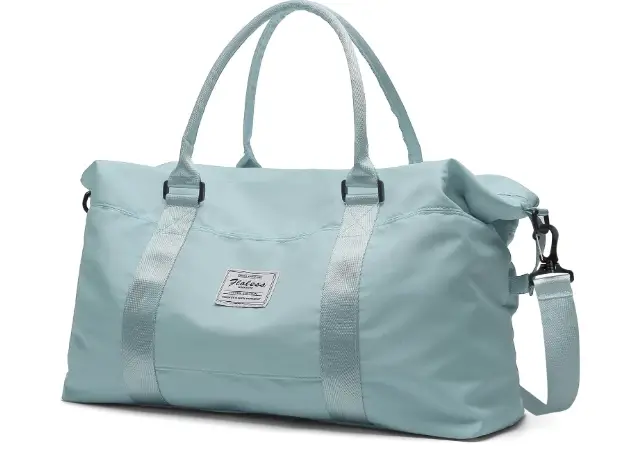
15 Best Women Travel Bags: Reviewed & Tested- Get Expert Advice
Get the list of 15 best traveling bags for women. Know the size, material, durability, and other features of the bags.
Read More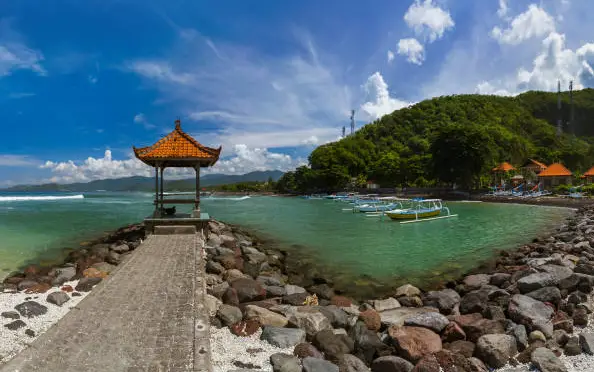
12 Best Beaches in Uluwatu | Popular Uluwatu Beaches
Discover the allure of Uluwatu Beaches. Here is the list of the 12 best beaches in Uluwatu that will let you explore the best of Uluwatu's coastal treasures.
Read More
What are the best practices for responsible wildlife viewing in Canada?
Discover essential tips for responsible wildlife viewing in Canada. Respect habitats, minimize disturbances, and support conservation efforts. Start here!
Read More
Things to do in bali.
Looking for the best things to do in Bali? Here we have curated the best things and places to visit in Bali on your vacation.
Read More
Are there any eco-friendly transportation options for traveling between provinces in Canada?
From electric vehicles and buses to cycling and passenger trains, find eco-friendly ways to journey across the country. Start your green adventure today!
Read More