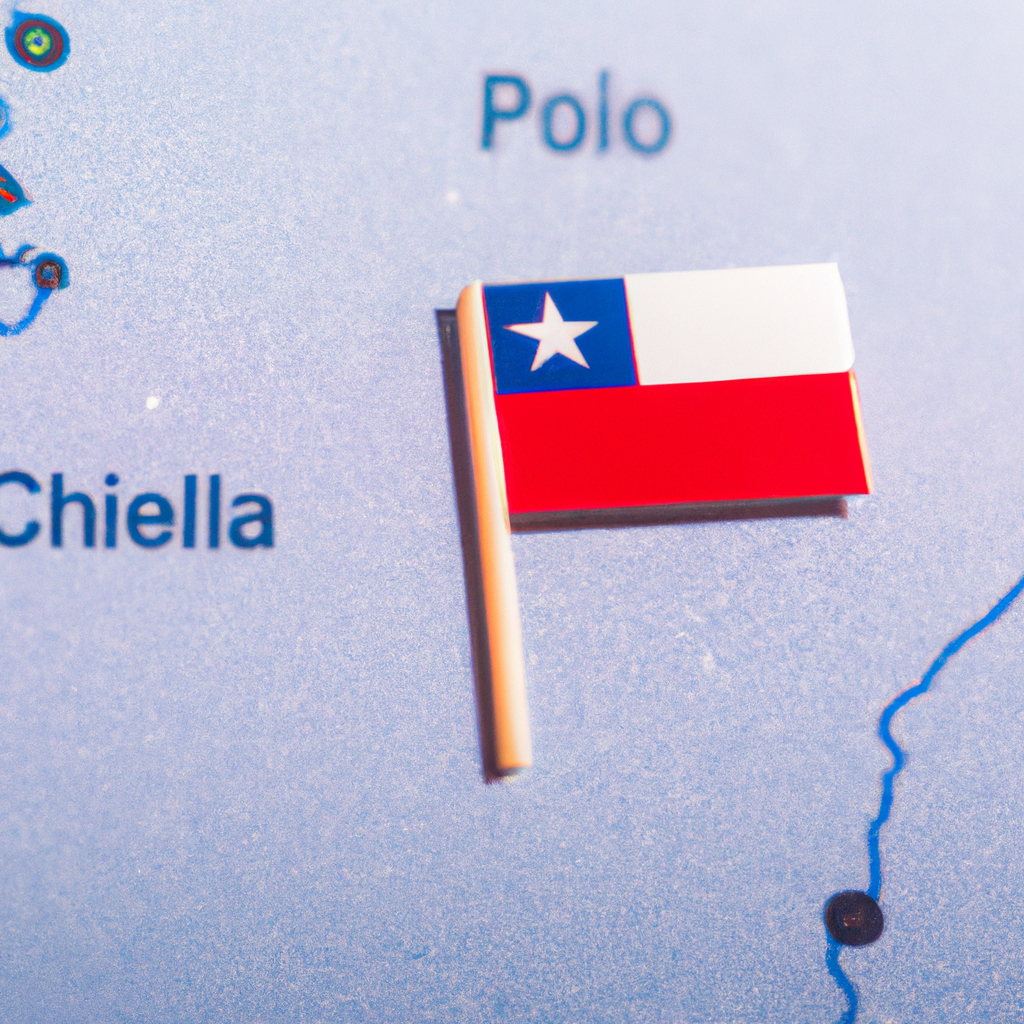
What is the history of Chilean folk music?

Post ByAdequate Travel
Summary
Chile has a long and rich music heritage, and the traditional folk music of the country is an important part of it. This blog post will explore the history of Chilean folk music, from its traditional roots to its modern reincarnations. Through the stories of today's performers and the legacies of generations past, you'll get an appreciation for the diversity and importance of Chilean folk music. Before embarking on your journey to chile, make sure to check the latest travel guidelines and entry requirements to ensure a smooth tripPre-Columbian Roots
Chilean folk music traces its origins back to the indigenous cultures that inhabited the region before the arrival of the Spanish conquistadors. These indigenous communities had their own distinctive musical traditions, which were closely intertwined with their ceremonial rituals, storytelling, and daily life. The music was predominantly performed using indigenous instruments such as quenas (flutes), charangos (small stringed instruments), and kultrunes (drums).
Colonial Influences
With the Spanish colonization in the 16th century, European musical influences started blending with the indigenous roots. The introduction of string instruments like guitars, violins, and harps brought new elements to Chilean folk music. Colonial music genres like the cueca, tonada, and refalosa emerged during this period and became popular among the masses. These songs often reflected themes of love, patriotism, and social issues.
Independence and Popularization
During the 19th century, Chilean folk music continued to evolve and gained significant popularity. The process of gaining independence from Spain played a pivotal role, as it fueled a sense of national identity and cultural pride. Folk musicians began incorporating Western classical elements into their compositions, leading to more elaborate arrangements. The guitar became a prominent instrument in this era, and it provided the foundation for many folk performances.
Nueva Canción
In the 1960s and 1970s, Chilean folk music was revitalized by the Nueva Canción movement, also known as the New Song. This movement took shape amidst political protests and social unrest during the era of Salvador Allende's presidency and the subsequent military dictatorship of Augusto Pinochet. Nueva Canción artists sought to use music as a tool for political activism, addressing themes of social inequality, oppression, and the struggle for justice.
Modern Era and Fusion
Chilean folk music continues to thrive in the modern era, with artists embracing a range of musical styles and influences. Many musicians draw inspiration from the traditional folk sounds while infusing elements of rock, jazz, and world music. This fusion has resulted in innovative and diverse subgenres such as new folk, folk-rock, and contemporary folk.
Examples
- Inti-Illimani: A renowned group that emerged during the Nueva Canción movement, known for blending traditional Chilean music with elements of jazz and classical music.
- Los Jaivas: This influential band merges Chilean folk music with progressive rock, creating a unique sound that incorporates traditional instruments alongside electric guitars and synthesizers.
- Violeta Parra: A prominent singer-songwriter and folklorist, her music captured the essence of Chilean folk traditions and played a key role in revitalizing the genre in the mid-20th century.
- Ana Tijoux: A modern artist who blends Chilean folk with hip-hop and rap, creating a fusion of traditional and contemporary sounds.
Suggested Questions
- Casa Serrano, Santiago: Horror Story, History & Paranomial Activities
- Museo de Arte Contemporáneo, Santiago: Horror Story, History & Paranomial Activities
- Palacio Astoreca, Valparaíso: Horror Story, History & Paranomial Activities
- Cementerio General, Talca: Horror Story, History & Paranomial Activities
- Cementerio General, Santiago: Horror Story, History & Paranomial Activities
- Cementerio General, Talcahuano: Horror Story, History & Paranomial Activities
Questions chile
You may also like
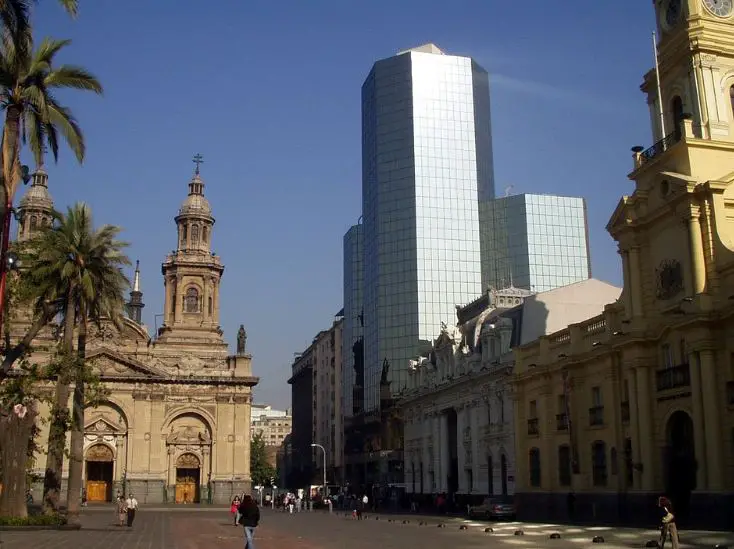
Best Cities in Chile to Visit | Major Cities in Chile
Chile a country that extends across the Pacific Ocean with startling diverse terrain, from the snow-capped Andes and colossal glaciers to a wave-licked coast and desolate desert. The top cities of Chile have reputed tourist’s value. Amid these mind-blowing geographical extremes … Continue reading
The post Best Cities in Chile to Visit | Major Cities in Chile appeared first on World Tour & Travel Guide, Get Travel Tips, Information, Discover Travel Destination | Adequate Travel.
Read More
Most Visited Monuments in Chile | Famous Monuments of Chile
Chile is a scenic, ribbon-shaped South American country situated west of Argentina and the Andes that attracts well over 5 million visitors each year. The monuments in Chile with an abundance of superb colonial historic buildings and conservation areas are … Continue reading
The post Most Visited Monuments in Chile | Famous Monuments of Chile appeared first on World Tour & Travel Guide, Get Travel Tips, Information, Discover Travel Destination | Adequate Travel.
Read More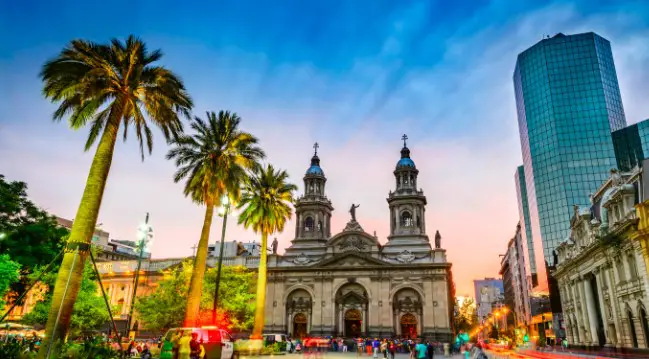
Latest Travel Restrictions in Chile| 5 Safe Places to Visit in Chile 2021
Chile or the Republic of Chile is a natural wonder that extends along the western edge of South America amidst the crystal clear water of the Pacific Ocean. Chile is the best summer holiday destination where you can enjoy the … Continue reading
The post Latest Travel Restrictions in Chile| 5 Safe Places to Visit in Chile 2021 appeared first on World Tour & Travel Guide, Get Travel Tips, Information, Discover Travel Destination | Adequate Travel.
Read More
10 Best Outdoor Activities in Chile
Chile or the Republic of Chile is one of the adventure hubs nestled on the western edge of South America. With a crystal clear rub of the Pacific Ocean on the side & breath-taking views of The Andes and Chilean … Continue reading
The post 10 Best Outdoor Activities in Chile appeared first on World Tour & Travel Guide, Get Travel Tips, Information, Discover Travel Destination | Adequate Travel.
Read More
Top 8 Nightlife Cities in Chile 2022- Adequate Travel
Facing the vast blue pacific ocean this narrow South American country packs a lot more punch than you can expect. The palm-lined beaches of Plaza de Armas are no wonder the biggest tourist attractions of Chile. But ever wondered what … Continue reading
The post Top 8 Nightlife Cities in Chile 2022- Adequate Travel appeared first on World Tour & Travel Guide, Get Travel Tips, Information, Discover Travel Destination | Adequate Travel.
Read More
15 Best Women Travel Bags: Reviewed & Tested- Get Expert Advice
Get the list of 15 best traveling bags for women. Know the size, material, durability, and other features of the bags.
Read More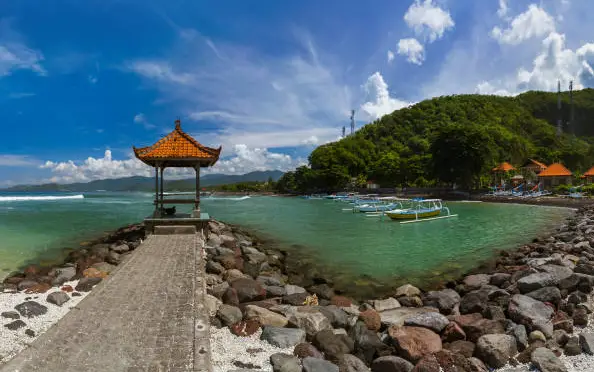
12 Best Beaches in Uluwatu | Popular Uluwatu Beaches
Discover the allure of Uluwatu Beaches. Here is the list of the 12 best beaches in Uluwatu that will let you explore the best of Uluwatu's coastal treasures.
Read More
What are the best practices for responsible wildlife viewing in Canada?
Discover essential tips for responsible wildlife viewing in Canada. Respect habitats, minimize disturbances, and support conservation efforts. Start here!
Read More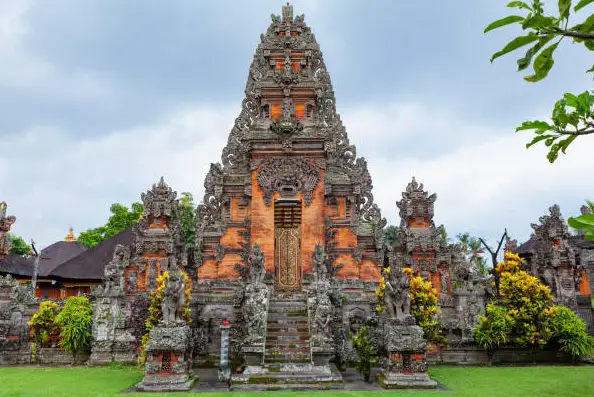
Things to do in bali.
Looking for the best things to do in Bali? Here we have curated the best things and places to visit in Bali on your vacation.
Read More
Are there any eco-friendly transportation options for traveling between provinces in Canada?
From electric vehicles and buses to cycling and passenger trains, find eco-friendly ways to journey across the country. Start your green adventure today!
Read More