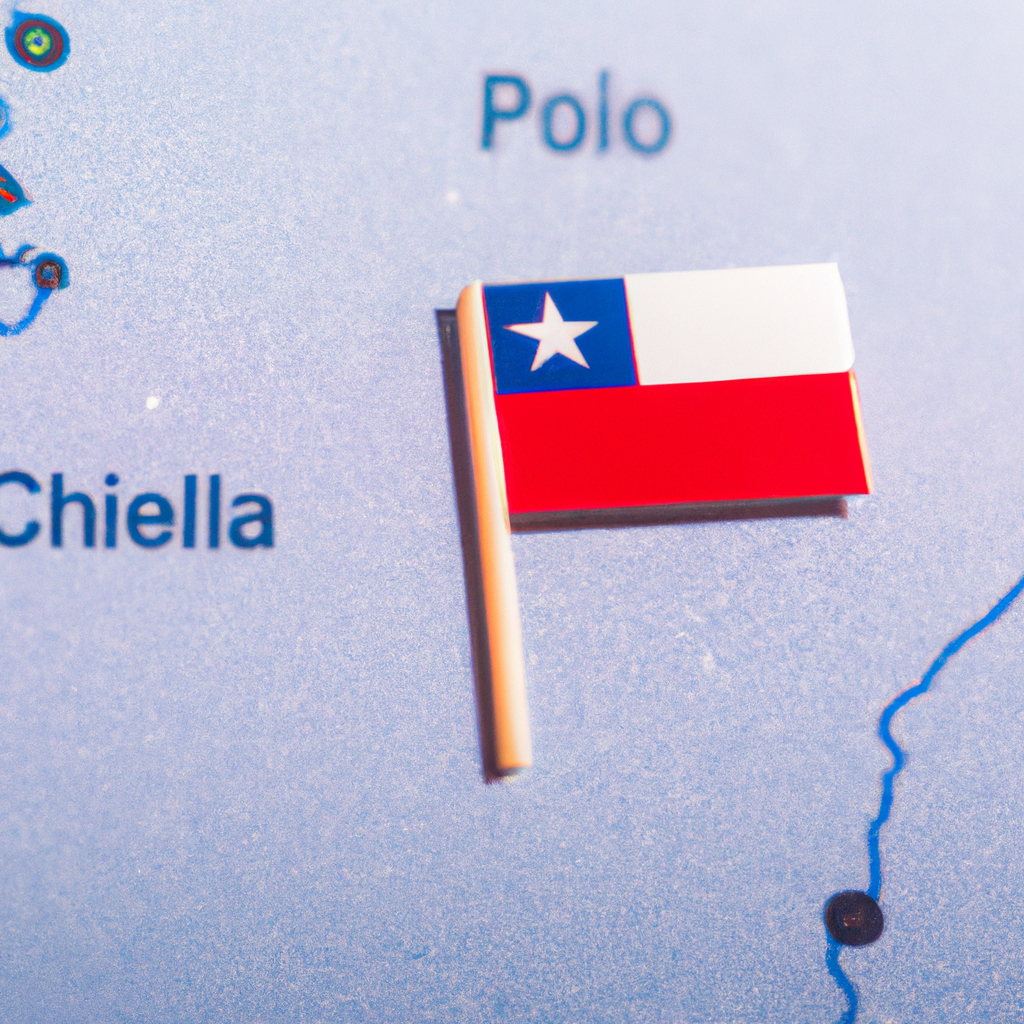
What is the history of Chilean cinema?

Post ByAdequate Travel
Summary
Chilean cinema has flourished in recent years, from the iconic films of Pablo Larruin to the new wave of Latin American filmmakers. But the history of Chilean cinema stretches much further back, right up to its origins in the early twentieth century. In this blog, we explore the history of Chilean cinema, and trace its development through the different eras of Chilean history. As you prepare for your journey, familiarize yourself with the specific entry requirements, including any necessary visas or documentation.1. The Early Years: 1900-1940
Chilean cinema began in the early 20th century, heavily influenced by European and American films. The first recorded Chilean film, "Manuel Rodríguez" directed by Adolfo Urzúa in 1909, was a historical drama. However, due to limited resources and technical capabilities, filmmaking in Chile during this period was relatively slow.
2. The Golden Age: 1940-1950
In the 1940s, Chilean cinema experienced a significant boost with the emergence of several talented directors. The "Golden Age" introduced influential filmmakers like Roberto Matta and Jorge Jottar, whose works showcased distinct visual styles and experimental narratives. One notable film from this period is "Huapi," directed by Jorge Di Lauro in 1945, which depicts the mystical aspects of southern Chile.
3. The Post-revolutionary Era: 1950s-1960s
During the 1950s and 1960s, Chilean cinema underwent a transformative period marked by political and social changes. Filmmakers started addressing societal issues and portraying the reality of the working class. An emblematic film of this era is "Valparaíso, Mi Amor" (Valparaíso, My Love) by Aldo Francia in 1969, which showcases the city's working-class struggles.
4. New Wave and Dictatorship: 1970s-1980s
The 1970s brought the New Wave movement in Chilean cinema, characterized by bold experimentation and unconventional storytelling. However, the rise of General Augusto Pinochet's dictatorship from 1973 onwards severely impacted the creative freedom of filmmakers. Despite the constraints, filmmakers like Miguel Littín managed to create powerful political films such as "The Promised Land" (La Tierra Prometida) in 1973.
5. Return of Democracy: 1990s-2000s
With the return of democracy in Chile in the 1990s, the country's cinema experienced a resurgence. Filmmakers tackled social issues, historical events, and personal narratives. Notable films from this era include "Taxi Para Tres" (Taxi for Three) directed by Orlando Lübbert in 2001, a dark comedy highlighting the socioeconomic struggle of the lower class.
6. Contemporary Chilean Cinema: 2010s-present
In recent years, Chilean cinema has gained international recognition, both critically and commercially. Directors like Sebastián Lelio and Raúl Ruiz have made remarkable contributions. Lelio's film "A Fantastic Woman" (Una Mujer Fantástica) won the Academy Award for Best Foreign Language Film in 2018. Ruiz's film "Mysteries of Lisbon" (Mistérios de Lisboa) received international acclaim for its epic storytelling.
It's essential to stay updated with international travel information, especially when planning a foreign trip, to navigate any changes in travel advisory or travel warnings.Suggested Questions
- Cementerio N°2, Valparaíso: Horror Story, History & Paranomial Activities
- Ex Penitenciaría de Santiago, Santiago: Horror Story, History & Paranomial Activities
- Casa Cousiño, Santiago: Horror Story, History & Paranomial Activities
- Iglesia de San Pedro de Atacama, San Pedro de Atacama: Horror Story, History & Paranomial Activities
- Cementerio General, Arica: Horror Story, History & Paranomial Activities
- Cementerio de Playa Ancha, Valparaíso: Horror Story, History & Paranomial Activities
Questions chile
You may also like
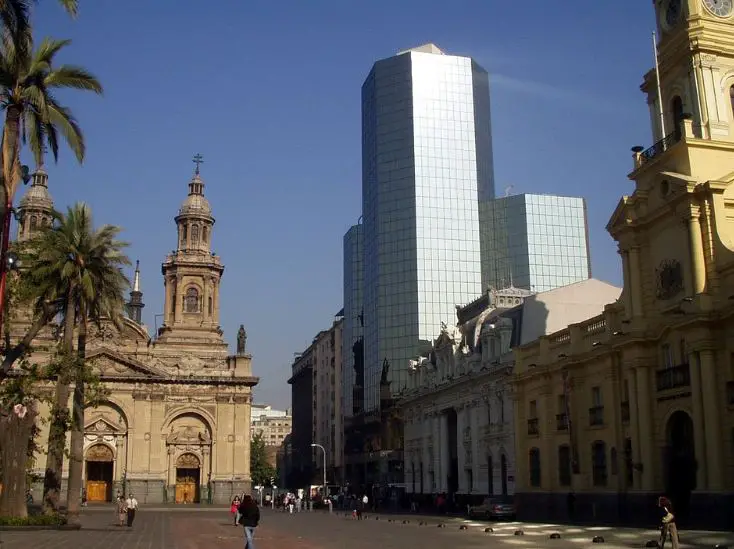
Best Cities in Chile to Visit | Major Cities in Chile
Chile a country that extends across the Pacific Ocean with startling diverse terrain, from the snow-capped Andes and colossal glaciers to a wave-licked coast and desolate desert. The top cities of Chile have reputed tourist’s value. Amid these mind-blowing geographical extremes … Continue reading
The post Best Cities in Chile to Visit | Major Cities in Chile appeared first on World Tour & Travel Guide, Get Travel Tips, Information, Discover Travel Destination | Adequate Travel.
Read More
Most Visited Monuments in Chile | Famous Monuments of Chile
Chile is a scenic, ribbon-shaped South American country situated west of Argentina and the Andes that attracts well over 5 million visitors each year. The monuments in Chile with an abundance of superb colonial historic buildings and conservation areas are … Continue reading
The post Most Visited Monuments in Chile | Famous Monuments of Chile appeared first on World Tour & Travel Guide, Get Travel Tips, Information, Discover Travel Destination | Adequate Travel.
Read More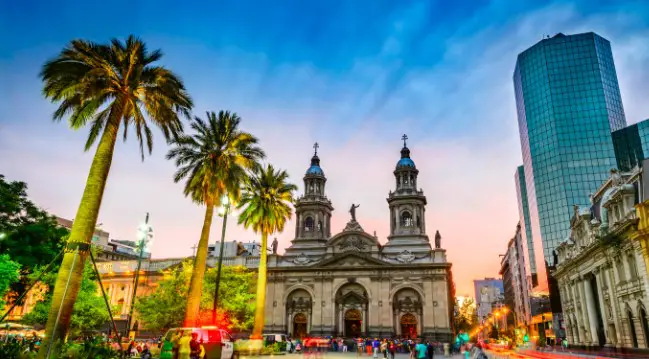
Latest Travel Restrictions in Chile| 5 Safe Places to Visit in Chile 2021
Chile or the Republic of Chile is a natural wonder that extends along the western edge of South America amidst the crystal clear water of the Pacific Ocean. Chile is the best summer holiday destination where you can enjoy the … Continue reading
The post Latest Travel Restrictions in Chile| 5 Safe Places to Visit in Chile 2021 appeared first on World Tour & Travel Guide, Get Travel Tips, Information, Discover Travel Destination | Adequate Travel.
Read More
10 Best Outdoor Activities in Chile
Chile or the Republic of Chile is one of the adventure hubs nestled on the western edge of South America. With a crystal clear rub of the Pacific Ocean on the side & breath-taking views of The Andes and Chilean … Continue reading
The post 10 Best Outdoor Activities in Chile appeared first on World Tour & Travel Guide, Get Travel Tips, Information, Discover Travel Destination | Adequate Travel.
Read More
Top 8 Nightlife Cities in Chile 2022- Adequate Travel
Facing the vast blue pacific ocean this narrow South American country packs a lot more punch than you can expect. The palm-lined beaches of Plaza de Armas are no wonder the biggest tourist attractions of Chile. But ever wondered what … Continue reading
The post Top 8 Nightlife Cities in Chile 2022- Adequate Travel appeared first on World Tour & Travel Guide, Get Travel Tips, Information, Discover Travel Destination | Adequate Travel.
Read More
15 Best Women Travel Bags: Reviewed & Tested- Get Expert Advice
Get the list of 15 best traveling bags for women. Know the size, material, durability, and other features of the bags.
Read More
12 Best Beaches in Uluwatu | Popular Uluwatu Beaches
Discover the allure of Uluwatu Beaches. Here is the list of the 12 best beaches in Uluwatu that will let you explore the best of Uluwatu's coastal treasures.
Read More
What are the best practices for responsible wildlife viewing in Canada?
Discover essential tips for responsible wildlife viewing in Canada. Respect habitats, minimize disturbances, and support conservation efforts. Start here!
Read More
Things to do in bali.
Looking for the best things to do in Bali? Here we have curated the best things and places to visit in Bali on your vacation.
Read More
Are there any eco-friendly transportation options for traveling between provinces in Canada?
From electric vehicles and buses to cycling and passenger trains, find eco-friendly ways to journey across the country. Start your green adventure today!
Read More