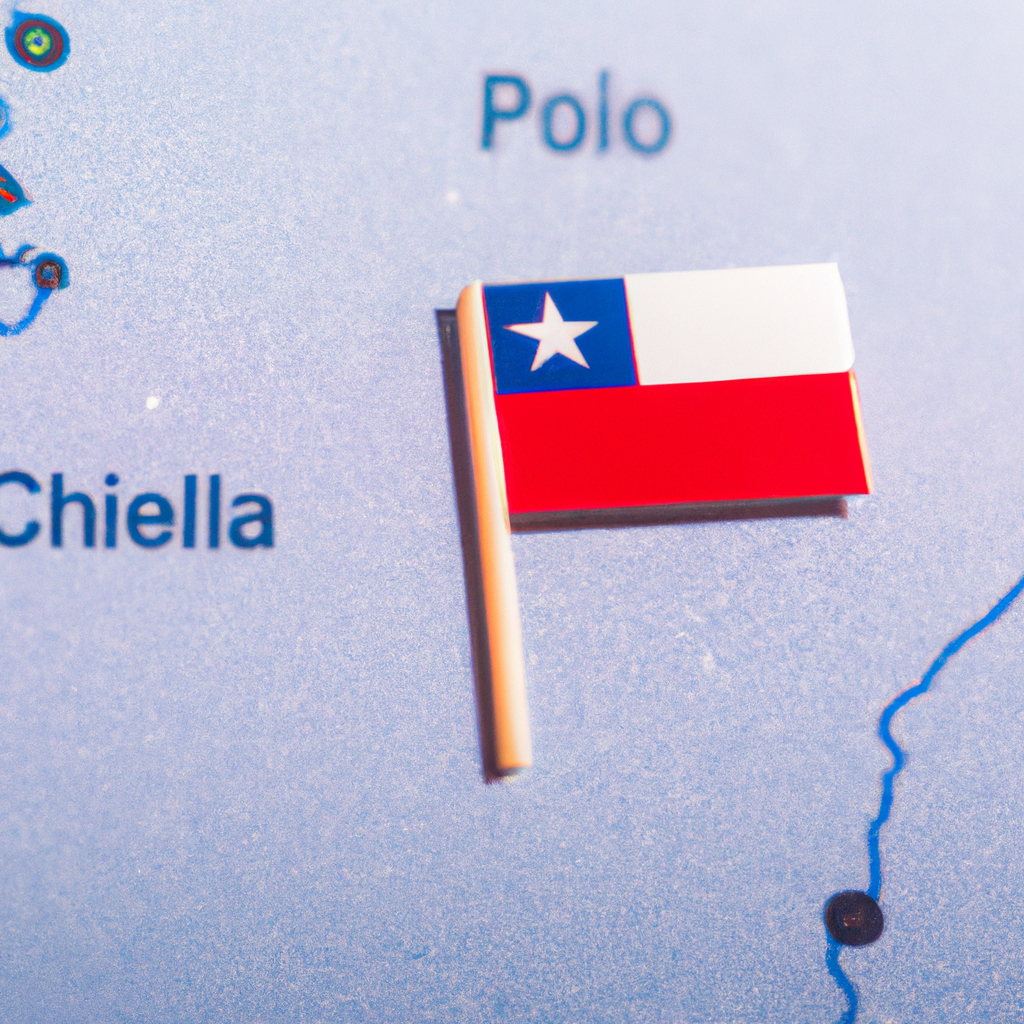
What is Chile doing to protect its natural environment?

Post ByAdequate Travel
Summary
As Chile continues to work toward improving its natural environment, the government has put forth a number of initiatives to help protect and conserve the country's natural resources. In this blog, we'll look at what Chile is doing to protect its natural environment, including efforts to protect endangered species, reduce plastic waste and pollution, and promote sustainable development. While planning your trip, take note of any travel restrictions that may impact your itinerary, such as limited access to certain regions or attractions.Steps taken by Chile to protect its natural environment:
1. Creating protected areas: Chile has made significant efforts to establish protected areas, such as national parks, nature reserves, and marine parks. These areas help conserve the country's diverse ecosystems and species. For instance, the Torres del Paine National Park protects unique landscapes, glaciers, and a variety of wildlife.
2. Environmental legislation: Chile has implemented various environmental regulations and laws to safeguard its natural resources. For example, the Environmental Impact Assessment System requires projects that may have environmental consequences to undergo an assessment process for potential impacts and mitigation measures.
3. Sustainable management practices: The government promotes sustainable practices in sectors like forestry, fishing, and agriculture. It encourages responsible resource extraction and the adoption of eco-friendly techniques to minimize ecological damage. The certification of sustainable fishing practices, like the Chilean hake fishery, is an example of such management.
4. Conservation of marine resources: Chilean waters host rich marine biodiversity. The country has established marine protected areas and implemented regulations like catch limits, restricted fishing zones, and bans on certain practices harmful to marine ecosystems. The Nazca-Desventuradas Marine Park is one such protected area.
5. Renewable energy initiatives: Chile aims to shift towards clean and renewable energy sources. It has an ambitious target to reach 70% renewable energy generation by 2030. The country has vast wind, solar, and geothermal resources, which it taps into for sustainable energy production.
6. Promoting eco-tourism: Chile recognizes the economic and environmental benefits of eco-tourism. It encourages tourists to explore natural attractions responsibly, minimizing negative impacts on fragile ecosystems. National parks like Rapa Nui and Torres del Paine offer sustainable tourism experiences.
7. International cooperation and agreements: Chile actively participates in international agreements related to environmental conservation and climate change. It collaborates with other nations and organizations to develop strategies, exchange knowledge, and work towards global environmental goals.
As you prepare for your journey, familiarize yourself with the specific entry requirements, including any necessary visas or documentation.Suggested Questions
- Pueblito de los Dominicos, Santiago: Horror Story, History & Paranomial Activities
- Palacio de la Moneda, Santiago: Horror Story, History & Paranomial Activities
- Hotel del Desierto, Antofagasta: Horror Story, History & Paranomial Activities
- Ritoque, Quintero: Horror Story, History & Paranomial Activities
- Iglesia de San Francisco, Santiago: Horror Story, History & Paranomial Activities
- Ex Penitenciaría de Santiago, Santiago: Horror Story, History & Paranomial Activities
Questions chile
You may also like
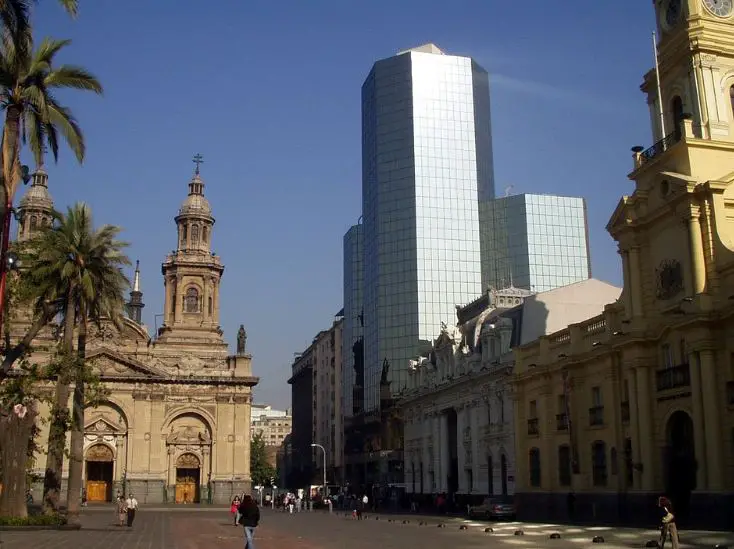
Best Cities in Chile to Visit | Major Cities in Chile
Chile a country that extends across the Pacific Ocean with startling diverse terrain, from the snow-capped Andes and colossal glaciers to a wave-licked coast and desolate desert. The top cities of Chile have reputed tourist’s value. Amid these mind-blowing geographical extremes … Continue reading
The post Best Cities in Chile to Visit | Major Cities in Chile appeared first on World Tour & Travel Guide, Get Travel Tips, Information, Discover Travel Destination | Adequate Travel.
Read More
Most Visited Monuments in Chile | Famous Monuments of Chile
Chile is a scenic, ribbon-shaped South American country situated west of Argentina and the Andes that attracts well over 5 million visitors each year. The monuments in Chile with an abundance of superb colonial historic buildings and conservation areas are … Continue reading
The post Most Visited Monuments in Chile | Famous Monuments of Chile appeared first on World Tour & Travel Guide, Get Travel Tips, Information, Discover Travel Destination | Adequate Travel.
Read More
Latest Travel Restrictions in Chile| 5 Safe Places to Visit in Chile 2021
Chile or the Republic of Chile is a natural wonder that extends along the western edge of South America amidst the crystal clear water of the Pacific Ocean. Chile is the best summer holiday destination where you can enjoy the … Continue reading
The post Latest Travel Restrictions in Chile| 5 Safe Places to Visit in Chile 2021 appeared first on World Tour & Travel Guide, Get Travel Tips, Information, Discover Travel Destination | Adequate Travel.
Read More
10 Best Outdoor Activities in Chile
Chile or the Republic of Chile is one of the adventure hubs nestled on the western edge of South America. With a crystal clear rub of the Pacific Ocean on the side & breath-taking views of The Andes and Chilean … Continue reading
The post 10 Best Outdoor Activities in Chile appeared first on World Tour & Travel Guide, Get Travel Tips, Information, Discover Travel Destination | Adequate Travel.
Read More
Top 8 Nightlife Cities in Chile 2022- Adequate Travel
Facing the vast blue pacific ocean this narrow South American country packs a lot more punch than you can expect. The palm-lined beaches of Plaza de Armas are no wonder the biggest tourist attractions of Chile. But ever wondered what … Continue reading
The post Top 8 Nightlife Cities in Chile 2022- Adequate Travel appeared first on World Tour & Travel Guide, Get Travel Tips, Information, Discover Travel Destination | Adequate Travel.
Read More
15 Best Women Travel Bags: Reviewed & Tested- Get Expert Advice
Get the list of 15 best traveling bags for women. Know the size, material, durability, and other features of the bags.
Read More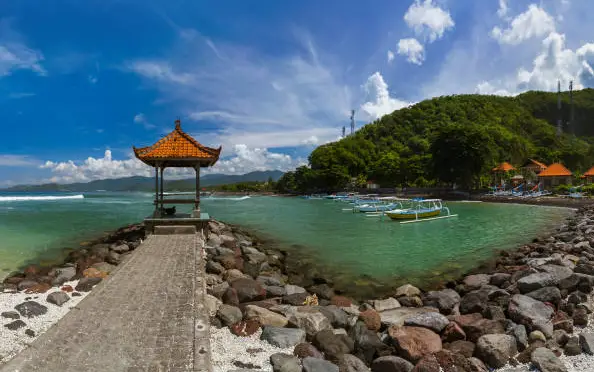
12 Best Beaches in Uluwatu | Popular Uluwatu Beaches
Discover the allure of Uluwatu Beaches. Here is the list of the 12 best beaches in Uluwatu that will let you explore the best of Uluwatu's coastal treasures.
Read More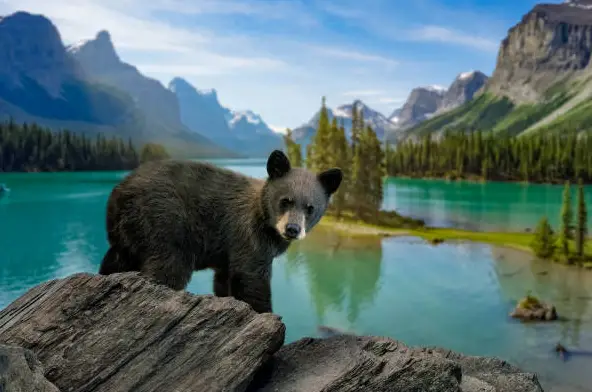
What are the best practices for responsible wildlife viewing in Canada?
Discover essential tips for responsible wildlife viewing in Canada. Respect habitats, minimize disturbances, and support conservation efforts. Start here!
Read More
Things to do in bali.
Looking for the best things to do in Bali? Here we have curated the best things and places to visit in Bali on your vacation.
Read More
Are there any eco-friendly transportation options for traveling between provinces in Canada?
From electric vehicles and buses to cycling and passenger trains, find eco-friendly ways to journey across the country. Start your green adventure today!
Read More