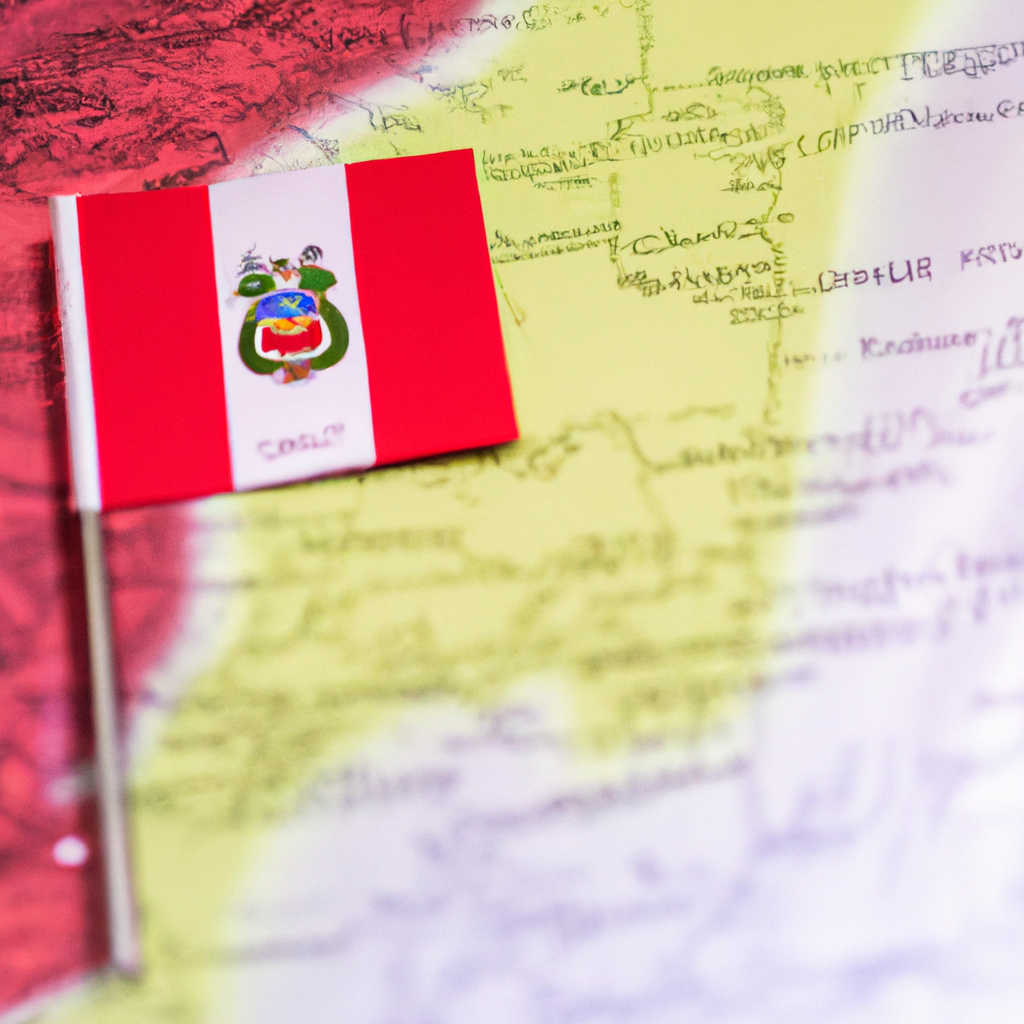
What are the top wildlife conservation efforts in Peru?

Post ByAdequate Travel
Summary
Peru is a beautiful, biodiverse country renowned for its majestic wildlife. With initiatives such as the Giant Otter Project, Manu National Park, and the Yellow-Tailed Woolly Monkey Project, Peru is a leader in conservation efforts to protect its wildlife and ensure their survival for future generations. In this blog post, we'll discuss the top wildlife conservation efforts in Peru and how they support Peru's unique biodiversity. Travellers can find valuable travel information for tourists, such as local customs, must-see attractions, and dining recommendations, to make the most of their trip.Top Wildlife Conservation Efforts in Peru
Peru is renowned for its rich biodiversity and unique ecosystems, making wildlife conservation a crucial undertaking. Here are some of the top efforts in place to protect and preserve Peru's wildlife:
1. Creation of National Parks and Protected Areas
Peru has established numerous national parks and protected areas to safeguard its diverse flora and fauna. For example, the Tambopata National Reserve in the Amazon rainforest protects endangered species such as jaguars, giant river otters, and harpy eagles. This reserve also promotes sustainable tourism, which contributes to the local economy while minimizing negative impacts on the environment.
2. Conservation Projects for Endangered Species
Several conservation projects in Peru focus on protecting endangered species and their habitats. The Andean Bear Conservation Project works towards preserving the Andean bear population in the Cordillera Blanca region. This project tackles issues such as habitat loss and human-wildlife conflict, using scientific research, community engagement, and education to promote coexistence and conservation.
3. Wildlife Rehabilitation Centers
Wildlife rehabilitation centers play a vital role in rescuing, rehabilitating, and releasing injured or trafficked animals. One prominent example is the Amazon Animal Orphanage and Pilpintuwasi Butterfly Farm in Iquitos. This center rescues and rehabilitates various species, including monkeys, ocelots, and anacondas, and educates visitors about the importance of wildlife conservation.
4. Community-Based Conservation Initiatives
Involving local communities in conservation efforts helps ensure sustainability and fosters a sense of ownership. The Manu Biosphere Reserve in southeastern Peru integrates indigenous communities, promoting resource management and traditional practices alongside biodiversity protection. This collaborative approach enhances cultural preservation while safeguarding the region's unique ecosystems.
5. Combatting Illegal Wildlife Trade
Peru is actively working to combat illegal wildlife trade, which poses a significant threat to various species. The Peruvian National Forest and Wildlife Service (SERFOR) collaborates with law enforcement agencies to intercept and prosecute wildlife traffickers. Additionally, public awareness campaigns raise consciousness about the consequences of buying and trading endangered wildlife products.
6. Research and Monitoring
Investing in scientific research and monitoring programs helps gather crucial data on wildlife populations, their behavior, and the impacts of conservation efforts. The Peruvian Amazon Research Institute (IIAP) conducts research on various species, such as pink river dolphins and giant river turtles, to inform conservation strategies and policies.
Overall, these top wildlife conservation efforts in Peru demonstrate the country's commitment to preserving its exceptional natural heritage and promoting sustainable practices for the benefit of both wildlife and local communities.It's essential to stay updated with international travel information, especially when planning a foreign trip, to navigate any changes in travel advisory or travel warnings.Suggested Questions
You may also like
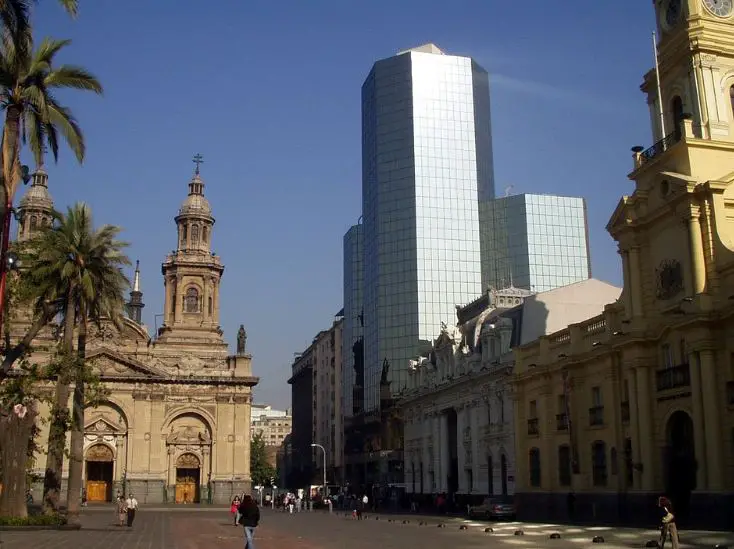
Best Cities in Chile to Visit | Major Cities in Chile
Chile a country that extends across the Pacific Ocean with startling diverse terrain, from the snow-capped Andes and colossal glaciers to a wave-licked coast and desolate desert. The top cities of Chile have reputed tourist’s value. Amid these mind-blowing geographical extremes … Continue reading
The post Best Cities in Chile to Visit | Major Cities in Chile appeared first on World Tour & Travel Guide, Get Travel Tips, Information, Discover Travel Destination | Adequate Travel.
Read More
Most Visited Monuments in Chile | Famous Monuments of Chile
Chile is a scenic, ribbon-shaped South American country situated west of Argentina and the Andes that attracts well over 5 million visitors each year. The monuments in Chile with an abundance of superb colonial historic buildings and conservation areas are … Continue reading
The post Most Visited Monuments in Chile | Famous Monuments of Chile appeared first on World Tour & Travel Guide, Get Travel Tips, Information, Discover Travel Destination | Adequate Travel.
Read More
Latest Travel Restrictions in Chile| 5 Safe Places to Visit in Chile 2021
Chile or the Republic of Chile is a natural wonder that extends along the western edge of South America amidst the crystal clear water of the Pacific Ocean. Chile is the best summer holiday destination where you can enjoy the … Continue reading
The post Latest Travel Restrictions in Chile| 5 Safe Places to Visit in Chile 2021 appeared first on World Tour & Travel Guide, Get Travel Tips, Information, Discover Travel Destination | Adequate Travel.
Read More
10 Best Outdoor Activities in Chile
Chile or the Republic of Chile is one of the adventure hubs nestled on the western edge of South America. With a crystal clear rub of the Pacific Ocean on the side & breath-taking views of The Andes and Chilean … Continue reading
The post 10 Best Outdoor Activities in Chile appeared first on World Tour & Travel Guide, Get Travel Tips, Information, Discover Travel Destination | Adequate Travel.
Read More
Top 8 Nightlife Cities in Chile 2022- Adequate Travel
Facing the vast blue pacific ocean this narrow South American country packs a lot more punch than you can expect. The palm-lined beaches of Plaza de Armas are no wonder the biggest tourist attractions of Chile. But ever wondered what … Continue reading
The post Top 8 Nightlife Cities in Chile 2022- Adequate Travel appeared first on World Tour & Travel Guide, Get Travel Tips, Information, Discover Travel Destination | Adequate Travel.
Read More
15 Best Women Travel Bags: Reviewed & Tested- Get Expert Advice
Get the list of 15 best traveling bags for women. Know the size, material, durability, and other features of the bags.
Read More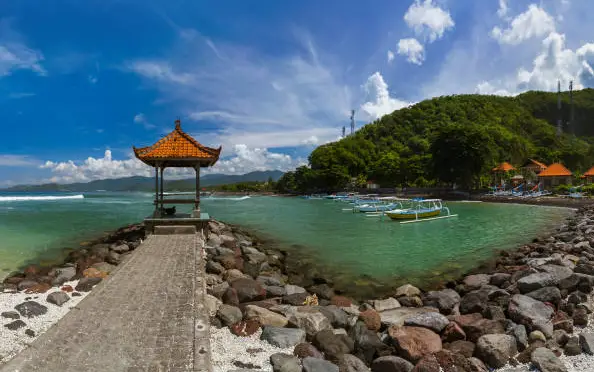
12 Best Beaches in Uluwatu | Popular Uluwatu Beaches
Discover the allure of Uluwatu Beaches. Here is the list of the 12 best beaches in Uluwatu that will let you explore the best of Uluwatu's coastal treasures.
Read More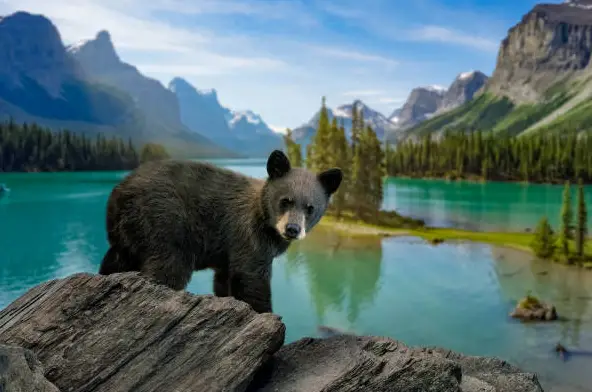
What are the best practices for responsible wildlife viewing in Canada?
Discover essential tips for responsible wildlife viewing in Canada. Respect habitats, minimize disturbances, and support conservation efforts. Start here!
Read More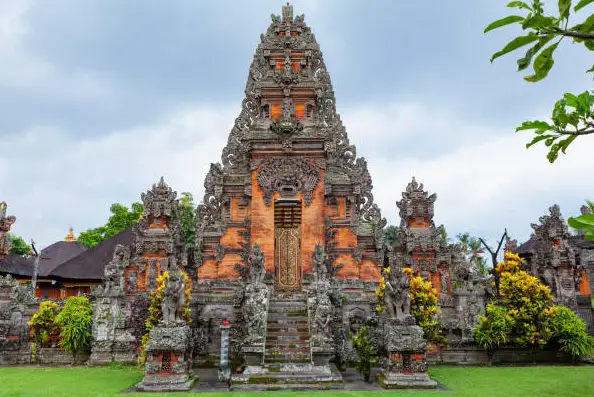
Things to do in bali.
Looking for the best things to do in Bali? Here we have curated the best things and places to visit in Bali on your vacation.
Read More
Are there any eco-friendly transportation options for traveling between provinces in Canada?
From electric vehicles and buses to cycling and passenger trains, find eco-friendly ways to journey across the country. Start your green adventure today!
Read More