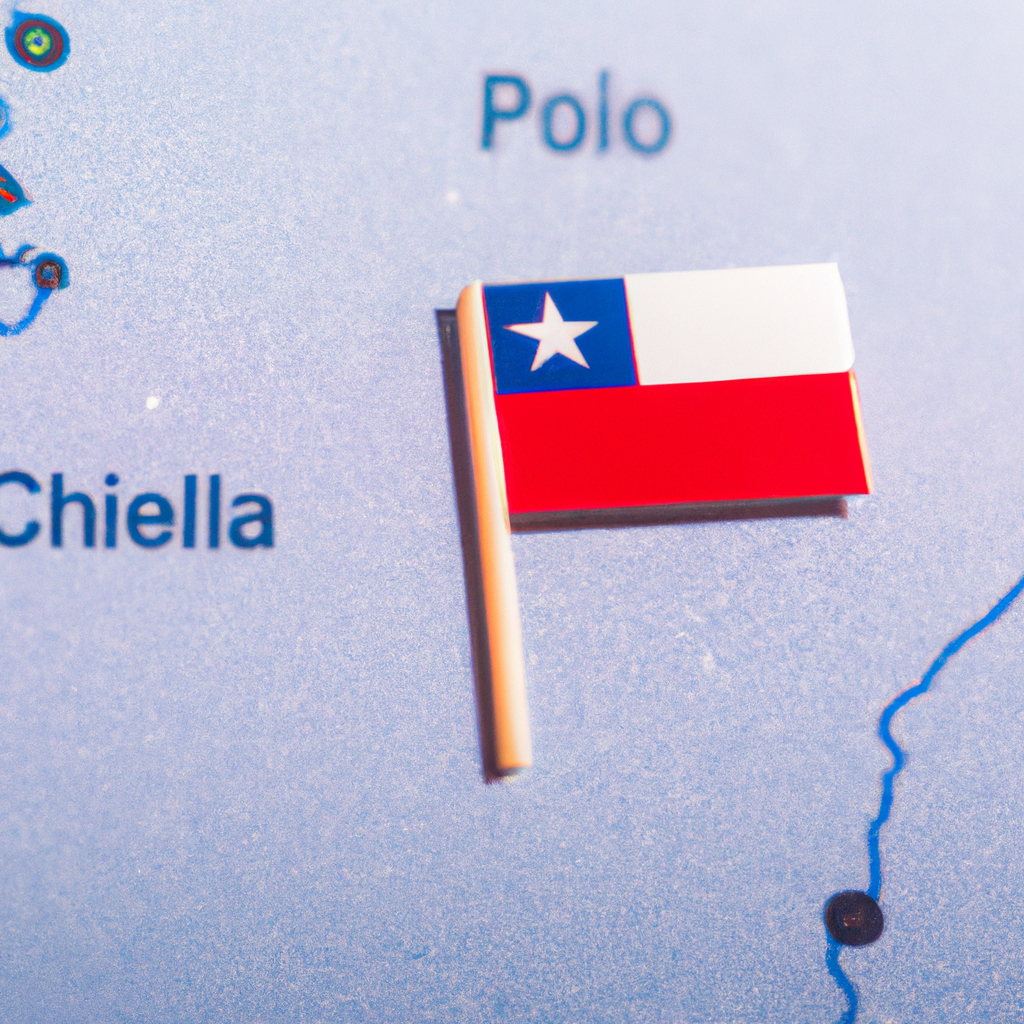
Is Chile prone to earthquakes and tsunamis?

Post ByAdequate Travel
Summary
Chile has a long history of facing a variety of natural disasters, including earthquakes and tsunamis. In this blog post, we will explore Chile's vulnerability to these types of events and how the country has responded to them in the past. Before embarking on your journey to chile, make sure to check the latest travel guidelines and entry requirements to ensure a smooth tripChile: A Seismically Active Country
Chile is highly prone to earthquakes and tsunamis due to its geographical location along the Pacific Ring of Fire. This region is characterized by intense tectonic activity, making it one of the most seismically active areas on Earth. Several factors contribute to Chile's susceptibility to these natural disasters.Tectonic Plate Boundaries
Chile sits where the South American Plate collides with the Nazca Plate, forming the Peru-Chile Trench. This subduction zone is responsible for the majority of earthquakes and tsunamis in the region. The immense pressure builds up as the Nazca Plate slides beneath the South American Plate, leading to eventual slips along the fault line and resulting seismic activity.Examples of Significant Earthquakes
1. Valdivia Earthquake (1960): This earthquake holds the record as the strongest ever recorded. It reached a magnitude of 9.5 and caused extensive damage throughout southern Chile. It also generated a devastating tsunami that affected other Pacific coastal areas, including Hawaii and Japan.2. Maule Earthquake (2010): Another powerful earthquake with a magnitude of 8.8 struck central Chile, causing widespread damage and a tsunami warning. Although Chile has implemented strict building codes and emergency response systems, the impacts were still significant.Tsunamis in Chile
1. 1960 Valdivia Tsunami: The Valdivia earthquake generated a massive tsunami that caused devastation along the Chilean coast, reaching as far as Hawaii, the Philippines, and Japan. It highlighted the importance of early warning systems and preparedness.2. 2010 Maule Tsunami: Following the Maule earthquake, a tsunami warning was issued, and coastal regions were evacuated. Fortunately, the resulting tsunami was not as destructive as initially feared, but it demonstrated the ongoing threat to Chile's coastal communities.Conclusion
Chile's location on the Pacific Ring of Fire exposes it to frequent seismic activity, including earthquakes and the subsequent risk of tsunamis. Historical events such as the 1960 Valdivia earthquake and its resulting tsunami have shaped Chile's approach to preparedness and disaster management. The country continues to prioritize developing early warning systems, stringent building codes, and promoting public awareness about earthquake and tsunami safety.The place is known for its rich history and culture, welcomes tourists with open arms. However, be sure to review the travel advisory and travel warnings to ensure a safe and enjoyable experience.Suggested Questions
- Iglesia de San Francisco, Santiago: Horror Story, History & Paranomial Activities
- Casa Colorado, Santiago: Horror Story, History & Paranomial Activities
- Cementerio General, Valdivia: Horror Story, History & Paranomial Activities
- Cementerio Parque, Valdivia: Horror Story, History & Paranomial Activities
- Museo de Arte Contemporáneo, Santiago: Horror Story, History & Paranomial Activities
- Cementerio General, Ovalle: Horror Story, History & Paranomial Activities
Questions chile
You may also like
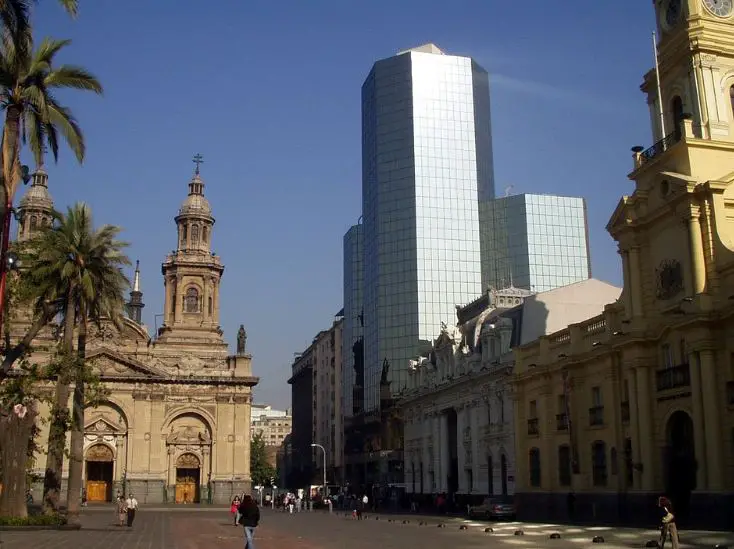
Best Cities in Chile to Visit | Major Cities in Chile
Chile a country that extends across the Pacific Ocean with startling diverse terrain, from the snow-capped Andes and colossal glaciers to a wave-licked coast and desolate desert. The top cities of Chile have reputed tourist’s value. Amid these mind-blowing geographical extremes … Continue reading
The post Best Cities in Chile to Visit | Major Cities in Chile appeared first on World Tour & Travel Guide, Get Travel Tips, Information, Discover Travel Destination | Adequate Travel.
Read More
Most Visited Monuments in Chile | Famous Monuments of Chile
Chile is a scenic, ribbon-shaped South American country situated west of Argentina and the Andes that attracts well over 5 million visitors each year. The monuments in Chile with an abundance of superb colonial historic buildings and conservation areas are … Continue reading
The post Most Visited Monuments in Chile | Famous Monuments of Chile appeared first on World Tour & Travel Guide, Get Travel Tips, Information, Discover Travel Destination | Adequate Travel.
Read More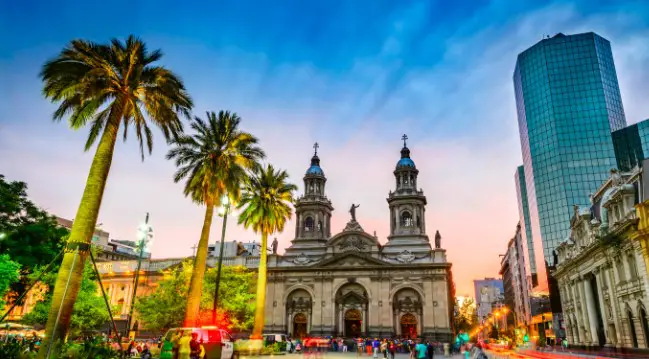
Latest Travel Restrictions in Chile| 5 Safe Places to Visit in Chile 2021
Chile or the Republic of Chile is a natural wonder that extends along the western edge of South America amidst the crystal clear water of the Pacific Ocean. Chile is the best summer holiday destination where you can enjoy the … Continue reading
The post Latest Travel Restrictions in Chile| 5 Safe Places to Visit in Chile 2021 appeared first on World Tour & Travel Guide, Get Travel Tips, Information, Discover Travel Destination | Adequate Travel.
Read More
10 Best Outdoor Activities in Chile
Chile or the Republic of Chile is one of the adventure hubs nestled on the western edge of South America. With a crystal clear rub of the Pacific Ocean on the side & breath-taking views of The Andes and Chilean … Continue reading
The post 10 Best Outdoor Activities in Chile appeared first on World Tour & Travel Guide, Get Travel Tips, Information, Discover Travel Destination | Adequate Travel.
Read More
Top 8 Nightlife Cities in Chile 2022- Adequate Travel
Facing the vast blue pacific ocean this narrow South American country packs a lot more punch than you can expect. The palm-lined beaches of Plaza de Armas are no wonder the biggest tourist attractions of Chile. But ever wondered what … Continue reading
The post Top 8 Nightlife Cities in Chile 2022- Adequate Travel appeared first on World Tour & Travel Guide, Get Travel Tips, Information, Discover Travel Destination | Adequate Travel.
Read More
15 Best Women Travel Bags: Reviewed & Tested- Get Expert Advice
Get the list of 15 best traveling bags for women. Know the size, material, durability, and other features of the bags.
Read More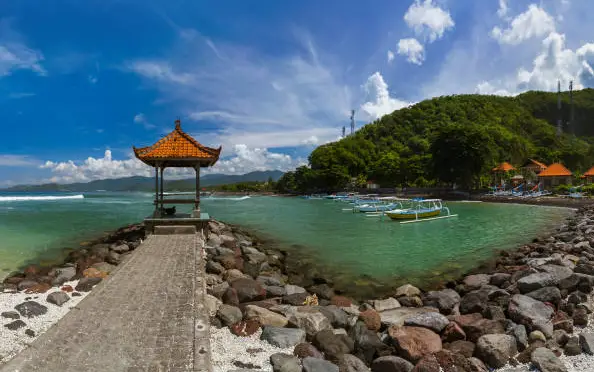
12 Best Beaches in Uluwatu | Popular Uluwatu Beaches
Discover the allure of Uluwatu Beaches. Here is the list of the 12 best beaches in Uluwatu that will let you explore the best of Uluwatu's coastal treasures.
Read More
What are the best practices for responsible wildlife viewing in Canada?
Discover essential tips for responsible wildlife viewing in Canada. Respect habitats, minimize disturbances, and support conservation efforts. Start here!
Read More
Things to do in bali.
Looking for the best things to do in Bali? Here we have curated the best things and places to visit in Bali on your vacation.
Read More
Are there any eco-friendly transportation options for traveling between provinces in Canada?
From electric vehicles and buses to cycling and passenger trains, find eco-friendly ways to journey across the country. Start your green adventure today!
Read More