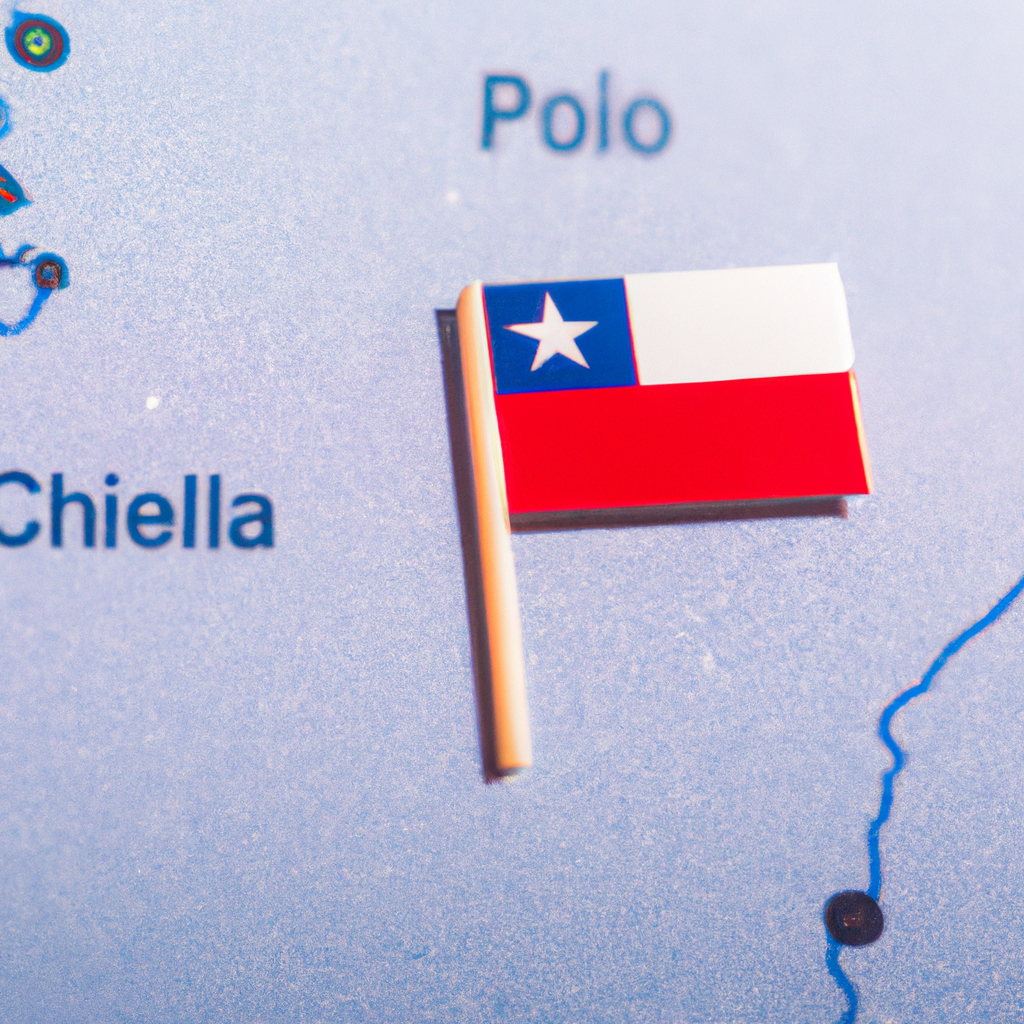
How eco-friendly is Chile as a travel destination?

Post ByAdequate Travel
Summary
Chile is quickly becoming a premier destination for travelers looking for an eco-friendly experience. This blog post dives into the ways that Chile helps protect its environment while still showing travelers its varied and vibrant sights, sounds, and cultures. The place is known for its rich history and culture, welcomes tourists with open arms. However, be sure to review the travel advisory and travel warnings to ensure a safe and enjoyable experience.Eco-Friendliness of Chile as a Travel Destination
1. Renewable Energy: Chile has made significant progress in renewable energy sources, particularly in solar and wind power. The country aims to be carbon neutral by 2050. Many hotels and accommodations in Chile are powered by clean energy to minimize their environmental impact.2. Protected Areas: Chile is home to a diverse range of ecosystems and boasts numerous protected areas. For example, Torres del Paine National Park in Patagonia is a UNESCO Biosphere Reserve, showcasing the country's commitment to preserving natural habitats.3. Sustainable Tourism Initiatives: Chile promotes sustainable tourism practices to protect its natural resources. This includes responsible tour operators who prioritize conservation, minimize waste, support local communities, and educate visitors about environmental issues.4. Wildlife Conservation: Chile is home to unique wildlife, including penguins, flamingos, and marine mammals. Efforts are made to protect and preserve these species through national parks, marine reserves, and conservation programs. Visitors can experience eco-friendly wildlife tours and observe these animals in their natural habitats.5. Organic Farming and Gastronomy: The country's rich agricultural heritage has contributed to a rise in organic farming practices. Organic vineyards, orchards, and sustainable restaurants offer visitors a chance to enjoy fresh, locally sourced food while supporting environmentally friendly agricultural practices.6. Sustainable Transportation: Chile encourages the use of sustainable transportation options, such as electric buses and bicycles. Cities like Santiago have implemented bike-sharing programs and improved public transportation systems, reducing carbon emissions and promoting eco-friendly modes of travel.7. Waste Management: Chile has taken steps to manage waste effectively. Recycling programs and waste reduction initiatives are implemented in many regions, including national parks and tourist areas. Visitors are encouraged to follow responsible waste disposal practices during their travels.8. Community-Based Tourism: Chile supports community-based tourism initiatives that involve local communities in the tourism industry. This helps empower local residents economically and ensures that tourism benefits are distributed more evenly, reducing the negative impacts often associated with mass tourism.9. Educational and Conservation Programs: Chile promotes environmental education and conservation through various programs and initiatives. Visitors can participate in eco-tours, bird-watching expeditions, and educational workshops to learn about Chile's unique ecosystems and contribute to conservation efforts.10. Sustainable Accommodations: Chile offers a wide range of sustainable accommodation options, including eco-lodges, ecolodges, and eco-friendly hotels. These establishments follow eco-friendly practices, such as using renewable energy, minimizing water consumption, and implementing waste management systems.While planning your trip, take note of any travel restrictions that may impact your itinerary, such as limited access to certain regions or attractions.Suggested Questions
- Casa Rada, Valparaíso: Horror Story, History & Paranomial Activities
- Isla de Chiloé, Chiloé: Horror Story, History & Paranomial Activities
- Casa Cousiño, Santiago: Horror Story, History & Paranomial Activities
- Palacio Pereira, Santiago: Horror Story, History & Paranomial Activities
- Pueblito de los Dominicos, Santiago: Horror Story, History & Paranomial Activities
- Cementerio General, Talca: Horror Story, History & Paranomial Activities
Questions chile
You may also like
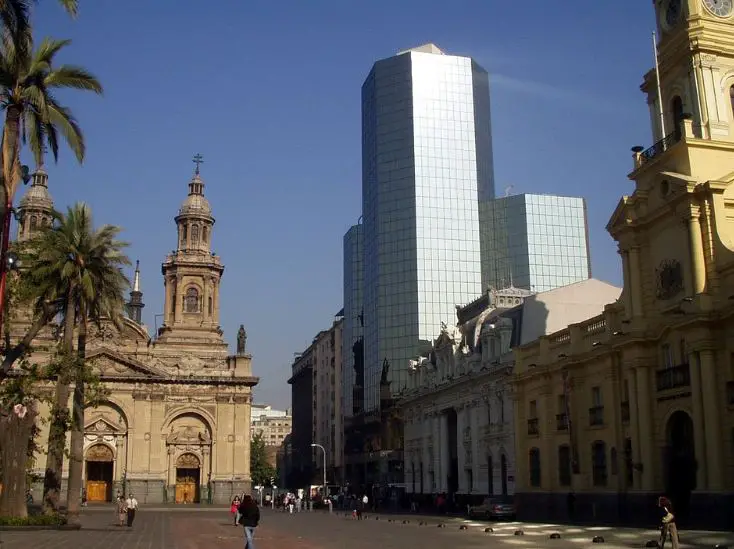
Best Cities in Chile to Visit | Major Cities in Chile
Chile a country that extends across the Pacific Ocean with startling diverse terrain, from the snow-capped Andes and colossal glaciers to a wave-licked coast and desolate desert. The top cities of Chile have reputed tourist’s value. Amid these mind-blowing geographical extremes … Continue reading
The post Best Cities in Chile to Visit | Major Cities in Chile appeared first on World Tour & Travel Guide, Get Travel Tips, Information, Discover Travel Destination | Adequate Travel.
Read More
Most Visited Monuments in Chile | Famous Monuments of Chile
Chile is a scenic, ribbon-shaped South American country situated west of Argentina and the Andes that attracts well over 5 million visitors each year. The monuments in Chile with an abundance of superb colonial historic buildings and conservation areas are … Continue reading
The post Most Visited Monuments in Chile | Famous Monuments of Chile appeared first on World Tour & Travel Guide, Get Travel Tips, Information, Discover Travel Destination | Adequate Travel.
Read More
Latest Travel Restrictions in Chile| 5 Safe Places to Visit in Chile 2021
Chile or the Republic of Chile is a natural wonder that extends along the western edge of South America amidst the crystal clear water of the Pacific Ocean. Chile is the best summer holiday destination where you can enjoy the … Continue reading
The post Latest Travel Restrictions in Chile| 5 Safe Places to Visit in Chile 2021 appeared first on World Tour & Travel Guide, Get Travel Tips, Information, Discover Travel Destination | Adequate Travel.
Read More
10 Best Outdoor Activities in Chile
Chile or the Republic of Chile is one of the adventure hubs nestled on the western edge of South America. With a crystal clear rub of the Pacific Ocean on the side & breath-taking views of The Andes and Chilean … Continue reading
The post 10 Best Outdoor Activities in Chile appeared first on World Tour & Travel Guide, Get Travel Tips, Information, Discover Travel Destination | Adequate Travel.
Read More
Top 8 Nightlife Cities in Chile 2022- Adequate Travel
Facing the vast blue pacific ocean this narrow South American country packs a lot more punch than you can expect. The palm-lined beaches of Plaza de Armas are no wonder the biggest tourist attractions of Chile. But ever wondered what … Continue reading
The post Top 8 Nightlife Cities in Chile 2022- Adequate Travel appeared first on World Tour & Travel Guide, Get Travel Tips, Information, Discover Travel Destination | Adequate Travel.
Read More
15 Best Women Travel Bags: Reviewed & Tested- Get Expert Advice
Get the list of 15 best traveling bags for women. Know the size, material, durability, and other features of the bags.
Read More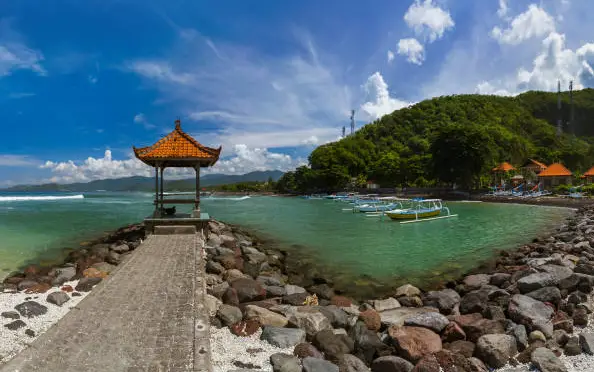
12 Best Beaches in Uluwatu | Popular Uluwatu Beaches
Discover the allure of Uluwatu Beaches. Here is the list of the 12 best beaches in Uluwatu that will let you explore the best of Uluwatu's coastal treasures.
Read More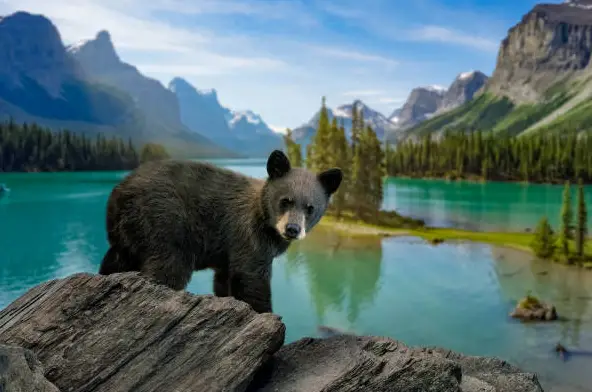
What are the best practices for responsible wildlife viewing in Canada?
Discover essential tips for responsible wildlife viewing in Canada. Respect habitats, minimize disturbances, and support conservation efforts. Start here!
Read More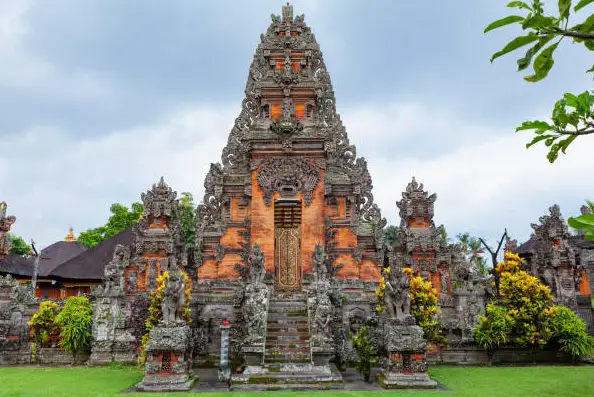
Things to do in bali.
Looking for the best things to do in Bali? Here we have curated the best things and places to visit in Bali on your vacation.
Read More
Are there any eco-friendly transportation options for traveling between provinces in Canada?
From electric vehicles and buses to cycling and passenger trains, find eco-friendly ways to journey across the country. Start your green adventure today!
Read More