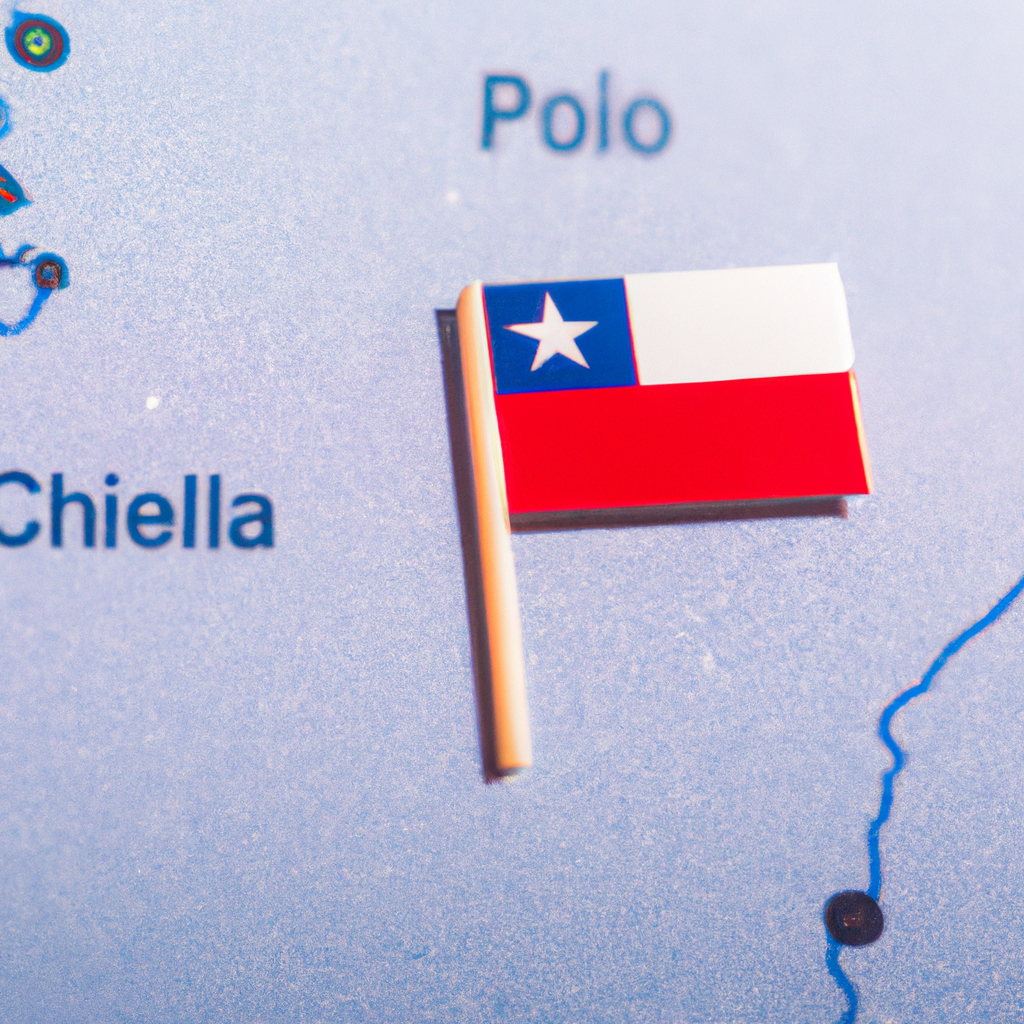
Do most people in Chile speak English?

Post ByAdequate Travel
Summary
This article will examine the language landscape of Chile, and answer the question - do most people in Chile speak English? We will look at current English-language instruction levels, proficiency rates, and strategies for communicating where English may not be the lingua franca. Travellers can find valuable travel information for tourists, such as local customs, must-see attractions, and dining recommendations, to make the most of their trip.Do most people in Chile speak English?
Chile, a Spanish-speaking country located in South America, has a relatively low percentage of people who speak English as a second language. Here are some key points to consider:
1. English Proficiency Index (EPI)
In the English Proficiency Index (EPI), which measures English proficiency levels in various countries, Chile generally ranks below average. In the most recent EPI rankings, Chile ranked 58th out of 100 countries assessed. This suggests that English fluency is not widespread among the general population.
2. English Education System
In Chile, English is taught as a mandatory subject throughout the educational system. However, the quality and effectiveness of English education vary, leading to significant disparities in language proficiency among individuals. While some Chileans may have acquired basic English skills through formal education, many may still struggle with fluency or have limited knowledge of the language.
3. Urban Areas vs. Rural Areas
In urban areas, such as Santiago (the capital city), Valparaíso, or Concepción, you may find a slightly higher proportion of English speakers due to the exposure to international influences, tourism, and multinational companies. However, even in such cities, fluency in English remains limited to specific sectors or individuals, such as professionals or those working in the tourism industry.
In rural areas or smaller towns, English proficiency tends to be much lower as there is less exposure to English-speaking cultures and limited access to English language education.
4. English-speaking Professionals
While the majority of Chileans might not speak English fluently, there is a small percentage of professionals, especially in fields such as tourism, hospitality, international business, or academia, who have developed a higher level of English proficiency due to their work requirements or personal interest.
5. Age and Generational Differences
You may find that younger Chileans, particularly those who have had access to better education or have traveled abroad, are more likely to have a basic understanding of English compared to older generations. Younger people often have more exposure to English through popular culture, online resources, and international travel, which can improve their language skills to some extent.
In conclusion, while some Chileans may have a basic understanding of English, the overall percentage of English speakers in Chile is relatively low. Fluency in English is more prevalent in urban areas among certain professional sectors or younger generations with better educational opportunities.
Stay informed about any travel restrictions or travel rules in place, as they may vary depending on your destination within the country.Suggested Questions
- Palacio Cousiño, Santiago: Horror Story, History & Paranomial Activities
- Castillo Wulff, Viña del Mar: Horror Story, History & Paranomial Activities
- Casa Dubois, Santiago: Horror Story, History & Paranomial Activities
- Palacio Errázuriz, Viña del Mar: Horror Story, History & Paranomial Activities
- Ex Penitenciaría de Santiago, Santiago: Horror Story, History & Paranomial Activities
- Teatro del Lago, Frutillar: Horror Story, History & Paranomial Activities
Questions chile
You may also like
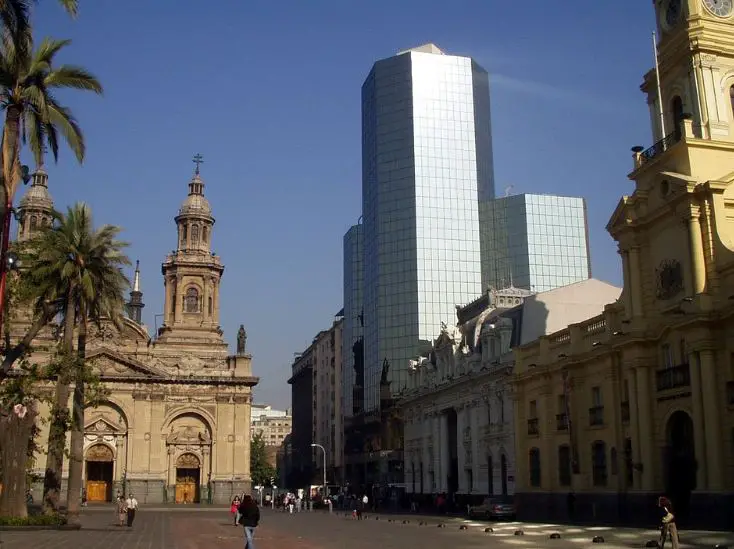
Best Cities in Chile to Visit | Major Cities in Chile
Chile a country that extends across the Pacific Ocean with startling diverse terrain, from the snow-capped Andes and colossal glaciers to a wave-licked coast and desolate desert. The top cities of Chile have reputed tourist’s value. Amid these mind-blowing geographical extremes … Continue reading
The post Best Cities in Chile to Visit | Major Cities in Chile appeared first on World Tour & Travel Guide, Get Travel Tips, Information, Discover Travel Destination | Adequate Travel.
Read More
Most Visited Monuments in Chile | Famous Monuments of Chile
Chile is a scenic, ribbon-shaped South American country situated west of Argentina and the Andes that attracts well over 5 million visitors each year. The monuments in Chile with an abundance of superb colonial historic buildings and conservation areas are … Continue reading
The post Most Visited Monuments in Chile | Famous Monuments of Chile appeared first on World Tour & Travel Guide, Get Travel Tips, Information, Discover Travel Destination | Adequate Travel.
Read More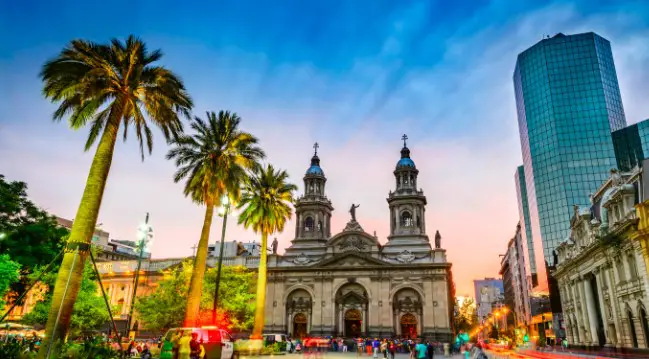
Latest Travel Restrictions in Chile| 5 Safe Places to Visit in Chile 2021
Chile or the Republic of Chile is a natural wonder that extends along the western edge of South America amidst the crystal clear water of the Pacific Ocean. Chile is the best summer holiday destination where you can enjoy the … Continue reading
The post Latest Travel Restrictions in Chile| 5 Safe Places to Visit in Chile 2021 appeared first on World Tour & Travel Guide, Get Travel Tips, Information, Discover Travel Destination | Adequate Travel.
Read More
10 Best Outdoor Activities in Chile
Chile or the Republic of Chile is one of the adventure hubs nestled on the western edge of South America. With a crystal clear rub of the Pacific Ocean on the side & breath-taking views of The Andes and Chilean … Continue reading
The post 10 Best Outdoor Activities in Chile appeared first on World Tour & Travel Guide, Get Travel Tips, Information, Discover Travel Destination | Adequate Travel.
Read More
Top 8 Nightlife Cities in Chile 2022- Adequate Travel
Facing the vast blue pacific ocean this narrow South American country packs a lot more punch than you can expect. The palm-lined beaches of Plaza de Armas are no wonder the biggest tourist attractions of Chile. But ever wondered what … Continue reading
The post Top 8 Nightlife Cities in Chile 2022- Adequate Travel appeared first on World Tour & Travel Guide, Get Travel Tips, Information, Discover Travel Destination | Adequate Travel.
Read More
15 Best Women Travel Bags: Reviewed & Tested- Get Expert Advice
Get the list of 15 best traveling bags for women. Know the size, material, durability, and other features of the bags.
Read More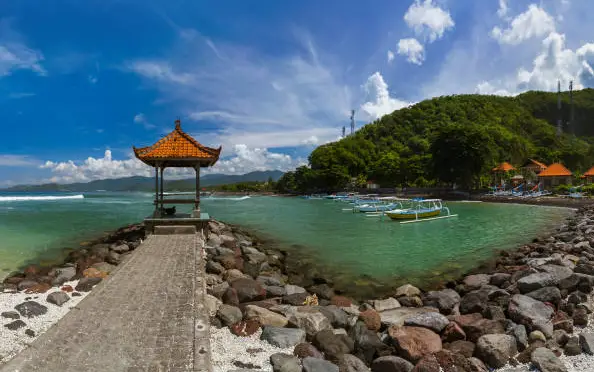
12 Best Beaches in Uluwatu | Popular Uluwatu Beaches
Discover the allure of Uluwatu Beaches. Here is the list of the 12 best beaches in Uluwatu that will let you explore the best of Uluwatu's coastal treasures.
Read More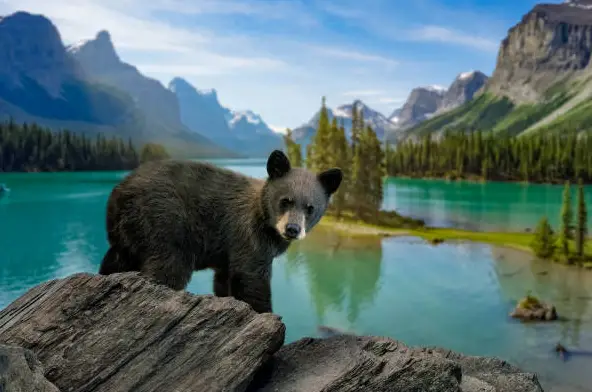
What are the best practices for responsible wildlife viewing in Canada?
Discover essential tips for responsible wildlife viewing in Canada. Respect habitats, minimize disturbances, and support conservation efforts. Start here!
Read More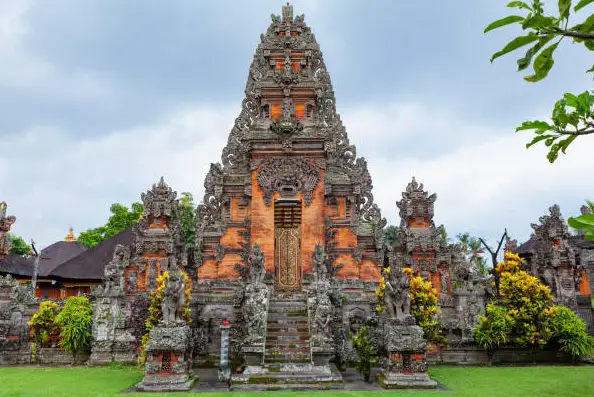
Things to do in bali.
Looking for the best things to do in Bali? Here we have curated the best things and places to visit in Bali on your vacation.
Read More
Are there any eco-friendly transportation options for traveling between provinces in Canada?
From electric vehicles and buses to cycling and passenger trains, find eco-friendly ways to journey across the country. Start your green adventure today!
Read More