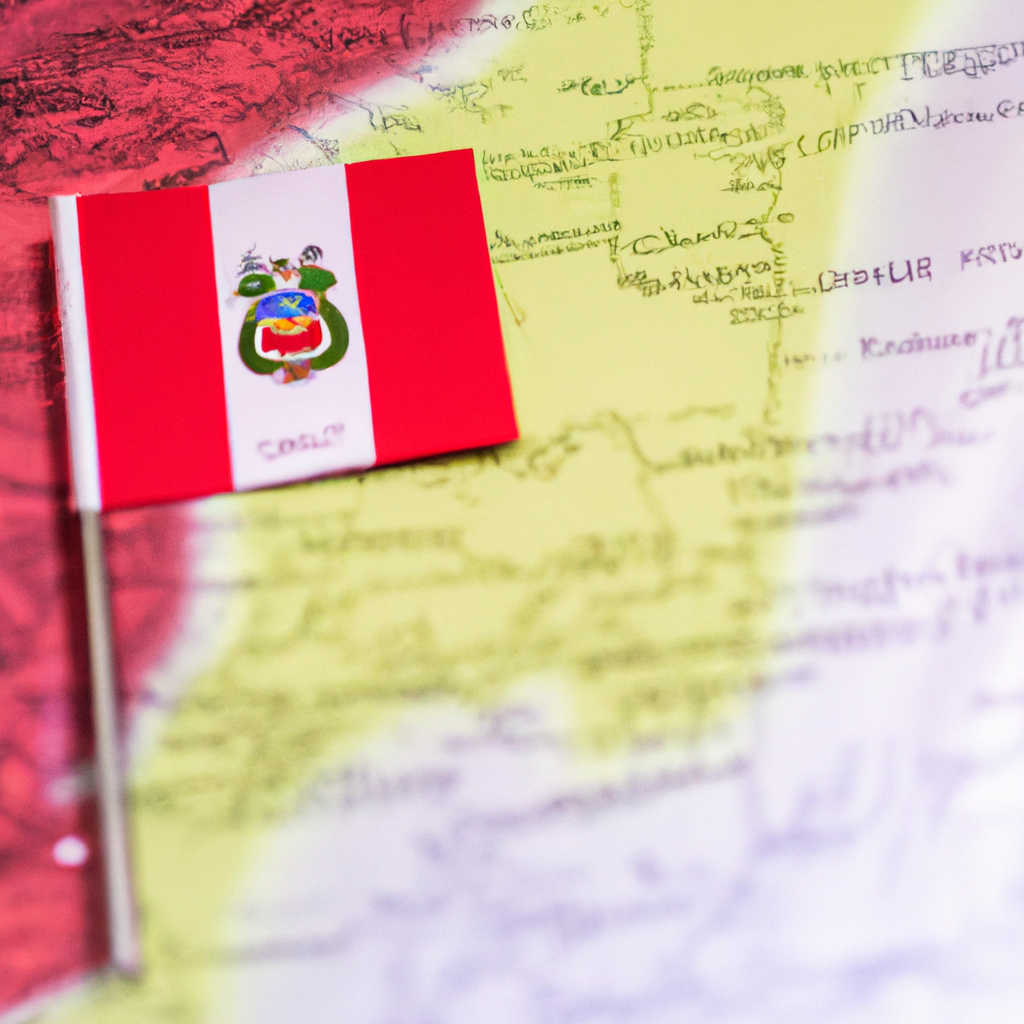
Can I explore the history of the Chavín de Huántar civilization?

Post ByAdequate Travel
Summary
If you have ever been curious about the ancient Chavín de Huántar civilization, you may be wondering if it is possible to explore its history. The answer is yes! In this blog post, you will learn more about the history of the Chavín de Huántar civilization and its enigmatic ruins. Stay informed about any travel restrictions or travel rules in place, as they may vary depending on your destination within the country.The history of the Chavín de Huántar civilization
1. Origins and Early Development:
The Chavín de Huántar civilization emerged around 1200 BCE in the highlands of what is now Peru. It flourished between 900 and 200 BCE. The civilization took its name from the archaeological site of Chavín de Huántar, which served as its ceremonial and religious center.
2. Cultural Influence:
The Chavín de Huántar civilization had a significant cultural influence on subsequent Andean civilizations. Their distinctive art, architecture, and religious symbolism spread throughout the region, influencing various societies such as the Moche, Nazca, and Inca.
3. Religious Significance:
Religion played a crucial role in Chavín de Huántar society. The primary deity worshipped was a feline-like figure known as the "Lanzón," carved in stone and considered a sacred object. Rituals and ceremonies were conducted in underground galleries, characterized by maze-like designs and heavy use of symbolism.
4. Social Organization:
The Chavín de Huántar civilization was likely organized in a hierarchical manner. The religious and political elites held significant power, suggesting a complex social structure. The civilization also had skilled craftsmen, evidenced by the intricately carved stone artworks they produced.
5. Decline and Legacy:
Around 200 BCE, the Chavín de Huántar civilization went into decline. The factors that led to its decline are still uncertain, and debates among scholars continue. However, its cultural influence endured, and many subsequent civilizations incorporated elements of Chavín visual style, iconography, and religious practices.
Overall, the Chavín de Huántar civilization represents an important period in the pre-Columbian history of the Andean region and left a lasting impact on subsequent cultures in the area.
It's essential to stay updated with international travel information, especially when planning a foreign trip, to navigate any changes in travel advisory or travel warnings.Suggested Questions
You may also like
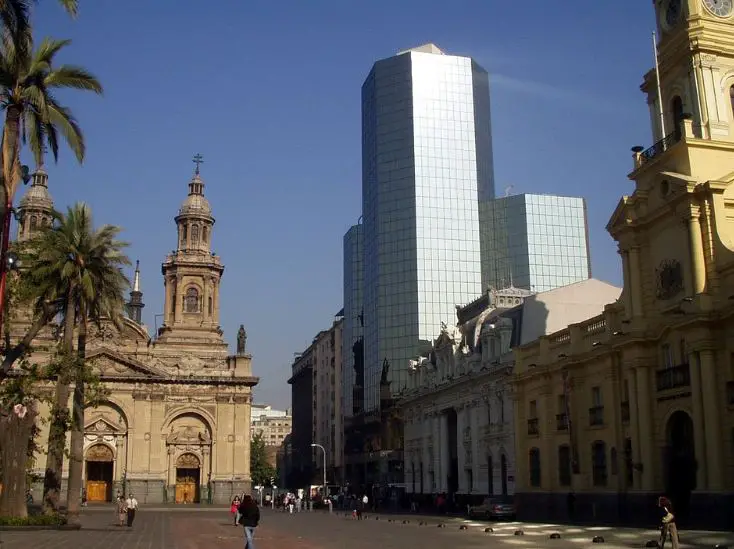
Best Cities in Chile to Visit | Major Cities in Chile
Chile a country that extends across the Pacific Ocean with startling diverse terrain, from the snow-capped Andes and colossal glaciers to a wave-licked coast and desolate desert. The top cities of Chile have reputed tourist’s value. Amid these mind-blowing geographical extremes … Continue reading
The post Best Cities in Chile to Visit | Major Cities in Chile appeared first on World Tour & Travel Guide, Get Travel Tips, Information, Discover Travel Destination | Adequate Travel.
Read More
Most Visited Monuments in Chile | Famous Monuments of Chile
Chile is a scenic, ribbon-shaped South American country situated west of Argentina and the Andes that attracts well over 5 million visitors each year. The monuments in Chile with an abundance of superb colonial historic buildings and conservation areas are … Continue reading
The post Most Visited Monuments in Chile | Famous Monuments of Chile appeared first on World Tour & Travel Guide, Get Travel Tips, Information, Discover Travel Destination | Adequate Travel.
Read More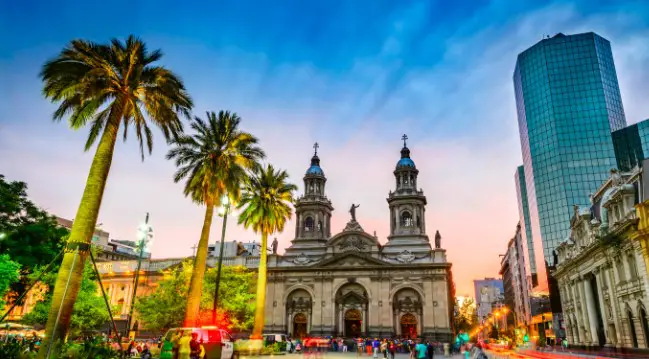
Latest Travel Restrictions in Chile| 5 Safe Places to Visit in Chile 2021
Chile or the Republic of Chile is a natural wonder that extends along the western edge of South America amidst the crystal clear water of the Pacific Ocean. Chile is the best summer holiday destination where you can enjoy the … Continue reading
The post Latest Travel Restrictions in Chile| 5 Safe Places to Visit in Chile 2021 appeared first on World Tour & Travel Guide, Get Travel Tips, Information, Discover Travel Destination | Adequate Travel.
Read More
10 Best Outdoor Activities in Chile
Chile or the Republic of Chile is one of the adventure hubs nestled on the western edge of South America. With a crystal clear rub of the Pacific Ocean on the side & breath-taking views of The Andes and Chilean … Continue reading
The post 10 Best Outdoor Activities in Chile appeared first on World Tour & Travel Guide, Get Travel Tips, Information, Discover Travel Destination | Adequate Travel.
Read More
Top 8 Nightlife Cities in Chile 2022- Adequate Travel
Facing the vast blue pacific ocean this narrow South American country packs a lot more punch than you can expect. The palm-lined beaches of Plaza de Armas are no wonder the biggest tourist attractions of Chile. But ever wondered what … Continue reading
The post Top 8 Nightlife Cities in Chile 2022- Adequate Travel appeared first on World Tour & Travel Guide, Get Travel Tips, Information, Discover Travel Destination | Adequate Travel.
Read More
15 Best Women Travel Bags: Reviewed & Tested- Get Expert Advice
Get the list of 15 best traveling bags for women. Know the size, material, durability, and other features of the bags.
Read More
12 Best Beaches in Uluwatu | Popular Uluwatu Beaches
Discover the allure of Uluwatu Beaches. Here is the list of the 12 best beaches in Uluwatu that will let you explore the best of Uluwatu's coastal treasures.
Read More
What are the best practices for responsible wildlife viewing in Canada?
Discover essential tips for responsible wildlife viewing in Canada. Respect habitats, minimize disturbances, and support conservation efforts. Start here!
Read More
Things to do in bali.
Looking for the best things to do in Bali? Here we have curated the best things and places to visit in Bali on your vacation.
Read More
Are there any eco-friendly transportation options for traveling between provinces in Canada?
From electric vehicles and buses to cycling and passenger trains, find eco-friendly ways to journey across the country. Start your green adventure today!
Read More