Can I attend a traditional Chilean rodeo?

Post ByAdequate Travel
Summary
Attending a traditional Chilean rodeo can be an exciting and unique cultural experience. In this blog post, we'll explore what to expect from a Chilean rodeo, as well as how you can take part in the festivities. So if you ever wanted to witness the culture and excitement of a Chilean rodeo firsthand, read on to find out how! The place is known for its rich history and culture, welcomes tourists with open arms. However, be sure to review the travel advisory and travel warnings to ensure a safe and enjoyable experience.Can I attend a traditional Chilean rodeo?
Yes, as a tourist or visitor in Chile, you can definitely attend a traditional Chilean rodeo and experience this unique cultural event. Here are some points to consider:
1. Understanding the Chilean Rodeo
The Chilean rodeo is a popular sport and cultural activity that showcases horsemanship skills. It involves two riders, known as huasos, who try to pin a calf against large cushions lining the sides of a circular corral called a medialuna. The goal is to demonstrate control, agility, and teamwork between the huasos and their horses.
2. Rodeo Locations
Chilean rodeos take place across the country, primarily in rural areas where ranching and equestrian traditions are strong. Some famous rodeo venues include Rancagua, Curicó, and Chillán. It's advisable to check the local event calendars or consult with tourist information centers to find specific rodeo locations and dates.
3. Rodeo Season
The Chilean rodeo season generally runs from September to April, with the most significant events occurring during the weekends. September is a particularly festive month for rodeos as Chile celebrates its national independence. The exact dates and frequency of rodeos vary, so it's best to plan your visit accordingly.
4. Spectator Experience
As a spectator, you will have the opportunity to witness the excitement of the rodeo from the stands. You can observe the skilled huasos on their horses, appreciate the traditional costumes, and immerse yourself in the vibrant atmosphere. Food stalls, live music performances, and craft markets are often part of the rodeo experience as well.
5. Attire and Etiquette
While there is no strict dress code for attending a Chilean rodeo, it is common for participants to wear traditional huaso attire, including straw hats, chamanto ponchos, and knee-high boots. As a spectator, it is advisable to wear comfortable clothing suitable for outdoor events. It is customary to show respect for the participants and the rodeo traditions by not interfering with the activity or the animals.
6. Accessibility
Chilean rodeos are family-friendly events, and everyone is welcome to attend, including tourists. Some rodeo venues may have entry fees, while others may offer free admission. It's essential to inquire about any restrictions or specific guidelines related to COVID-19 measures and protocols that might be in place during your visit.
7. Cultural Learning Opportunity
Attending a traditional Chilean rodeo offers a unique opportunity to engage with Chilean culture, experience local customs, and witness a sport deeply rooted in the country's history. You can gain insights into the equestrian traditions, interact with locals, and appreciate the bond between huasos and their horses.
Overall, attending a traditional Chilean rodeo allows you to enjoy an exciting cultural experience that showcases the country's equestrian heritage and community spirit.The place is known for its rich history and culture, welcomes tourists with open arms. However, be sure to review the travel advisory and travel warnings to ensure a safe and enjoyable experience.Suggested Questions
- Ritoque, Quintero: Horror Story, History & Paranomial Activities
- Casa Rada, Valparaíso: Horror Story, History & Paranomial Activities
- Palacio Polanco, Santiago: Horror Story, History & Paranomial Activities
- Palacio Álamos, Santiago: Horror Story, History & Paranomial Activities
- Museo de Arte Contemporáneo, Santiago: Horror Story, History & Paranomial Activities
- Casa de la Moneda, Santiago: Horror Story, History & Paranomial Activities
Questions chile
You may also like
Best Cities in Chile to Visit | Major Cities in Chile
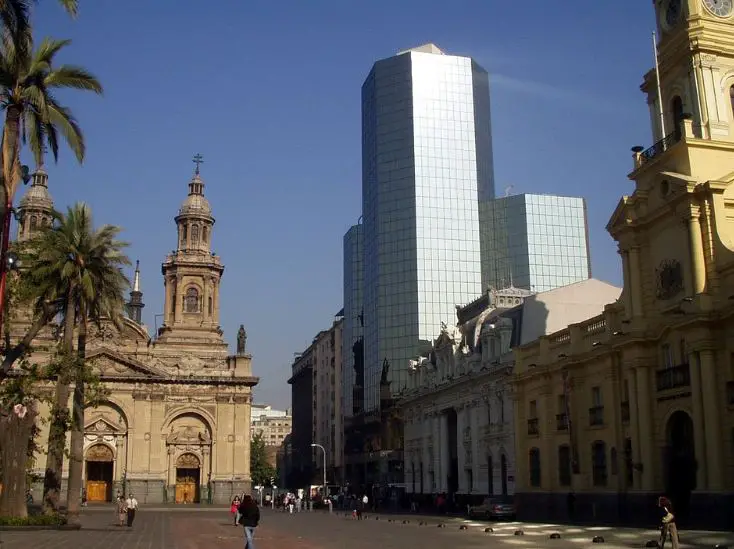
Chile a country that extends across the Pacific Ocean with startling diverse terrain, from the snow-capped Andes and colossal glaciers to a wave-licked coast and desolate desert. The top cities of Chile have reputed tourist’s value. Amid these mind-blowing geographical extremes … Continue reading
The post Best Cities in Chile to Visit | Major Cities in Chile appeared first on World Tour & Travel Guide, Get Travel Tips, Information, Discover Travel Destination | Adequate Travel.
Read More
Most Visited Monuments in Chile | Famous Monuments of Chile
Chile is a scenic, ribbon-shaped South American country situated west of Argentina and the Andes that attracts well over 5 million visitors each year. The monuments in Chile with an abundance of superb colonial historic buildings and conservation areas are … Continue reading
The post Most Visited Monuments in Chile | Famous Monuments of Chile appeared first on World Tour & Travel Guide, Get Travel Tips, Information, Discover Travel Destination | Adequate Travel.
Read More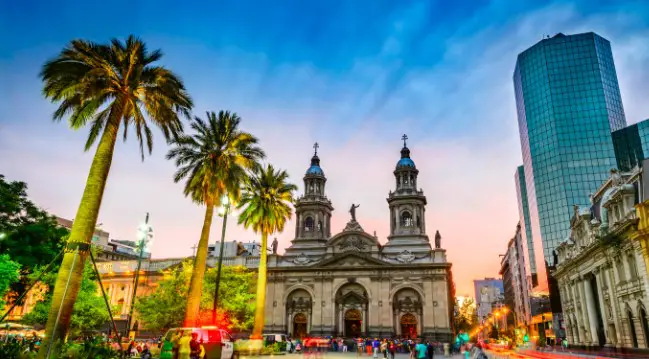
Latest Travel Restrictions in Chile| 5 Safe Places to Visit in Chile 2021
Chile or the Republic of Chile is a natural wonder that extends along the western edge of South America amidst the crystal clear water of the Pacific Ocean. Chile is the best summer holiday destination where you can enjoy the … Continue reading
The post Latest Travel Restrictions in Chile| 5 Safe Places to Visit in Chile 2021 appeared first on World Tour & Travel Guide, Get Travel Tips, Information, Discover Travel Destination | Adequate Travel.
Read More
10 Best Outdoor Activities in Chile
Chile or the Republic of Chile is one of the adventure hubs nestled on the western edge of South America. With a crystal clear rub of the Pacific Ocean on the side & breath-taking views of The Andes and Chilean … Continue reading
The post 10 Best Outdoor Activities in Chile appeared first on World Tour & Travel Guide, Get Travel Tips, Information, Discover Travel Destination | Adequate Travel.
Read More
Top 8 Nightlife Cities in Chile 2022- Adequate Travel
Facing the vast blue pacific ocean this narrow South American country packs a lot more punch than you can expect. The palm-lined beaches of Plaza de Armas are no wonder the biggest tourist attractions of Chile. But ever wondered what … Continue reading
The post Top 8 Nightlife Cities in Chile 2022- Adequate Travel appeared first on World Tour & Travel Guide, Get Travel Tips, Information, Discover Travel Destination | Adequate Travel.
Read More
15 Best Women Travel Bags: Reviewed & Tested- Get Expert Advice
Get the list of 15 best traveling bags for women. Know the size, material, durability, and other features of the bags.
Read More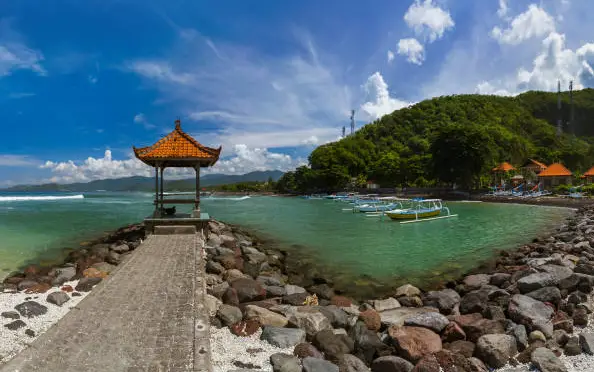
12 Best Beaches in Uluwatu | Popular Uluwatu Beaches
Discover the allure of Uluwatu Beaches. Here is the list of the 12 best beaches in Uluwatu that will let you explore the best of Uluwatu's coastal treasures.
Read More
What are the best practices for responsible wildlife viewing in Canada?
Discover essential tips for responsible wildlife viewing in Canada. Respect habitats, minimize disturbances, and support conservation efforts. Start here!
Read More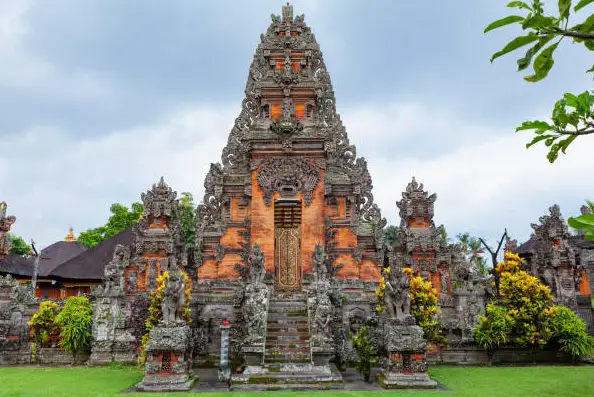
Things to do in bali.
Looking for the best things to do in Bali? Here we have curated the best things and places to visit in Bali on your vacation.
Read More
Are there any eco-friendly transportation options for traveling between provinces in Canada?
From electric vehicles and buses to cycling and passenger trains, find eco-friendly ways to journey across the country. Start your green adventure today!
Read More