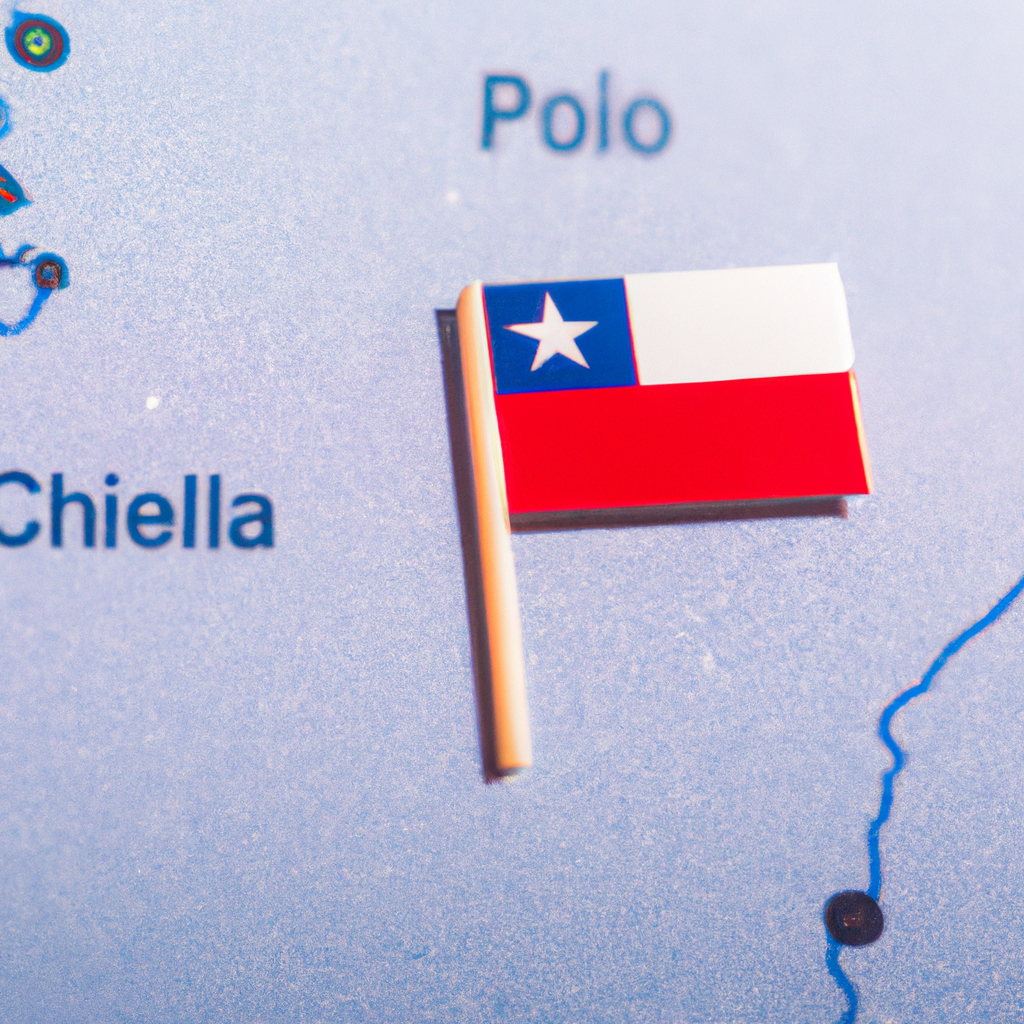
Are there any museums or sites related to Chile's political history?

Post ByAdequate Travel
Summary
From the Chilean coup of 1973, to the country's contemporary struggles and triumphs, Chile's political history is complex and varied. Learn more about the museums and sites that offer a detailed look into this important part of the South American nation's past. The place is known for its rich history and culture, welcomes tourists with open arms. However, be sure to review the travel advisory and travel warnings to ensure a safe and enjoyable experience.1. Museo de la Memoria y los Derechos Humanos (Museum of Memory and Human Rights)
The Museo de la Memoria y los Derechos Humanos is dedicated to preserving and disseminating the memory of the human rights violations committed by the Chilean state between 1973 and 1990 during the military dictatorship of Augusto Pinochet. It showcases the testimonies, photographs, documents, and artifacts related to the victims and survivors of the dictatorship.
2. Estadio Nacional Julio Martínez Prádanos (National Stadium)
The Estadio Nacional, located in Santiago, was used as a detention center and torture site during the military regime. It became a symbol of human rights abuses and political persecution. Today, the stadium serves as a memorial and hosts exhibitions, guided tours, and educational programs that highlight its historical significance.
3. Palacio de La Moneda (Presidential Palace)
The Palacio de La Moneda is the official workplace and residence of the President of Chile. It played a critical role in the country's political history, especially during the 1973 military coup. The palace was bombed by the military forces, leading to the death of President Salvador Allende. It now houses the Cultural Center of La Moneda, which offers exhibitions and activities related to Chilean history and politics.
4. Cementerio General de Santiago (General Cemetery of Santiago)
The Cementerio General de Santiago is the final resting place of numerous figures from Chile's political history. It includes the graves of former presidents, politicians, and activists who played significant roles in shaping the country's politics. Visitors can explore these gravesites and learn about the individuals' contributions to Chile.
5. Villa Grimaldi
Villa Grimaldi, located in Santiago, was a notorious secret detention center during the Pinochet regime. It was used for torture, interrogation, and imprisonment of political dissidents. Today, it serves as a memorial park and museum, known as Parque por la Paz Villa Grimaldi, dedicated to honoring the victims and raising awareness about Chile's dark political past.
While planning your trip, take note of any travel restrictions that may impact your itinerary, such as limited access to certain regions or attractions.Suggested Questions
- Cementerio General, Valdivia: Horror Story, History & Paranomial Activities
- Museo Histórico Nacional, Santiago: Horror Story, History & Paranomial Activities
- Cementerio N°1, Valparaíso: Horror Story, History & Paranomial Activities
- Cementerio de Punta Arenas, Punta Arenas: Horror Story, History & Paranomial Activities
- Fuerte Bulnes, Punta Arenas: Horror Story, History & Paranomial Activities
- Plaza de Armas, Santiago: Horror Story, History & Paranomial Activities
Questions chile
You may also like
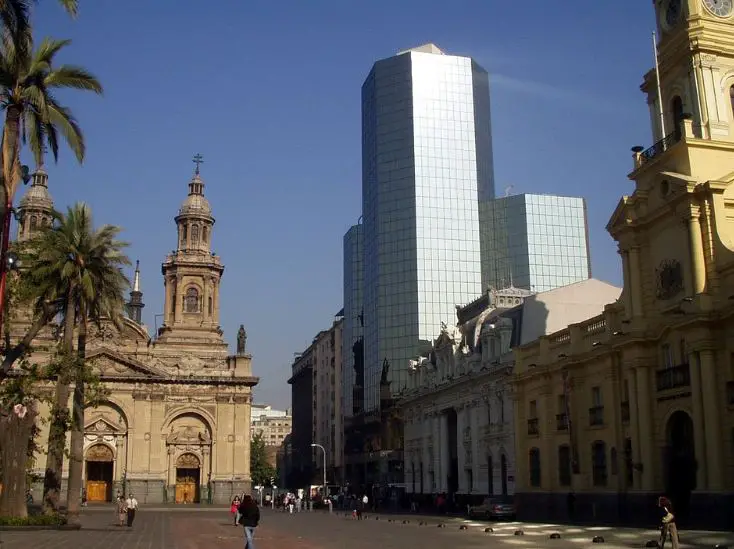
Best Cities in Chile to Visit | Major Cities in Chile
Chile a country that extends across the Pacific Ocean with startling diverse terrain, from the snow-capped Andes and colossal glaciers to a wave-licked coast and desolate desert. The top cities of Chile have reputed tourist’s value. Amid these mind-blowing geographical extremes … Continue reading
The post Best Cities in Chile to Visit | Major Cities in Chile appeared first on World Tour & Travel Guide, Get Travel Tips, Information, Discover Travel Destination | Adequate Travel.
Read More
Most Visited Monuments in Chile | Famous Monuments of Chile
Chile is a scenic, ribbon-shaped South American country situated west of Argentina and the Andes that attracts well over 5 million visitors each year. The monuments in Chile with an abundance of superb colonial historic buildings and conservation areas are … Continue reading
The post Most Visited Monuments in Chile | Famous Monuments of Chile appeared first on World Tour & Travel Guide, Get Travel Tips, Information, Discover Travel Destination | Adequate Travel.
Read More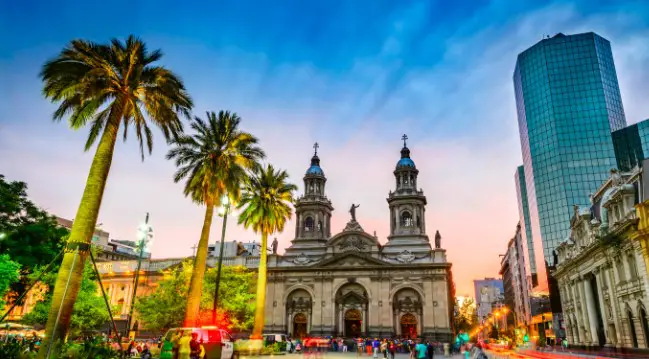
Latest Travel Restrictions in Chile| 5 Safe Places to Visit in Chile 2021
Chile or the Republic of Chile is a natural wonder that extends along the western edge of South America amidst the crystal clear water of the Pacific Ocean. Chile is the best summer holiday destination where you can enjoy the … Continue reading
The post Latest Travel Restrictions in Chile| 5 Safe Places to Visit in Chile 2021 appeared first on World Tour & Travel Guide, Get Travel Tips, Information, Discover Travel Destination | Adequate Travel.
Read More
10 Best Outdoor Activities in Chile
Chile or the Republic of Chile is one of the adventure hubs nestled on the western edge of South America. With a crystal clear rub of the Pacific Ocean on the side & breath-taking views of The Andes and Chilean … Continue reading
The post 10 Best Outdoor Activities in Chile appeared first on World Tour & Travel Guide, Get Travel Tips, Information, Discover Travel Destination | Adequate Travel.
Read More
Top 8 Nightlife Cities in Chile 2022- Adequate Travel
Facing the vast blue pacific ocean this narrow South American country packs a lot more punch than you can expect. The palm-lined beaches of Plaza de Armas are no wonder the biggest tourist attractions of Chile. But ever wondered what … Continue reading
The post Top 8 Nightlife Cities in Chile 2022- Adequate Travel appeared first on World Tour & Travel Guide, Get Travel Tips, Information, Discover Travel Destination | Adequate Travel.
Read More
15 Best Women Travel Bags: Reviewed & Tested- Get Expert Advice
Get the list of 15 best traveling bags for women. Know the size, material, durability, and other features of the bags.
Read More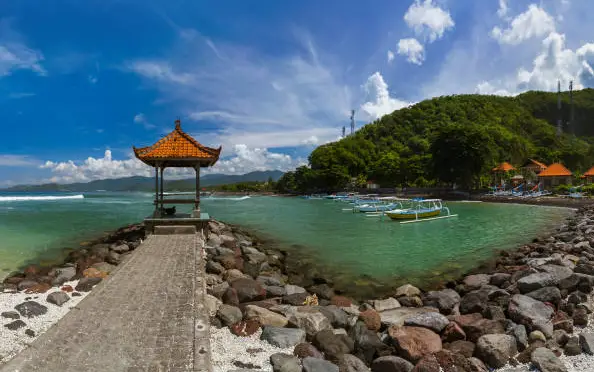
12 Best Beaches in Uluwatu | Popular Uluwatu Beaches
Discover the allure of Uluwatu Beaches. Here is the list of the 12 best beaches in Uluwatu that will let you explore the best of Uluwatu's coastal treasures.
Read More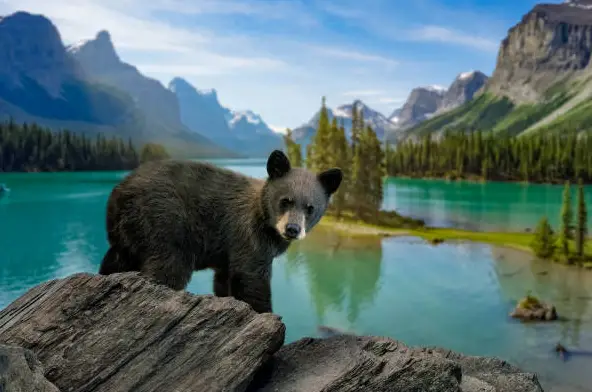
What are the best practices for responsible wildlife viewing in Canada?
Discover essential tips for responsible wildlife viewing in Canada. Respect habitats, minimize disturbances, and support conservation efforts. Start here!
Read More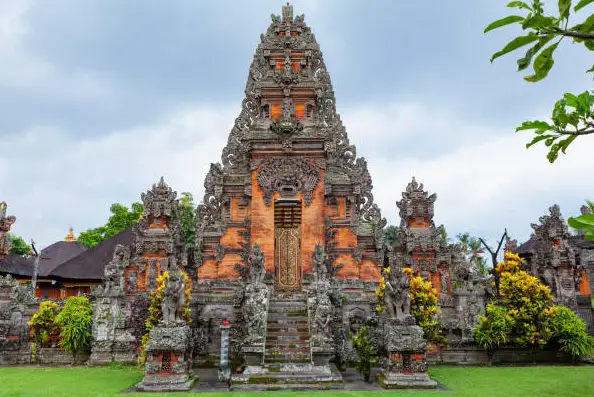
Things to do in bali.
Looking for the best things to do in Bali? Here we have curated the best things and places to visit in Bali on your vacation.
Read More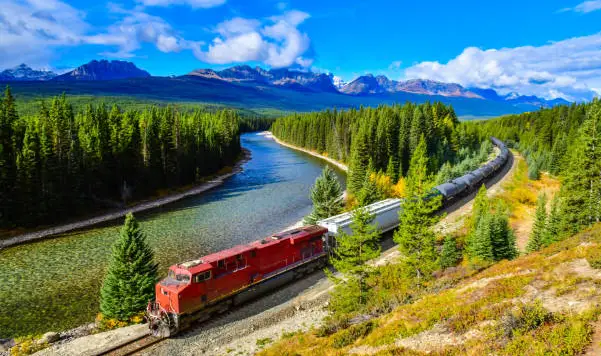
Are there any eco-friendly transportation options for traveling between provinces in Canada?
From electric vehicles and buses to cycling and passenger trains, find eco-friendly ways to journey across the country. Start your green adventure today!
Read More