What is the significance of the Treaty of Waitangi?

Post ByAdequate Travel
Summary
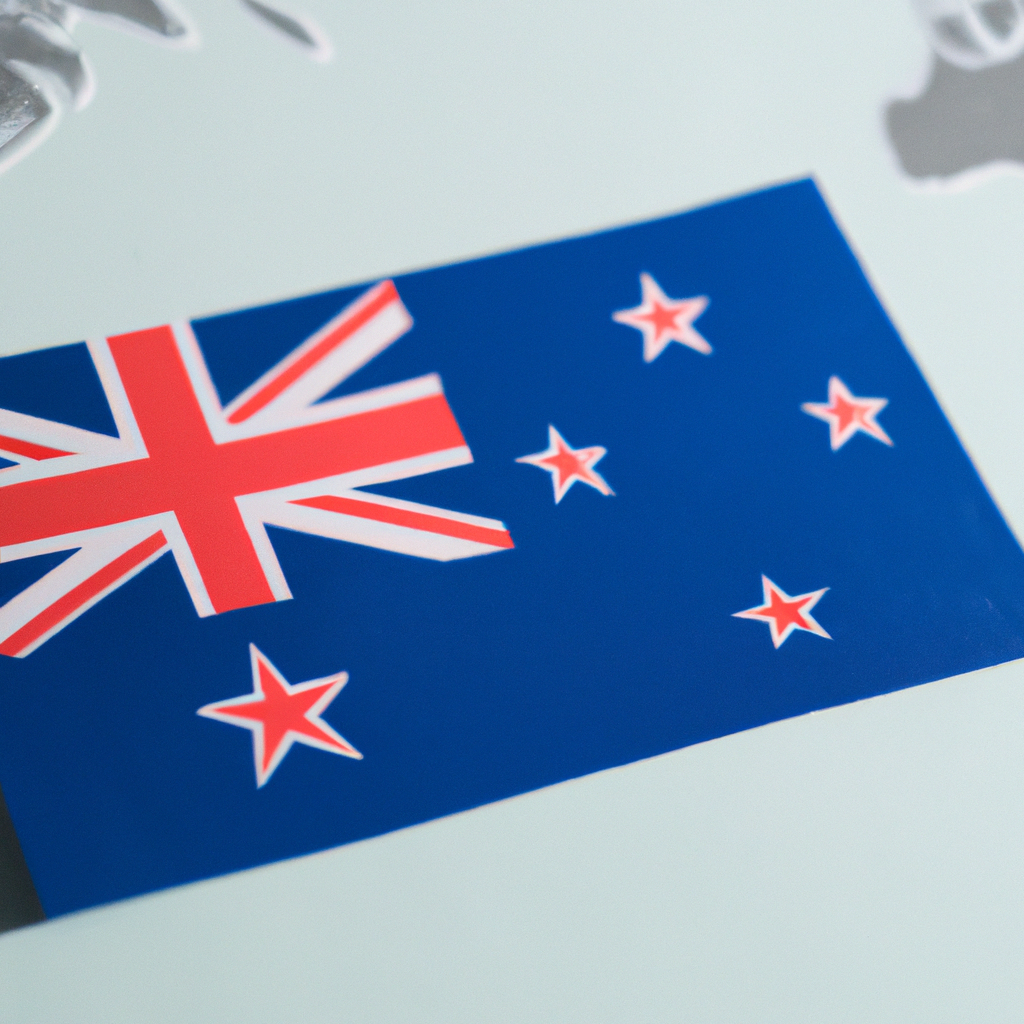
The Treaty of Waitangi, signed in 1840, is considered the founding document of New Zealand. It is of utmost importance to New Zealand as it symbolizes the partnership between the Maori people and the British Crown, and sets out the rights and responsibilities of both partners. This blog post will explore the significance of the Treaty of Waitangi and its impact on New Zealand society. Keep in mind that travel guidelines and travel rules may change anytime, so regularly check for updates to ensure a hassle-free and memorable travel experience.The Significance of the Treaty of Waitangi
1. Foundational Document:
The Treaty of Waitangi is a foundational document in New Zealand's history. It was signed on February 6, 1840, between Māori chiefs (representing many Māori tribes) and representatives of the British Crown. The treaty established a formal partnership between Māori and the British government in the governance of New Zealand.
2. Recognition of Māori Rights and Sovereignty:
The treaty recognized and affirmed the rights and sovereignty of Māori as the original inhabitants of New Zealand. It granted them the same rights and privileges as British subjects and sought to protect their land, resources, and cultural identity.
3. Land Ownership and Governance:
One of the significant aspects of the treaty was the protection of Māori land. Māori chiefs agreed to transfer their sovereignty to the British Crown in exchange for governing authority over their lands and resources. The treaty guaranteed that Māori would retain ownership and control over their lands unless they willingly sold or transferred it to the Crown.
4. Cultural Considerations:
The Treaty of Waitangi acknowledged the importance of Māori culture and customs. Māori were guaranteed the right to continue their way of life, language, and customary practices. The treaty recognized the unique partnership between Māori and the British Crown, acknowledging the significance of Māori culture in the development and governance of New Zealand.
5. Legal Framework:
The treaty forms the basis of New Zealand's legal framework. It established the principles of partnership, participation, and protection, which continue to guide government policies and decision-making processes today. The treaty's principles are recognized and incorporated within legislation, judicial decisions, and government actions.
Examples: The Treaty of Waitangi has had a significant impact on New Zealand's history and continues to shape the nation's relationship with its indigenous Māori population:
- Land Claims Settlements: The treaty has become a critical tool in addressing historical injustices and land confiscations suffered by Māori. The Waitangi Tribunal was established to investigate and make recommendations on treaty-related claims, resulting in settlements, reparations, and land return to Māori communities.
- Biculturalism and Multiculturalism: The treaty's principles have fostered a bicultural approach to governance and decision-making in New Zealand. Māori culture and language are integrated into various aspects of society, such as education, public services, and official documents, promoting a multicultural society that values and respects the Māori heritage.
- Relationship Between Crown and Māori: The treaty established a partnership between the British Crown and Māori, which continues to be emphasized and strengthened. Governments are obligated to engage and consult with Māori on issues that directly affect them, ensuring their voices are heard and their rights are protected.
Stay informed about any travel restrictions or travel rules in place, as they may vary depending on your destination within the country.Suggested Questions
- Christchurch Arts Centre Clock Tower, Christchurch: Horror Story, History & Paranomial Activities
- Victoria Street Bridge, Hamilton: Horror Story, History & Paranomial Activities
- The Napier Soundshell, Napier: Horror Story, History & Paranomial Activities
- Old St. Mary's Church, New Plymouth: Horror Story, History & Paranomial Activities
- The Nelson Provincial Museum, Nelson: Horror Story, History & Paranomial Activities
- The Old Hospital, Nelson: Horror Story, History & Paranomial Activities
Questions new-zealand
You may also like

15 Best Women Travel Bags: Reviewed & Tested- Get Expert Advice
Get the list of 15 best traveling bags for women. Know the size, material, durability, and other features of the bags.
Read More
12 Best Beaches in Uluwatu | Popular Uluwatu Beaches
Discover the allure of Uluwatu Beaches. Here is the list of the 12 best beaches in Uluwatu that will let you explore the best of Uluwatu's coastal treasures.
Read More
What are the best practices for responsible wildlife viewing in Canada?
Discover essential tips for responsible wildlife viewing in Canada. Respect habitats, minimize disturbances, and support conservation efforts. Start here!
Read More
Things to do in bali.
Looking for the best things to do in Bali? Here we have curated the best things and places to visit in Bali on your vacation.
Read More
Are there any eco-friendly transportation options for traveling between provinces in Canada?
From electric vehicles and buses to cycling and passenger trains, find eco-friendly ways to journey across the country. Start your green adventure today!
Read More
Are there any cultural considerations when seeking healthcare in Canada?
Let’s discuss the complexities of cultural considerations in Canadian healthcare. Explore language barriers, cultural beliefs, family dynamics, and access issues.
Read More
Can you recommend some basic Thai phrases for travellers?
In this article, we have included some of the easy and basic local Thai language for beginners.
Read More
What is the process for extending my stay if my treatment takes longer than expected in Canada?
Know the step-by-step process for extending your stay abroad if your medical treatment surpasses the initial timeline. Learn to manage unexpected situations with ease.
Read More
US Travel Advisory for Jamaica: Warns its travelers to reconsider visits
The US Embassy in Jamaica has issued a warning of armed robberies, home invasion, homicides, sexual assault, and other such violent crimes.
Read More
How do I handle transportation and accommodation arrangements during my medical trip?
Discover essential tips for managing transportation and accommodation arrangements seamlessly during your medical trip to Canada.
Read More