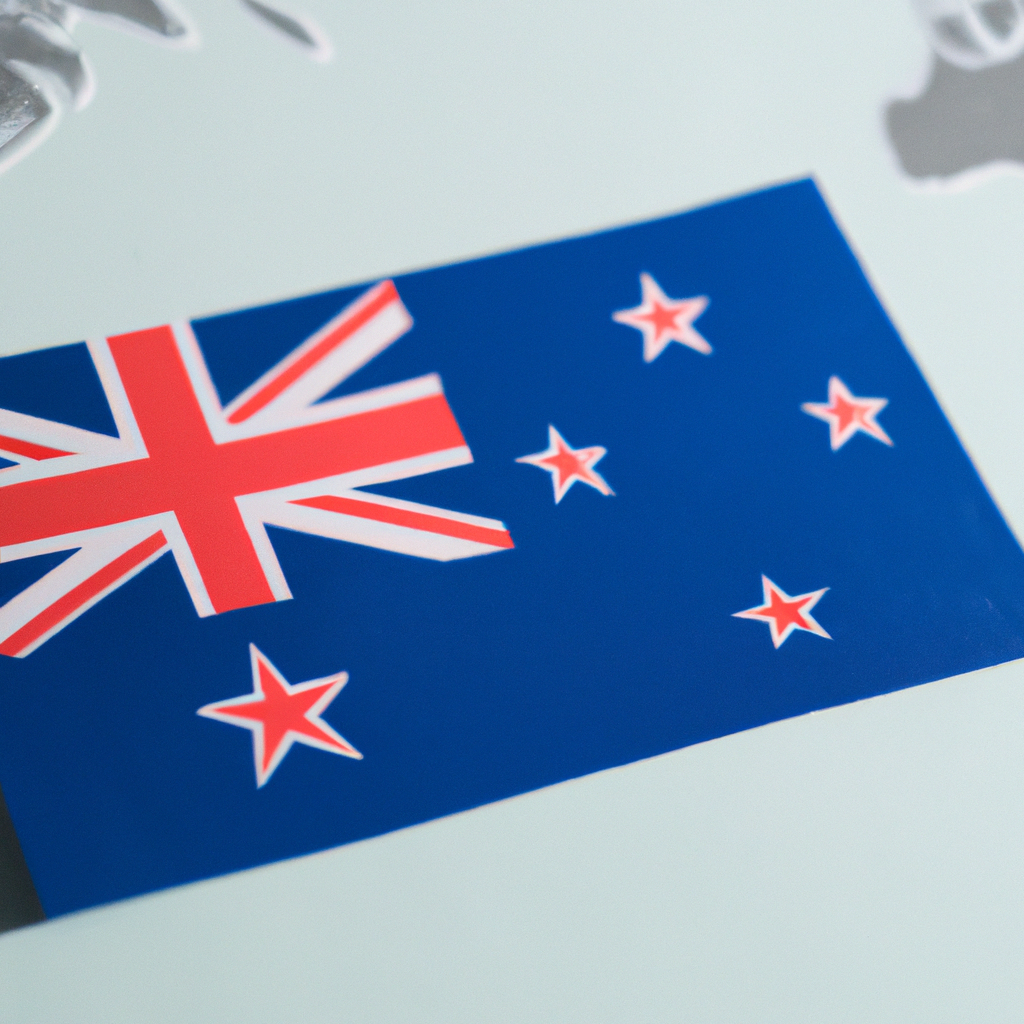
Planning and Preparation:

Post ByAdequate Travel
Summary
Having a plan and being prepared can be the difference between success and failure, especially when it comes to achieving those important career or personal goals. Planning and preparation should be an integral part of your life, ensuring that you are always ready for whatever comes your way. Read on to learn more about how to plan and prepare for success! While planning your trip, take note of any travel restrictions that may impact your itinerary, such as limited access to certain regions or attractions.Planning and Preparation:
Planning and preparation are crucial steps in any project or task. They involve carefully strategizing and organizing resources, timelines, and objectives to ensure successful execution. Here are some key points to consider when it comes to planning and preparation:
1. Setting clear goals and objectives:
Before starting any project, it's essential to determine the goals and objectives you want to achieve. These can be short-term or long-term, and they should be specific, measurable, achievable, relevant, and time-bound (SMART). Setting clear goals provides direction and focus, making it easier to plan for and assess progress.
2. Defining tasks and responsibilities:
Breaking down the project into smaller tasks helps in managing and delegating responsibilities effectively. Each task should have a specific purpose and contribute to the overall goal. Determine who will be responsible for each task and ensure that they have the necessary skills and resources to accomplish it.
3. Estimating time and resources:
Time and resource estimation is crucial for planning and organizing tasks. Estimate the amount of time required for each task and allocate resources accordingly, such as personnel, equipment, and finances. Consider potential risks and uncertainties that may affect the timeline or require additional resources.
4. Sequencing and scheduling tasks:
Arrange tasks in a logical sequence to ensure smooth execution. Define dependencies between tasks, determining which tasks need to be completed before others can begin. Create a schedule or timeline, including start and end dates for each task, milestones, and deadlines. This helps in tracking progress and ensuring timely completion.
5. Identifying potential risks and mitigation strategies:
Anticipate and identify potential risks and challenges that may arise during the project. Assess their potential impact and develop contingency plans or mitigation strategies to minimize their effects. Regularly review and update risk assessments throughout the project lifecycle.
Examples:
- Imagine you are planning a marketing campaign for a new product launch. Your goals would include increasing brand awareness, driving sales, and reaching a specific target audience.
- Tasks involved in the marketing campaign might include market research, creating marketing materials, designing ad campaigns, and running social media promotions.
- You estimate that the entire campaign will take six weeks to complete and will require a team of graphic designers, copywriters, and marketing specialists.
- You sequence the tasks, making sure that market research is completed before creating marketing materials and that the ad campaigns are designed before the social media promotions begin.
- Potential risks identified could include budget constraints, technical issues with advertising platforms, or competitor actions. To mitigate these risks, you might allocate additional budget reserves, test advertising platforms in advance, and monitor competitive activities closely.
Suggested Questions
- Ruapekapeka Pa, Northland: Horror Story, History & Paranomial Activities
- The Rotorua Museum, Rotorua: Horror Story, History & Paranomial Activities
- The Elms Mission House, Tauranga: Horror Story, History & Paranomial Activities
- The Port Chalmers Library, Port Chalmers: Horror Story, History & Paranomial Activities
- The Wellington Museum, Wellington: Horror Story, History & Paranomial Activities
- The Taranaki Street Wharf, Wellington: Horror Story, History & Paranomial Activities
Questions new-zealand
You may also like

15 Best Women Travel Bags: Reviewed & Tested- Get Expert Advice
Get the list of 15 best traveling bags for women. Know the size, material, durability, and other features of the bags.
Read More
12 Best Beaches in Uluwatu | Popular Uluwatu Beaches
Discover the allure of Uluwatu Beaches. Here is the list of the 12 best beaches in Uluwatu that will let you explore the best of Uluwatu's coastal treasures.
Read More
What are the best practices for responsible wildlife viewing in Canada?
Discover essential tips for responsible wildlife viewing in Canada. Respect habitats, minimize disturbances, and support conservation efforts. Start here!
Read More
Things to do in bali.
Looking for the best things to do in Bali? Here we have curated the best things and places to visit in Bali on your vacation.
Read More
Are there any eco-friendly transportation options for traveling between provinces in Canada?
From electric vehicles and buses to cycling and passenger trains, find eco-friendly ways to journey across the country. Start your green adventure today!
Read More
Are there any cultural considerations when seeking healthcare in Canada?
Let’s discuss the complexities of cultural considerations in Canadian healthcare. Explore language barriers, cultural beliefs, family dynamics, and access issues.
Read More
Can you recommend some basic Thai phrases for travellers?
In this article, we have included some of the easy and basic local Thai language for beginners.
Read More
What is the process for extending my stay if my treatment takes longer than expected in Canada?
Know the step-by-step process for extending your stay abroad if your medical treatment surpasses the initial timeline. Learn to manage unexpected situations with ease.
Read More
US Travel Advisory for Jamaica: Warns its travelers to reconsider visits
The US Embassy in Jamaica has issued a warning of armed robberies, home invasion, homicides, sexual assault, and other such violent crimes.
Read More
How do I handle transportation and accommodation arrangements during my medical trip?
Discover essential tips for managing transportation and accommodation arrangements seamlessly during your medical trip to Canada.
Read More