
What should I know about staying warm in extreme cold weather?

Post ByAdequate Travel
Summary
The winter weather can have brutal effects on our bodies if we're not dressed properly for the season! If you're going to be braving extreme cold temperatures, it's important to know what to wear and how to keep warm. In this blog, we'll talk about key tips and advice for staying warm in extreme cold weather. It's essential to stay updated with international travel information, especially when planning a foreign trip, to navigate any changes in travel advisory or travel warnings.1. Layering
Layering is essential for staying warm in extreme cold weather. It helps trap warm air close to your body and provides insulation. Here are a few tips for effective layering:
Start with a base layer made of moisture-wicking material like merino wool or synthetic fabrics. This helps keep your skin dry and prevents heat loss.
Add an insulating layer such as a fleece or down jacket. These materials provide excellent warmth by trapping air in their fibers.
Finally, wear an outer layer that is windproof and waterproof to protect against harsh weather conditions.
2. Protecting Extremities
Exposure to extreme cold can be especially dangerous for your extremities. Take the following steps to keep them warm:
Wear thermal socks or multiple pairs of regular socks to keep your feet warm.
Invest in insulated and waterproof boots to prevent heat loss and protect against moisture.
Use thermal gloves or mittens to protect your hands. Mittens provide more warmth than gloves as they allow your fingers to share body heat.
Wear a hat or beanie to keep your head warm. A significant amount of heat is lost through your head, so adequate coverage is crucial.
Use a scarf or neck gaiter to cover your neck and lower face from cold wind and prevent frostbite.
3. Proper Clothing Material
The right choice of clothing material can make a significant difference in staying warm in extreme cold weather:
Choose materials like wool or synthetic fabrics for your base and insulating layers as they provide better insulation than cotton.
Avoid cotton as it retains moisture and does not insulate well when wet, which can increase the risk of hypothermia.
Consider investing in down-filled or synthetic-filled jackets, as they are excellent at trapping heat and providing insulation.
4. Stay Dry
Keeping yourself dry is crucial in extreme cold weather to prevent heat loss and hypothermia:
Avoid sweating excessively by layering appropriately and adjusting it as your activity level changes.
If your clothes get wet from snow or perspiration, change into dry ones as soon as possible to prevent heat loss.
Use waterproof and breathable outer layers to protect against snow, sleet, and rain.
5. Stay Hydrated and Nourished
Proper hydration and nutrition help your body generate heat and keep you warm from the inside:
Drink plenty of fluids, even if you don't feel thirsty, as dehydration can affect your body's ability to regulate temperature.
Consume warm, high-calorie meals and snacks to provide your body with the energy it needs to stay warm.
Suggested Questions
You may also like

10 Best Cities in Sweden to Visit | Major Cities in Sweden
A nation of natural beauty, it is fitting with the wonderful coastline and old forests are home to such incredible cities of Sweden. The cities in Sweden offer old castles and temples while agnostic destinations in outskirt area. Beautiful cities … Continue reading
The post 10 Best Cities in Sweden to Visit | Major Cities in Sweden appeared first on World Tour & Travel Guide, Get Travel Tips, Information, Discover Travel Destination | Adequate Travel.
Read More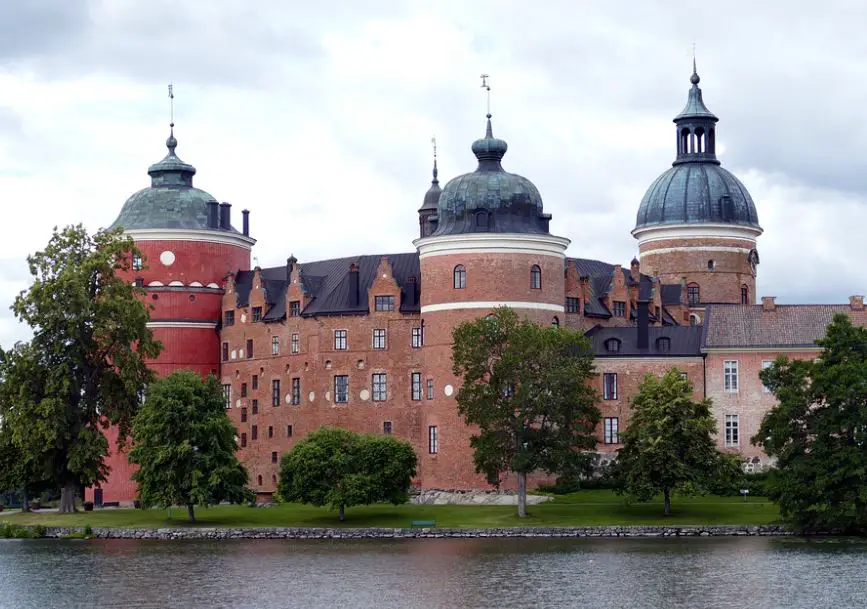
Famous Monuments in Sweden | Most Visited Monuments in Sweden
If you want to explore the history of Sweden through the ages there are a number of historical monuments in Sweden including the time-honored buildings, palaces, and parks where you can learn about the glorious past of Phuket. The presence … Continue reading
The post Famous Monuments in Sweden | Most Visited Monuments in Sweden appeared first on World Tour & Travel Guide, Get Travel Tips, Information, Discover Travel Destination | Adequate Travel.
Read More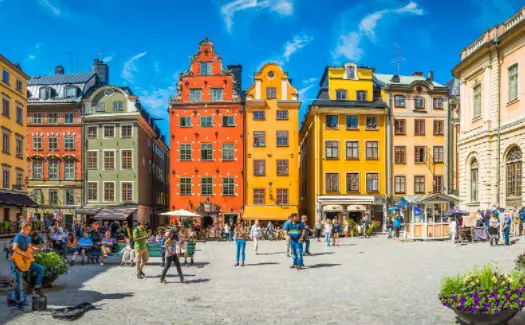
Latest Travel Restrictions to Sweden | Top 5 Places to Visit in Sweden
Sweden is a Scandinavian country that is known for its majestic snowy mountains, frozen glaciers, coastal islands, and inland lakes. There are numerous popular travel destinations in Sweden that any traveler will fancy exploring at least once in a lifetime. … Continue reading
The post Latest Travel Restrictions to Sweden | Top 5 Places to Visit in Sweden appeared first on World Tour & Travel Guide, Get Travel Tips, Information, Discover Travel Destination | Adequate Travel.
Read More
Top 12 Major Summer Festivals and Events in Sweden
With its long, dark winters, it is not surprising that the natives of Sweden would like to take advantage of the brighter, sunnier months. And with its endless coastal islands, inland lakes, vast boreal forests, and icy mountains, there is … Continue reading
The post Top 12 Major Summer Festivals and Events in Sweden appeared first on World Tour & Travel Guide, Get Travel Tips, Information, Discover Travel Destination | Adequate Travel.
Read More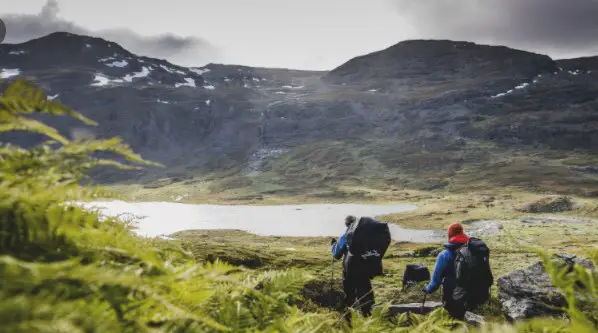
10 Best Thriller Outdoor Activities in Sweden You Musn’t Miss
Get yourself ready to face the best winter sports of Sweden because there are a lot of adrenaline-pumping winter tours coming your way! Sweden is the living wonderland that is unspoiled by the urban civilizations. Hence, there are a lot … Continue reading
The post 10 Best Thriller Outdoor Activities in Sweden You Musn’t Miss appeared first on World Tour & Travel Guide, Get Travel Tips, Information, Discover Travel Destination | Adequate Travel.
Read More
Top 12 Most Beautiful Islands in Sweden
Sweden has much more to offer different from the mainland. Though most of the area is covered with land, there is so much of an island in this country. You won’t believe that Sweden is the country with the maximum … Continue reading
The post Top 12 Most Beautiful Islands in Sweden appeared first on World Tour & Travel Guide, Get Travel Tips, Information, Discover Travel Destination | Adequate Travel.
Read More
Top 10 Famous Lakes in Sweden | Beautiful Lakes in Sweden
Sweden has nearly 1 lakh beautiful lakes that show the rich biodiversity and tropical existence of the country in the world. These lakes in Sweden are not only proven to be a good source of freshwater but also recognized as … Continue reading
The post Top 10 Famous Lakes in Sweden | Beautiful Lakes in Sweden appeared first on World Tour & Travel Guide, Get Travel Tips, Information, Discover Travel Destination | Adequate Travel.
Read More
15 Best Women Travel Bags: Reviewed & Tested- Get Expert Advice
Get the list of 15 best traveling bags for women. Know the size, material, durability, and other features of the bags.
Read More
12 Best Beaches in Uluwatu | Popular Uluwatu Beaches
Discover the allure of Uluwatu Beaches. Here is the list of the 12 best beaches in Uluwatu that will let you explore the best of Uluwatu's coastal treasures.
Read More
What are the best practices for responsible wildlife viewing in Canada?
Discover essential tips for responsible wildlife viewing in Canada. Respect habitats, minimize disturbances, and support conservation efforts. Start here!
Read More