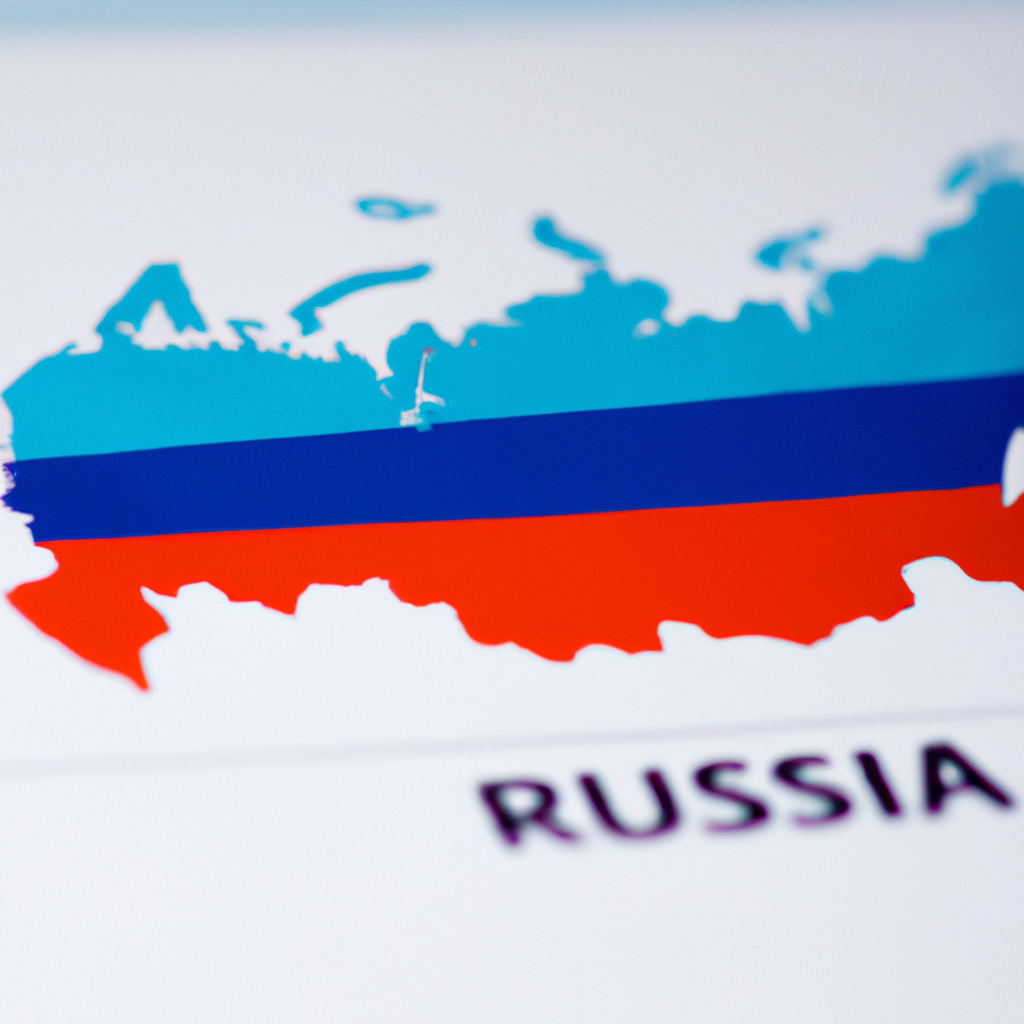
How can I learn about Russian cinema and filmmaking?

Post ByAdequate Travel
Summary
If you are looking to explore the world of Russian cinema and filmmaking, you may feel overwhelmed by the prospect of tackling such a vast and intimidating subject. However, we have compiled a few tips on the best ways to get started in learning about Russia's long and storied history of cinema and filmmaking. Before embarking on your journey to russia, make sure to check the latest travel guidelines and entry requirements to ensure a smooth trip1. Research the history of Russian cinema
Start by familiarizing yourself with the rich history of Russian cinema, which spans over a century. Study the key movements, influential filmmakers, and notable films that shaped Russian filmmaking.
For example, Sergei Eisenstein's groundbreaking film "Battleship Potemkin" (1925) is a defining work of Soviet montage theory and an essential piece to explore.
2. Watch classic Russian films
Immerse yourself in classic Russian films to gain insight into the unique aesthetics, themes, and storytelling techniques that define Russian cinema. Some iconic examples include:
- "Andrei Rublev" (1966) directed by Andrei Tarkovsky - a profound exploration of art, spirituality, and history.
- "The Mirror" (1975) also by Andrei Tarkovsky - a poetic and introspective film that blurs the boundaries of time and memory.
- "Stalker" (1979) by Andrei Tarkovsky - a philosophical science fiction film that delves into the human condition.
3. Study Russian filmmakers
Learn about the notable directors and their contributions to Russian cinema. Some influential directors include:
- Andrei Tarkovsky - known for his philosophical and meditative films.
- Sergei Eisenstein - a pioneer of montage theory and a crucial figure in early Soviet cinema.
- Aleksandr Sokurov - acclaimed for his visually stunning and introspective films.
Research their filmography, interviews, and critical analyses to understand their style and artistic vision.
4. Explore different eras and genres
Russian cinema encompasses a wide range of genres, from historical epics to avant-garde experiments. Explore the different eras and genres to appreciate the diverse approaches and themes in Russian filmmaking.
For instance, delve into Soviet-era propaganda films like "Alexander Nevsky" (1938) by Sergei Eisenstein, which reflects the political climate of that time.
5. Read books and scholarly articles
Expand your knowledge by reading academic books, essays, and scholarly articles on Russian cinema and filmmaking. These resources provide in-depth analysis and contextualization of the films and their cultural significance.
6. Attend film festivals and screenings
Participate in film festivals or screenings showcasing Russian cinema. This allows you to explore contemporary Russian films and engage in discussions with fellow film enthusiasts and experts.
7. Take online courses and join film forums
Enroll in online courses dedicated to Russian cinema or join film forums where you can interact with other learners and film experts. These platforms offer opportunities for discussions, recommendations, and further guidance in your learning journey.
By following these steps, you will gradually develop a comprehensive understanding of Russian cinema and filmmaking, both historically and in the contemporary context.Keep in mind that travel guidelines and travel rules may change anytime, so regularly check for updates to ensure a hassle-free and memorable travel experience.Suggested Questions
You may also like

10 Best Cities in Sweden to Visit | Major Cities in Sweden
A nation of natural beauty, it is fitting with the wonderful coastline and old forests are home to such incredible cities of Sweden. The cities in Sweden offer old castles and temples while agnostic destinations in outskirt area. Beautiful cities … Continue reading
The post 10 Best Cities in Sweden to Visit | Major Cities in Sweden appeared first on World Tour & Travel Guide, Get Travel Tips, Information, Discover Travel Destination | Adequate Travel.
Read More
Famous Monuments in Sweden | Most Visited Monuments in Sweden
If you want to explore the history of Sweden through the ages there are a number of historical monuments in Sweden including the time-honored buildings, palaces, and parks where you can learn about the glorious past of Phuket. The presence … Continue reading
The post Famous Monuments in Sweden | Most Visited Monuments in Sweden appeared first on World Tour & Travel Guide, Get Travel Tips, Information, Discover Travel Destination | Adequate Travel.
Read More
Latest Travel Restrictions to Sweden | Top 5 Places to Visit in Sweden
Sweden is a Scandinavian country that is known for its majestic snowy mountains, frozen glaciers, coastal islands, and inland lakes. There are numerous popular travel destinations in Sweden that any traveler will fancy exploring at least once in a lifetime. … Continue reading
The post Latest Travel Restrictions to Sweden | Top 5 Places to Visit in Sweden appeared first on World Tour & Travel Guide, Get Travel Tips, Information, Discover Travel Destination | Adequate Travel.
Read More
Top 12 Major Summer Festivals and Events in Sweden
With its long, dark winters, it is not surprising that the natives of Sweden would like to take advantage of the brighter, sunnier months. And with its endless coastal islands, inland lakes, vast boreal forests, and icy mountains, there is … Continue reading
The post Top 12 Major Summer Festivals and Events in Sweden appeared first on World Tour & Travel Guide, Get Travel Tips, Information, Discover Travel Destination | Adequate Travel.
Read More
10 Best Thriller Outdoor Activities in Sweden You Musn’t Miss
Get yourself ready to face the best winter sports of Sweden because there are a lot of adrenaline-pumping winter tours coming your way! Sweden is the living wonderland that is unspoiled by the urban civilizations. Hence, there are a lot … Continue reading
The post 10 Best Thriller Outdoor Activities in Sweden You Musn’t Miss appeared first on World Tour & Travel Guide, Get Travel Tips, Information, Discover Travel Destination | Adequate Travel.
Read More
Top 12 Most Beautiful Islands in Sweden
Sweden has much more to offer different from the mainland. Though most of the area is covered with land, there is so much of an island in this country. You won’t believe that Sweden is the country with the maximum … Continue reading
The post Top 12 Most Beautiful Islands in Sweden appeared first on World Tour & Travel Guide, Get Travel Tips, Information, Discover Travel Destination | Adequate Travel.
Read More
Top 10 Famous Lakes in Sweden | Beautiful Lakes in Sweden
Sweden has nearly 1 lakh beautiful lakes that show the rich biodiversity and tropical existence of the country in the world. These lakes in Sweden are not only proven to be a good source of freshwater but also recognized as … Continue reading
The post Top 10 Famous Lakes in Sweden | Beautiful Lakes in Sweden appeared first on World Tour & Travel Guide, Get Travel Tips, Information, Discover Travel Destination | Adequate Travel.
Read More
15 Best Women Travel Bags: Reviewed & Tested- Get Expert Advice
Get the list of 15 best traveling bags for women. Know the size, material, durability, and other features of the bags.
Read More
12 Best Beaches in Uluwatu | Popular Uluwatu Beaches
Discover the allure of Uluwatu Beaches. Here is the list of the 12 best beaches in Uluwatu that will let you explore the best of Uluwatu's coastal treasures.
Read More
What are the best practices for responsible wildlife viewing in Canada?
Discover essential tips for responsible wildlife viewing in Canada. Respect habitats, minimize disturbances, and support conservation efforts. Start here!
Read More