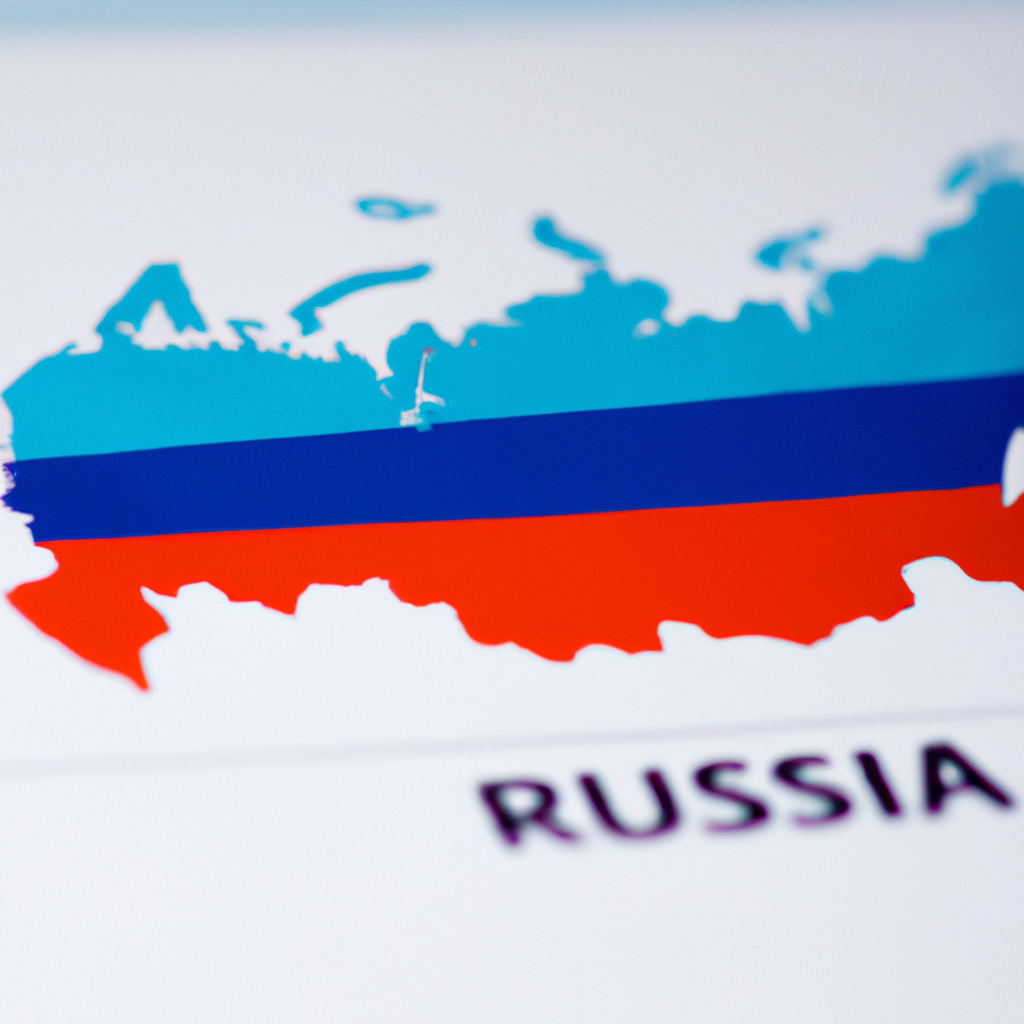
What should I know about bargaining in Russian markets?

Post ByAdequate Travel
Summary
Are you planning a trip to a Russian market and looking to hone your bargaining skills? Bargaining is an essential part of the Russian market experience, and it's important to know in order to get the best deal. In this blog, we'll discuss the "dos and don'ts," as well as pro bargaining tips to ensure you get the best deal. As you prepare for your journey, familiarize yourself with the specific entry requirements, including any necessary visas or documentation.Understanding the Culture
1. Bargaining is common: Bargaining is a fundamental part of the Russian market culture. It is expected that customers negotiate in order to reach a mutually agreed-upon price.2. Building relationships: Russians value personal connections and building rapport is crucial in bargaining. Being polite, friendly, and showing respect can help establish a positive atmosphere for negotiations.3. Confidence and persistence: It is essential to appear confident and persistent while negotiating in Russian markets. Demonstrating your determination to get a fair price can work to your advantage.4. Understanding price expectations: Before entering negotiations, it is helpful to gain knowledge about the general market prices for the product you are interested in. This knowledge will enable you to assess the reasonability of the initial price offered by the seller.Practical Tips for Bargaining
1. Start with a lower offer: Begin the negotiation by offering a lower price than what you are willing to pay. This provides room for the seller to counteroffer and for you to eventually meet in the middle.Example: If you are interested in purchasing a souvenir priced at 1000 rubles, you can begin by offering 600-700 rubles.2. Use non-verbal cues: Non-verbal cues like hesitation, mild disappointment, or walking away can indicate that you are unsatisfied with the price. This may encourage the seller to lower their asking price.Example: After the seller quotes a price, you can express a slight disappointment through facial expressions or body language.3. Maintain a respectful tone: Keeping the negotiation process respectful is crucial. Avoid being too aggressive or showing impatience as it may hinder the bargaining process.Example: Use phrases like "Is there any possibility for a better price?" or "Can we find a compromise?"4. Bundle items: If you plan to purchase multiple items from the same seller, try to negotiate a package deal for a lower overall price. This offers the seller an opportunity to make a larger sale while giving you a chance to receive a discount.Example: If you are buying several handmade crafts, discuss the possibility of a discounted total price for the whole purchase.5. Be ready to walk away: Sometimes, sellers may not agree to your desired price. In such cases, be prepared to walk away if you feel the price is not reasonable. This might lead the seller to rethink their offer and potentially call you back with a better price.Example: Politely express your gratitude and mention that while you appreciate the product, the price is beyond your budget. Start walking away, leaving room for the seller to reconsider.As you prepare for your journey, familiarize yourself with the specific entry requirements, including any necessary visas or documentation.Suggested Questions
You may also like

10 Best Cities in Sweden to Visit | Major Cities in Sweden
A nation of natural beauty, it is fitting with the wonderful coastline and old forests are home to such incredible cities of Sweden. The cities in Sweden offer old castles and temples while agnostic destinations in outskirt area. Beautiful cities … Continue reading
The post 10 Best Cities in Sweden to Visit | Major Cities in Sweden appeared first on World Tour & Travel Guide, Get Travel Tips, Information, Discover Travel Destination | Adequate Travel.
Read More
Famous Monuments in Sweden | Most Visited Monuments in Sweden
If you want to explore the history of Sweden through the ages there are a number of historical monuments in Sweden including the time-honored buildings, palaces, and parks where you can learn about the glorious past of Phuket. The presence … Continue reading
The post Famous Monuments in Sweden | Most Visited Monuments in Sweden appeared first on World Tour & Travel Guide, Get Travel Tips, Information, Discover Travel Destination | Adequate Travel.
Read More
Latest Travel Restrictions to Sweden | Top 5 Places to Visit in Sweden
Sweden is a Scandinavian country that is known for its majestic snowy mountains, frozen glaciers, coastal islands, and inland lakes. There are numerous popular travel destinations in Sweden that any traveler will fancy exploring at least once in a lifetime. … Continue reading
The post Latest Travel Restrictions to Sweden | Top 5 Places to Visit in Sweden appeared first on World Tour & Travel Guide, Get Travel Tips, Information, Discover Travel Destination | Adequate Travel.
Read More
Top 12 Major Summer Festivals and Events in Sweden
With its long, dark winters, it is not surprising that the natives of Sweden would like to take advantage of the brighter, sunnier months. And with its endless coastal islands, inland lakes, vast boreal forests, and icy mountains, there is … Continue reading
The post Top 12 Major Summer Festivals and Events in Sweden appeared first on World Tour & Travel Guide, Get Travel Tips, Information, Discover Travel Destination | Adequate Travel.
Read More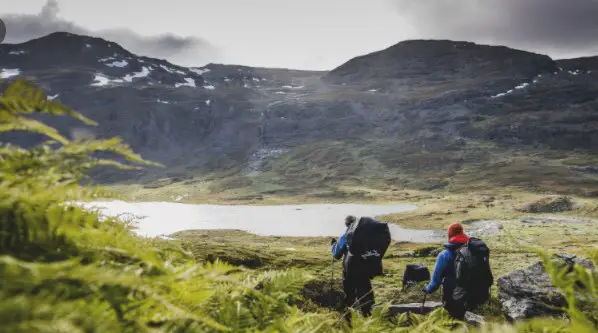
10 Best Thriller Outdoor Activities in Sweden You Musn’t Miss
Get yourself ready to face the best winter sports of Sweden because there are a lot of adrenaline-pumping winter tours coming your way! Sweden is the living wonderland that is unspoiled by the urban civilizations. Hence, there are a lot … Continue reading
The post 10 Best Thriller Outdoor Activities in Sweden You Musn’t Miss appeared first on World Tour & Travel Guide, Get Travel Tips, Information, Discover Travel Destination | Adequate Travel.
Read More
Top 12 Most Beautiful Islands in Sweden
Sweden has much more to offer different from the mainland. Though most of the area is covered with land, there is so much of an island in this country. You won’t believe that Sweden is the country with the maximum … Continue reading
The post Top 12 Most Beautiful Islands in Sweden appeared first on World Tour & Travel Guide, Get Travel Tips, Information, Discover Travel Destination | Adequate Travel.
Read More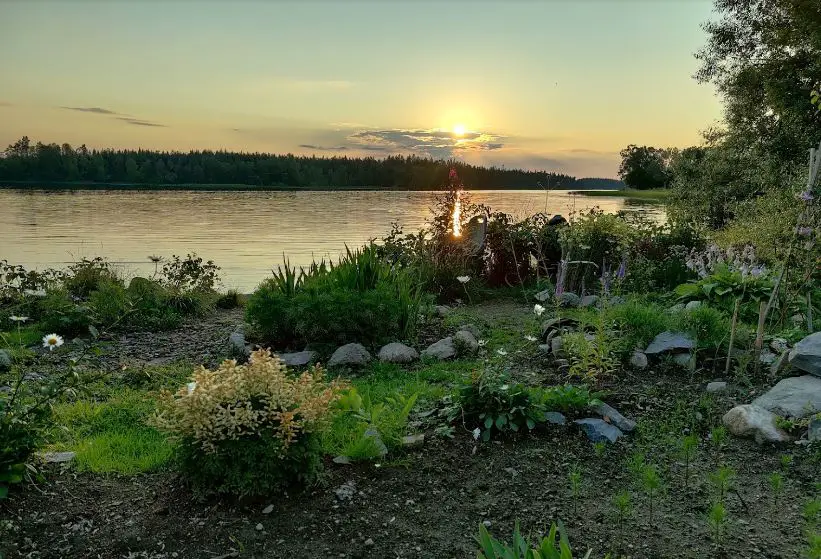
Top 10 Famous Lakes in Sweden | Beautiful Lakes in Sweden
Sweden has nearly 1 lakh beautiful lakes that show the rich biodiversity and tropical existence of the country in the world. These lakes in Sweden are not only proven to be a good source of freshwater but also recognized as … Continue reading
The post Top 10 Famous Lakes in Sweden | Beautiful Lakes in Sweden appeared first on World Tour & Travel Guide, Get Travel Tips, Information, Discover Travel Destination | Adequate Travel.
Read More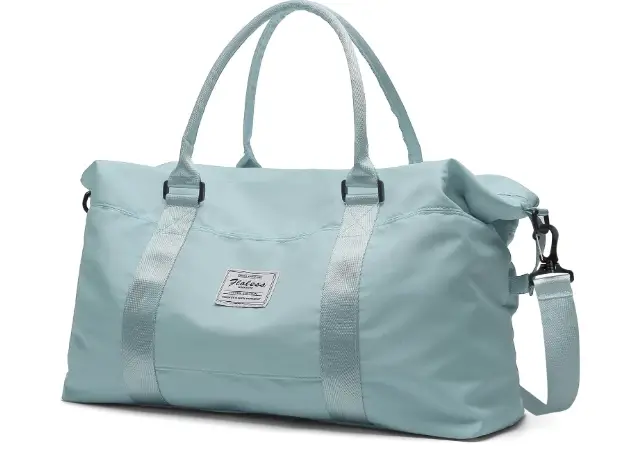
15 Best Women Travel Bags: Reviewed & Tested- Get Expert Advice
Get the list of 15 best traveling bags for women. Know the size, material, durability, and other features of the bags.
Read More
12 Best Beaches in Uluwatu | Popular Uluwatu Beaches
Discover the allure of Uluwatu Beaches. Here is the list of the 12 best beaches in Uluwatu that will let you explore the best of Uluwatu's coastal treasures.
Read More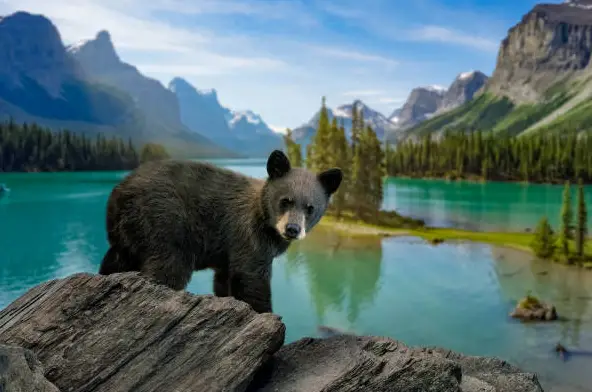
What are the best practices for responsible wildlife viewing in Canada?
Discover essential tips for responsible wildlife viewing in Canada. Respect habitats, minimize disturbances, and support conservation efforts. Start here!
Read More