
What are the best ways to get around in rural areas?

Post ByAdequate Travel
Summary
Travelling around rural areas always poses a challenge. Taking public transport may not be convenient and owning a car is an added expense. In this blog post, we will discuss the best ways to get around in rural areas. We will explore transportation options such as ride-sharing services, carpooling, walking, and using bicycles. As you prepare for your journey, familiarize yourself with the specific entry requirements, including any necessary visas or documentation.1. Private Vehicle:
One of the best ways to get around in rural areas is by using a private vehicle. It provides flexibility and convenience, allowing you to explore remote locations and villages at your own pace. With a private vehicle, you can easily access different attractions and plan your travel itinerary according to your preferences.
2. Local Bus Service:
In many rural areas, there are local bus services that connect various towns and villages. These buses are usually affordable and a popular mode of transportation for residents. They can be a convenient option for travelers too, as they provide an opportunity to interact with the local community and experience the rural lifestyle.
3. Cycling:
Cycling is a sustainable and healthy way to explore rural areas. It allows you to connect with nature, enjoy scenic routes, and discover hidden gems that might be inaccessible by other means of transportation. Many rural areas have dedicated cycling paths or less congested roads suitable for cycling.
4. Walking:
Walking is a great way to immerse yourself in the rural environment. It offers a slower-paced experience, allowing you to appreciate the beauty of the landscapes, interact with locals, and discover off-the-beaten-path attractions. For shorter distances or when exploring small villages, walking can be the most practical option.
5. Motorbike or Scooter:
In some rural areas, renting a motorbike or scooter can be a popular and efficient way to get around. It provides freedom to explore remote areas and scenic routes, especially in regions with well-maintained roads and infrastructure suitable for two-wheeled vehicles.
6. Hitchhiking:
Hitchhiking can be a viable option in rural areas, where it is considered safe and accepted by local communities. It allows you to catch a ride with passing vehicles and connect with the locals. However, it is crucial to prioritize your safety, and it might not always be a reliable mode of transportation.
7. Local Taxis or Ridesharing Services:
In certain rural areas, local taxis or ridesharing services might be available. These can be pre-booked or hailed on-demand, providing a convenient way to get around, especially when public transport options are limited.
8. Chartered Vehicles:
For larger groups or specific itineraries, chartering a vehicle such as a minivan or a jeep with a driver can be a suitable option. It offers flexibility in terms of routes and schedules, ensuring a tailored experience for exploring rural areas.
Keep in mind that the availability and suitability of these transportation options may vary depending on the specific rural area, local regulations, and infrastructure. It is advisable to research and plan in advance to determine the most appropriate mode of transportation for your destination.It's essential to stay updated with international travel information, especially when planning a foreign trip, to navigate any changes in travel advisory or travel warnings.Suggested Questions
You may also like

10 Best Cities in Sweden to Visit | Major Cities in Sweden
A nation of natural beauty, it is fitting with the wonderful coastline and old forests are home to such incredible cities of Sweden. The cities in Sweden offer old castles and temples while agnostic destinations in outskirt area. Beautiful cities … Continue reading
The post 10 Best Cities in Sweden to Visit | Major Cities in Sweden appeared first on World Tour & Travel Guide, Get Travel Tips, Information, Discover Travel Destination | Adequate Travel.
Read More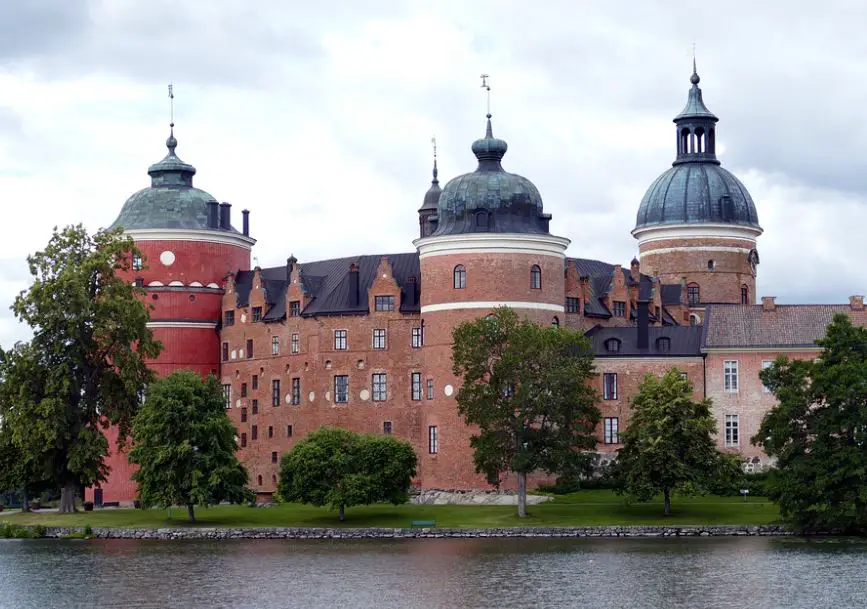
Famous Monuments in Sweden | Most Visited Monuments in Sweden
If you want to explore the history of Sweden through the ages there are a number of historical monuments in Sweden including the time-honored buildings, palaces, and parks where you can learn about the glorious past of Phuket. The presence … Continue reading
The post Famous Monuments in Sweden | Most Visited Monuments in Sweden appeared first on World Tour & Travel Guide, Get Travel Tips, Information, Discover Travel Destination | Adequate Travel.
Read More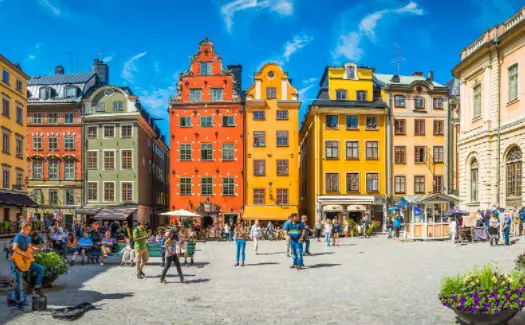
Latest Travel Restrictions to Sweden | Top 5 Places to Visit in Sweden
Sweden is a Scandinavian country that is known for its majestic snowy mountains, frozen glaciers, coastal islands, and inland lakes. There are numerous popular travel destinations in Sweden that any traveler will fancy exploring at least once in a lifetime. … Continue reading
The post Latest Travel Restrictions to Sweden | Top 5 Places to Visit in Sweden appeared first on World Tour & Travel Guide, Get Travel Tips, Information, Discover Travel Destination | Adequate Travel.
Read More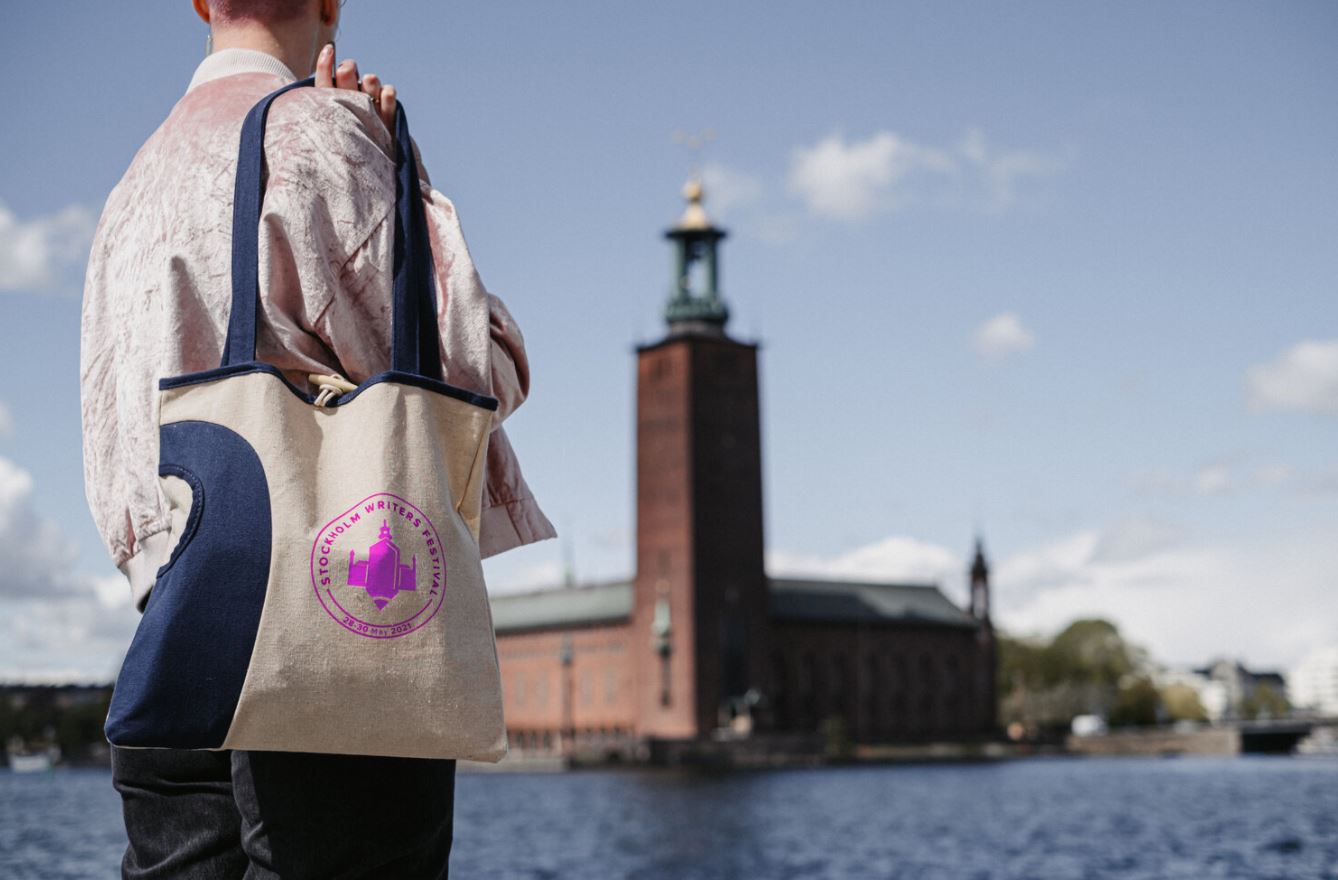
Top 12 Major Summer Festivals and Events in Sweden
With its long, dark winters, it is not surprising that the natives of Sweden would like to take advantage of the brighter, sunnier months. And with its endless coastal islands, inland lakes, vast boreal forests, and icy mountains, there is … Continue reading
The post Top 12 Major Summer Festivals and Events in Sweden appeared first on World Tour & Travel Guide, Get Travel Tips, Information, Discover Travel Destination | Adequate Travel.
Read More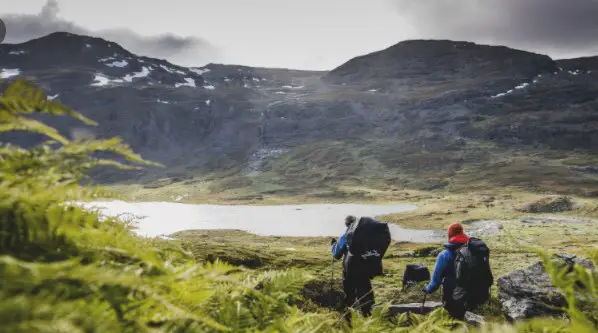
10 Best Thriller Outdoor Activities in Sweden You Musn’t Miss
Get yourself ready to face the best winter sports of Sweden because there are a lot of adrenaline-pumping winter tours coming your way! Sweden is the living wonderland that is unspoiled by the urban civilizations. Hence, there are a lot … Continue reading
The post 10 Best Thriller Outdoor Activities in Sweden You Musn’t Miss appeared first on World Tour & Travel Guide, Get Travel Tips, Information, Discover Travel Destination | Adequate Travel.
Read More
Top 12 Most Beautiful Islands in Sweden
Sweden has much more to offer different from the mainland. Though most of the area is covered with land, there is so much of an island in this country. You won’t believe that Sweden is the country with the maximum … Continue reading
The post Top 12 Most Beautiful Islands in Sweden appeared first on World Tour & Travel Guide, Get Travel Tips, Information, Discover Travel Destination | Adequate Travel.
Read More
Top 10 Famous Lakes in Sweden | Beautiful Lakes in Sweden
Sweden has nearly 1 lakh beautiful lakes that show the rich biodiversity and tropical existence of the country in the world. These lakes in Sweden are not only proven to be a good source of freshwater but also recognized as … Continue reading
The post Top 10 Famous Lakes in Sweden | Beautiful Lakes in Sweden appeared first on World Tour & Travel Guide, Get Travel Tips, Information, Discover Travel Destination | Adequate Travel.
Read More
15 Best Women Travel Bags: Reviewed & Tested- Get Expert Advice
Get the list of 15 best traveling bags for women. Know the size, material, durability, and other features of the bags.
Read More
12 Best Beaches in Uluwatu | Popular Uluwatu Beaches
Discover the allure of Uluwatu Beaches. Here is the list of the 12 best beaches in Uluwatu that will let you explore the best of Uluwatu's coastal treasures.
Read More
What are the best practices for responsible wildlife viewing in Canada?
Discover essential tips for responsible wildlife viewing in Canada. Respect habitats, minimize disturbances, and support conservation efforts. Start here!
Read More