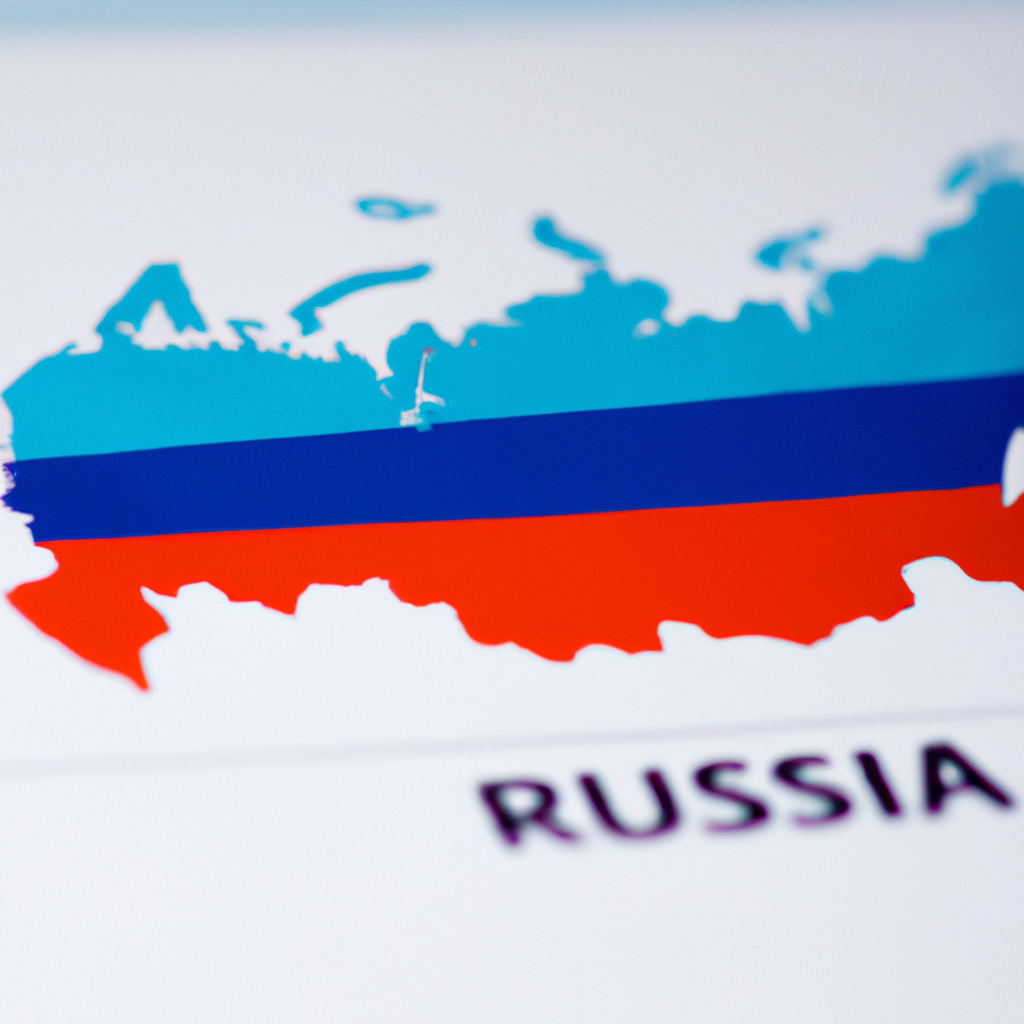
Russian Volga Region:

Post ByAdequate Travel
Summary
The Volga region in Russia is known for its vibrant culture and interesting history. This region has seen a wide range of different peoples and civilizations, from the Golden Horde to the Banakar dynasty, and is now an important part of modern Russia. Explore the Volga region's culture, history, and attractions in this blog! Before embarking on your journey to russia, make sure to check the latest travel guidelines and entry requirements to ensure a smooth tripRussian Volga Region
1. Introduction
The Russian Volga Region is one of the eight federal districts of Russia. It is located in the central part of the country and covers a vast territory along the Volga River. This region has a rich history and diverse cultural heritage.
2. Geographic features
The Volga Region is characterized by its vast plains, abundant water resources, and diverse landscapes. The Volga River, the longest river in Europe, flows through the region, providing opportunities for transportation, irrigation, and hydroelectric power.
3. Economic significance
The Volga Region is an important industrial and agricultural hub in Russia. It has a well-developed transportation infrastructure, including major ports along the Volga River. The region is known for its oil and gas reserves, as well as for industries such as automotive manufacturing, chemical production, and agriculture.
4. Cultural diversity
The Volga Region is home to various ethnic groups and cultures. Russians, Tatars, Ukrainians, Chuvash, and Mordvins are among the major ethnic groups residing in this region. Each group contributes to the vibrant cultural tapestry of the area, enriching it with their traditions, languages, cuisine, and festivals.
5. Tourism attractions
The Volga Region offers numerous attractions for tourists. Cities like Kazan, Samara, and Nizhny Novgorod showcase a blend of architectural styles, including Russian Orthodox churches, Tatar mosques, and Soviet-era buildings. The region also boasts picturesque natural sites, such as the Volga-Kama Nature Reserve and the Samarskaya Luka National Park.
6. Historical significance
The Volga Region played a crucial role in Russian history. It was a major trade route during medieval times and witnessed the formation of powerful states like the Golden Horde and the Khanate of Kazan. Additionally, several battles took place in this region, shaping Russia's destiny.
7. Challenges and future prospects
Despite its significance, the Volga Region faces challenges such as environmental pollution, economic disparities, and population decline in some areas. However, efforts are being made to address these issues and promote sustainable development. The region has potential for growth in sectors such as tourism, agriculture, and innovation.
In summary, the Russian Volga Region is an important and diverse part of Russia, known for its historical, cultural, and economic significance. Its geographic features, cultural diversity, and tourist attractions make it a fascinating destination, despite the challenges it faces.Travellers can find valuable travel information for tourists, such as local customs, must-see attractions, and dining recommendations, to make the most of their trip.Suggested Questions
You may also like

10 Best Cities in Sweden to Visit | Major Cities in Sweden
A nation of natural beauty, it is fitting with the wonderful coastline and old forests are home to such incredible cities of Sweden. The cities in Sweden offer old castles and temples while agnostic destinations in outskirt area. Beautiful cities … Continue reading
The post 10 Best Cities in Sweden to Visit | Major Cities in Sweden appeared first on World Tour & Travel Guide, Get Travel Tips, Information, Discover Travel Destination | Adequate Travel.
Read More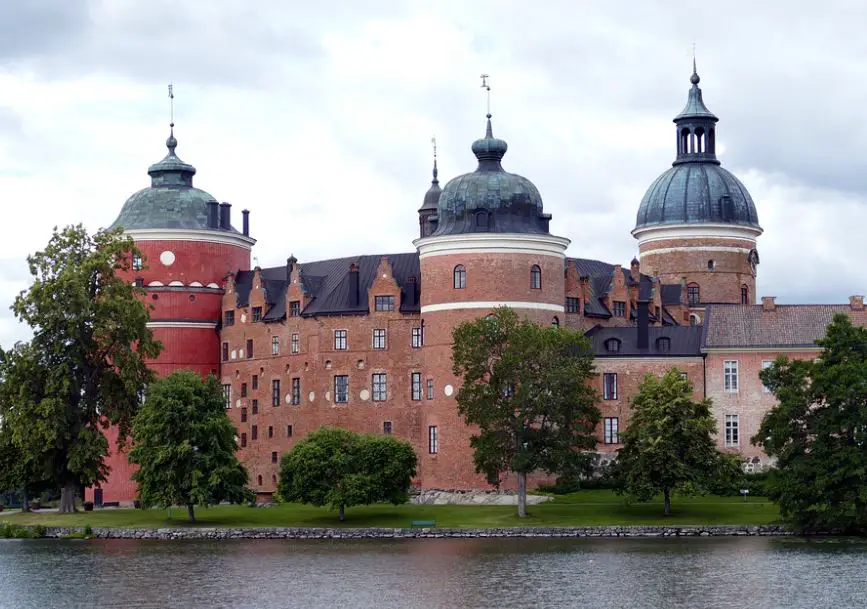
Famous Monuments in Sweden | Most Visited Monuments in Sweden
If you want to explore the history of Sweden through the ages there are a number of historical monuments in Sweden including the time-honored buildings, palaces, and parks where you can learn about the glorious past of Phuket. The presence … Continue reading
The post Famous Monuments in Sweden | Most Visited Monuments in Sweden appeared first on World Tour & Travel Guide, Get Travel Tips, Information, Discover Travel Destination | Adequate Travel.
Read More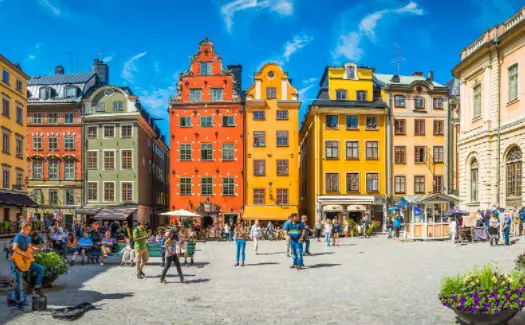
Latest Travel Restrictions to Sweden | Top 5 Places to Visit in Sweden
Sweden is a Scandinavian country that is known for its majestic snowy mountains, frozen glaciers, coastal islands, and inland lakes. There are numerous popular travel destinations in Sweden that any traveler will fancy exploring at least once in a lifetime. … Continue reading
The post Latest Travel Restrictions to Sweden | Top 5 Places to Visit in Sweden appeared first on World Tour & Travel Guide, Get Travel Tips, Information, Discover Travel Destination | Adequate Travel.
Read More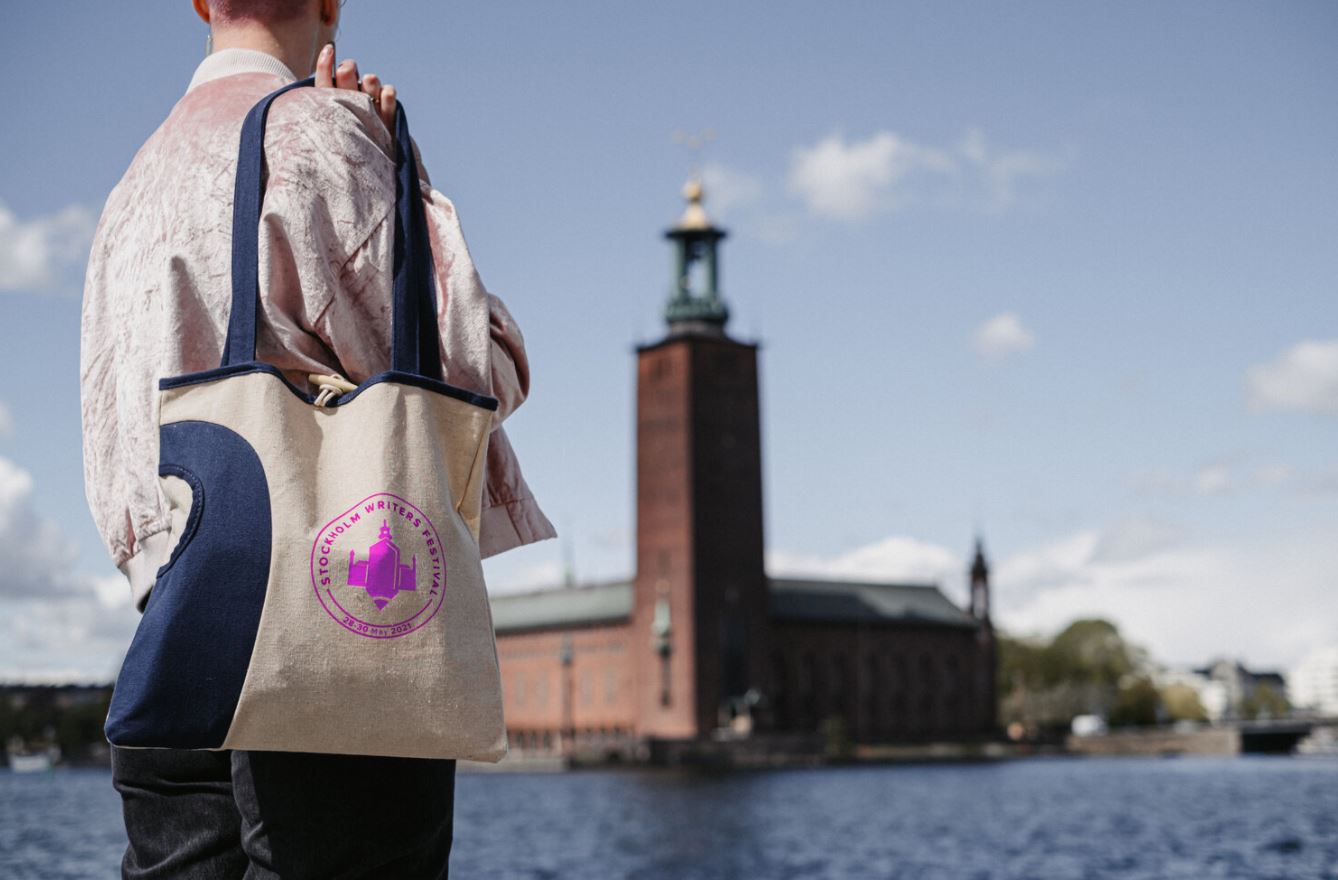
Top 12 Major Summer Festivals and Events in Sweden
With its long, dark winters, it is not surprising that the natives of Sweden would like to take advantage of the brighter, sunnier months. And with its endless coastal islands, inland lakes, vast boreal forests, and icy mountains, there is … Continue reading
The post Top 12 Major Summer Festivals and Events in Sweden appeared first on World Tour & Travel Guide, Get Travel Tips, Information, Discover Travel Destination | Adequate Travel.
Read More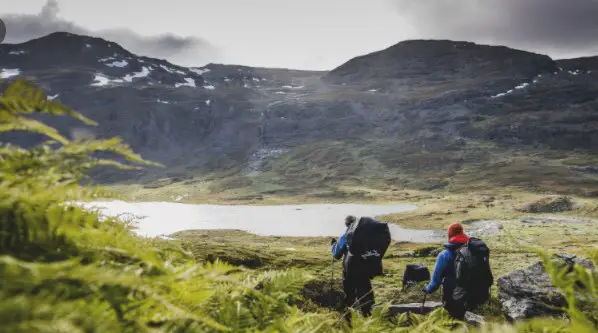
10 Best Thriller Outdoor Activities in Sweden You Musn’t Miss
Get yourself ready to face the best winter sports of Sweden because there are a lot of adrenaline-pumping winter tours coming your way! Sweden is the living wonderland that is unspoiled by the urban civilizations. Hence, there are a lot … Continue reading
The post 10 Best Thriller Outdoor Activities in Sweden You Musn’t Miss appeared first on World Tour & Travel Guide, Get Travel Tips, Information, Discover Travel Destination | Adequate Travel.
Read More
Top 12 Most Beautiful Islands in Sweden
Sweden has much more to offer different from the mainland. Though most of the area is covered with land, there is so much of an island in this country. You won’t believe that Sweden is the country with the maximum … Continue reading
The post Top 12 Most Beautiful Islands in Sweden appeared first on World Tour & Travel Guide, Get Travel Tips, Information, Discover Travel Destination | Adequate Travel.
Read More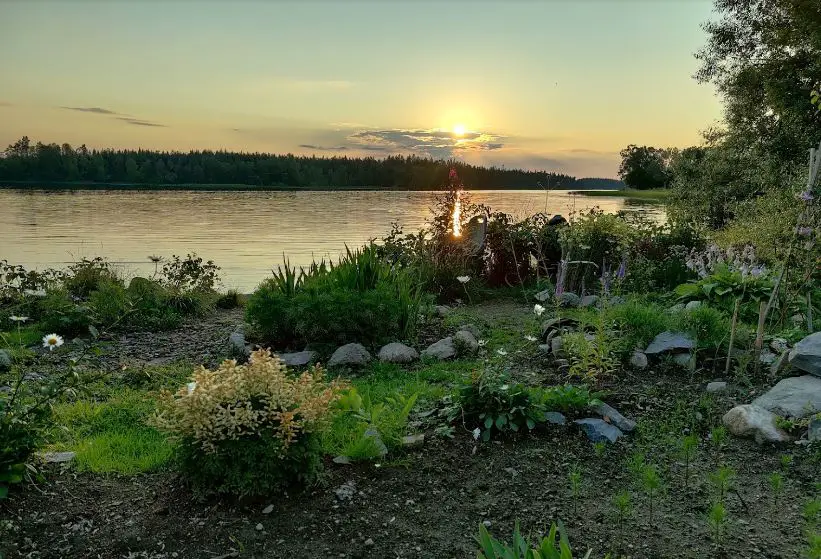
Top 10 Famous Lakes in Sweden | Beautiful Lakes in Sweden
Sweden has nearly 1 lakh beautiful lakes that show the rich biodiversity and tropical existence of the country in the world. These lakes in Sweden are not only proven to be a good source of freshwater but also recognized as … Continue reading
The post Top 10 Famous Lakes in Sweden | Beautiful Lakes in Sweden appeared first on World Tour & Travel Guide, Get Travel Tips, Information, Discover Travel Destination | Adequate Travel.
Read More
15 Best Women Travel Bags: Reviewed & Tested- Get Expert Advice
Get the list of 15 best traveling bags for women. Know the size, material, durability, and other features of the bags.
Read More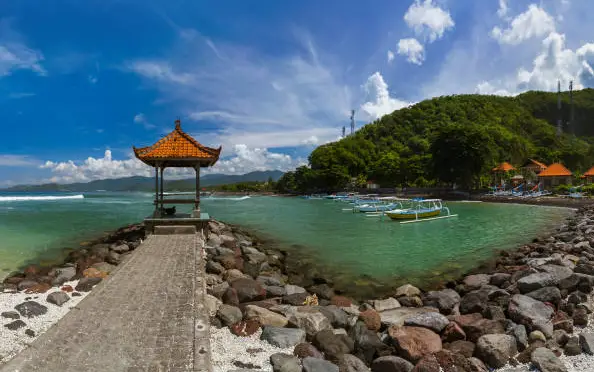
12 Best Beaches in Uluwatu | Popular Uluwatu Beaches
Discover the allure of Uluwatu Beaches. Here is the list of the 12 best beaches in Uluwatu that will let you explore the best of Uluwatu's coastal treasures.
Read More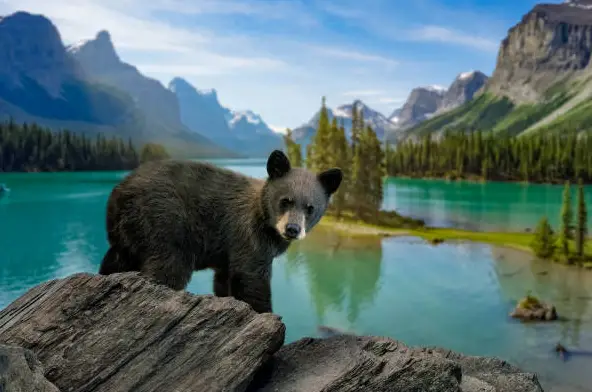
What are the best practices for responsible wildlife viewing in Canada?
Discover essential tips for responsible wildlife viewing in Canada. Respect habitats, minimize disturbances, and support conservation efforts. Start here!
Read More