Are there any health concerns or vaccinations required for travel?

Post ByAdequate Travel
Summary
When traveling abroad, it is important to consider the health of you and your traveling companions. Knowing the necessary precautions and regulations regarding health concerns or vaccinations required for travel can help to ensure a safe and enjoyable trip. In this blog post, we’ll explore these essential considerations and how to prepare for safe and healthy travel. Keep in mind that travel guidelines and travel rules may change anytime, so regularly check for updates to ensure a hassle-free and memorable travel experience.Health Concerns and Vaccinations for Travel
When traveling to certain destinations, it is important to be aware of potential health concerns and consider getting vaccinations to protect yourself from infectious diseases. Here are some common examples:
1. Routine Vaccinations:
Ensure that you are up-to-date with routine vaccinations recommended by your country's health authorities. These generally include vaccines for diseases such as measles, mumps, rubella, diphtheria, tetanus, pertussis, polio, and influenza.
2. Destination-Specific Vaccinations:
Research your travel destination and consult a healthcare professional to determine if there are any specific vaccines recommended or required for that area. For example:
- Yellow Fever Vaccine: Required for travel to certain countries in Africa and South America to prevent the risk of yellow fever transmission.
- Typhoid Vaccine: Recommended for travel to regions with poor sanitation and limited access to clean water, where typhoid fever is prevalent.
- Hepatitis A and B Vaccines: Important for destinations with a higher risk of exposure to contaminated food, water, or blood.
- Japanese Encephalitis Vaccine: Recommended for travelers visiting rural agricultural areas in parts of Asia where the disease is endemic.
3. Malaria Prophylaxis:
If your destination is in a region where malaria is present, seek advice on appropriate anti-malarial medication. Prevention methods such as insect repellents, bed nets, and protective clothing should also be considered.
4. Traveler's Diarrhea Prevention:
Learn about food and water safety measures at your destination to prevent common travel-related illnesses like traveler's diarrhea. This includes drinking bottled water, avoiding raw or undercooked foods, and practicing good hygiene.
5. Altitude Sickness:
If you are traveling to high-altitude areas, especially those above 8,000 feet, familiarize yourself with the symptoms and precautions for altitude sickness. Acclimatization, drinking plenty of fluids, and avoiding physical exertion can help prevent complications.
Remember to consult with a healthcare professional or travel medicine specialist regarding your specific travel plans and personal health history. They will provide the most accurate and tailored advice for your journey.While planning your trip, take note of any travel restrictions that may impact your itinerary, such as limited access to certain regions or attractions.Suggested Questions
You may also like

10 Best Cities in Sweden to Visit | Major Cities in Sweden
A nation of natural beauty, it is fitting with the wonderful coastline and old forests are home to such incredible cities of Sweden. The cities in Sweden offer old castles and temples while agnostic destinations in outskirt area. Beautiful cities … Continue reading
The post 10 Best Cities in Sweden to Visit | Major Cities in Sweden appeared first on World Tour & Travel Guide, Get Travel Tips, Information, Discover Travel Destination | Adequate Travel.
Read More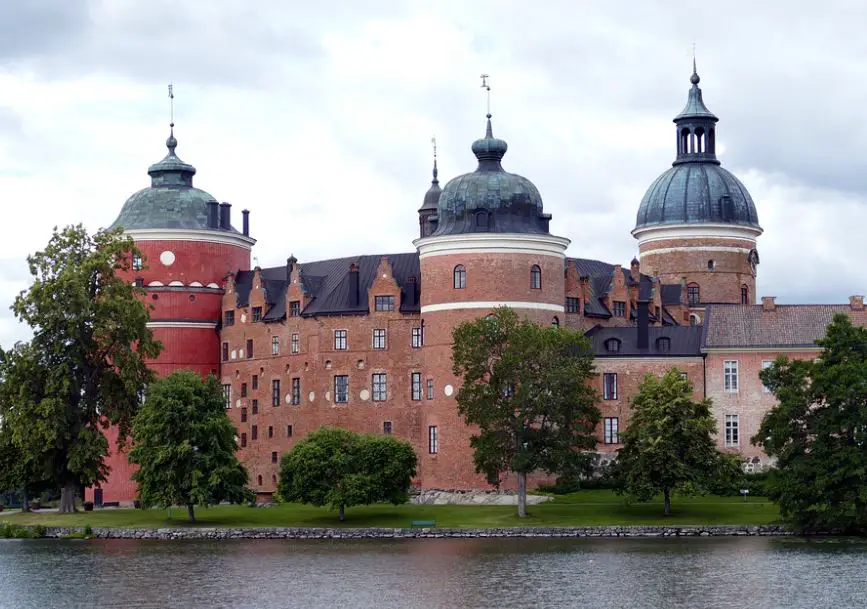
Famous Monuments in Sweden | Most Visited Monuments in Sweden
If you want to explore the history of Sweden through the ages there are a number of historical monuments in Sweden including the time-honored buildings, palaces, and parks where you can learn about the glorious past of Phuket. The presence … Continue reading
The post Famous Monuments in Sweden | Most Visited Monuments in Sweden appeared first on World Tour & Travel Guide, Get Travel Tips, Information, Discover Travel Destination | Adequate Travel.
Read More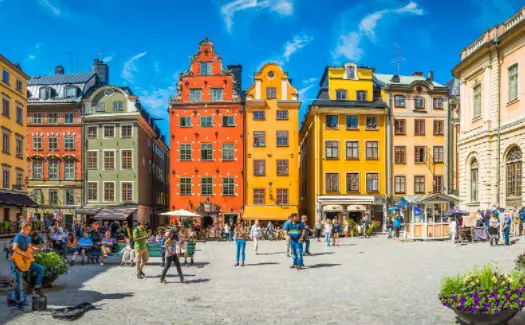
Latest Travel Restrictions to Sweden | Top 5 Places to Visit in Sweden
Sweden is a Scandinavian country that is known for its majestic snowy mountains, frozen glaciers, coastal islands, and inland lakes. There are numerous popular travel destinations in Sweden that any traveler will fancy exploring at least once in a lifetime. … Continue reading
The post Latest Travel Restrictions to Sweden | Top 5 Places to Visit in Sweden appeared first on World Tour & Travel Guide, Get Travel Tips, Information, Discover Travel Destination | Adequate Travel.
Read More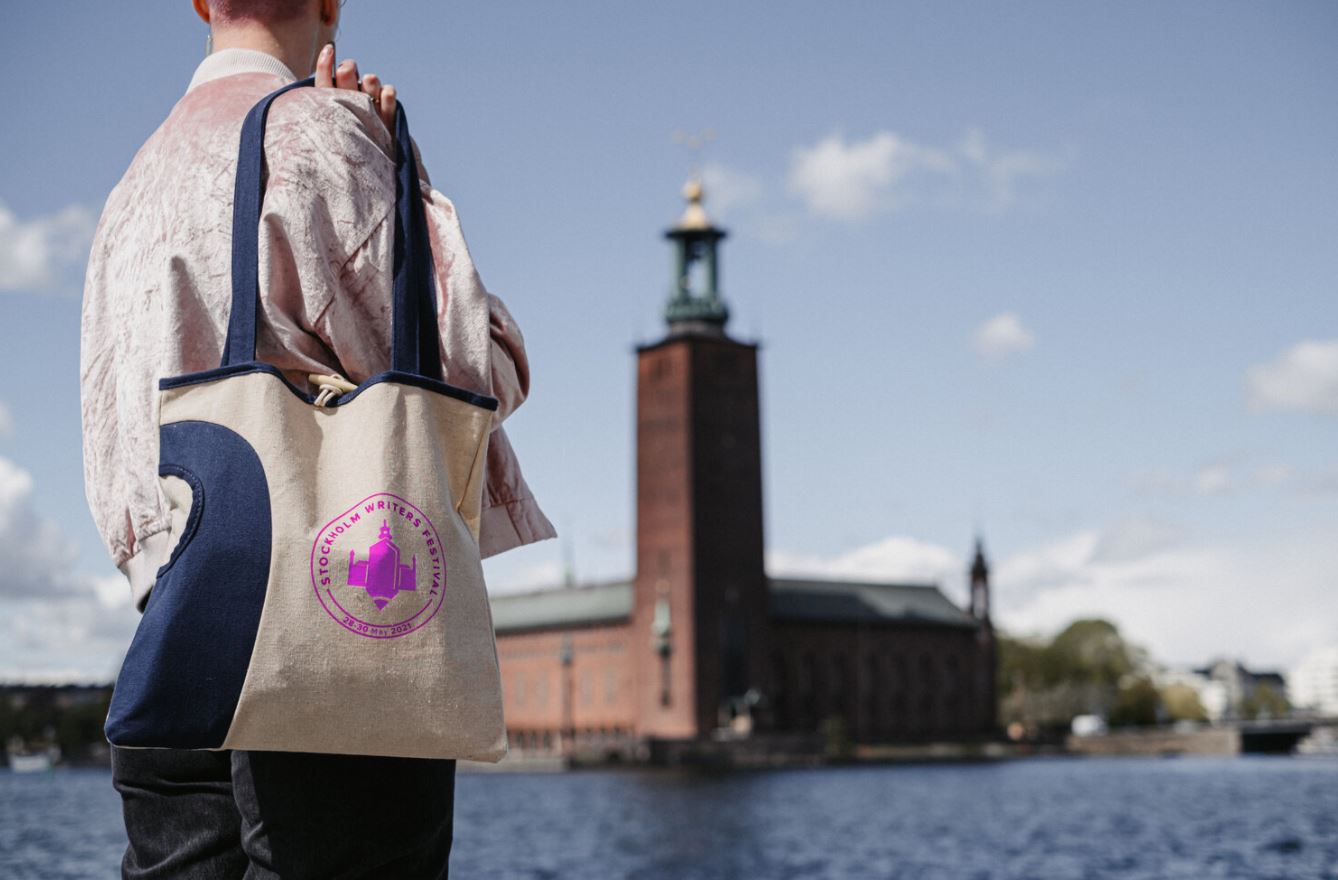
Top 12 Major Summer Festivals and Events in Sweden
With its long, dark winters, it is not surprising that the natives of Sweden would like to take advantage of the brighter, sunnier months. And with its endless coastal islands, inland lakes, vast boreal forests, and icy mountains, there is … Continue reading
The post Top 12 Major Summer Festivals and Events in Sweden appeared first on World Tour & Travel Guide, Get Travel Tips, Information, Discover Travel Destination | Adequate Travel.
Read More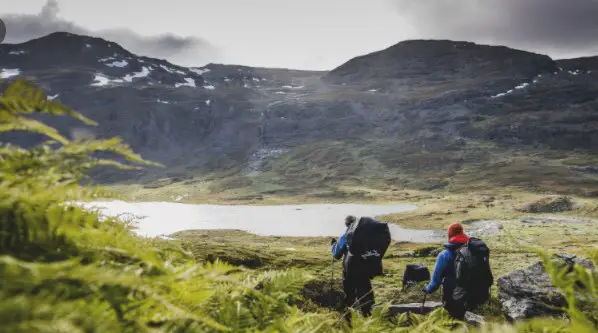
10 Best Thriller Outdoor Activities in Sweden You Musn’t Miss
Get yourself ready to face the best winter sports of Sweden because there are a lot of adrenaline-pumping winter tours coming your way! Sweden is the living wonderland that is unspoiled by the urban civilizations. Hence, there are a lot … Continue reading
The post 10 Best Thriller Outdoor Activities in Sweden You Musn’t Miss appeared first on World Tour & Travel Guide, Get Travel Tips, Information, Discover Travel Destination | Adequate Travel.
Read More
Top 12 Most Beautiful Islands in Sweden
Sweden has much more to offer different from the mainland. Though most of the area is covered with land, there is so much of an island in this country. You won’t believe that Sweden is the country with the maximum … Continue reading
The post Top 12 Most Beautiful Islands in Sweden appeared first on World Tour & Travel Guide, Get Travel Tips, Information, Discover Travel Destination | Adequate Travel.
Read More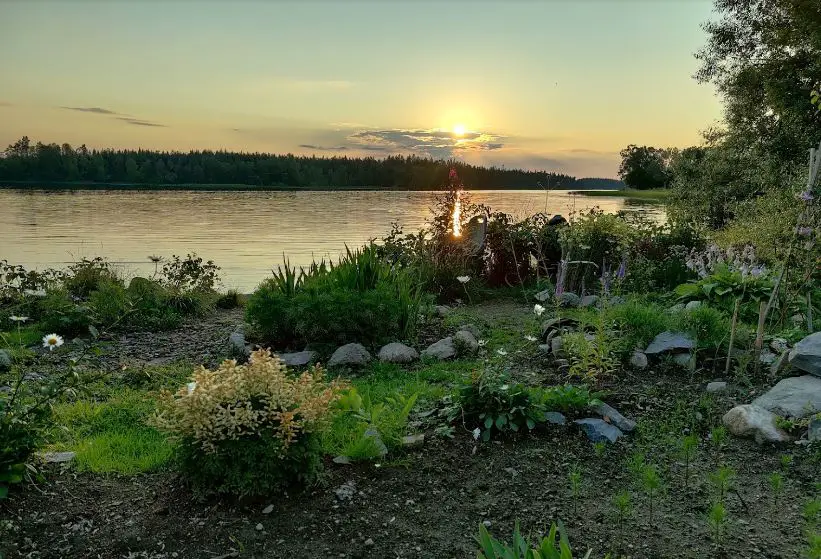
Top 10 Famous Lakes in Sweden | Beautiful Lakes in Sweden
Sweden has nearly 1 lakh beautiful lakes that show the rich biodiversity and tropical existence of the country in the world. These lakes in Sweden are not only proven to be a good source of freshwater but also recognized as … Continue reading
The post Top 10 Famous Lakes in Sweden | Beautiful Lakes in Sweden appeared first on World Tour & Travel Guide, Get Travel Tips, Information, Discover Travel Destination | Adequate Travel.
Read More
15 Best Women Travel Bags: Reviewed & Tested- Get Expert Advice
Get the list of 15 best traveling bags for women. Know the size, material, durability, and other features of the bags.
Read More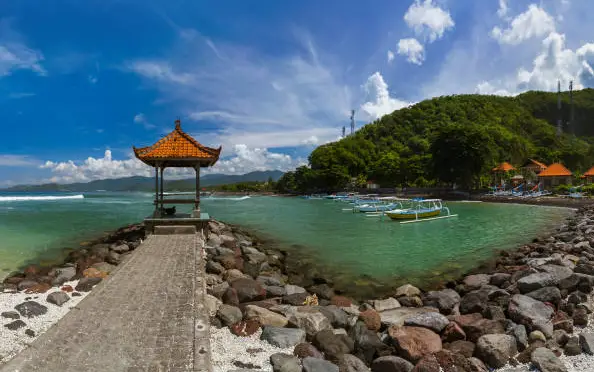
12 Best Beaches in Uluwatu | Popular Uluwatu Beaches
Discover the allure of Uluwatu Beaches. Here is the list of the 12 best beaches in Uluwatu that will let you explore the best of Uluwatu's coastal treasures.
Read More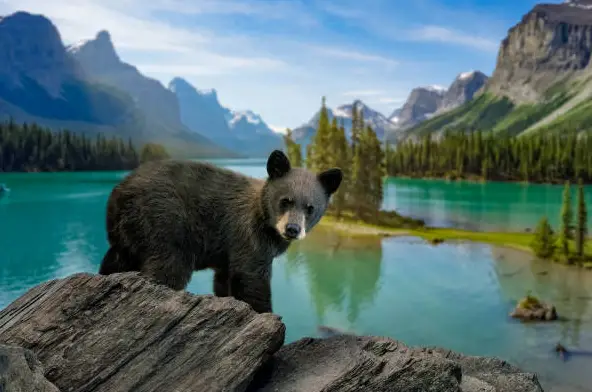
What are the best practices for responsible wildlife viewing in Canada?
Discover essential tips for responsible wildlife viewing in Canada. Respect habitats, minimize disturbances, and support conservation efforts. Start here!
Read More