What should I do if I encounter a language barrier?

Post ByAdequate Travel
Summary
If you've had the misfortune of coming across a language barrier while traveling, don't panic! Here are some tips on how to make sure you can still communicate with those around you without it turning into a disaster. Keep in mind that travel guidelines and travel rules may change anytime, so regularly check for updates to ensure a hassle-free and memorable travel experience.What to do if you encounter a language barrier:
1. Remain calm and patient: It's important to stay composed when facing a language barrier. Take a deep breath and approach the situation with a positive mindset.2. Use non-verbal communication: Non-verbal cues can often help bridge the communication gap. Use gestures, facial expressions, and body language to convey your message. For example, pointing, nodding, or making simple drawings can aid understanding.3. Speak slowly and clearly: If verbal communication is necessary, try speaking slowly and clearly, using simple vocabulary and avoiding complex sentences. Use short phrases and emphasize key words to aid comprehension.4. Find common ground: Look for shared interests or experiences that can serve as a starting point for communication. This could be cultural similarities, hobbies, or activities you both enjoy. Building rapport can make communication easier.5. Utilize translation tools or apps: Technology can be immensely helpful in overcoming language barriers. Use translation apps on your smartphone or carry a pocket dictionary for quick translations when needed.6. Seek assistance from a bilingual person: If possible, try to find a bilingual person who can help facilitate communication. They can interpret or translate for you, ensuring a smoother conversation.7. Use visual aids or gestures: Visual aids such as pictures, maps, or diagrams can often help in explaining concepts or conveying information across languages. Additionally, hand gestures can enhance understanding and clarify your message.8. Be open-minded and curious: Embrace the opportunity to learn about new cultures and languages. Approach the interaction with curiosity, and be willing to adapt and find alternative ways to communicate.9. Practice active listening: Engage in active listening by paying attention to the other person's body language and expressions. By carefully listening and observing, you may be able to understand their intent or meaning, even without fluent verbal communication.10. Use empathy and respect: Treat others with respect and empathy, regardless of any language barriers. Showing understanding and patience can foster a positive atmosphere, making it easier to navigate through communication challenges.Travellers can find valuable travel information for tourists, such as local customs, must-see attractions, and dining recommendations, to make the most of their trip.Suggested Questions
You may also like

Traditional Dishes of Portugal You Must Eat On Christmas
Christmas in Portugal is a magical, tasty time of year. What to eat on Christmas in Portugal, there are many options available for you. While the country is full of Michelin starred eateries and innovative chefs offering delicious food year-round, … Continue reading
The post Traditional Dishes of Portugal You Must Eat On Christmas appeared first on World Tour & Travel Guide, Get Travel Tips, Information, Discover Travel Destination | Adequate Travel.
Read More
10 Most Famous Street Food in Lisbon, Portugal
When we think of the best Portuguese street food Lisbon, we think of vintage food trucks and hot dogs in buns. In Lisbon, it’s all about the cafés and pastelarias (pastry shops). Choosing what to eat can be intimidating at … Continue reading
The post 10 Most Famous Street Food in Lisbon, Portugal appeared first on World Tour & Travel Guide, Get Travel Tips, Information, Discover Travel Destination | Adequate Travel.
Read More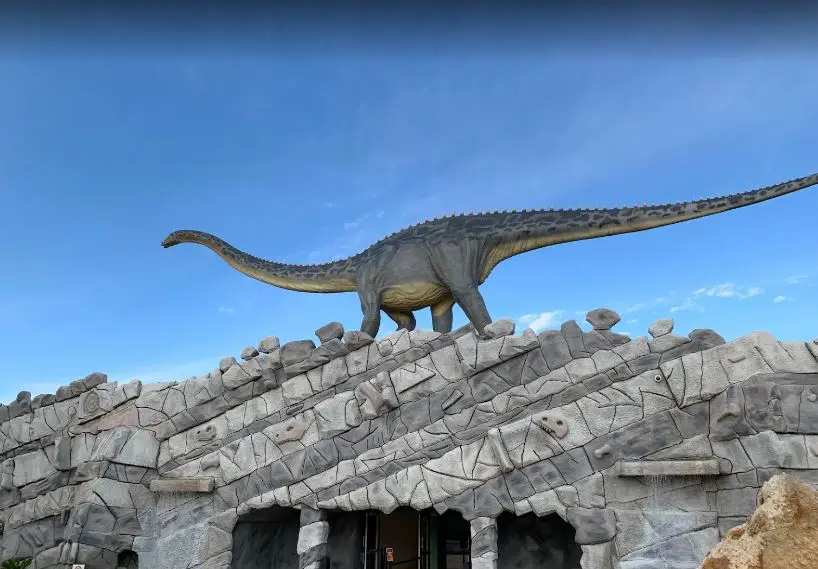
Best Theme Parks in Lisbon Portugal | Popular Amusement Parks in Lisbon
If you love to explore the joy of experiencing different rides or love going to theme parks then Lisbon offers you with a wide range of parks where you can go and enjoy with your family and friends. This list … Continue reading
The post Best Theme Parks in Lisbon Portugal | Popular Amusement Parks in Lisbon appeared first on World Tour & Travel Guide, Get Travel Tips, Information, Discover Travel Destination | Adequate Travel.
Read More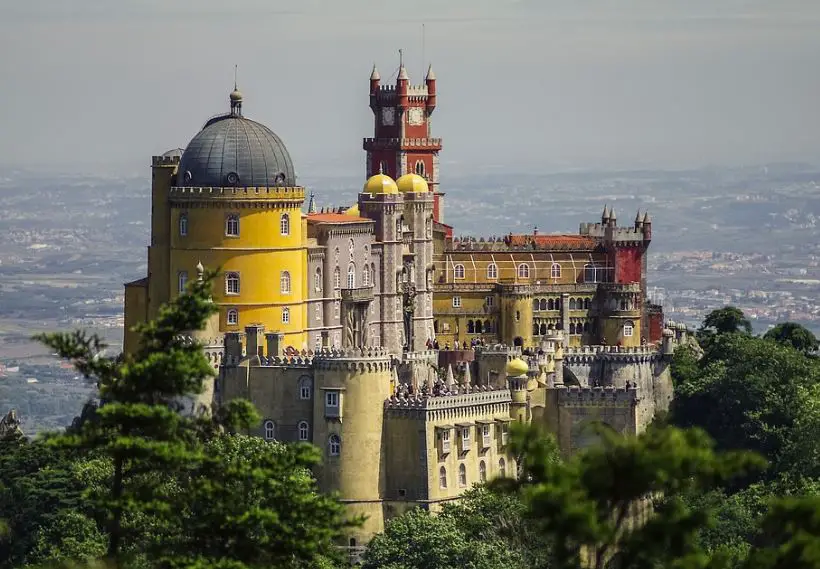
Best Cities to Visit in Portugal | Major Cities in Portugal
This article has been written for you if you’re looking for some cool cities to visit in Portugal. Lisbon is an incredible city. Its lifestyle, history, and rich culture are unique and you will love every minute you will be … Continue reading
The post Best Cities to Visit in Portugal | Major Cities in Portugal appeared first on World Tour & Travel Guide, Get Travel Tips, Information, Discover Travel Destination | Adequate Travel.
Read More
10 Best Beaches in Lisbon | Beautiful Beaches Near Lisbon to Visit, Portugal
Lisbon is surrounded by four amazing coastlines that are distinctively famous for different beach activities in Portugal. This city is washed up by the Tagus river which provides coarse sand to the amazing beaches of Lisbon. The river later ends … Continue reading
The post 10 Best Beaches in Lisbon | Beautiful Beaches Near Lisbon to Visit, Portugal appeared first on World Tour & Travel Guide, Get Travel Tips, Information, Discover Travel Destination | Adequate Travel.
Read More
Top 10 Foods to Try in Lisbon | Famous Foods of Lisbon Portugal
Lisbon offers a wide range of flavours in its incredible meals that you must not miss if you ever visit this city. Since the city is well-known for its port and freshly caught seafood that usually people consider as one … Continue reading
The post Top 10 Foods to Try in Lisbon | Famous Foods of Lisbon Portugal appeared first on World Tour & Travel Guide, Get Travel Tips, Information, Discover Travel Destination | Adequate Travel.
Read More
The 12 Famous Monuments in Lisbon Portugal | Most Visited Monuments in Lisbon
Portugal’s hilly capital, the coastal city of Lisbon is the westernmost capital of Europe. Colourful and historic, the city is teeming with life in every corner, and every person and structure has a story to tell that will reveal secrets … Continue reading
The post The 12 Famous Monuments in Lisbon Portugal | Most Visited Monuments in Lisbon appeared first on World Tour & Travel Guide, Get Travel Tips, Information, Discover Travel Destination | Adequate Travel.
Read More
Most Visited Monuments in Portugal l Famous Monuments in Portugal
Portugal is definitely a novel place to be and a remarkable sight to see. With a trove of deep-rooted traditions and celebrated cultures, a visit to the monuments in Portugal departs from the humdrum sightseeing tours to bring you an … Continue reading
The post Most Visited Monuments in Portugal l Famous Monuments in Portugal appeared first on World Tour & Travel Guide, Get Travel Tips, Information, Discover Travel Destination | Adequate Travel.
Read More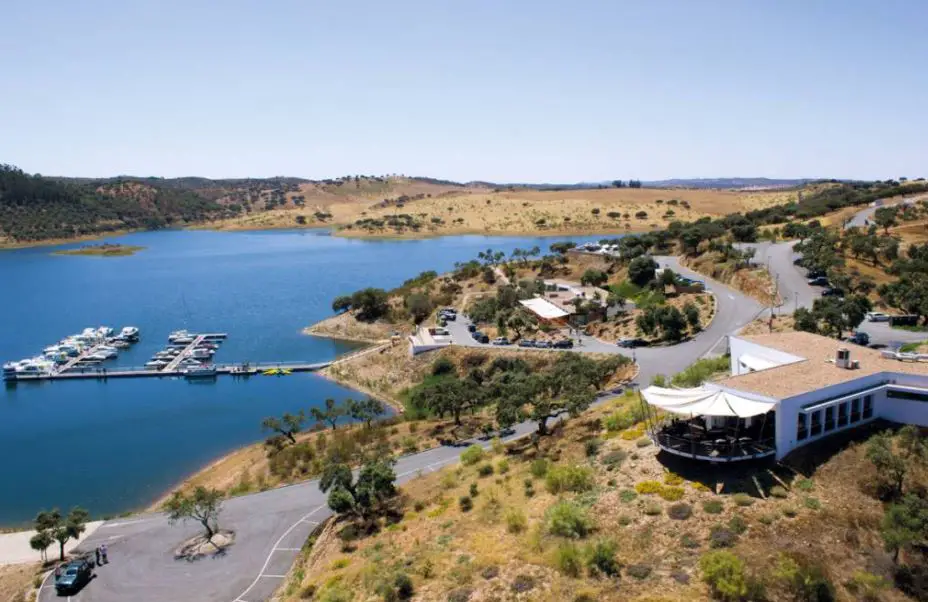
Top 10 Unusual Places to Explore In Portugal
If you’re planning to explore the best but unusual places to visit in Portugal, a European country, and you don’t want your trip to consist of the same old stuff then you have come to the right place. Such as … Continue reading
The post Top 10 Unusual Places to Explore In Portugal appeared first on World Tour & Travel Guide, Get Travel Tips, Information, Discover Travel Destination | Adequate Travel.
Read More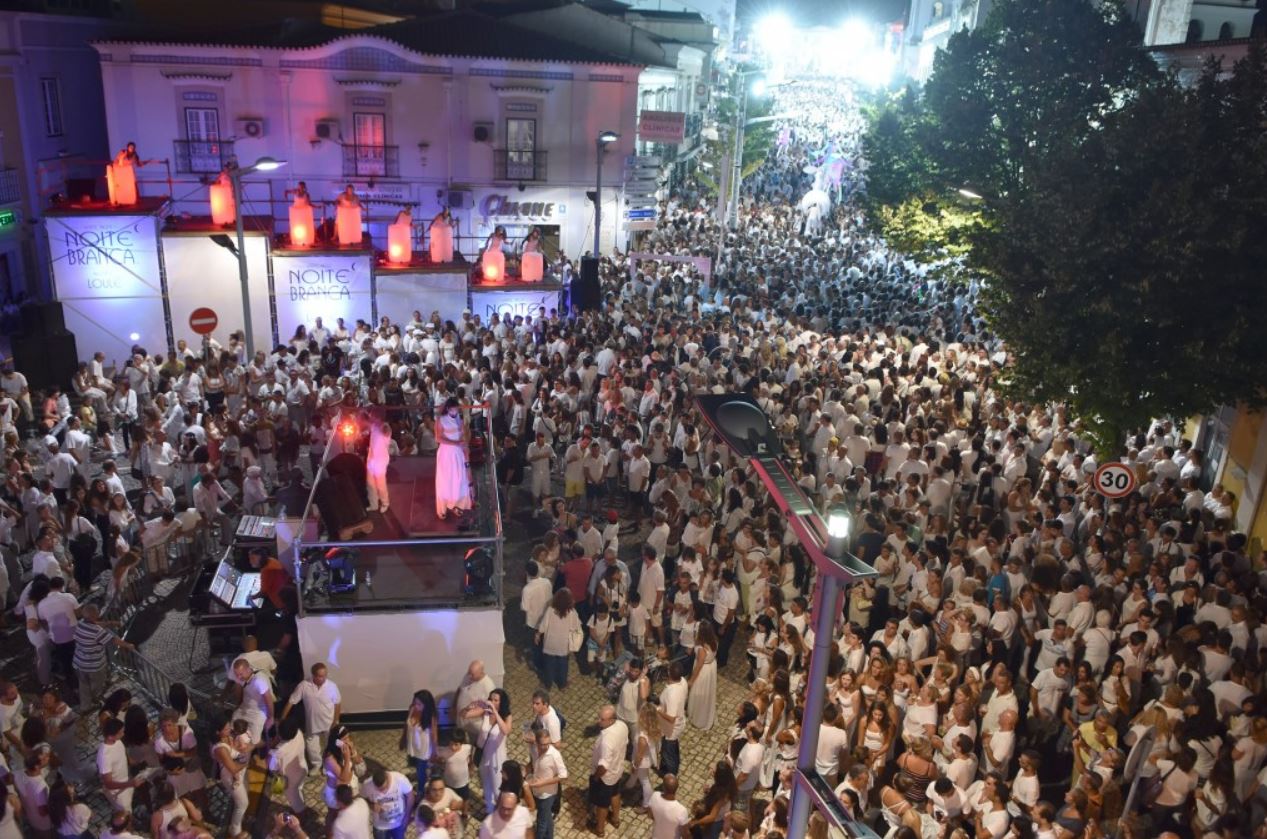
Top Popular Summer Festivals in Portugal Not to Miss
Most villages and towns in Portugal have their own traditional festival (Festa) or pilgrimage (romaria). These famous summer festivals in Portugal celebrate history, religion and culture. There are also some great contemporary events throughout the year, including music festivals, sand … Continue reading
The post Top Popular Summer Festivals in Portugal Not to Miss appeared first on World Tour & Travel Guide, Get Travel Tips, Information, Discover Travel Destination | Adequate Travel.
Read More