What is the history of the Port wine cellars in Porto?

Post ByAdequate Travel
Summary
The Port wine cellars of Porto, Portugal, are iconic destinations for tourists and wine connoisseurs alike. With a centuries-old tradition of winemaking, these underground caves and aging rooms hold a unique story that's linked to the origin of the world-famous port wine. In this article, we'll explore the history of the port wine cellars in Porto and how the city has evolved into a center of excellence for winemaking. Keep in mind that travel guidelines and travel rules may change anytime, so regularly check for updates to ensure a hassle-free and memorable travel experience.History of Port Wine Cellars in Porto
1. Origins of Port Wine: The history of Port wine cellars in Porto begins with the origins of this renowned fortified wine. Port wine, also known as Vinho do Porto in Portuguese, is produced exclusively in the Douro Valley region in northern Portugal.
2. Development of Port Wine Trade: During the 17th century, the British demand for wine increased significantly. To satisfy this demand, British merchants started trading with Portuguese wine producers. They discovered that adding brandy to the wine during fermentation would fortify it, preserving its sweetness and quality during long sea voyages.
3. British Involvement: The British played a crucial role in the establishment of the Port wine trade. They became increasingly involved in the production, aging, and exporting of Port wine. Many British merchants established themselves in Porto, using the city's proximity to the Douro Valley as a strategic advantage.
4. Cellars in Vila Nova de Gaia: Vila Nova de Gaia, situated across the Douro River from Porto, became the hub for Port wine storage and aging. The mild climate of this area was ideal for the maturation of the wine. British merchants constructed large cellars (lodges) in Vila Nova de Gaia, which served as storage facilities for the barrels of aging Port wine.
5. The Role of Cellars: Cellars provided optimal conditions for Port wine to mature and develop its unique characteristics. The cool and humid environment, along with the slow oxidation process, allowed the wine to acquire complexity and richness over time. The wooden barrels used for aging also imparted specific flavors and aromas.
6. Port Wine Trade Association: In 1933, the Port Wine Trade Association (IVDP - Instituto dos Vinhos do Douro e Porto) was established to regulate and protect the authenticity and quality of Port wine. The IVDP oversees the production, classification, and labeling of Port wine, ensuring adherence to strict standards.
7. Cellar Tours and Tastings: Today, the Port wine cellars in Porto's Vila Nova de Gaia are popular tourist attractions. Several renowned Port wine houses offer guided tours, allowing visitors to explore the historic cellars, learn about the wine production process, and indulge in tastings of different Port wine varieties.
8. Examples of Port Wine Cellars in Porto: Some of the most famous Port wine cellars in Porto include:
- Taylor's Port Cellars: Known for its fine Ports and panoramic views of Porto.
- Graham's Port Lodge: One of the oldest Port wine lodges, offering guided tours and tastings.
- Sandeman Port Cellars: Founded in 1790, it is known for its distinctive logo and rich history.
- Ferreira Port Cellars: A historic cellar dating back to 1751, showcasing the legacy of Dona Antónia Adelaide Ferreira.
- Croft Port Cellars: One of the oldest Port wine houses, providing a glimpse into the heritage of Port wine production.
In summary, the Port wine cellars in Porto have a rich history intertwined with the growth of the Port wine trade. These cellars played a pivotal role in aging and storing this beloved fortified wine, and today they offer a fascinating glimpse into the traditions and techniques of Port wine production.
Travellers can find valuable travel information for tourists, such as local customs, must-see attractions, and dining recommendations, to make the most of their trip.Suggested Questions
You may also like

Traditional Dishes of Portugal You Must Eat On Christmas
Christmas in Portugal is a magical, tasty time of year. What to eat on Christmas in Portugal, there are many options available for you. While the country is full of Michelin starred eateries and innovative chefs offering delicious food year-round, … Continue reading
The post Traditional Dishes of Portugal You Must Eat On Christmas appeared first on World Tour & Travel Guide, Get Travel Tips, Information, Discover Travel Destination | Adequate Travel.
Read More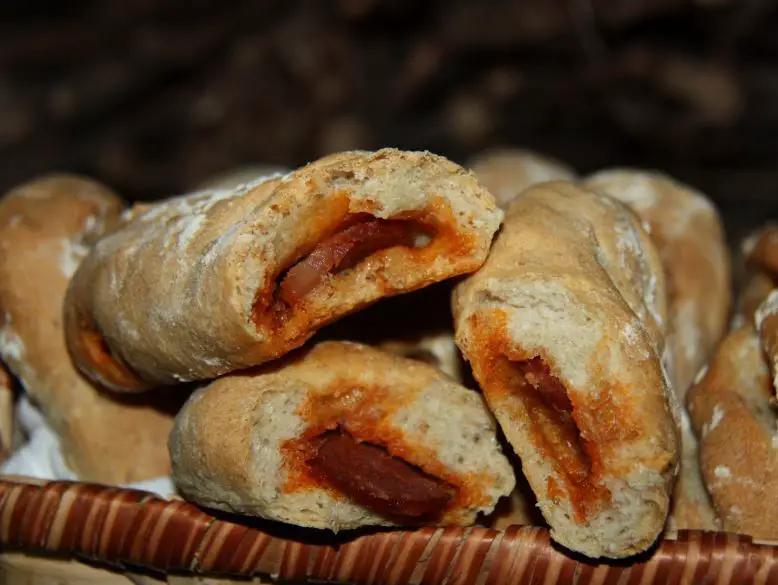
10 Most Famous Street Food in Lisbon, Portugal
When we think of the best Portuguese street food Lisbon, we think of vintage food trucks and hot dogs in buns. In Lisbon, it’s all about the cafés and pastelarias (pastry shops). Choosing what to eat can be intimidating at … Continue reading
The post 10 Most Famous Street Food in Lisbon, Portugal appeared first on World Tour & Travel Guide, Get Travel Tips, Information, Discover Travel Destination | Adequate Travel.
Read More
Best Theme Parks in Lisbon Portugal | Popular Amusement Parks in Lisbon
If you love to explore the joy of experiencing different rides or love going to theme parks then Lisbon offers you with a wide range of parks where you can go and enjoy with your family and friends. This list … Continue reading
The post Best Theme Parks in Lisbon Portugal | Popular Amusement Parks in Lisbon appeared first on World Tour & Travel Guide, Get Travel Tips, Information, Discover Travel Destination | Adequate Travel.
Read More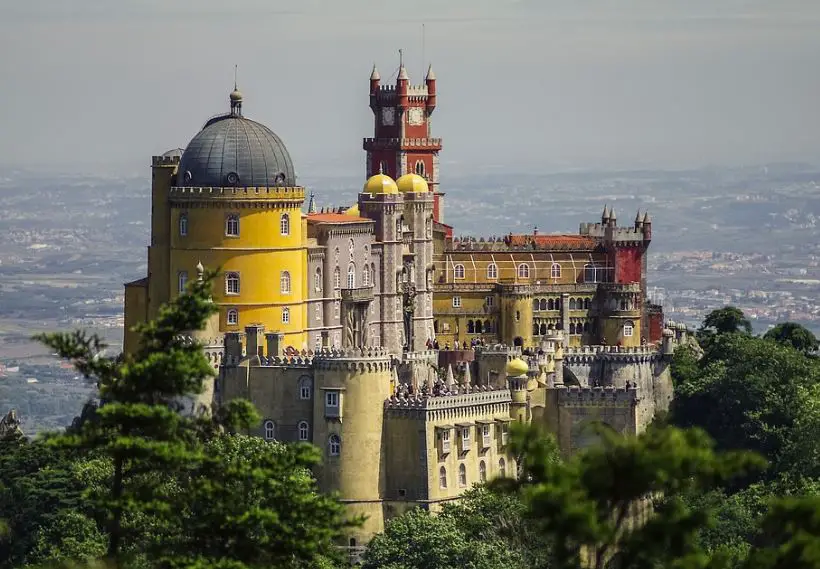
Best Cities to Visit in Portugal | Major Cities in Portugal
This article has been written for you if you’re looking for some cool cities to visit in Portugal. Lisbon is an incredible city. Its lifestyle, history, and rich culture are unique and you will love every minute you will be … Continue reading
The post Best Cities to Visit in Portugal | Major Cities in Portugal appeared first on World Tour & Travel Guide, Get Travel Tips, Information, Discover Travel Destination | Adequate Travel.
Read More
10 Best Beaches in Lisbon | Beautiful Beaches Near Lisbon to Visit, Portugal
Lisbon is surrounded by four amazing coastlines that are distinctively famous for different beach activities in Portugal. This city is washed up by the Tagus river which provides coarse sand to the amazing beaches of Lisbon. The river later ends … Continue reading
The post 10 Best Beaches in Lisbon | Beautiful Beaches Near Lisbon to Visit, Portugal appeared first on World Tour & Travel Guide, Get Travel Tips, Information, Discover Travel Destination | Adequate Travel.
Read More
Top 10 Foods to Try in Lisbon | Famous Foods of Lisbon Portugal
Lisbon offers a wide range of flavours in its incredible meals that you must not miss if you ever visit this city. Since the city is well-known for its port and freshly caught seafood that usually people consider as one … Continue reading
The post Top 10 Foods to Try in Lisbon | Famous Foods of Lisbon Portugal appeared first on World Tour & Travel Guide, Get Travel Tips, Information, Discover Travel Destination | Adequate Travel.
Read More
The 12 Famous Monuments in Lisbon Portugal | Most Visited Monuments in Lisbon
Portugal’s hilly capital, the coastal city of Lisbon is the westernmost capital of Europe. Colourful and historic, the city is teeming with life in every corner, and every person and structure has a story to tell that will reveal secrets … Continue reading
The post The 12 Famous Monuments in Lisbon Portugal | Most Visited Monuments in Lisbon appeared first on World Tour & Travel Guide, Get Travel Tips, Information, Discover Travel Destination | Adequate Travel.
Read More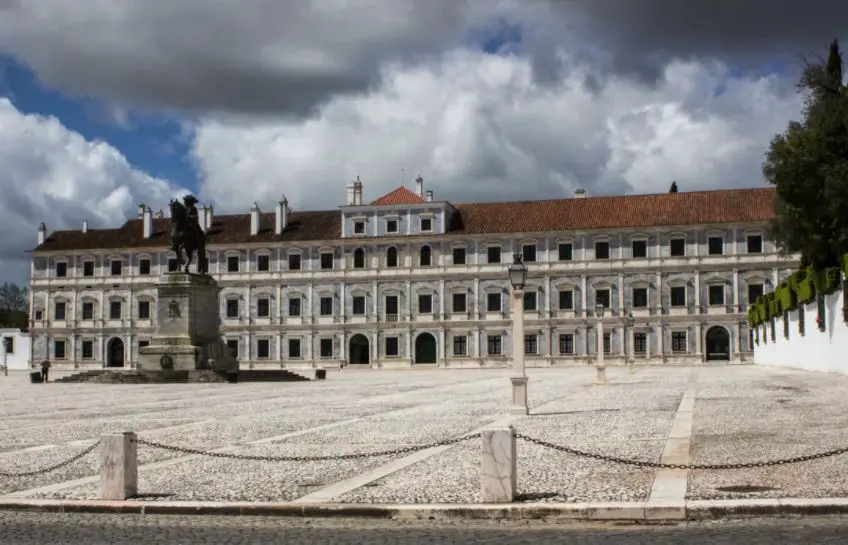
Most Visited Monuments in Portugal l Famous Monuments in Portugal
Portugal is definitely a novel place to be and a remarkable sight to see. With a trove of deep-rooted traditions and celebrated cultures, a visit to the monuments in Portugal departs from the humdrum sightseeing tours to bring you an … Continue reading
The post Most Visited Monuments in Portugal l Famous Monuments in Portugal appeared first on World Tour & Travel Guide, Get Travel Tips, Information, Discover Travel Destination | Adequate Travel.
Read More
Top 10 Unusual Places to Explore In Portugal
If you’re planning to explore the best but unusual places to visit in Portugal, a European country, and you don’t want your trip to consist of the same old stuff then you have come to the right place. Such as … Continue reading
The post Top 10 Unusual Places to Explore In Portugal appeared first on World Tour & Travel Guide, Get Travel Tips, Information, Discover Travel Destination | Adequate Travel.
Read More
Top Popular Summer Festivals in Portugal Not to Miss
Most villages and towns in Portugal have their own traditional festival (Festa) or pilgrimage (romaria). These famous summer festivals in Portugal celebrate history, religion and culture. There are also some great contemporary events throughout the year, including music festivals, sand … Continue reading
The post Top Popular Summer Festivals in Portugal Not to Miss appeared first on World Tour & Travel Guide, Get Travel Tips, Information, Discover Travel Destination | Adequate Travel.
Read More